
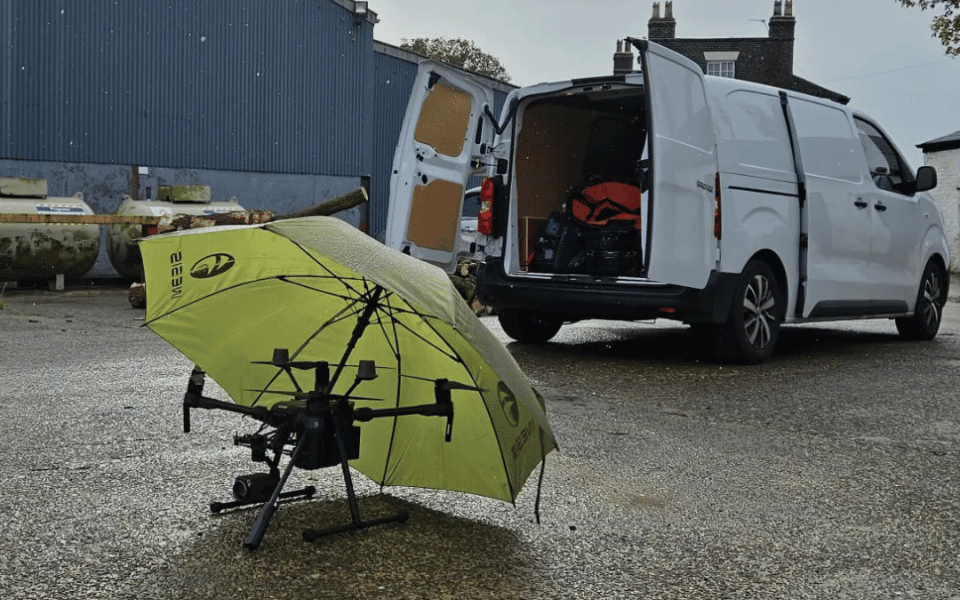

You’ve probably wondered if your drone could survive an unexpected splash or rain shower. While you’ll see terms like “waterproof” and “water-resistant” used interchangeably in marketing materials, the distinction matters tremendously for your expensive equipment.
Most consumer drones will suffer catastrophic damage from water exposure, yet manufacturers rarely make this clear. Understanding your drone’s true capabilities against moisture could save you from a costly mistake.

30 Second Summary
- Most consumer drones are water-resistant, not waterproof, making them vulnerable to damage in wet conditions.
- IP ratings indicate water resistance levels, with higher second digits offering better protection against moisture.
- Waterproof drones feature sealed electronics, water-repelling propellers, and often flotation capabilities for water landings.
- Flying non-waterproof drones over water risks damage to electronics and presents navigation challenges.
- DJI and specialized manufacturers offer drones with varying degrees of water resistance for different environmental conditions.
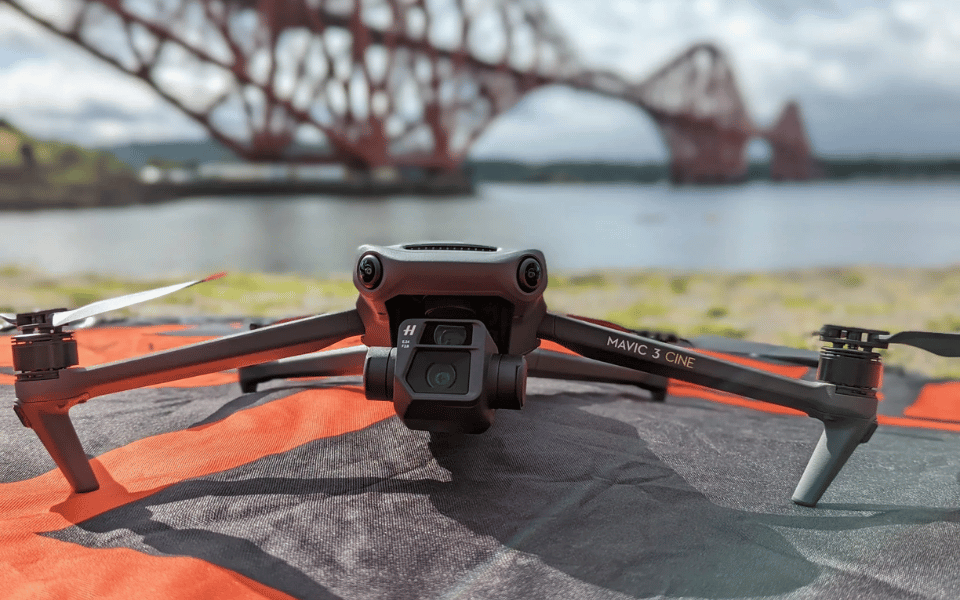
Most DJI Drones Are Not Waterproof But Some Are Water-Resistant
While the idea of flying your drone regardless of weather conditions might be appealing, the reality is that most consumer drones aren’t waterproof. Popular brands like DJI offer models with some water resistance, but they typically can’t withstand full submersion or heavy rainfall.
Understanding your drone’s limitations is crucial for consumer protection. Water damage can infiltrate motors, electronics, sensors, and batteries, potentially causing complete failure of your expensive device. When moisture reaches these critical components, you’re likely facing costly repairs or even total replacement.
Some manufacturers provide an IP rating that indicates the level of water resistance their drones offer. This rating helps you determine if your drone can handle light rain or snow. Without this specification, it’s safest to assume your drone should remain grounded during wet conditions to avoid irreversible damage.
IP Ratings Determine A Drone’s Level Of Water Protection
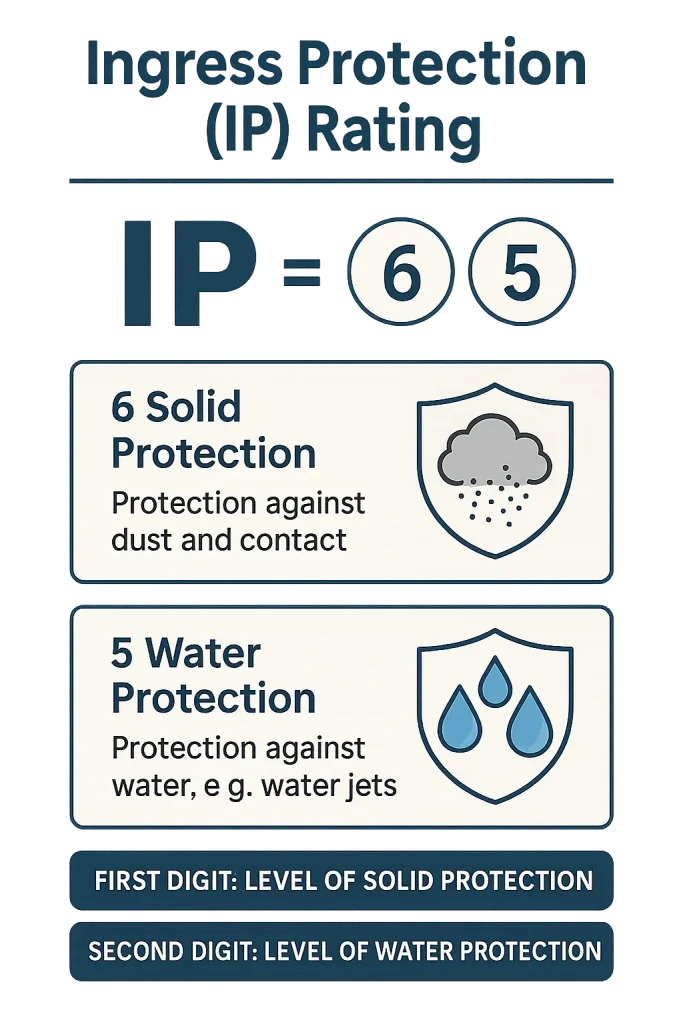
When shopping for drones with water protection, you’ll need to understand IP ratings – the universal standard that precisely defines a device’s resistance to environmental elements. These ratings consist of two digits: the first (0-6) indicates protection against solid particles like dust, while the second (0-9) shows water protection levels.
For example, a drone with an IP68 rating can withstand limited dust exposure and water immersion up to 1 meter for 30 minutes. The IP rating significance cannot be overstated when evaluating drone durability. Some DJI professional models like the M350 RTK, M300 RTK, and M30 Series offer IP ratings, but even these have limitations – they shouldn’t be flown when rainfall exceeds 100mm in 24 hours.
Waterproof Drones Feature Special Design Elements For Water Protection
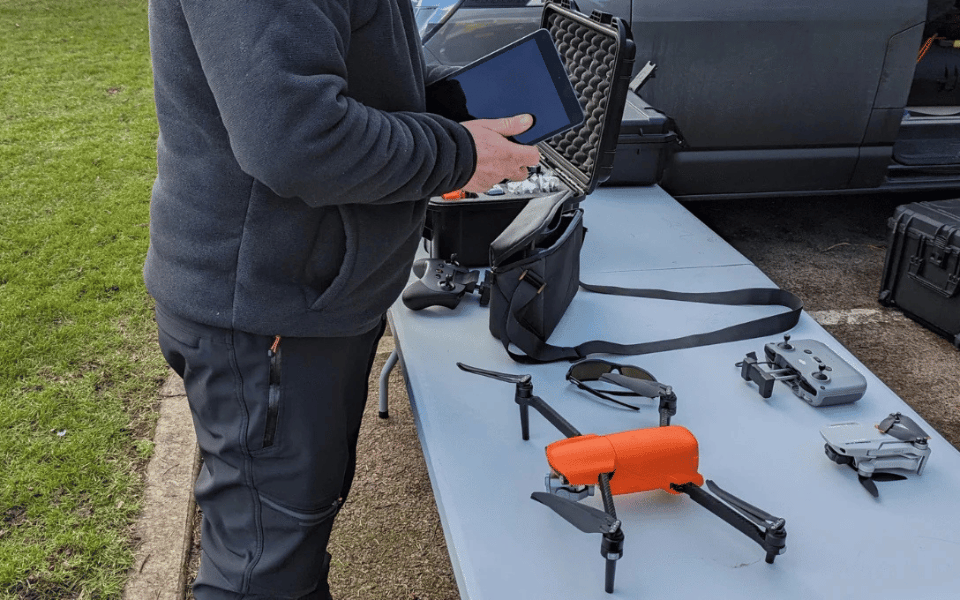
Truly waterproof drones incorporate several specialized design elements that set them apart from their water-resistant counterparts. You’ll find these models feature completely watertight casings and sealed electronics protected by advanced waterproof technology. Their propellers are specifically designed to repel water while operating in wet conditions.
The drone materials used in waterproof models are carefully selected for corrosion resistance, enabling them to withstand repeated exposure to water without deteriorating. Many include built-in flotation capabilities, preventing your investment from sinking if it lands on water. Some sophisticated models, like the SwellPro SplashDrone 4, take waterproofing further by incorporating water detection sensors that identify nearby water bodies and submerged obstacles.
These purpose-built waterproof drones offer peace of mind when flying near water, with some even including specialized features for activities like fishing.

Flying Over Water Presents Significant Risks For Non-Waterproof Drones
Flying your drone over water significantly increases the risks to your equipment if you’re not using a waterproof model. Water exposure typically causes irreparable damage to standard drones’ electronic components, making crash recovery nearly impossible.
You’ll face additional challenges beyond water damage. Wind conditions over water are typically stronger and less predictable, compromising your drone’s stability. GPS signals may experience interference, affecting navigation accuracy. Finding a safe water landing spot during emergencies becomes especially difficult.
Visual challenges also arise as you operate farther from shore—your drone can become difficult to distinguish against the water’s surface. Without waterproof protection, even a brief contact with water likely means losing your equipment completely. When flying over water, always consider these risks against the potential reward of your captured footage.
Waterproof Drones Offer Advantages But Come With Limitations
Waterproof drones provide crucial protection against moisture damage while enabling unique filming opportunities in challenging environments like rain, snow, and over bodies of water. This protection significantly reduces your drone maintenance requirements after exposure to wet conditions.
However, even with waterproof capabilities, you’ll face important limitations. Remember that regulations require maintaining a 50-meter distance from people, vehicles, and buildings not under your control. This restricts water landings in populated areas unless you have permission from property owners.
The cylindrical no-fly zone extending upward around people on private property means you can’t simply fly higher to bypass these restrictions. If you’re considering water landings, ensure you’re operating in areas where you can maintain these safety distances while enjoying your waterproof drone’s advantages.
Conclusion
You’ll find very few truly waterproof drones on the market, so it’s crucial to check IP ratings before flying near water. If you’re planning water-based operations, invest in a specially designed waterproof model with sealed components. Remember, water resistance isn’t waterproofing – even light rain can damage standard drones. While waterproof options offer protection, they often compromise on flight time and camera quality.

