
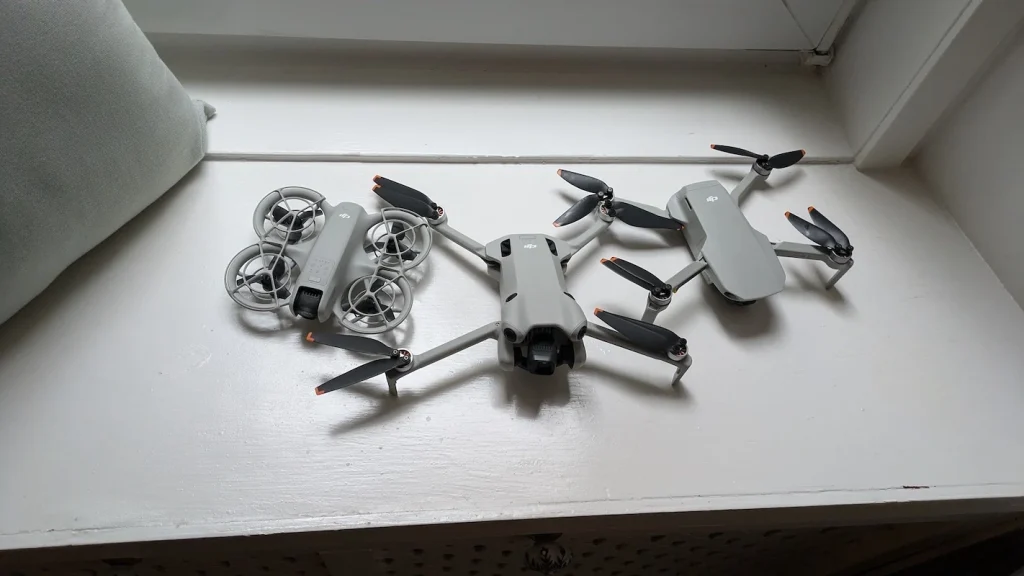

Hey there! James Leslie here. I run the nation’s largest drone service and it’s time to review how the sub 250g drone landscape has changed towards the 2nd of half of 2024. Especially with the new DJI Neo being released in September.
I’ve been putting the best sub-250g drones through their paces throughout 2024, and I’m excited to share my top picks with you.. The DJI Mini 4 Pro stands out as the best full-featured option, while the DJI NEO is my top budget pick. For those seeking a Mini 4 Pro alternative, the Potensic ATOM offers great value.
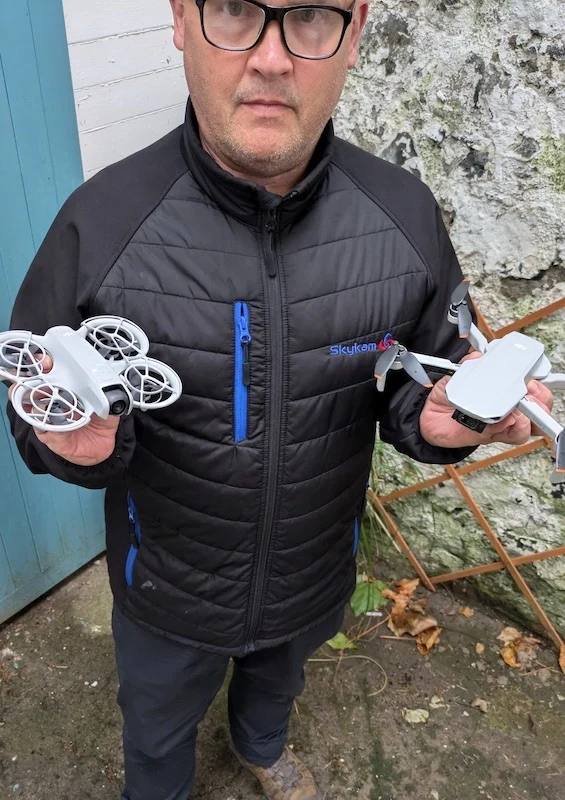
I’d skip the DJI Mini 2 SE in favor of the ATOM. The Mini 3 and Mini 3 Pro are being phased out, and the Hover Air x1, once great, has been overshadowed by the DJI NEO.
Each drone has its strengths, and I’ve got insights on how they perform in real-world conditions.
DJI Mini 4 Pro Is Best For
- Professional-quality aerial photography and videography
- Obstacle avoidance and safety features
- Low-light and night shooting
- Advanced autonomous flight modes and tracking
- Pilots who want the latest technology in a compact drone
DJI Mini 4 Pro | Best Overall sub 250g drone
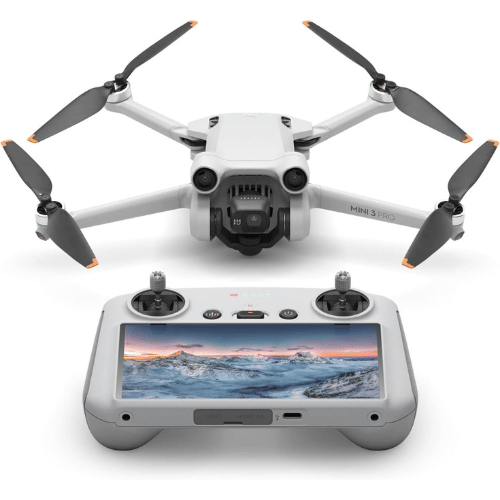
Three key features make the DJI Mini 4 Pro my top pick for a sub-250g drone in 2024. First, its unparalleled obstacle avoidance system makes it one of the safest drones for beginners. Second, it offers powerful photography capabilities in a compact body.
Third, thanks to its lightweight design, it doesn’t require a drone license or remote ID.
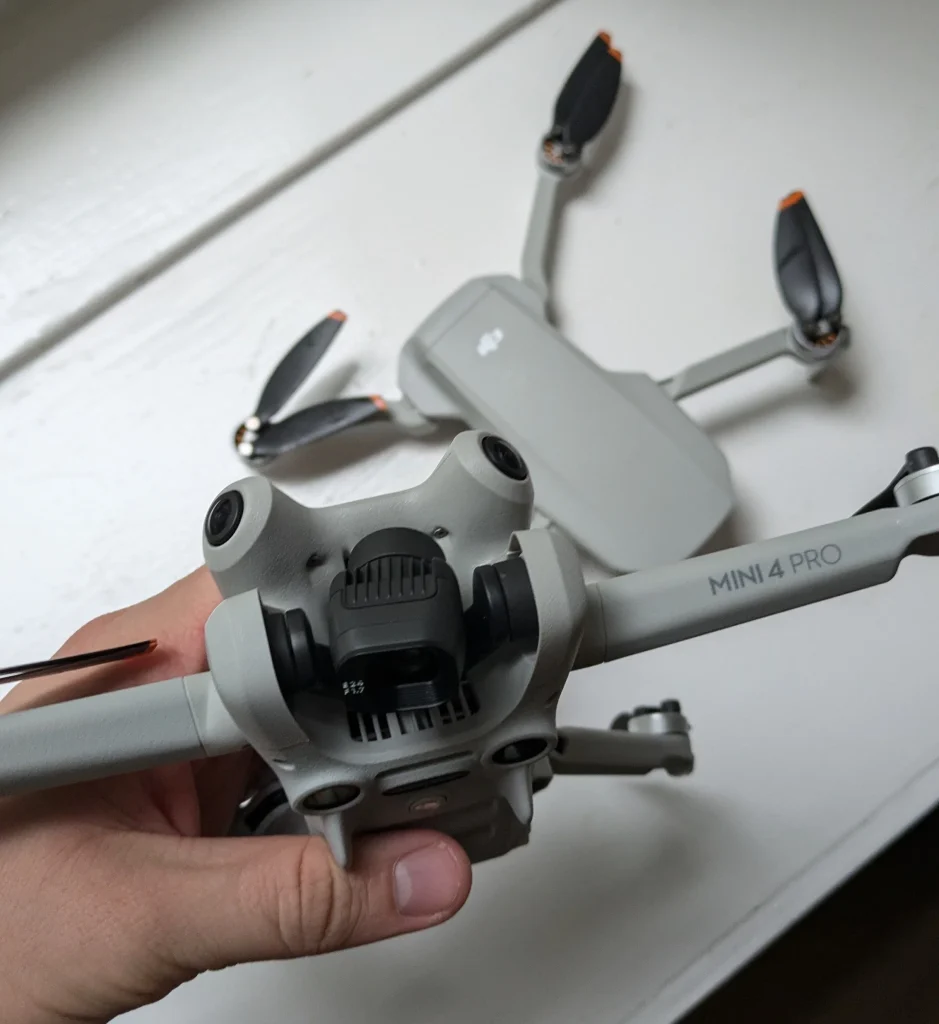
As someone who learned to fly with the Mini series, I can confidently say the Mini 4 Pro is the best drone under 250 grams for newcomers to the hobby. The enhanced collision detection is the best available on a sub 250g drone, providing peace of mind during flights. Even if you accidentally push the throttle towards an object, the drone will stop itself from colliding.
| Feature | Specs |
|---|---|
| Flight Time | 34 min |
| Range | 20 km |
| Camera Sensor | 1/1.3″ CMOS 48MP |
| Max Video Resolution | 4K/60fps |
| Needs Drone License | No (sub-250g) |
While it’s a bit pricier than some alternatives, I believe the investment is worth it for the safety features alone. However, if you’re on a tighter budget or don’t need such advanced capabilities, the DJI NEO is a solid alternative that’ll suit most casual users.
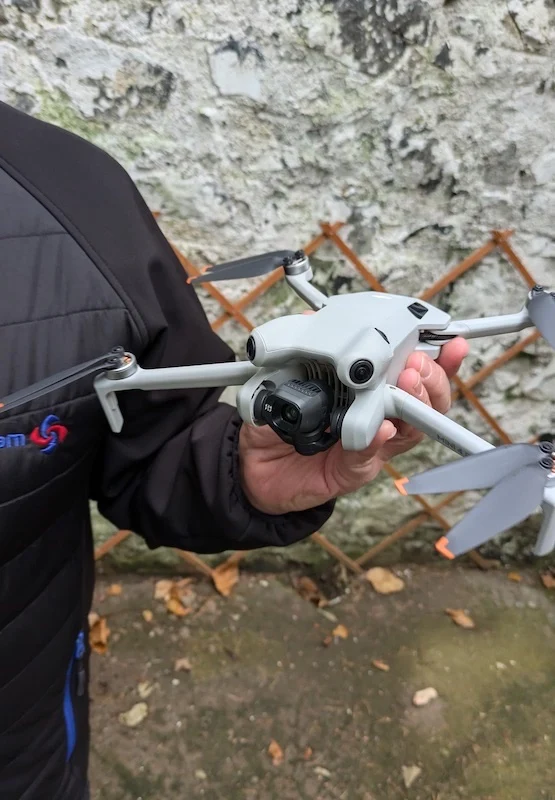
For aspiring drone photographers, the Mini 4 Pro’s ease of use combined with its impressive camera makes it an excellent choice. You’ll be able to capture stunning aerial shots without the steep learning curve associated with larger, more complex drones.
In my experience, the Mini 4 Pro strikes the perfect balance between portability, functionality, and user-friendliness. It’s a drone that’ll grow with you as you develop your skills, making it a smart choice for both beginners and more experienced pilots.
DJI Neo Is Best For
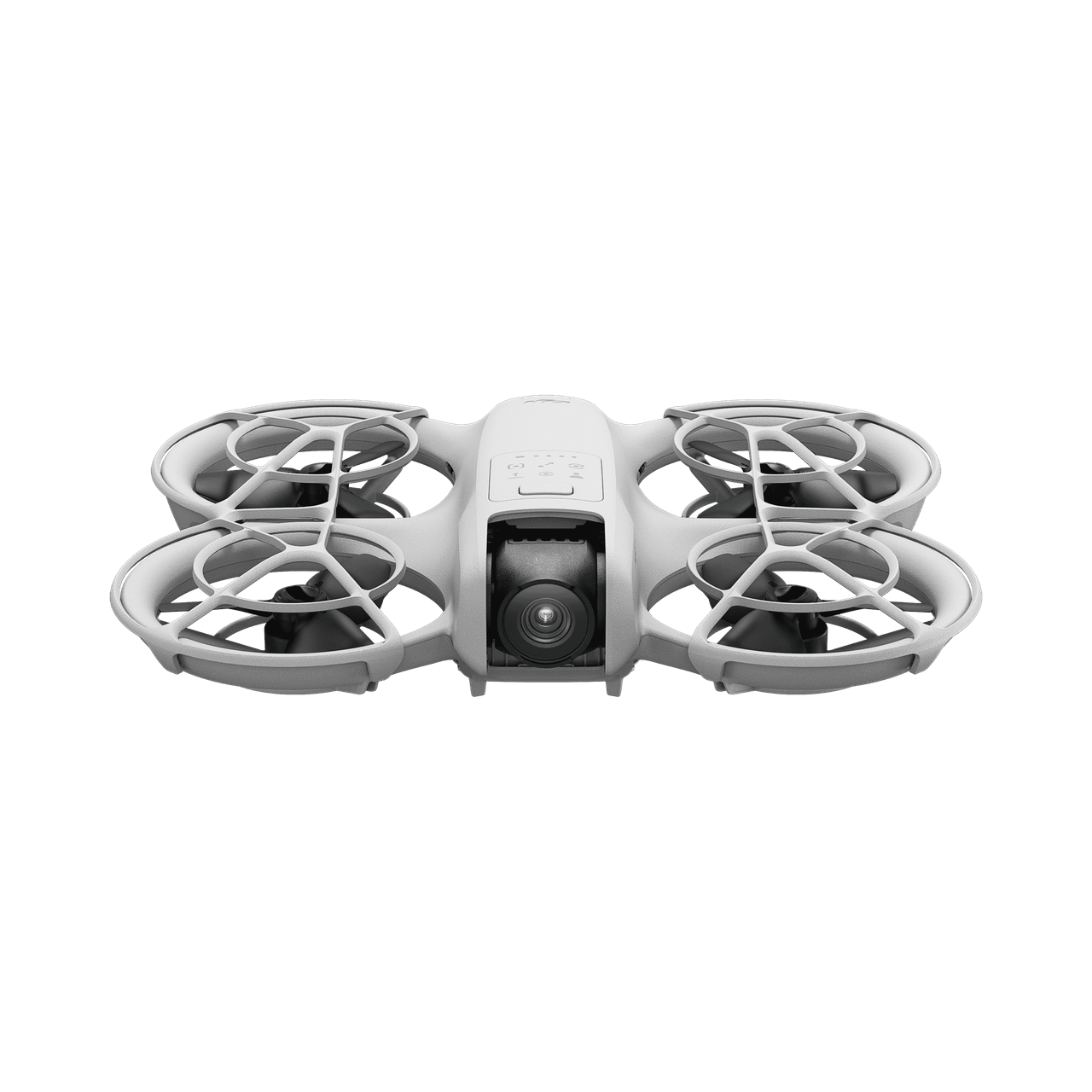
- Beginners on a tight budget
- Ease of use with pre-programmed flight modes
- Indoor flying with prop guards
- Quick deployment and portability
- Social media content creation
DJI NEO | Best Budget 250g Drone
For those seeking an affordable yet capable sub-250g drone, I consistently recommend the DJI NEO.
Recently released in September 2024, it has quickly become one of my favourite budget drones under 250 grams. It packs impressive features into a compact 135g frame, making it incredibly portable for on-the-go creators like myself.
What I love about the NEO is its user-friendly design. You don’t even need a remote controller; simply connect it to the DJI Fly app on your smartphone, and you’re ready to fly. This simplicity extends to its operation – I can power it on, select a quick shot mode, and capture stunning footage within 30 seconds.
| Feature | Specs |
|---|---|
| Flight Time | 18 min |
| Range | 6.2 km |
| Camera Sensor | 1/2″ CMOS 12MP |
| Max Video Resolution | 4K/30fps |
| Needs Drone License | No (sub-250g) |
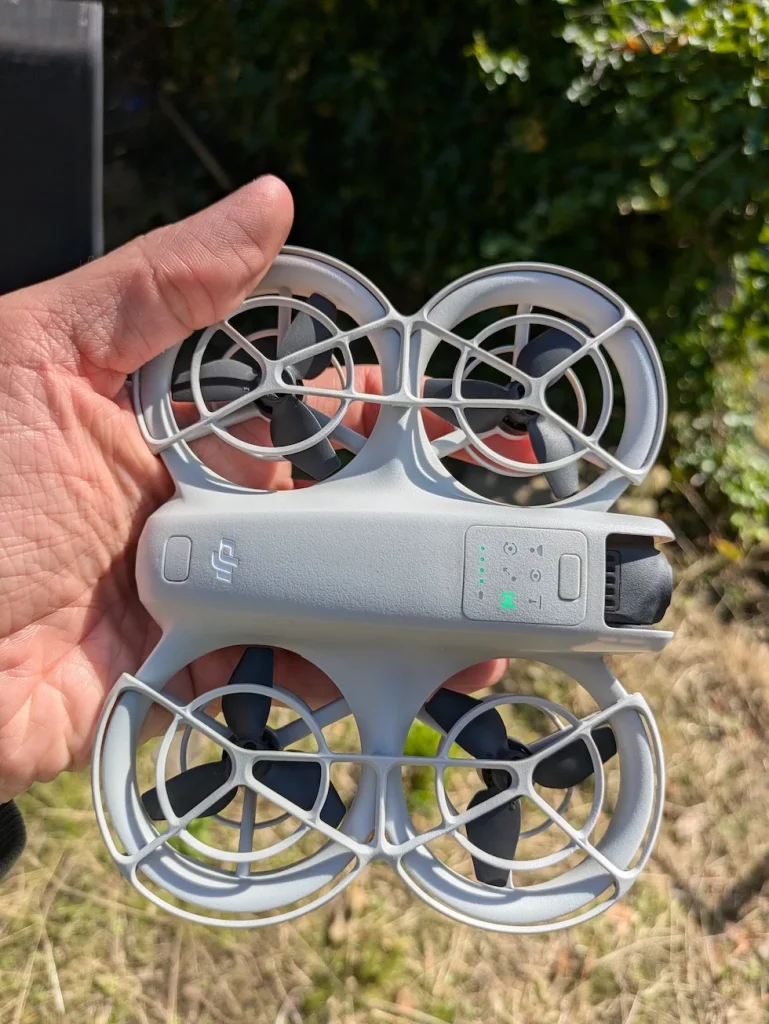
Safety is a priority with the NEO. The propeller guards are a standout feature, protecting both the drone and anything it might bump into during flight. This makes it perfect for beginners or when navigating tight spaces.
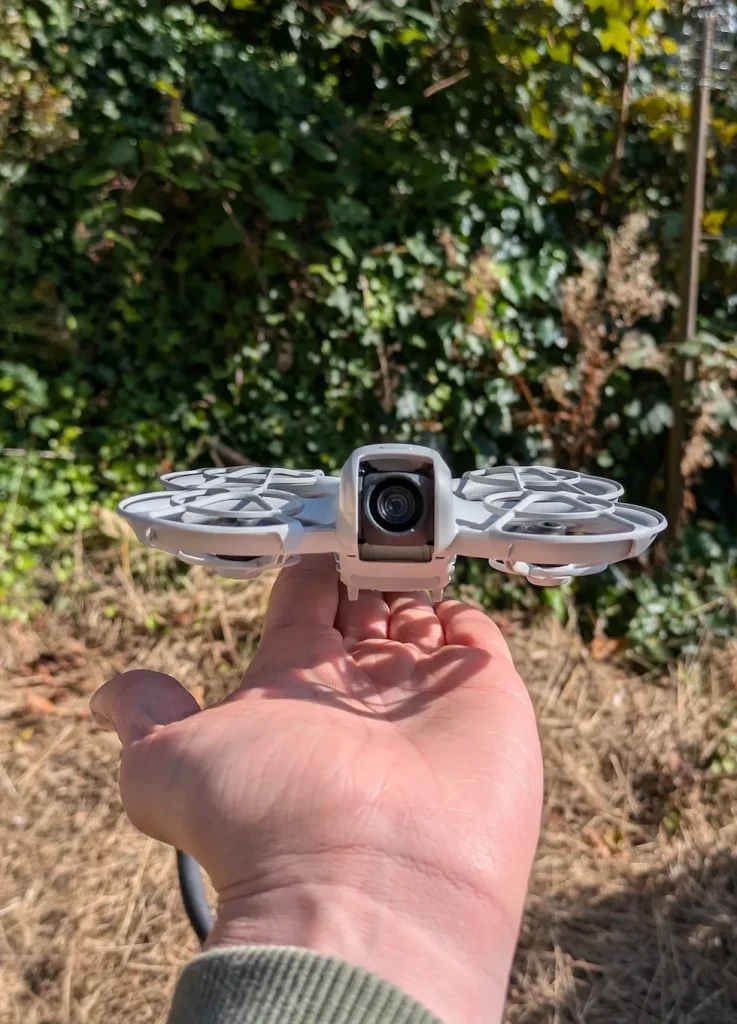
One of my favorite aspects is the palm launch and landing feature. I just press a button, choose my shooting mode, and the NEO takes care of the rest. Landing is smooth 90% of the time, with the drone accurately detecting my hand and stopping its rotors.
For new pilots, the NEO’s small size, protective design, and affordable price make it an attractive entry point into the world of drones. Its numerous safety mechanisms provide peace of mind, allowing you to focus on capturing great shots rather than worrying about crashes.
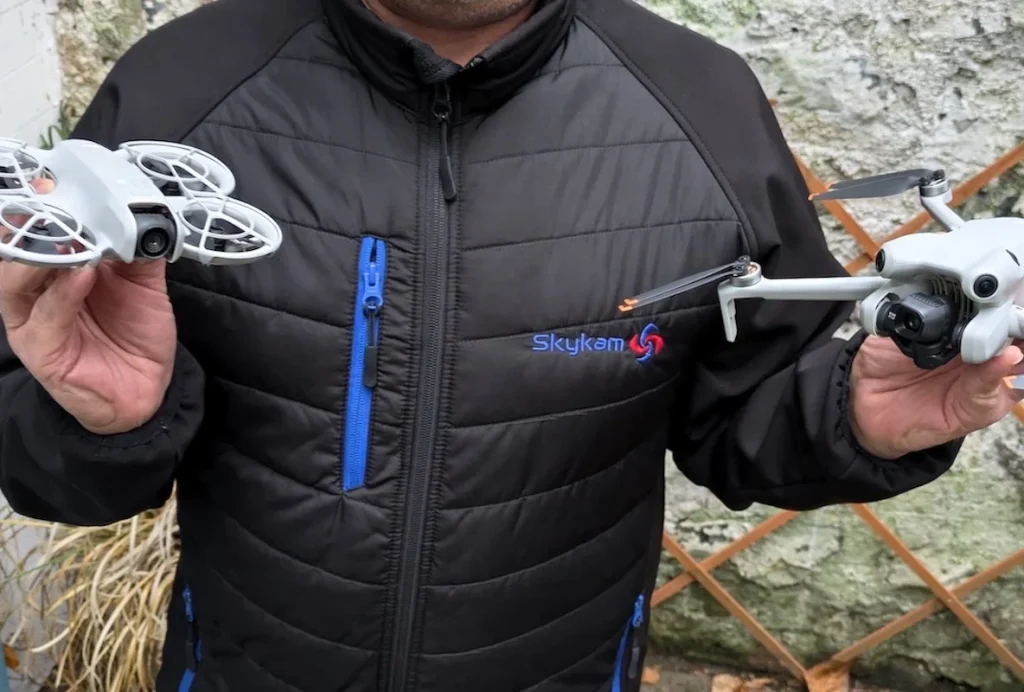
In my experience, the DJI NEO delivers impressive performance and fun factor, especially considering its budget-friendly price point. It’s a drone I thoroughly enjoy using and recommending to others.
Potensic Atom Is Best For
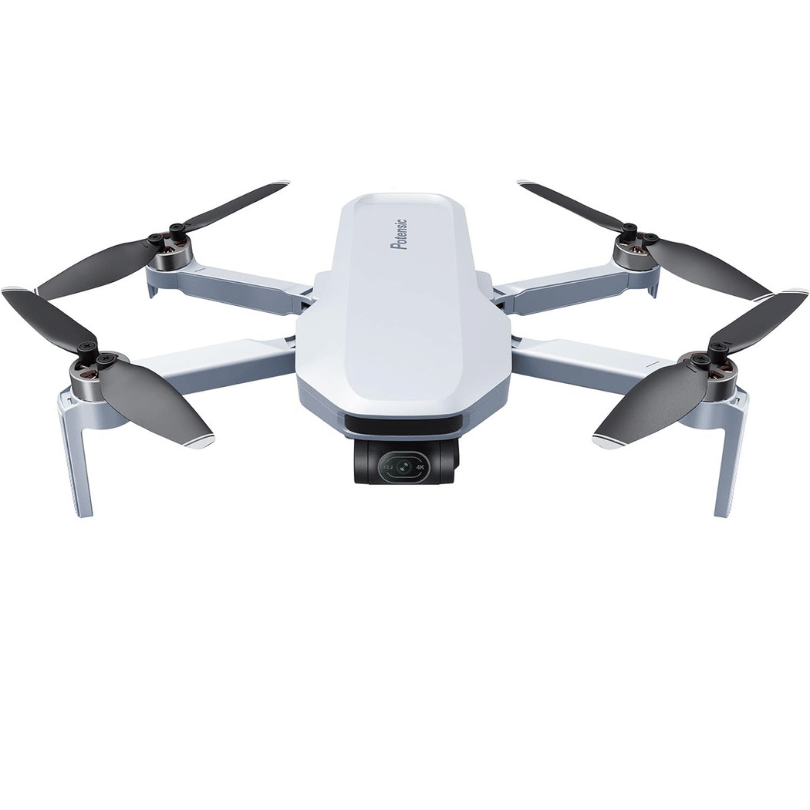
- Those seeking a DJI alternative
- Extended flight times
- Manual camera controls
- Value for money in features
Potensic ATOM | Best Non-DJI 250g Drone
The Potensic ATOM emerges as a compelling alternative to pricier options like the DJI Mini 4 Pro. As one of the best sub 250g drones, it’s designed with beginners in mind, offering a range of features that make it easy to fly and capture stunning footage.
I’ve found the ATOM’s automatic flight modes to be a game-changer for novice pilots. You can shoot exciting videos without mastering complex flying techniques.
| Feature | Specs |
|---|---|
| Flight Time | 31 min |
| Range | 4 km |
| Camera Sensor | 1/3″ CMOS 12MP |
| Max Video Resolution | 4K/30fps |
| Needs Drone License | No (sub-250g) |
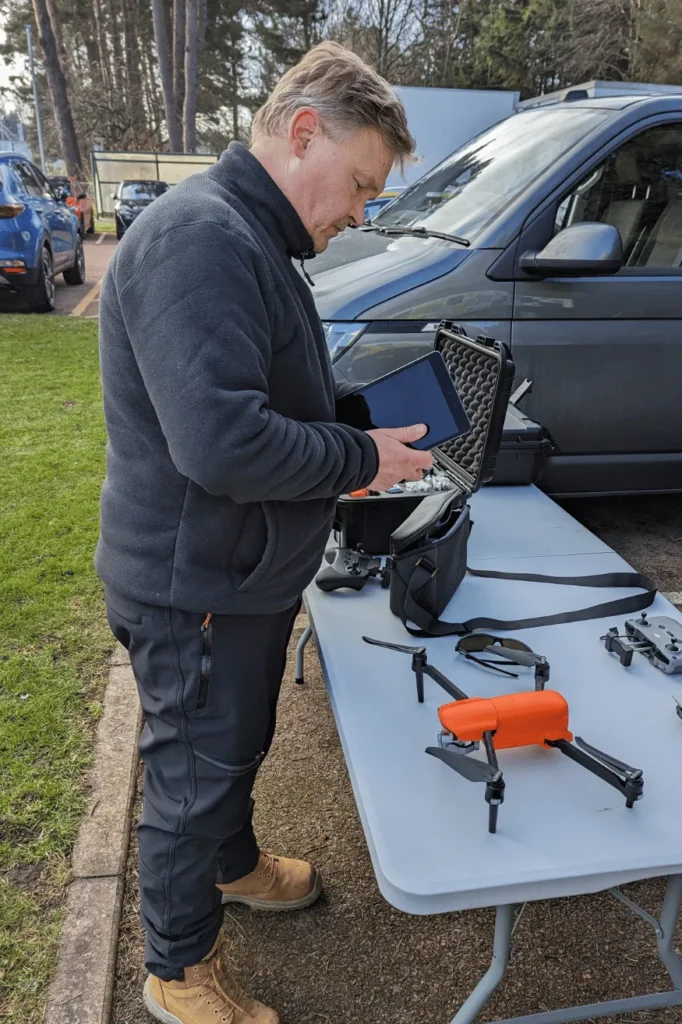
The one-tap takeoff and landing, stable hovering, and return-to-home features have given me confidence in controlling the drone, even as a beginner.
What I appreciate most is the beginner mode, which restricts flight distance and altitude. It’s perfect for getting comfortable with drone operation before exploring greater heights and distances.
In my experience, the ATOM’s responsiveness is impressive. It can zip around at over 13 mph, stop on a dime, and perform slow, graceful movements. The resulting videos are consistently high-quality, and the 4K video capability outshines the DJI Mini 2 SE’s 2.7K limit.
The controller is user-friendly, with a secure phone mount and easy folding mechanism. I’ve found the return-to-home function reliable, adding an extra layer of security during flights.
DJI Mini 2SE Is Best For
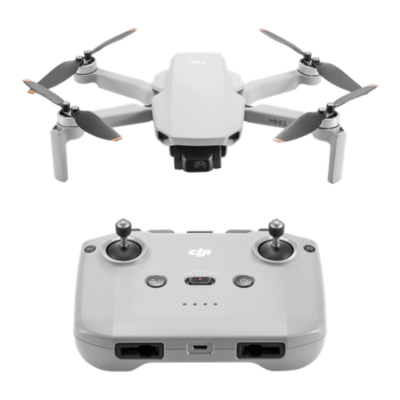
- Users who prioritize image quality on a budget
- Those who need longer flight times
- Content creators and vloggers on a budget
- Users who prefer manual control and traditional drone design
- Beginners looking for an easy-to-use, high-quality drone
DJI Mini 2 SE | Not Worth While In 2024
| Specification | Value |
|---|---|
| Flight Time | 31 min |
| Range | 10 km |
| Camera Sensor | 1/2.3″ CMOS 12MP |
| Max Video Resolution | 2.7K/30fps |
| Needs Drone License | No (sub-250g) |
While the Potensic ATOM offers excellent value, it’s worth comparing it to another popular sub-250g drone, the DJI Mini 2 SE. After extensive testing, I’ve found that the ATOM outperforms the Mini 2 SE in several key areas, making it a better choice for most users.
First, let’s talk about video quality.
The ATOM can shoot in 4K at 30fps, while the Mini 2 SE maxes out at 2.7K. This higher resolution gives you more flexibility in post-production and results in sharper footage overall. The ATOM’s 3-axis gimbal also delivers impressively stable images, rivaling even more expensive models.
Battery life is another area where the ATOM shines. I’ve consistently gotten 24-25 minutes of flight time per battery, compared to 18-22 minutes with the Mini 2 SE. This extra time can make a big difference when you’re out in the field.
The ATOM also packs in features typically found in pricier drones, like visual tracking and waypoints. To get these features with DJI, you’d need to upgrade to the Mini 4 Pro, which costs more than twice as much.
Perhaps most surprisingly, the ATOM is actually slightly less expensive than the Mini 2 SE. Given its superior video capabilities, longer flight time, and advanced features, I can’t recommend the Mini 2 SE when the ATOM is available at a lower price point.
For those seeking the best value in sub-250g drones, the Potensic ATOM is hard to beat.
DJI Mini 3 Is Best For
- Those who can find good clearance deals
- Vertical shooting for social media
- Slightly longer flight times (compared to Mini 4 Pro)
- Intermediate users upgrading from older models
- Users who don’t need the latest features but want quality
Mini 3 | It’s Being Phased Out In 2024
Despite their initial popularity, the DJI Mini 3 and Mini 3 Pro are facing an uncertain future in the drone market. As someone who’s been flying drones for years, I’ve noticed a significant shift in the availability of these models.
Recently, I’ve found them out of stock in many places, including the official DJI store. Even their accessories are becoming hard to find.
| Features | Specs |
|---|---|
| Flight Time | 34 min |
| Range | 12 km |
| Camera Sensor | 1/1.3″ CMOS 48MP |
| Max Video Resolution | 4K/60fps |
| Needs Drone License | No (sub-250g) |
This scarcity isn’t a coincidence. The Mini 3 series, now about two years old, seems to be getting phased out. In the fast-paced world of drone technology, this isn’t surprising. The industry typically sees new releases every 18 months, and the Mini 3 Pro is approaching 2.5 years old.
From a financial standpoint, this move makes sense. The price of the newer Mini 4 has dropped, and rumors of a Mini 5 are circulating.
It’s likely that sales of the Mini 3 series have declined to a point where continued production isn’t justified.
In my search for the best drones under 250g, I’ve come to see the Mini 3 and Mini 3 Pro as awkward middle-ground options. The base Mini 3 is significantly cheaper, while the Mini 4 offers more features for just a bit more money.
If you’re considering a Mini 3 or Mini 3 Pro, keep in mind that they’ll likely be relegated to the used and refurbished market within the next six months. While they’re still capable drones, you might want to consider newer options or wait for upcoming releases in the sub-250g category.
Hover Air x1 Is Best For
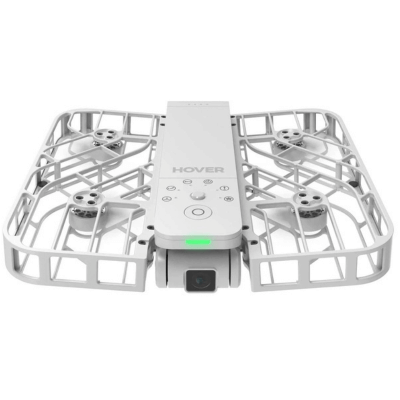
- Selfie enthusiasts and vloggers
- Compact, foldable design and portability
- Quick deployment and hand launches
- Automated flight modes without a controller
- Those prioritizing safety with enclosed propellers
Hover Air x1 | Replaced By DJI NEO in 2024
Until September 2023, the Hover Air x1 held a strong position in the sub-250g drone market. It offered a compact, lightweight design that appealed to many flyers looking for drones under 250g.
However, the landscape changed dramatically with the release of the DJI Neo.
I’ve had the chance to fly both drones, and the differences are striking. The DJI Neo has effectively outclassed the Hover Air x1 in several key areas.
| Specification | Value |
|---|---|
| Flight Time | 11 min |
| Range | 30 m |
| Camera Sensor | 12MP |
| Max Video Resolution | 2.7K/30fps |
| Needs Drone License | No (sub-250g) |
Firstly, the Neo is more budget-friendly, being about $100 cheaper than the hover X1. This price difference alone makes the Neo a more attractive option for many pilots.
But it’s not just about cost. The Neo boasts a longer flight time of 18 minutes, compared to the X1 Pro’s 16 minutes. This extra air time can make a significant difference when capturing content.
Additionally, the Neo’s build quality is more robust, giving it an edge in durability.
What really sets the Neo apart is its flight capabilities. It handles much like other DJI drones I’ve flown, with responsive controls and an impressive transmission range.
The option to add a standard DJI controller further extends its range and functionality.
While the Hover Air x1 was once a strong contender in the sub-250g category, the DJI Neo has raised the bar.
Its combination of lower price, longer flight time, and advanced features make it hard to recommend the X1 over the Neo for most users in the current market.
Conclusion
I’ve flown these drones extensively, and I’m confident in my recommendations.
The DJI Mini 4 Pro stands out as the top choice for features, while the DJI NEO offers great value. If you’re on a tight budget, consider the Potensic ATOM. Skip the Mini 2 SE and the phased-out Mini 3 series.
The Hover Air x1 was a contender until the NEO’s release. Remember, the drone market evolves quickly, so always check for the latest models and updates before making your decision.

