
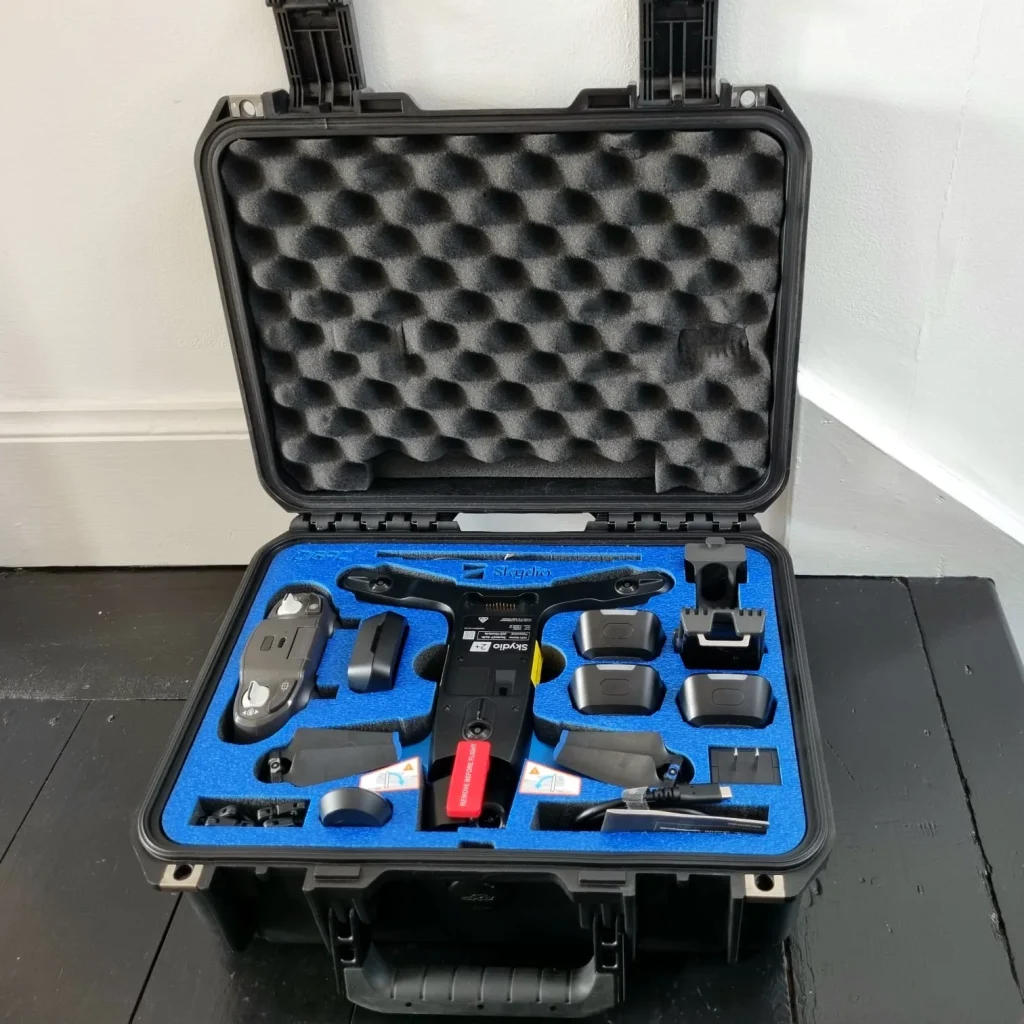

I’m James Leslie, founder of the nation’s largest drone service and a fireservice drone pilot. In my line of work, losing footage due to faulty drone SD cards isn’t just inconvenient – it can be catastrophic. Through years of experience, I’ve singled out my go to SD cards for drones, and I’m here to share that knowledge with you.
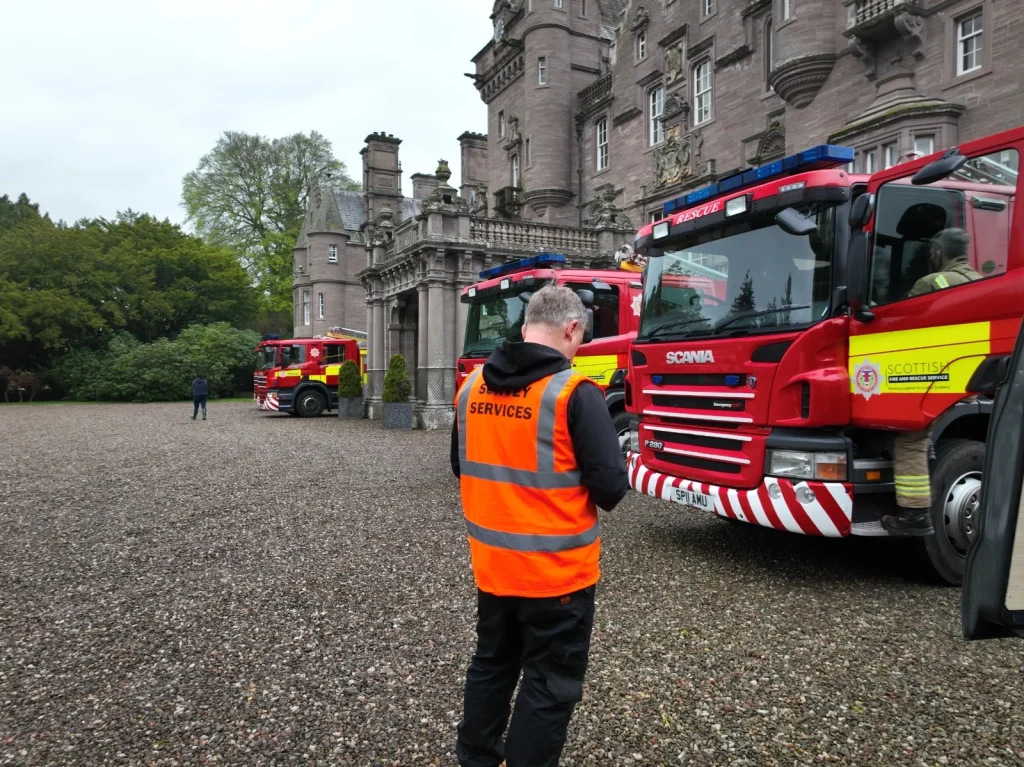
When choosing an SD card for my drone, I always opt for reliability and performance. I recommend the SanDisk Extreme or Samsung EVO series, ensuring they’re U3-rated or higher for smooth 4K video capture.
Faster write speeds (60-90 MB/s) prevent buffer overflows, while larger capacities (128GB+) allow extended recording without swapping. Durability is essential, so I look for cards that can withstand harsh conditions.
Be wary of fake SD cards, which can risk your footage and drone.
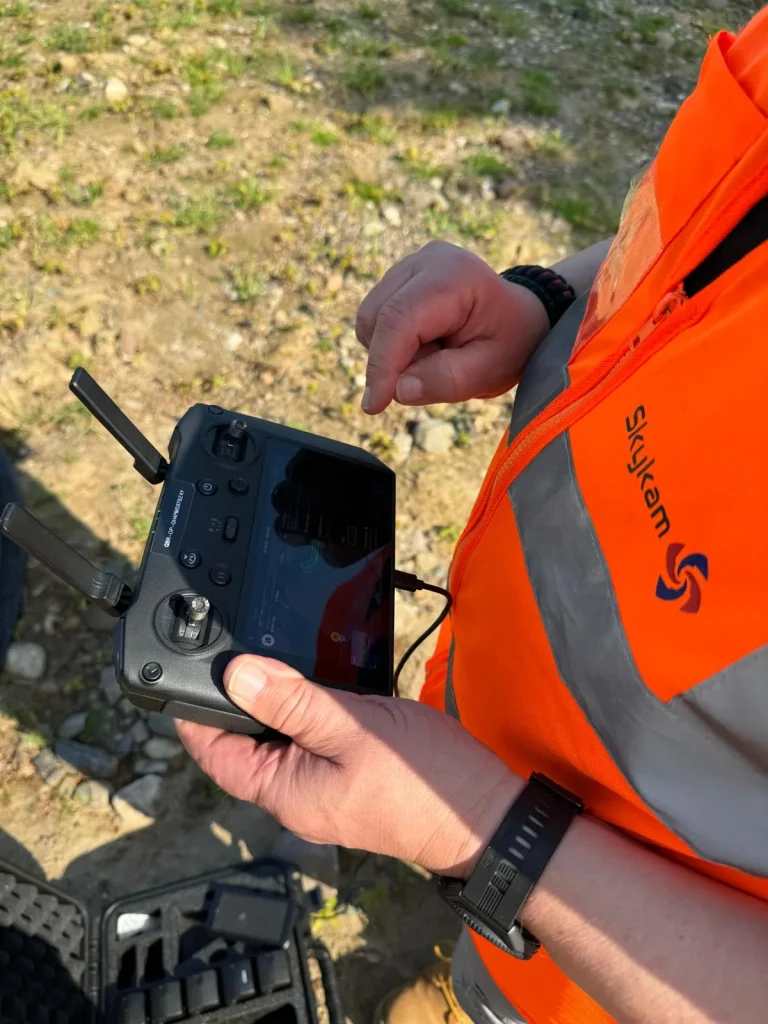
I’m james Leslie, a professional drone pilot. I know the pain of losing an entire day’s work due to a corrupted SD card. It not only costs you valuable time and money but can also jeopardize client relationships.
To avoid these risks, I‘ve compiled a list of the most reliable SD cards for drone photography and videography.
SanDisk Extreme 128Gb
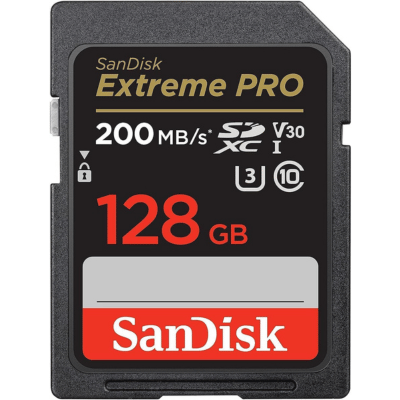
- Fast write speeds for smooth 4K video capture
- Compatible with all DJI drones
- Quick file transfers save time on location
- Improves workflow and protects valuable footage
SanDisk Extreme Series SD Card Are the Go To For My Drones
When it comes to SD cards for my drones, I always reach for the SanDisk Extreme series. These cards have proven to be reliable workhorses, especially for DJI drones, which I frequently use. The fast write speeds are essential for capturing 4K video without any hiccups, and I’ve found that the SanDisk Extreme delivers consistently.
I’ve tested these cards in various capacities, and they’ve never let me down. Whether I’m shooting a quick aerial survey or a full-day filming session, I can trust that I’ll have enough storage.
The 60 MB/s write and 90 MB/s read speeds are game-changers for my workflow. I can transfer files quickly, which is a huge time-saver when I’m on location or rushing to meet a deadline.
What really sets these cards apart is their durability. I’ve taken my drones into some pretty harsh environments, from dusty deserts to humid jungles, and the SanDisk Extreme has held up beautifully. It’s reassuring to know that my footage is safe, even in tough conditions.
For drone service providers, like myself, who rely on drones for clients or other platforms, the SanDisk Extreme is invaluable. I can often complete an entire shoot on a single 128GB card, streamlining my process and reducing the risk of losing or damaging multiple cards.
In my experience, investing in quality SD cards like the SanDisk Extreme series is non-negotiable for drone photography and videography.
They’ve improved my workflow, protected my data, and ultimately, enhanced the quality of my work.
Samsung EVO SD Card
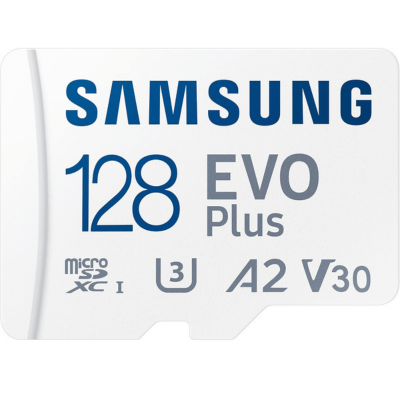
- Balanced performance and affordability for budget-conscious drone pilots
- Sufficient speed for smooth 1080p and 4K video recording
- Available in various capacities to suit different needs
- Slower transfer speeds than the San Disk SD card
Samsung EVO Series Are Also A Good Budget Alternative
For drone pilots on a budget, the Samsung EVO series offers an alternative to more expensive SD card options. These cards strike a great balance between performance and affordability, making them an excellent choice for many drone enthusiasts.
One of the standout features of the Samsung EVO series is its solid performance at a lower price point. While it may not match the top-tier transfer speeds of premium cards, it provides sufficient speed for smooth 1080p and 4K video recording. This makes it more than adequate for casual drone users and hobbyists like myself.
I particularly appreciate the EVO Plus variant, which offers faster speeds for 4K video recording. It’s a great option if you’re looking to step up your drone footage quality without breaking the bank.
Plus, the series is available in various capacities, so you can choose the size that best suits your needs and budget.
Durability is another factor I consider essential for drone SD cards, and Samsung’s reputation for reliability doesn’t disappoint. The EVO series is designed to withstand outdoor use, which is important for our aerial adventures.
What’s more, these cards are compatible with all DJI mini drone models, making them a versatile choice for many pilots.
Choosing The Right SD Card For Your Drone
When it comes to choosing the best SD card for your drone, there’s more to consider than just price and brand name. I’ve learned through countless flights and, unfortunately, a few hard lessons that the right SD card can make or break your aerial photography and videography.
Let me share the key factors I always look for to ensure my footage is safe, my shoots go smoothly, and my clients stay happy.
Choose U3 or higher for 4K video
When it comes to capturing 4k ultra high-resolution footage, speed class is essential. It determines how quickly data can be written to the card, which directly impacts the quality and consistency of your video recordings.
For 4K video, I recommend choosing an SD card with at least a UHS-I Speed Grade 3 (U3) rating. This guarantees a minimum write speed of 30 MB/s, which is suitable for most 4K video recording needs.
However, if you’re looking for even better performance, especially for higher frame rates or bitrates, consider cards with newer Video Speed Class ratings.
Video Speed Classes like V30, V60, and V90 indicate minimum write speeds of 30 MB/s, 60 MB/s, and 90 MB/s respectively. These higher speeds assure smooth video recording without dropped frames, which is essential when you’re capturing breathtaking aerial footage.
Why does this matter so much? Insufficient write speeds can lead to stuttering or incomplete footage.
There’s nothing worse than realizing your stunning drone shots are ruined by choppy playback or missing frames. By choosing a card with U3 or higher rating, you’re giving yourself the best chance at capturing flawless 4K video.
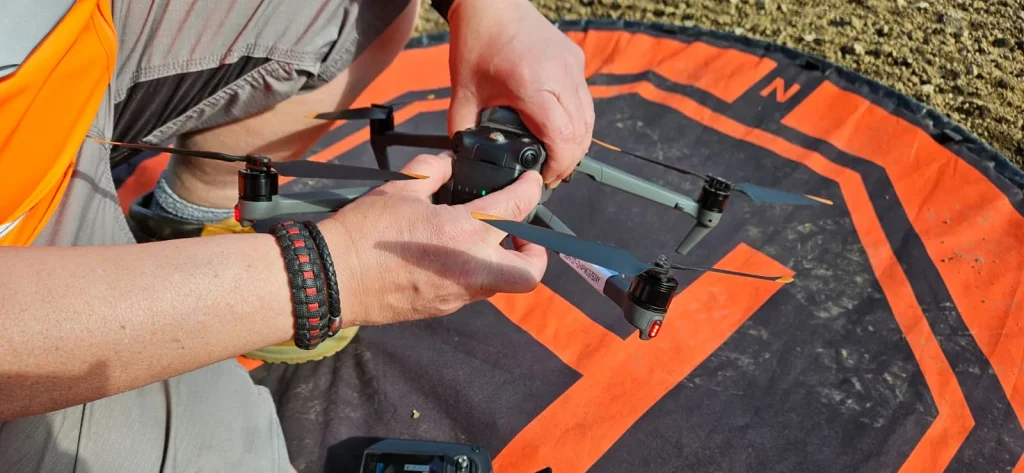
Larger capacity allows longer recording without swapping.
Capacity is king when it comes to drone SD cards. When you’re out flying your drone, the last thing you want is to run out of storage space mid-flight. That’s why choosing the right capacity for your needs is essential.
If you’re a casual user or typically take shorter flights, a 32GB to 64GB card might suffice. These capacities are suitable for capturing a decent amount of footage without breaking the bank.
However, if you’re a professional or planning longer recording sessions, I’d recommend opting for a 128GB to 256GB card.
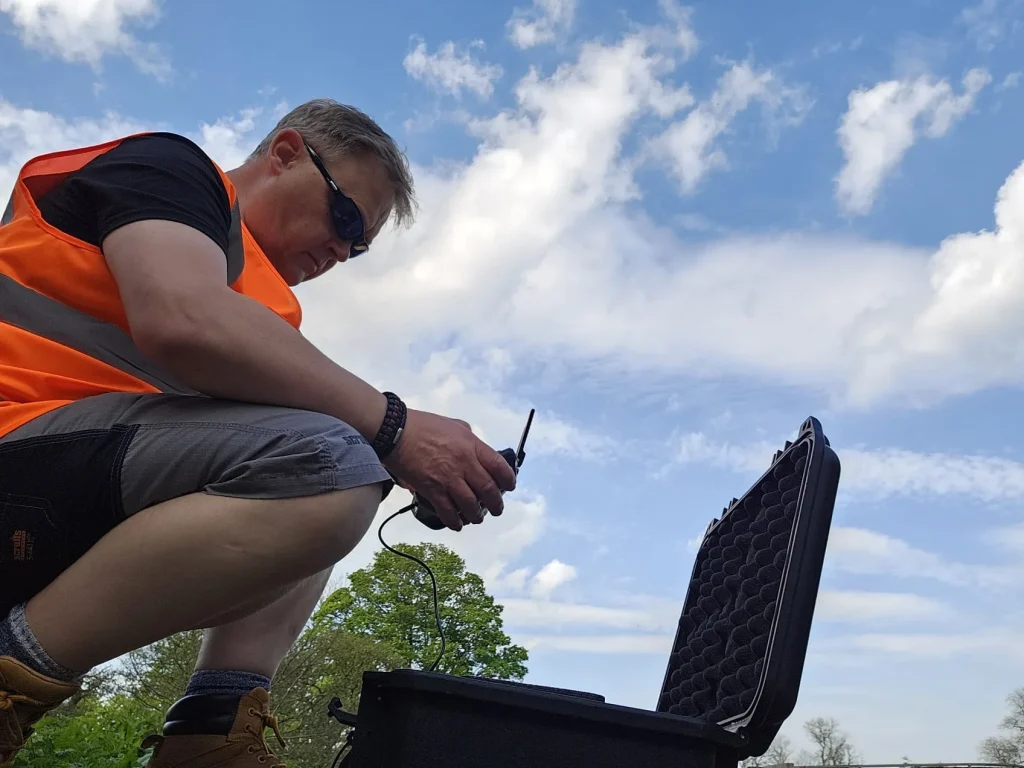
The reason capacity matters so much is simple: larger capacities allow you to record more footage without the need to swap cards. This is especially important during longer drone flights or full-day shooting sessions.
There’s nothing worse than when you’re capturing breathtaking aerial footage of a landscape, and suddenly your card fills up. You’d have to land your drone, switch out the card, and potentially miss out on some great shots.
By choosing a higher capacity card, you’re giving yourself more freedom and flexibility in the field. You won’t have to constantly worry about storage space or interrupt your creative flow to change cards.
This is particularly valuable for professional users who might be shooting for extended periods or in remote locations where swapping cards isn’t always convenient.
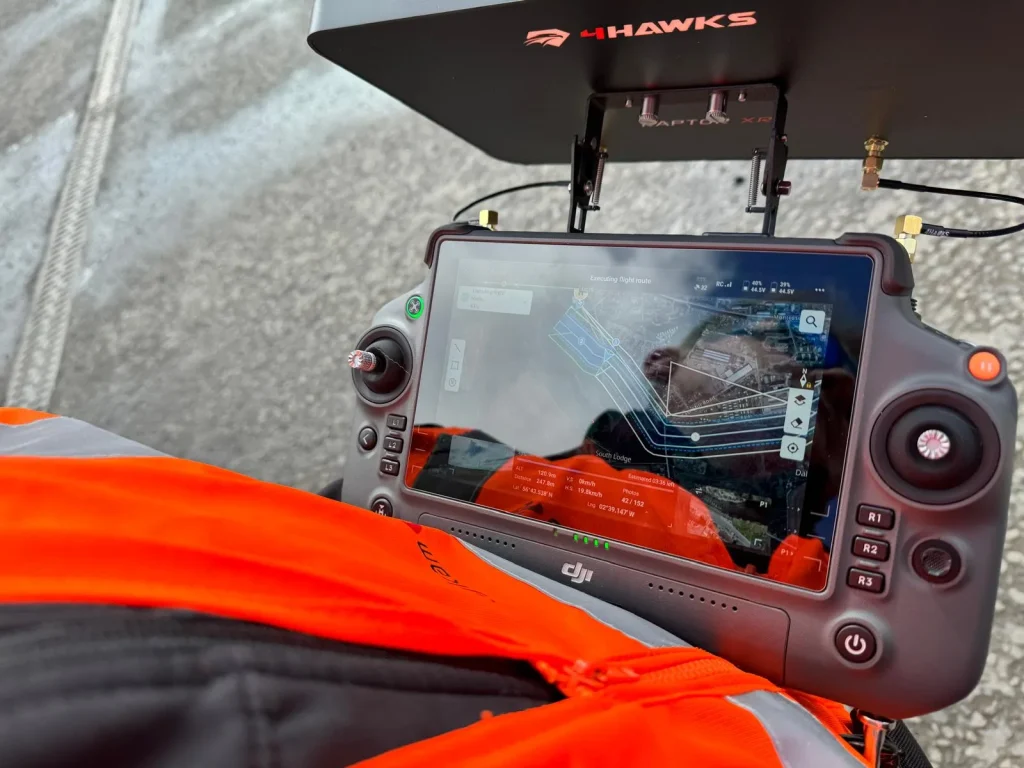
Faster write speeds prevent buffer overflows
Write speed is often overlooked but equally significant when selecting an SD card for your drone. It indicates how quickly data can be saved to the card, which is vital for smooth video recording, especially when capturing high-quality footage.
When you’re shooting 4K video with your drone, you’ll need an SD card with a minimum write speed of 30 MB/s. This baseline speed guarantees that your camera can keep up with the data flow from your recordings. However, if you’re planning to capture high-bitrate 4K or even 8K video, I’d recommend looking for cards with write speeds between 60-90 MB/s.
Why does write speed matter so much? It’s all about preventing buffer overflows.
Your camera’s buffer temporarily stores data before writing it to the SD card. If your card’s write speed is too slow, the buffer can fill up faster than it can be emptied, causing your camera to stop recording. This can be frustrating, especially if you’re in the middle of capturing an important shot.
Faster write speeds also give you more flexibility with your recording settings. You’ll be able to use higher quality settings without worrying about your card keeping up. This means you can capture more detailed, professional-looking footage.
When choosing an SD card for your drone, don’t just focus on capacity. Pay attention to the write speed as well. It’ll help guarantee you can record smoothly and take full advantage of your drone’s video capabilities without any unexpected interruptions.
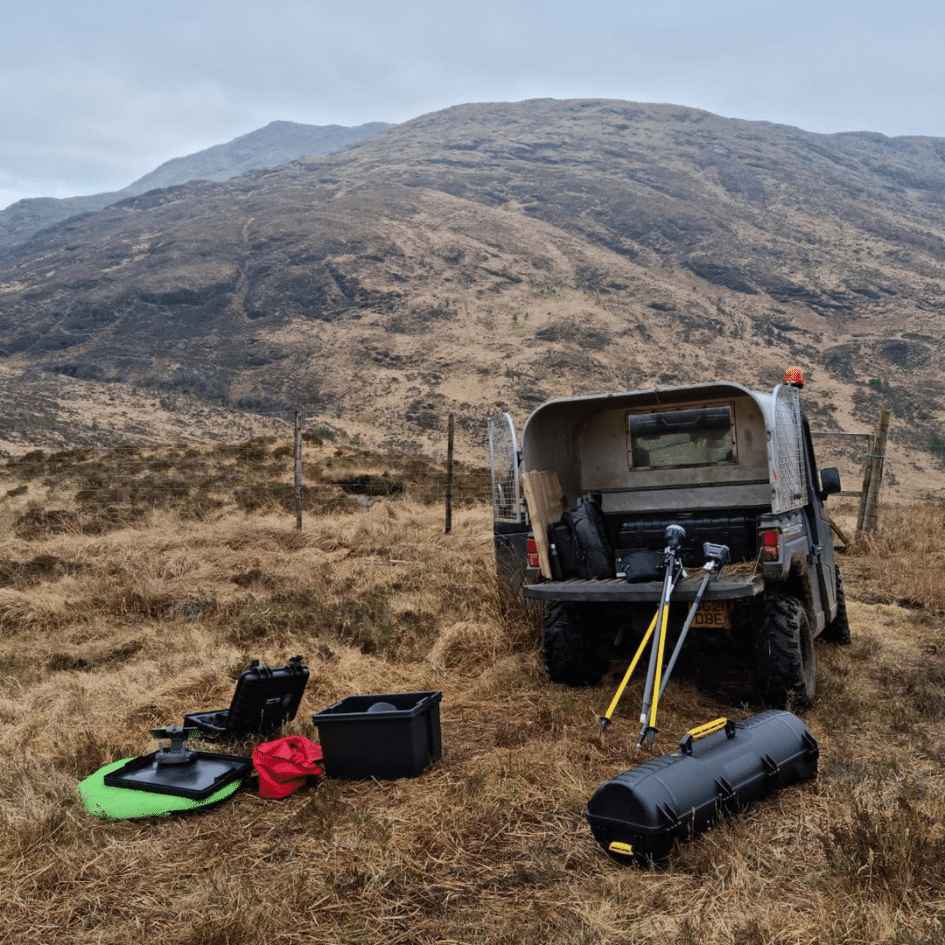
Pick durable SD cards for harsh drone conditions
When choosing an SD card for your drone, you’ll want to pick one that can withstand harsh conditions. Drones operate in various environments and are subject to vibrations and potential impacts, so a reliable card is essential to guarantee your footage remains safe.
I recommend looking for SD cards that are specifically designed to be shockproof, waterproof, and temperature-resistant. These features will protect your data from corruption due to accidental drops, unexpected rain, or extreme temperatures you might encounter during flights.
Reliability is key when it comes to SD cards for drones. You don’t want to risk losing valuable footage because of a fragile or poorly constructed card. That’s why I always suggest opting for reputable brands. These manufacturers often have better quality control processes and offer warranties, giving you peace of mind.
Remember, the harsh conditions your drone operates in can take a toll on your SD card. Vibrations from the drone’s motors, sudden impacts during landings, and exposure to various weather conditions can all potentially damage a less durable card.
By choosing a card that’s built to withstand these challenges, you’re investing in the safety of your data.
Don’t compromise on durability when selecting an SD card for your drone. A reliable, rugged card will guarantee that your footage remains intact, even in the most challenging situations.
It’s a small investment that can save you from the heartbreak of lost or corrupted data.
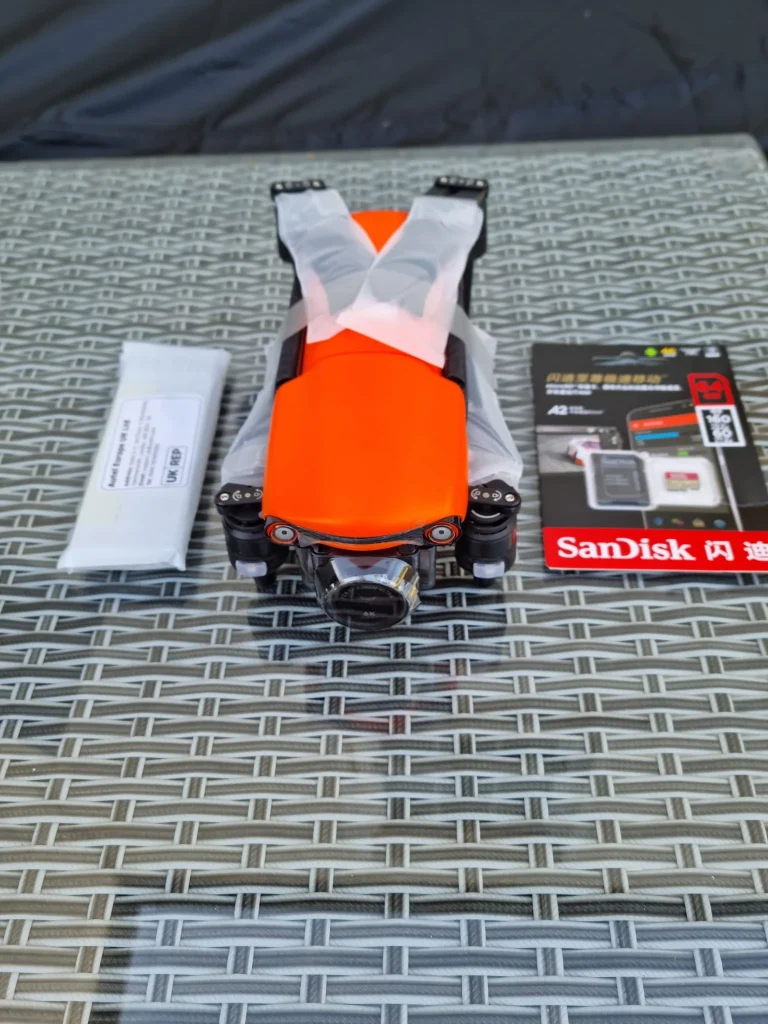
I have Fallen For Fake SD Cards Before, So Beware
Over the years, I’ve unfortunately fallen victim to fake SD cards, and I want to share my experience to help you avoid the same pitfall.
When shopping for SD cards for your drone, it’s vital to be vigilant, especially on online marketplaces where counterfeit products are rampant.
I’ve learned to scrutinize the packaging carefully. Look for inconsistencies in printing quality, blurry text, or misspellings. These are telltale signs of a fake. The physical appearance of the card itself can also reveal its authenticity. For instance, I once bought a “Samsung” card with black edges, only to discover later that genuine Samsung cards never have black edges.
Price is another indicator. If a deal seems too good to be true, it probably is. I’ve been burned by irresistibly low prices before, only to end up with subpar performance and reliability.
To guarantee you’re getting what you paid for, use software like H2testw to verify the card’s actual storage capacity. I’ve encountered cards claiming 128GB that only held 32GB of data.
Also, check the read/write speeds, as fakes often perform much slower than advertised.
Lastly, I can’t stress enough the importance of buying from reputable sellers or directly from manufacturers. It might cost a bit more, but the peace of mind and reliability are worth it.
Trust me, losing irreplaceable drone footage due to a faulty SD card is a frustrating experience you’ll want to avoid.
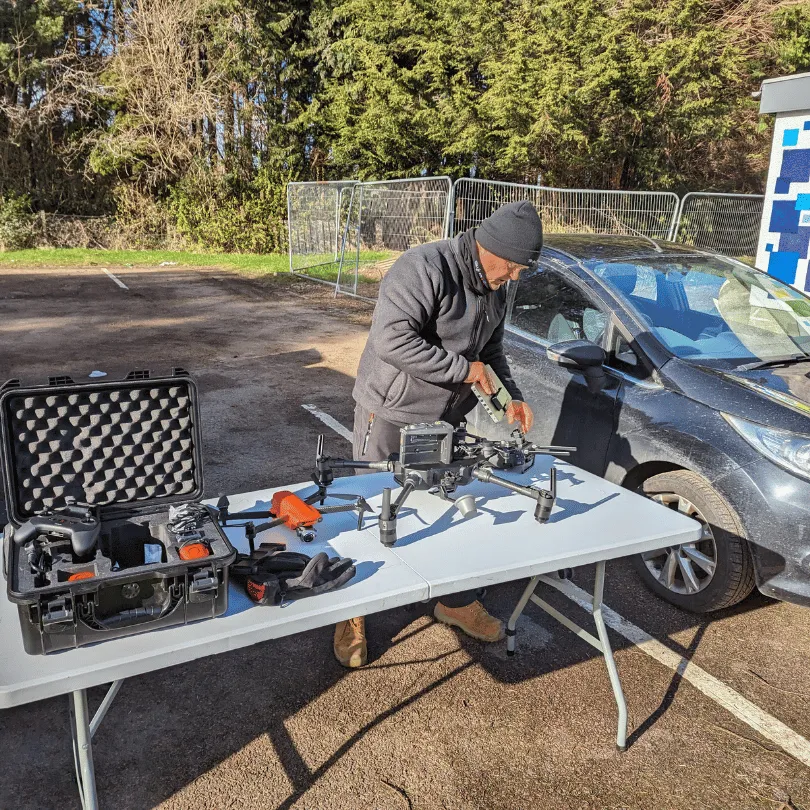
Risks of Using Fake SD Cards For Your Drone
A ticking time bomb lurks within every fake SD card you use in your drone. I’ve learned the hard way that these counterfeit cards can wreak havoc on your aerial photography and videography pursuits.
Let me share the risks you’re taking when you opt for a fake SD card.
First and foremost, you’re setting yourself up for devastating data loss. Fake cards may look like the real deal, but they’re far from it. They’ve considerably smaller storage capacities than advertised, which means you could lose precious footage mid-flight.
Imagine capturing a breathtaking sunset only to find out later that half of your video is missing.
You’ll also notice a considerable drop in your drone’s performance. These inferior cards have slower read/write speeds, causing your device to lag or even crash. This isn’t just frustrating; it’s dangerous. A sudden crash could lead to losing control of your drone, potentially damaging it or worse.
Don’t forget the financial aspect. You’re not getting what you paid for, plain and simple. It’s tempting to grab that suspiciously low-priced SD card, but trust me, it’s not worth the risk.
To protect yourself, always buy from trusted sources and be wary of deals that seem too good to be true. Use verification apps like SD Insight on Android to check card authenticity.
You can also test the card’s actual capacity by filling it with data.
I Store All My Drone SD Cards In A Carry Case
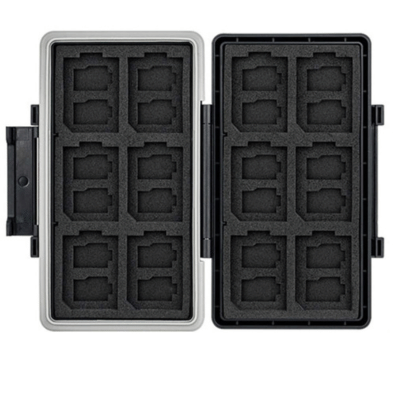
- Organize cards for quick and easy access during shoots
- Protect SD cards from dust, moisture, and physical damage
- Prevent misplacing cards by keeping them all together
- Invest in a quality case to protect client footage and streamline workflow
I Like To Use A SD Carry Case For All My SD Cards
Throughout my drone photography journey, I’ve come to rely on a trusty SD card carry case for all my memory cards. It’s a simple yet effective solution that has saved me countless headaches and potential losses.
I’ve found that using a dedicated carry case offers several advantages. First, it keeps all my SD cards organized and easily accessible. When I’m out in the field, I can quickly swap cards without fumbling through my pockets or bag. This efficiency is vital, especially when I’m racing against the clock to capture that perfect shot.
Protection is another key benefit. My carry case shields the cards from dust, moisture, and physical damage. I’ve had close calls with dropping cards or exposing them to the elements, but my case has prevented any disasters.
I also appreciate the peace of mind it provides. With all my cards in one place, I’m less likely to misplace or forget them. Plus, I can easily see which cards are full and which are empty at a glance.
When choosing a case, I look for one that’s durable, water-resistant, and compact. I prefer cases with individual slots for each card and a secure closure mechanism. Some even come with labels or color-coding options, which I find helpful for organizing different projects or drone models.
In my experience, investing in a quality SD card carry case is well worth it. It’s a small step that can make a big difference in protecting your valuable footage and streamlining your workflow.
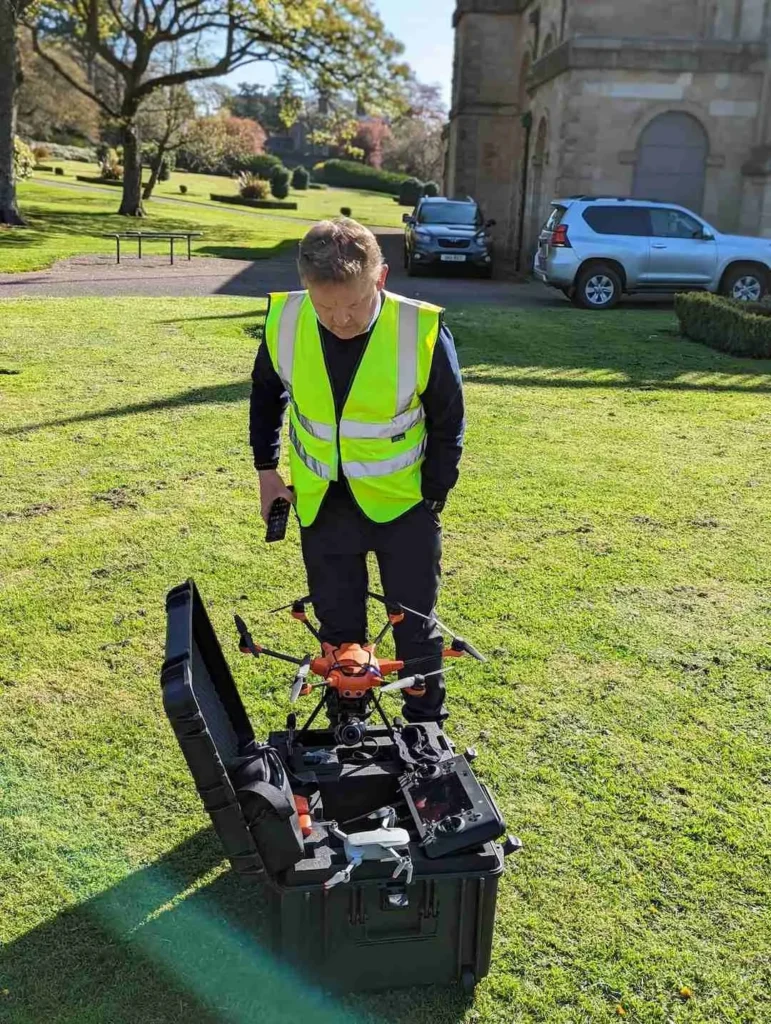
Conclusion
I’ve learned the hard way that choosing the right SD card for your drone is essential. I always go for high-quality, fast cards like SanDisk Extreme or Samsung EVO. Remember, U3 or higher is a must for 4K video. Don’t skimp on capacity or write speed, and always buy from reputable sources to avoid fakes.
I keep my cards organized in a carry case. Trust me, investing in the right SD card will save you headaches and protect your precious footage.

