
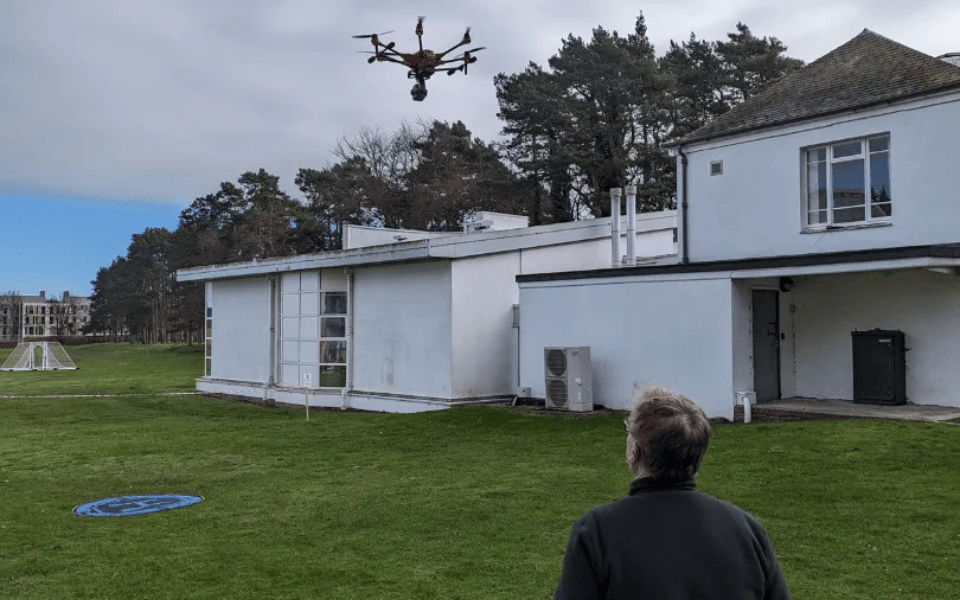
You’ve got your new drone and your garden seems like the perfect place to start flying, but is it legal in the UK? The answer isn’t as straightforward as you might hope.
While sub-250g drones offer more freedom, there are still important considerations about privacy, trespass, and flight restriction zones that could affect your backyard flights.
Understanding these nuances will help you avoid potential fines and neighbour disputes.
30 Second Summary
- Sub-250g drones can be flown in UK gardens without distance restrictions from uninvolved people or buildings.
- You must maintain visual line of sight with your drone and respect neighbors’ privacy.
- Gardens within flight restriction zones near airports or sensitive areas are off-limits for drone flights.
- Flying too low over neighboring properties may constitute trespass; maintain at least 50m altitude when crossing boundaries.
- Drones weighing 250g or more require 50-meter distance from people and buildings, making them impractical for most gardens.
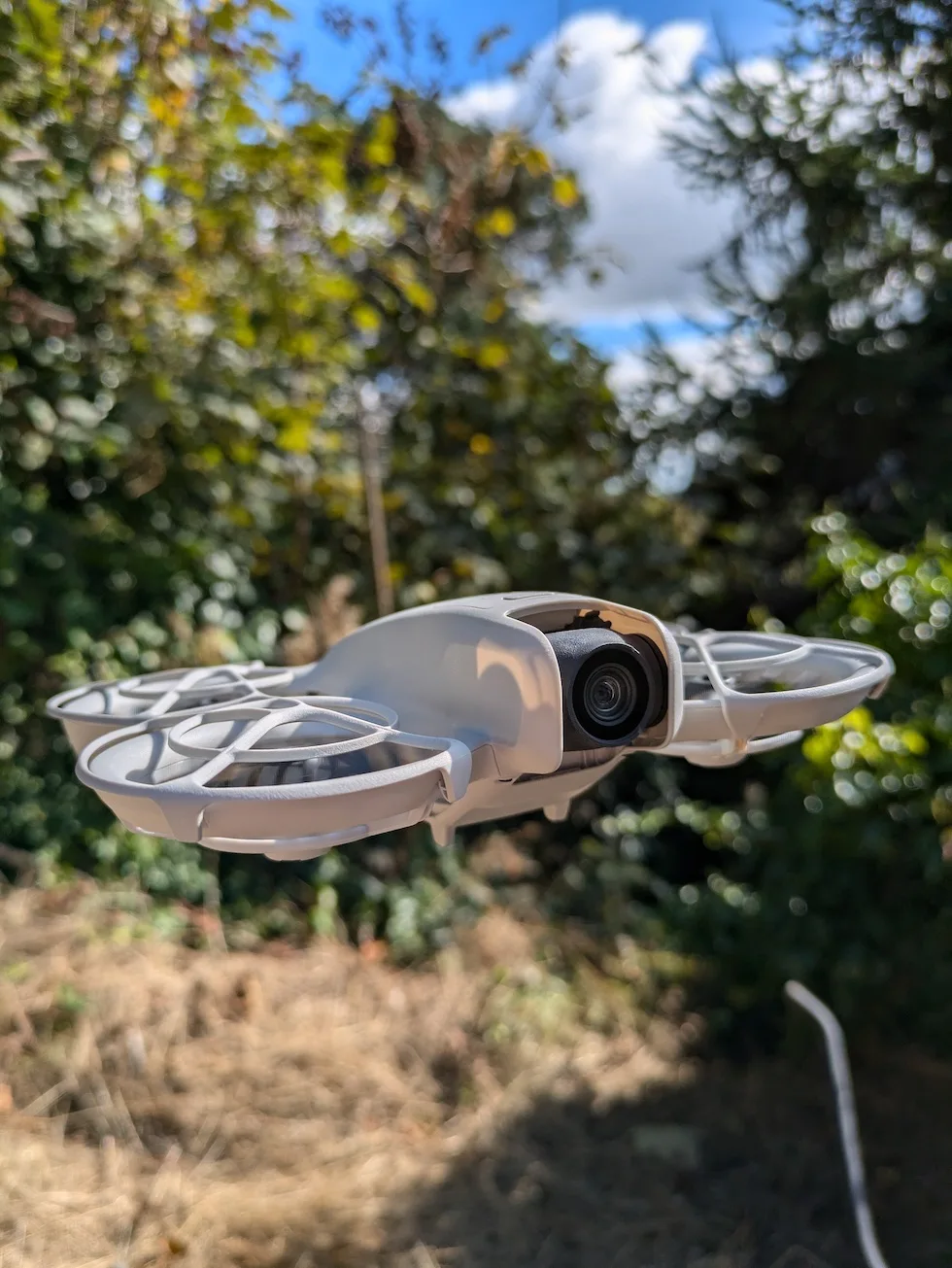
Sub-250g Drones Can Be Flown From UK Gardens With Certain Conditions
Three key changes to UK drone regulations have made flying from your garden much easier for owners of sub-250g drones. The most significant change removed the minimum separation distances previously required between your drone and uninvolved people or buildings.
This means you can now legally fly lightweight drones like the DJI Mini 2 directly from your garden space without worrying about these distance restrictions. However, drone safety remains paramount despite these relaxed rules.
You’re still responsible for flying safely and considerately. Ensure you maintain visual line of sight with your drone at all times, respect neighbors’ privacy, and avoid creating a nuisance. While your garden is now a legal takeoff point, remember that responsible flying helps preserve these freedoms for all drone enthusiasts.
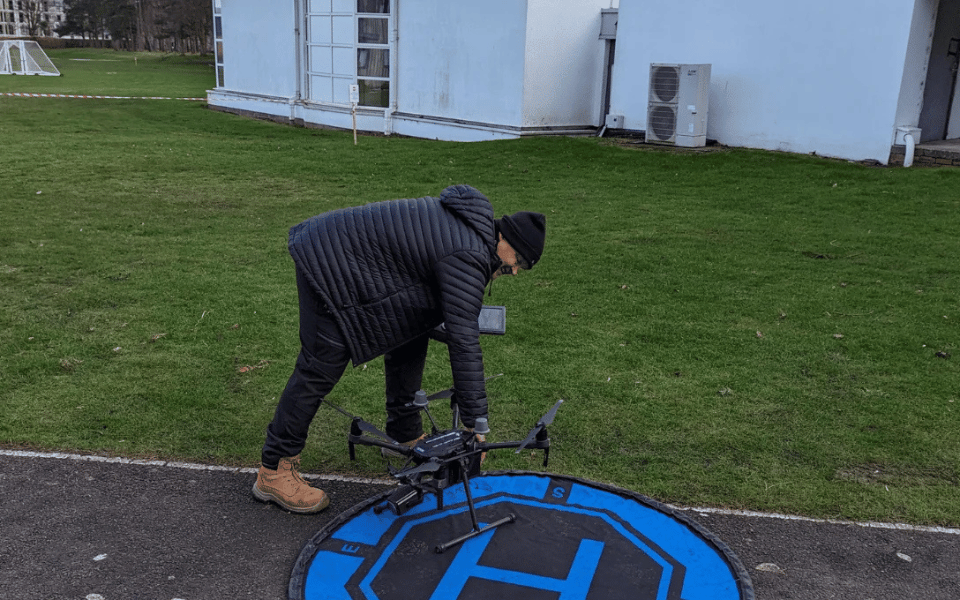
Check For Flight Restriction Zones Before Launching Your Drone
Even with the relaxed rules for sub-250g drones, your garden may still be off-limits if it’s located within a flight restriction zone. These zones typically surround airports, heliports, and other sensitive areas where drone flight is completely prohibited regardless of your drone’s weight or how high you plan to fly.
Before launching your drone, download the recommended Drone Assist app to verify if your garden falls within any restricted airspace. This simple check can save you from accidentally violating drone regulations and facing potential penalties.
Additionally, don’t forget to check for temporary flight restrictions by monitoring NOTAMs through the CAA Skywise service. These restrictions may be implemented during special events or emergency situations and can affect your ability to legally fly in your garden.
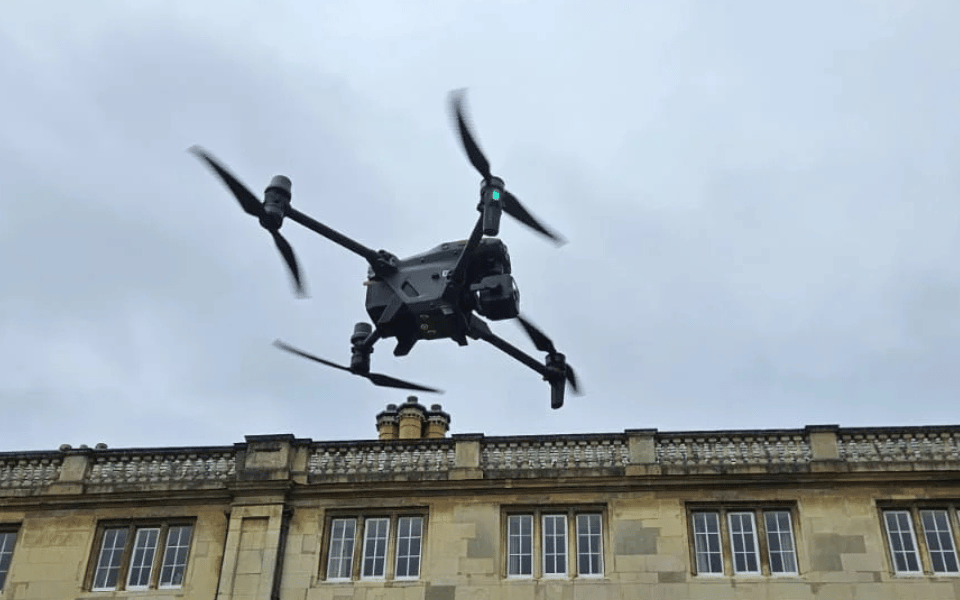
Consider Trespass Laws When Flying A Drone Over Neighboring Properties
While checking for flight restriction zones addresses legal considerations related to airspace, you also need to understand how property rights affect drone operations. The Civil Aviation Act (Section 76) specifically deals with trespass implications when flying over others’ property.
Your drone must maintain a “reasonable height” when crossing property boundaries. Flying too low over neighboring gardens could constitute trespass if it interferes with their enjoyment of their property. This doesn’t mean you can’t fly near neighbors, but you should be mindful of their rights.
A practical approach is to gain sufficient altitude before crossing into adjacent properties. The recommended guideline is to climb to at least 50m after takeoff before transitioning over property lines. This helps ensure you’re operating legally while still enjoying your drone activities.
Maintain Positive Neighbor Relations To Avoid Confrontation
How you communicate with neighbors about your drone activities can make all the difference between peaceful flying and ongoing disputes. Even when you’re legally within your rights to fly from your garden, practicing good neighborhood etiquette can prevent unnecessary conflict.
Consider leaving notes with your contact information for nearby residents before your first flights. This friendly communication approach demonstrates respect and openness. The extra effort often yields positive results—some drone operators report that neighbors become interested in their hobby and occasionally even request aerial photos of their own properties.
Remember that perception matters as much as legality. A neighbor who feels consulted and respected is less likely to complain about occasional drone flights than one who feels their privacy has been suddenly invaded without warning.
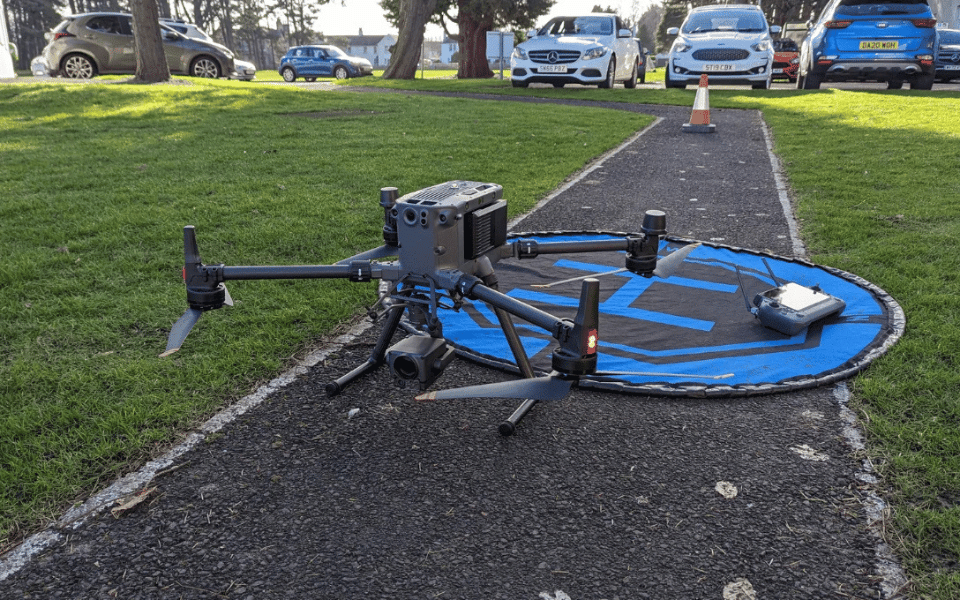
Heavier Drones Face Stricter Distance Restrictions from Buildings and People
Beyond neighbor relations, UK drone pilots must carefully consider weight-based flight restrictions. If your drone weighs 250g or more, you’re legally required to maintain a minimum 50-meter distance from people, vehicles, and buildings not under your control. This restriction creates a cylindrical no-fly zone that extends vertically to the maximum legal height limit.
For garden flying, this means heavier drones are effectively prohibited in typical residential settings unless you have an unusually large property. The 50-meter rule applies in all directions—front, back, sides, and upward—significantly limiting where you can legally operate. These regulations prioritize flight safety by creating buffer zones around potential hazards and uninvolved persons. When selecting a drone, consider how its weight classification will impact where you can legally fly it.
Conclusion
You can fly your sub-250g drone in your garden as long as you maintain visual line of sight and respect privacy. Always check for flight restriction zones before takeoff, especially near airports. Be mindful of trespass laws when flying over neighboring properties, and consider discussing your hobby with neighbors to prevent disputes. Remember that drones over 250g face stricter regulations regarding distance from buildings and people.

