
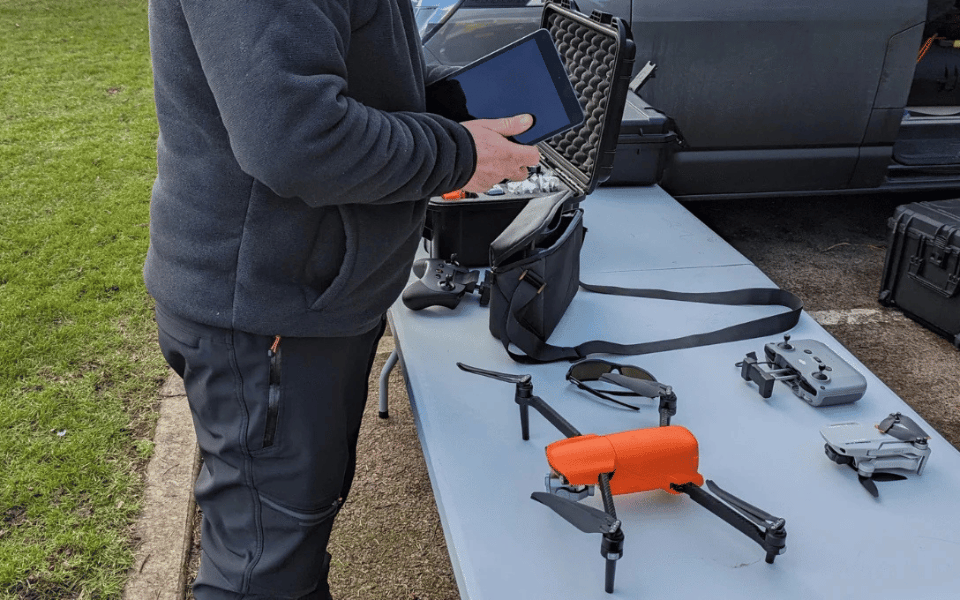

Yes you can take a drone on a plane, but you’ll need to follow specific guidelines. Most airlines allow drones in carry-on luggage, but you must pack batteries separately and adhere to watt-hour limitations. Always pack lithium batteries in your carry-on, never in checked bags. Inform TSA agents about your drone for smoother processing.
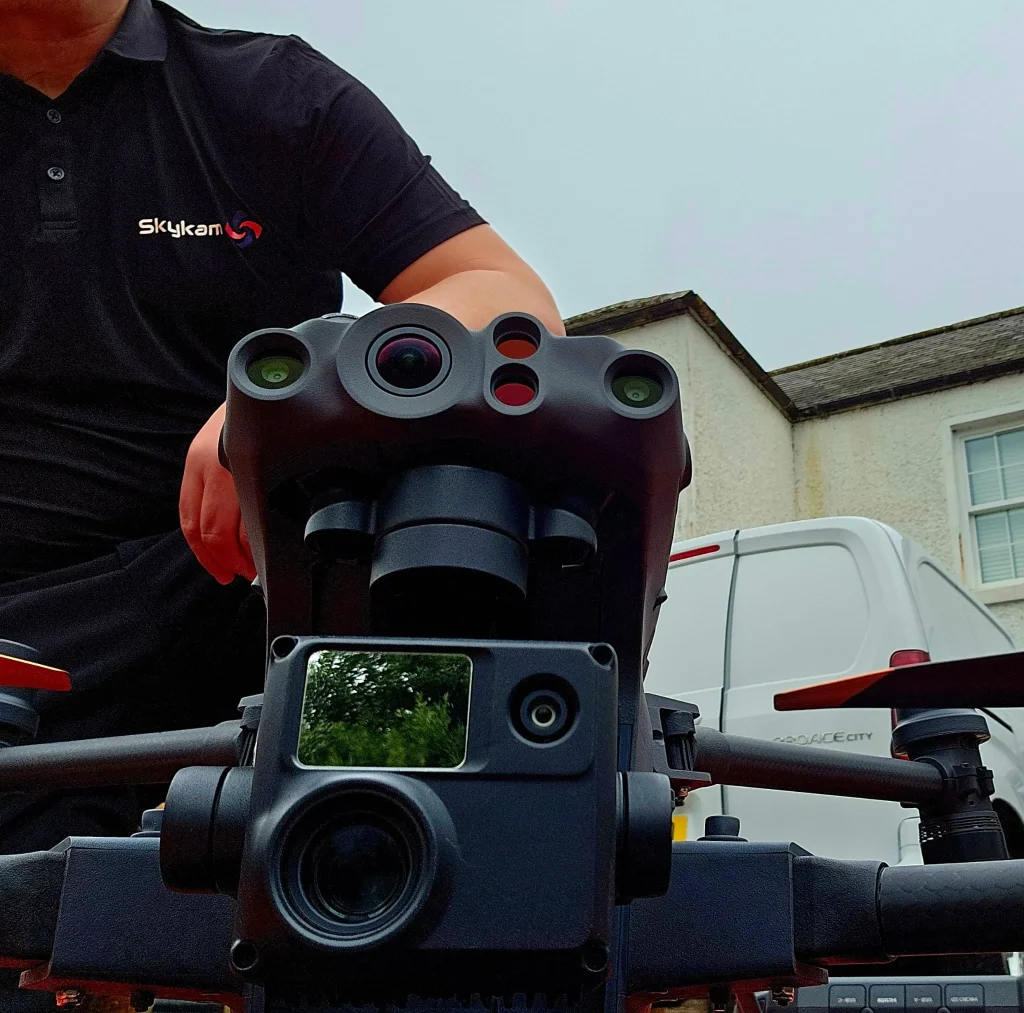
For international travel, research destination country regulations, as some may prohibit drones entirely. Arrive early at the airport to accommodate potential additional screenings. Pack your drone securely and carry necessary documentation.
By following these tips, you’ll be well-prepared for a hassle-free journey with your drone.
Important Note: Airline policies can change. Always double-check the specific airline’s current regulations directly before your flight. Battery rules often involve specific watt-hour (Wh) limits and requirements for protection against short circuits (e.g., taping terminals, original packaging, LiPo bags). “Carry-on” implies batteries travel in the cabin; “Checked” means the drone body might go in the hold, but batteries usually still need to be in carry-on.
| Airline | Drone Allowed? | Placement (Drone Body / Batteries) |
|---|---|---|
| AirAsia | Yes | Checked / Carry-on |
| Aer Lingus | Yes | Carry-on Only |
| Air Canada | Yes | Carry-on / Carry-on OR Checked / Carry-on |
| Air China | Yes | Checked / Carry-on |
| Air France | Yes | Carry-on or Checked / Carry-on (spares only) |
| Air India | Yes | Checked / Carry-on |
| Air New Zealand | Yes | Carry-on or Checked / Carry-on |
| Alaska Airlines | Yes | Carry-on (preferred) OR Checked / Carry-on |
| All Nippon Airways (ANA) | Yes | Carry-on Only |
| American Airlines | Yes | Carry-on Only |
| Asiana Airlines | Yes | Check with airline / Carry-on |
| Austrian Airlines | Yes | Carry-on (preferred) / Carry-on |
| British Airways | Yes | Carry-on OR Checked / Carry-on |
| Brussels Airlines | Yes | Carry-on (preferred) OR Checked / Carry-on |
| Cathay Pacific | Yes | Carry-on OR Checked / Carry-on |
| Cebu Pacific | Yes | Carry-on / Carry-on |
| Delta Airlines | Yes | Carry-on Only |
| EasyJet | Yes | Carry-on / Carry-on |
| Emirates | No / Yes | Checked Only / Carry-on or Secured in Drone (Checked) |
| Etihad Airways | Yes | Carry-on / Carry-on |
| Finnair | Yes | Carry-on or Checked / Carry-on Only |
| JetBlue Airways | Yes | Carry-on or Checked / Carry-on |
| Jet2 Airline | Yes | Carry-on or Checked / Carry-on |
| KLM | No | Neither |
| Korean Air | No / Yes | Checked Only (conditions apply) / Carry-on likely |
| Lufthansa | Yes | Carry-on (preferred) or Checked / Carry-on |
| Malaysia Airlines | Yes | Checked / Carry-on |
| Norwegian Air Shuttle | Yes | Carry-on / Carry-on |
| Philippine Airlines | Yes | Carry-on / Carry-on |
| Qantas Airline | Yes | Carry-on or Checked / Carry-on Only (spares) |
| Qatar Airways | Yes | Carry-on Only |
| Royal Brunei | Yes | Carry-on (recommended) or Checked / Carry-on |
| Ryanair | Yes | Carry-on / Carry-on |
| Saudia Airlines | No / Maybe | Checked Only (maybe) / Check Directly |
| Singapore Airlines | Yes | Carry-on / Carry-on |
| Southwest Airlines | Yes | Carry-on Only |
| Sri Lankan Airlines | Yes | Carry-on or Checked / Carry-on |
| Swiss International | Yes | Carry-on (preferred) or Checked / Carry-on |
| TAP Portugal | No / Yes | Checked Only / Carry-on |
| Turkish Airlines | Yes | Carry-on / Carry-on |
| TUI Airline | Yes | Carry-on / Carry-on OR Checked / Carry-on |
| United Airlines | Yes | Carry-on or Checked / Carry-on Only |
| Vietnam Airlines | Yes | Carry-on / Carry-on |
| Virgin Atlantic | Yes | Carry-on or Checked / Carry-on |
| Wizz Airline | No | Neither |
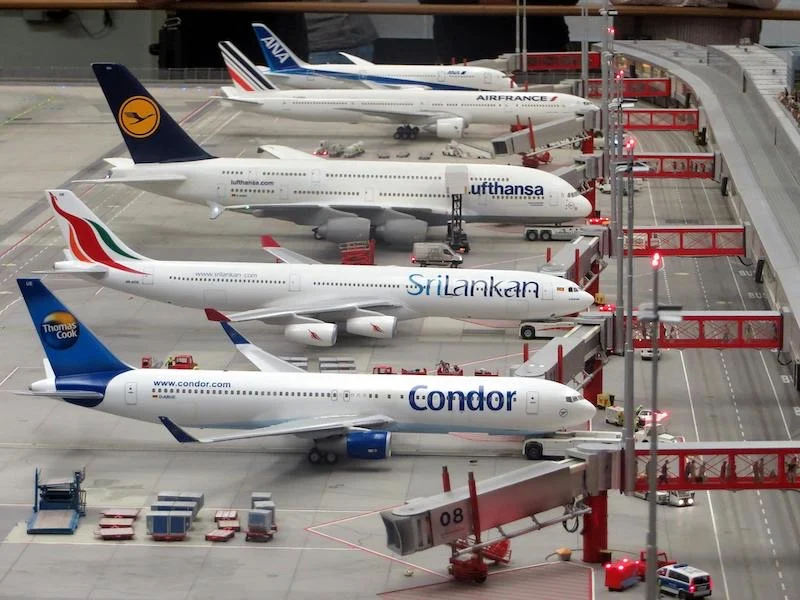
Each airline maintains its own guidelines for carrying drones aboard flights
Taking a drone on a plane is indeed possible, but it requires careful planning and adherence to specific rules. Most airlines allow drones in carry-on luggage, giving you the opportunity to bring your aerial photography gear on your travels.
However, it’s vital to check your specific airline’s policy before packing, as drone regulations can vary and may change over time.

AirAsia Drone Policy ✅
Yes you can take a drone on an AirAsia flight. Drones can typically be packed in checked luggage, but the batteries must be removed and transported in your hand luggage. The drone batteries should be stored in a protective bag with the terminals covered to prevent short circuits. It’s important to comply with AirAsia’s carry-on baggage weight and size restrictions, which are 7kg and dimensions of 56cm x 36cm x 23cm. Always inform AirAsia about your intention to carry a drone when booking or checking in, and be prepared to show the drone and batteries for inspection if requested. As airline policies can change, it’s advisable to check with AirAsia directly before your trip for the most up-to-date regulations. – Air Asia Drone Policy

Aer Lingus Drone Policy ✅
Yes you can take a drone on an Aer Lingus flight. While Aer Lingus’ official website does not explicitly mention drones in their list of restricted items, they do allow electronic devices with lithium batteries in carry-on baggage. According to Aer Lingus’ social media response, “drones and their batteries are permitted in cabin bags, with batteries having a maximum wattage between 100Wh and 160Wh, and a limit of 2 spare batteries allowed“. It’s important to note that the drone and its batteries must be packed in your carry-on luggage, not checked baggage, and the batteries should be properly protected to prevent short circuits. As airline policies can change, it’s always advisable to contact Aer Lingus directly before your flight to confirm their current drone policy.

Air Canada Drone Policy ✅
Yes you can take a drone on an Air Canada flight, but with specific conditions. Drones are accepted in carry-on baggage, provided they remain turned off and safely stowed at all times during the flight. If you prefer to pack your drone in checked baggage, you must remove the lithium batteries and carry them in your carry-on baggage instead. It’s important to note that drones cannot be used onboard the aircraft under any circumstances, and they must be properly packaged for shipping when placed in checked baggage. – Air Canada Policy
Air China Drone Policy ✅
Yes you can take a drone on an Air China flight. Air China permits passengers to carry drones, but there are some important restrictions to keep in mind. The drone’s batteries should not exceed 160 watt-hours and should ideally be transported in a fireproof bag. You are allowed to carry up to 15 spare lithium batteries under 100Wh in your hand luggage. However, it’s crucial to remove the batteries from the drone and pack them separately in your carry-on baggage, as lithium batteries are not allowed in checked luggage. Always check with Air China for the most up-to-date regulations before your trip, as drone policies can change. – Air China Drone Policy

Air France Drone Policy ✅
Yes you can take a drone on an Air France flight. Drones with batteries up to 160 Wh are permitted in both carry-on and checked baggage, provided they are completely switched off. However, the replacement battery is only allowed in the cabin and not in the hold. For drones with batteries between 100 Wh and 160 Wh, prior approval from Air France or your travel agency is required. It’s important to note that drones with batteries exceeding 160 Wh are prohibited both in the cabin and in the hold. – Air France Drone Policy

Air India Drone Policy ✅
Yes you can take a drone on an Air India flight, but with specific restrictions. Air India permits passengers to carry drones, provided that the drone’s batteries do not exceed 100 watt-hours. The batteries must be removed from the drone and carried in your cabin baggage, as lithium batteries are not allowed in checked luggage. It’s recommended to transport the batteries in a fireproof bag for added safety. The drone itself should be packed in your checked luggage. However, there may be limits on the number of drone batteries you can carry based on their power size. – Air India Drone Policy

Air New Zealand Drone Policy ✅
Yes you can take a drone on an Air New Zealand flight. Air New Zealand permits passengers to carry drones either in hand luggage or checked-in baggage, with some specific requirements. If the drone is in checked luggage, the batteries must be removed. Lithium batteries up to 100 Wh must be carried in carry-on luggage, while batteries between 100-160 Wh are allowed in carry-on baggage only when installed in equipment. You are limited to carrying two spare batteries between 100-160 Wh. It’s important to inform Air New Zealand when booking if you’re carrying lithium batteries between 100-160 Wh. – Air New Zealand Drone Policy

Alaska Airlines Drone Policy ✅
Yes you can take a drone on an Alaska Airlines flight. Alaska Airlines allows drones to be carried on as long as they comply with carry-on size limitations. The airline recommends carrying drones in a backpack or similar case that fits under the seat in front of you. However, the drone batteries must be removed and carried on separately, as they are considered Lithium Polymer (LiPo) batteries. All batteries must be under 100 Watt hours, and their terminals should be covered or insulated to prevent short-circuiting. It’s important to note that while the drone itself can be checked as baggage without batteries, Alaska Airlines recommends carrying everything in your carry-on luggage to prevent potential damage or loss. – Alaska Airlines Drone Policy

All Nippon Airways (ANA) Drone Policy ✅
Yes you can take a drone on an All Nippon Airways (ANA) flight, but there are important restrictions to consider. Drones are typically allowed in carry-on baggage, but the lithium batteries powering them must meet specific requirements. Lithium-ion batteries with a watt-hour rating of 100Wh or less can be carried on board, while those between 100Wh and 160Wh require airline approval and are limited to two spare batteries per passenger. It’s crucial to remove the batteries from the drone and carry them in your hand luggage, as loose lithium batteries are not permitted in checked baggage. – All Nippon Airways

American Airlines Drone Policy ✅
Yes you can take a drone on an American Airlines flight. American Airlines allows passengers to bring drones as carry-on items, provided that the drone’s battery does not exceed 160 watt-hours and the drone or its box fits within the carry-on size limits of 22 x 14 x 9 inches (56 x 36 x 23 centimeters). It’s crucial to remove the lithium batteries from the drone and pack them separately in your carry-on luggage, as they are not permitted in checked baggage. You’re allowed to bring unlimited batteries under 100 watt-hours, but only two spare batteries between 100-160 watt-hours. – American Airlines Drone Policy

Asiana Airlines Drone Policy ✅
Yes you can take a drone on an Asiana Airlines flight. Asiana Airlines permits drones on their flights, provided that the drone’s batteries are less than 160-watt-hours. It’s recommended to transport the batteries in a fireproof bag for added safety. There may be limitations on the number of drone batteries you can carry, depending on their power size. As with any airline, it’s crucial to check Asiana Airlines’ most current regulations before your trip, as policies can change. – Asiana Airlines

Austrian Airlines Drone Policy ✅
Yes you can take a drone on an Austrian Airlines flight. Drones are classified as portable electronic devices and should be carried in your hand luggage whenever possible. The drone’s lithium batteries must not exceed 100 Wh (watt-hours) or 2 g LC (lithium content) per device. There is also an item restriction of a maximum of 15 devices with batteries per passenger. For drones with batteries exceeding 100 Wh up to 160 Wh, you need to obtain transport approval from the airline in advance. It’s crucial to ensure that the drone is switched off completely, protected from accidental activation, and packed securely. – Austrian Drone Policy
British Airways Drone Policy ✅
Yes you can take a drone on a British Airways flight. Drones are permitted as part of your carry-on luggage, provided they fit within the airline’s size restrictions for cabin baggage. The main concern is the lithium batteries that power the drone. British Airways allows batteries up to 100Wh in both checked and carry-on baggage, while batteries between 100-160Wh require airline approval. You can carry a maximum of two spare batteries (including power banks) in your carry-on, and these must be kept in their original packaging or have their terminals insulated to prevent short circuits. It’s crucial to ensure your drone is completely switched off (not in sleep mode) during the flight, and you should be prepared to show that the device can be powered on if requested by security personnel. – British Airways Drone Policy

Brussels Airlines Drone Policy ✅
Yes you can take a drone on a Brussels Airlines flight. According to their guidelines, drones are preferred in hand baggage unless their size exceeds the hand luggage specifications. You can bring up to 20 spare batteries under 100 Wh in your carry-on. If your batteries are between 100 Wh and 160 Wh, prior approval is needed to carry up to two of them. It’s important to note that the drone’s batteries must not exceed 160-watt-hours, and it’s recommended to transport them in a fireproof bag. Always remember to check with Brussels Airlines for any policy updates or changes before your flight, and you can email them at dgdepartment@brusselsairlines.com for more information. – Brussels Airlines Drone Policy

Cathay Pacific Drone Policy ✅
Yes you can take a drone on a Cathay Pacific flight. Drones are typically allowed as part of your carry-on baggage allowance, subject to certain restrictions. The batteries for the drone must not exceed 160 watt-hours, and they should be carried in your hand luggage for safety reasons. It’s important to note that while the drone itself can be packed in checked luggage, all batteries must be removed and carried in your cabin baggage. Cathay Pacific allows up to 20 spare lithium batteries under 100 watt-hours per passenger in hand luggage, but they must be properly protected to prevent short circuits. – Cathay Pacific Drone Policy

Cebu Pacific Drone Policy ✅
Yes you can take a drone on a Cebu Pacific airlines flight. Cebu Pacific allows drones to be carried as hand luggage, but there are some conditions to follow. The drone’s battery must be detached from the unit and carried separately in your hand luggage. It’s important to note that while this is the general policy, the final decision may be subject to checking by airport personnel at the time of your flight. As airline policies can change, it’s always advisable to double-check with Cebu Pacific directly or review their most up-to-date baggage guidelines before your trip to ensure compliance with current regulations. – Cebu Pacific Drone Policy

Delta Airlines Drone Policy ✅
Yes you can take a drone on a Delta Airlines flight. Delta does not have a specific policy prohibiting drones, but they do have guidelines for lithium-ion batteries, which are commonly used in drones. You should carry your drone and its batteries in your carry-on luggage, not in checked baggage. The batteries must be protected from short-circuiting, and there are limits on the number and watt-hours of spare batteries you can bring. It’s recommended to remove the batteries from the drone during travel and to keep them in separate plastic bags. While Delta doesn’t have explicit drone policies, following TSA guidelines and Delta’s battery regulations should ensure a smooth travel experience with your drone. – Delta Airlines Drone Policy

Easy Jet Drone Policy ✅
Yes you can take a drone on an easyJet flight. EasyJet permits drones to be carried in cabin baggage on all their flights, provided that the battery packs meet the airline’s requirements. The lithium batteries used in drones must not exceed 160 watt-hours, and it’s recommended to transport them in a fireproof bag. You are typically allowed to bring a maximum of two spare batteries, depending on their power size. However, it’s always advisable to check with easyJet directly for the most up-to-date policy and any specific requirements before your travel, as airline regulations can change. – Easy Jet Drone Policy

Emirates Drone Policy ❌
No you cannot take a drone as cabin baggage on Emirates Airlines flights. Emirates’ policy strictly prohibits drones in carry-on luggage for safety reasons. Drones can only be accepted as checked-in baggage. If you have a drone in your checked luggage, you’ll be required to either secure the lithium batteries within the drone or remove them and carry them in your cabin baggage. This rule applies even if you’re connecting to an Emirates flight from another airline that may have allowed drones as cabin baggage. – Emirates Drone Policy

Etihad Airways Drone Policy ✅
Yes you can take a drone on an Etihad Airways flight. Etihad allows passengers to carry drones as part of their cabin baggage allowance, but there are specific conditions to follow. You must not operate the drone at any time on board or within any airport premises. If your drone is battery-operated, you need to adhere to the airline’s regulations regarding power banks and batteries. Lithium batteries used in drones must have a power rating of 100Wh or less, and batteries between 100Wh and 160Wh require authorization. It’s important to note that you are limited to carrying a maximum of 15 electronic devices, including drones, in both your cabin and checked baggage. – Etihad Airways Drone Policy

Finnair Drone Policy ✅
Yes you can take a drone on a Finnair flight. Drones are allowed in both carry-on and checked baggage, but there are restrictions regarding batteries. Lithium batteries, which are typically used in drones, must be carried in your carry-on baggage and cannot be transported in checked luggage. Batteries up to 100Wh are generally allowed, while those between 100Wh and 160Wh require airline approval. It’s important to note that the drone itself should be switched off during the flight, and you must comply with Finnair’s carry-on baggage size and weight restrictions. Always check Finnair’s latest policies before traveling, as regulations may change. – Finnar Drone Policy

JetBlue Airways Drone Policy ✅
Yes you can take a drone on a JetBlue airline flight. JetBlue has a specific drone policy that allows drones to be accepted as both checked-in and carry-on baggage, provided the carry-on fits in the overhead bin or can be stored beneath the seat in front of you. The drone must remain switched off for the entire duration of the flight. Regarding batteries, which are a crucial consideration for drone transport, JetBlue allows two spare batteries between 100Wh and 160Wh to be carried if placed in plastic bags with their terminals isolated using tape. For batteries below 100Wh, there are no restrictions on the number allowed on the airplane. – Jetblue Drone Policy

Jet2 Airline Drone Policy ✅
Yes you can take a drone on a Jet2 Airlines flight. Jet2 allows drones to be carried as Personal Electronic Devices (PEDs) in both checked baggage and carry-on luggage, with some restrictions. For checked baggage, you should remove the batteries from the drone and carry them in your cabin baggage. If carrying the drone as a carry-on, you can keep the batteries installed, but the drone must remain powered off during the entire flight to prevent accidental activation. Jet2 permits a maximum of 15 PEDs per person, and spare batteries up to 100Wh may be carried in carry-on luggage with their terminals protected by tape. For batteries between 100-160Wh, prior approval from Jet2 is required. – Jet2 Drone Policy

KLM Drone Policy ❌
No you cannot take a drone on a KLM airline flight in your hand baggage or checked luggage. Drones are considered electronic devices with lithium batteries, which are subject to strict regulations. While KLM allows passengers to bring up to 15 electronic devices with lithium batteries up to 100 Wh in their hand baggage, drones are specifically prohibited due to safety concerns. They fall under the category of remote-controlled devices that could potentially interfere with aircraft systems. If you need to transport a drone, it’s best to contact KLM directly for specific guidance or consider alternative shipping methods. – KLM Drone Policy

Korean Air Drone Policy ❌
No you cannot take a drone on a Korean Air flight as carry-on luggage. Korean Air’s policy restricts drones from being carried in the cabin of the aircraft. However, you may be able to transport your drone in checked baggage, subject to certain conditions. It’s important to note that the lithium batteries typically used in drones are subject to specific regulations and may need to be carried separately in your carry-on luggage. To ensure compliance with the latest regulations and avoid any issues at the airport, it’s best to contact Korean Air directly or check their website for the most up-to-date information regarding drone transportation before your flight. – Korean Air Drone Policy

Lufthansa Drone Policy ✅
Yes you can take a drone on a Lufthansa flight. Lufthansa allows portable electronic devices, including drones, in both carry-on and checked baggage, subject to battery limitations. Lithium batteries up to 100Wh are permitted in both carry-on and checked bags, while batteries between 100-160Wh require airline approval and can only be transported in carry-on luggage. It’s recommended to carry your drone and its batteries in your carry-on baggage whenever possible. However, there’s a limit of 15 electronic devices with lithium batteries per passenger. Always ensure your drone’s batteries are properly protected, and be prepared to show your device during security checks. – Lufthansa Drone Policy

Malaysia Airlines Drone Policy ✅
Yes you can take a drone on a Malaysia Airlines flight. Malaysia Airlines permits drones on their flights, but only lithium battery-powered drones are allowed, and fuel-operated drones are not accepted. You are limited to a maximum of two drones per passenger, and the lithium batteries must comply with the airline’s lithium battery limitations. Importantly, the batteries must be removed from the drones, insulated/protected individually, and carried on board as cabin baggage. The drones themselves can be transported, but they must not be used onboard the aircraft. – Malaysia Airlines Drone Policy

Norwegian Air Shuttle Drone Policy ✅
Yes you can bring a drone on a Norwegian Air Shuttle flight. Although there isn’t specific mention of drones on the Norwegian Air Shuttle website, they generally allow electronic devices in carry-on luggage. However, there are restrictions on lithium batteries, which are commonly used in drones. You can take up to 20 spare lithium batteries under 100 Wh as cabin luggage without approval, but batteries between 100-160 Wh require prior approval and are limited to 2 spares. The drone itself should be packed in your carry-on bag, with any batteries removed and properly protected. – Norwegian Air Drone Policy

Philippine Airlines Drone Policy ✅
Yes you can take a drone on a Philippine Airlines flight. While the Philippine Airlines website does not explicitly mention drones, they allow lithium batteries under 160 Wh to be carried in hand luggage, which typically covers most consumer drone batteries. However, you must remove the batteries from the drone and carry them separately in your carry-on baggage. It’s also advisable to protect the batteries from damage and short circuits by using the original packaging or placing them in individual plastic bags. Remember that you’re limited to one drone per person, and its weight should not exceed the airline’s hand-carry baggage allowance. – Philippine Airline Drone Policy

Qantas Airline Drone Policy ✅
Yes you can take a drone on a Qantas Airlines flight. Drones can be transported as carry-on luggage (depending on their size) or checked baggage. However, the main concern is with the lithium batteries that power the drone. You can have one battery installed in the drone, but any spare batteries must be carried in your carry-on luggage only and never checked in. Qantas has a limit of 20 spare lithium batteries per passenger, and batteries must not exceed 100Wh rating without special approval. Additionally, you must ensure that the drone’s ON/OFF switch is protected to prevent accidental activation during the flight. – Qantas Airline Drone Policy

Qatar Airways Drone Policy ✅
Yes you can take a drone on a Qatar Airways flight. Qatar Airways allows drones to be carried in hand baggage, but not in checked baggage. The drone’s batteries must adhere to the airline’s regulations regarding lithium batteries, with those under 100Wh allowed without approval and those between 100-160Wh requiring prior approval from Qatar Airways. Batteries must not exceed 160Wh. It’s important to note that the drone must not be operated at any time during the flight or within airport premises. Additionally, spare batteries should be properly protected to prevent short circuits. Always check Qatar Airways’ latest policy before traveling, as airline regulations can change. – Qatar Airways Drone Policy

Royal Brunei Drone Policy ✅
Yes you can bring a drone on a Royal Brunei Airlines flight. While Royal Brunei doesn’t explicitly mention drones on their website, they do allow lithium batteries, which are commonly used in drones, to be carried in hand luggage. Batteries up to 100 Wh are permitted in checked luggage if they’re installed in equipment, but it’s recommended to carry them in your hand luggage. You can bring up to 12 spare batteries in your carry-on, as long as they’re in their original packaging or have their terminals taped up, or are stored in individual LiPo bags. For batteries between 100 Wh and 160 Wh, you’re limited to 2 spares. – Royal Brunei Drone Policy

Ryanair Airline Drone Policy ✅
Yes you can take a drone on a Ryanair flight. Ryanair allows drones to be carried as hand luggage, provided the battery does not exceed 160 watt-hours. The drone and its batteries must be placed in your cabin bag, and you should ensure that your cabin bag meets Ryanair’s size and weight restrictions. It’s important to note that while the drone itself is permitted, there may be limitations on the number of spare batteries you can carry, depending on their power size. Always check Ryanair’s most recent regulations before your journey to ensure compliance with their current policy. – Ryanair Drone Policy

Saudia Airlines Drone Policy ❌
No you cannot take a drone on a Saudia Airlines flight as carry-on luggage. Saudia Airlines has implemented a policy prohibiting passengers from carrying drones in their hand luggage. While some airlines allow drones to be transported in carry-on bags with certain restrictions, Saudia Airlines has chosen to ban them entirely from the cabin. If you need to transport a drone when flying with Saudia, you may need to check it in your luggage, but it’s crucial to contact the airline directly for their most up-to-date policy and any specific instructions on how to properly pack and transport your drone in checked baggage. – Saudia Drone Policy

Singapore Airlines Drone Policy ✅
Yes you can take a drone on a Singapore Airlines flight. Drones are typically allowed as carry-on luggage, with the batteries removed and packed separately in your hand luggage. The lithium batteries must comply with the airline’s watt-hour limitations, and it’s recommended to place them in individual LiPo bags for safety. However, it’s crucial to check Singapore Airlines’ most up-to-date policies before your flight, as airline regulations can change. Additionally, be aware of the drone laws at your destination, as you may need to register your drone or obtain permits for use in certain countries, including Singapore. – Singapore Airlines

Southwest Airlines Drone Policy ✅
Yes you can take a drone on a Southwest Airlines flight. Southwest allows drones to be carried on as long as they meet the airline’s carry-on size requirements (22 x 14 x 9 inches). However, due to safety concerns regarding lithium batteries, you must remove the drone’s batteries and carry them in your cabin baggage. It’s important to note that there are restrictions on battery size and quantity – batteries must not exceed 160 watt-hours, and you’re limited to a maximum of two spare batteries. Always check Southwest’s latest policies before your flight, as regulations can change, and consider informing the airline in advance if you plan to bring a drone. – Southwest Drone Policy

Sri Lankan Airlines Drone Policy ✅
Yes you can bring a drone on a Sri Lankan Airlines flight. Sri Lankan Airlines allows drones to be carried as checked or carry-on luggage, provided the lithium batteries are less than 100Wh. The batteries must be removed from the drone and carried in your hand luggage, ideally in a fireproof bag for safety. It’s important to note that while you can bring the drone on the flight, there are regulations around using drones in Sri Lanka that you should familiarize yourself with before flying. Always check with the airline for the most up-to-date policies before traveling, as rules can change. – Sri Lankan Airlines Drone Policy

Swiss International Airlines Drone Policy ✅
Yes you can take a drone on a Swiss Airlines flight. Drones are classified as portable electronic devices and should be carried in your hand baggage whenever possible. The drone’s batteries must not exceed 100 Wh (watt-hours) or 2 g lithium content per device, and you’re limited to a maximum of 15 devices with batteries per passenger. If your drone’s batteries are between 100 Wh and 160 Wh, you’ll need prior approval from the airline. It’s crucial to remove the batteries from the drone if you’re placing it in checked baggage, and carry the batteries in your hand baggage. Always ensure the drone and its batteries are protected from damage and accidental activation. – Swiss International Drone Policy

TAP Portugal Airline Drone Policy ❌
No drones are not allowed in carry-on luggage but are permitted in checked baggage. The airline requires passengers to transport their drones in hold baggage, with the batteries removed and carried separately in the cabin. You can bring up to 15 lithium batteries under 100 Wh in your hand luggage, while batteries between 100-160 Wh require approval and are limited to 2 spares. All batteries must be individually protected to prevent short circuits. It’s important to note that this policy differs from some other airlines, so always check the specific regulations of your carrier before traveling with a drone. – TAP Portugal Airline Drone Policy

Turkish Airlines Drone Policy ✅
Yes you can take a drone on a Turkish Airlines flight. Drones are typically allowed in hand luggage on Turkish Airlines, as long as they comply with the airline’s size and weight restrictions for carry-on baggage. The batteries for the drone must be carried in your hand luggage and not in checked baggage. It’s important to note that while the drone itself is allowed, there may be restrictions on the number and capacity of batteries you can carry. Always check with Turkish Airlines for the most up-to-date information before your flight, as policies can change, and be aware of any drone regulations at your destination. – Turkish Airlines Drone Policy

TUI Airline Drone Policy ✅
Yes you can take a drone on a TUI Airlines flight. Drones are typically allowed as part of your carry-on baggage allowance. TUI follows international regulations for dangerous goods, which include lithium batteries commonly used in drones. Passengers are permitted to carry lithium-ion batteries with a power rating of 100Wh or less in their carry-on luggage, while batteries between 100-160Wh require airline approval. It’s crucial to remove the batteries from the drone if you’re planning to check it in as hold luggage. – TUI Airline Policy

United Airlines Drone Policy ✅
Yes you can take a drone on a United Airlines flight. United Airlines allows drones in both checked baggage and carry-on luggage, with specific rules for each. For checked baggage, the drone must be packed securely. For carry-on, the drone’s battery must not exceed 160 watts. It’s crucial to remove or disconnect the batteries if packing the drone in checked luggage, as lithium batteries are not allowed in the cargo hold due to fire risk. Always keep drone batteries in your carry-on baggage, ensuring they are stored safely to prevent short circuits. – United Airlines Drone Policy

Vietnam Airlines Drone Policy ✅
Yes you can take a drone on a Vietnam Airlines flight. While Vietnam Airlines does not explicitly mention drones on their website, they do prohibit lithium batteries in checked luggage. This means you should carry your drone and its batteries in your carry-on luggage. The drone itself is typically allowed, but the batteries must comply with airline regulations for lithium batteries – usually limited to 100Wh or less per battery, with a maximum of two spare batteries between 100-160Wh. It’s crucial to remove the batteries from the drone, protect them individually, and carry them in your cabin baggage. – Vietnam Airlines Drone Policy

Virgin Atlantic Drone Policy ✅
Yes you can take a drone on a Virgin Atlantic Airlines flight. While Virgin Atlantic allow lithium batteries up to 160 Wh to be carried in either checked luggage or hand luggage, which suggests drones are permitted. However, you should remove the drone’s batteries and carry them in your hand luggage, with the terminals protected to prevent short circuits. The drone itself can be packed in either your checked or carry-on baggage, as long as it meets the airline’s size and weight restrictions. It’s always recommended to contact Virgin Atlantic directly before your flight to confirm their current policy on drones and to obtain any necessary approvals, especially if your drone’s batteries exceed 100 Wh. – Virgin Atlantic Drone Policy

Wizz Airline Drone Policy ❌
No you cannot take a drone on a Wizz Air flight. Wizz Air explicitly prohibits drones both in carry-on luggage and checked baggage for safety reasons. This policy applies to all Wizz Air flights, regardless of the drone’s size or battery capacity. The airline’s stance on this matter is clear and consistent across their official communications, including their website and social media channels. While some passengers have reported successfully bringing drones on Wizz Air flights in the past, it’s important to note that this goes against the airline’s stated policy and could potentially result in issues at the airport or being denied boarding. – Wizz Airline Drone Policy
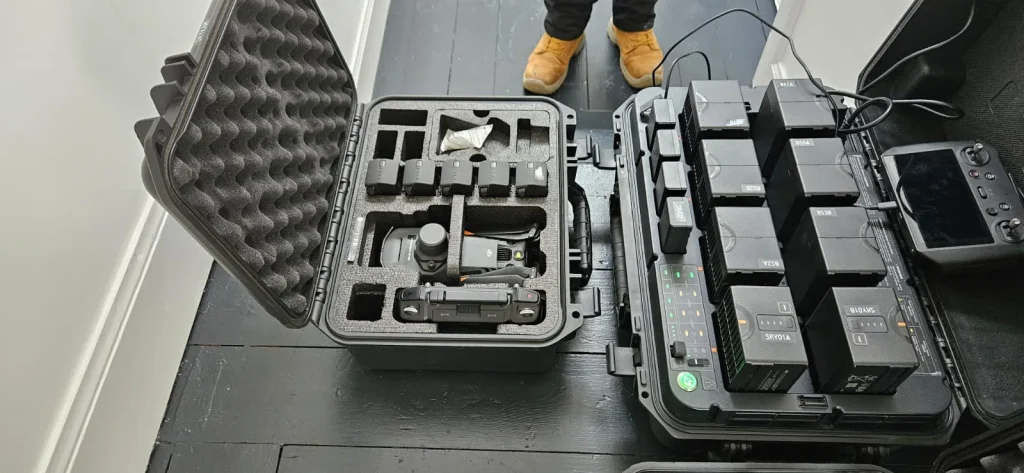
Packing drone batteries for air travel
When packing your drone batteries for air travel, you’ll need to follow specific guidelines.
Always carry your lithium batteries in your carry-on luggage, never in checked bags.
Ascertain each battery is individually protected from short circuits, and be aware of watt-hour limitations imposed by airlines and regulatory bodies.
Carry-on Only
Most drone pilots must pack their lithium-ion batteries in carry-on luggage when flying by plane. This isn’t just a suggestion; it’s a strict rule enforced by airlines and aviation authorities worldwide. You can’t place these batteries in your checked baggage due to safety concerns.
The reason for this regulation is the potential fire hazard posed by lithium-ion batteries.
In the pressurized cargo hold, a malfunctioning battery could cause a dangerous situation that flight crew can’t easily access or control. By keeping your drone batteries in your carry-on, you guarantee they’re in a temperature-controlled environment where any issues can be quickly addressed.
When packing your drone batteries, make sure they’re properly protected from short-circuiting. Use the original packaging or battery cases, and tape over the terminals if necessary.
You should also check with your airline for any specific requirements or limitations on the number of batteries you can bring.
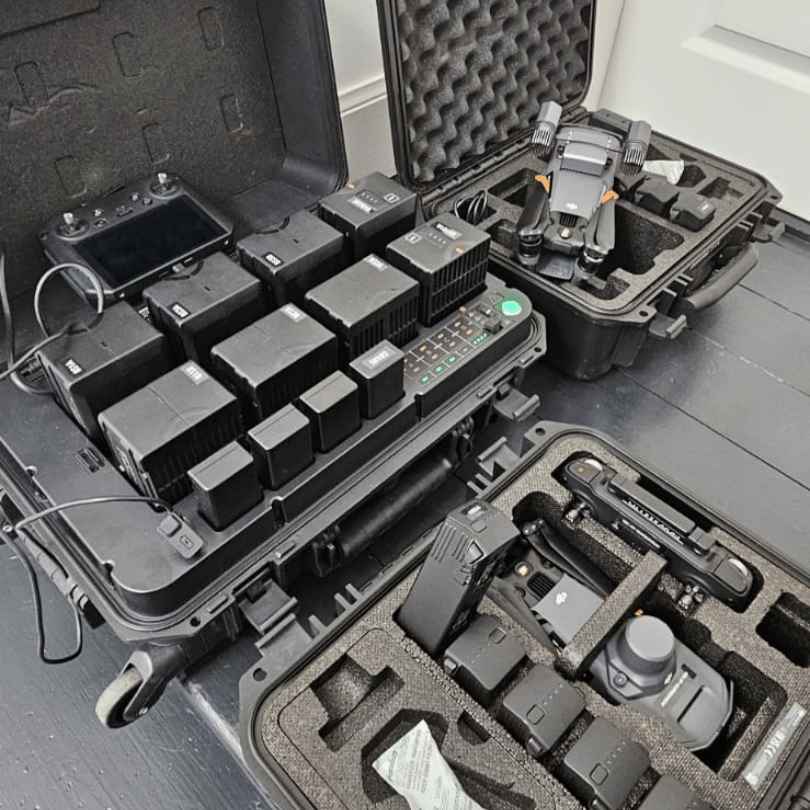
Individual Protection
Safety is paramount when packing drone batteries for taking on a plane. You must individually protect each spare battery to prevent short circuits, which could lead to dangerous situations during your flight. There are several effective methods you can use to guarantee your batteries are safely packed.
One option is to keep your batteries in their original retail packaging. This packaging is designed to protect the batteries and often includes insulation for the terminals. If you no longer have the original packaging, don’t worry – there are other ways to protect your batteries.
You can insulate the battery terminals using electrical tape. This simple method creates a barrier that prevents accidental contact between the terminals and other conductive materials. Make sure to cover both the positive and negative terminals completely.
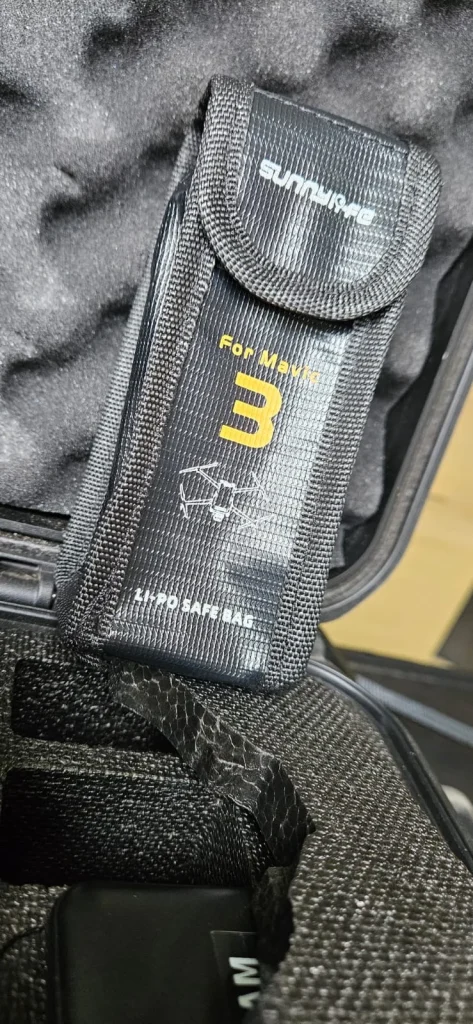
Alternatively, you can place each battery in a separate plastic bag or protective pouch. For added safety, consider using a fireproof LiPo bag, which is specifically designed to contain potential battery fires. These bags provide an extra layer of protection during transport.
Whichever method you choose, guarantee that each battery is individually protected. This not only complies with airline regulations but also gives you peace of mind during your journey.
Watt-hour Limitations
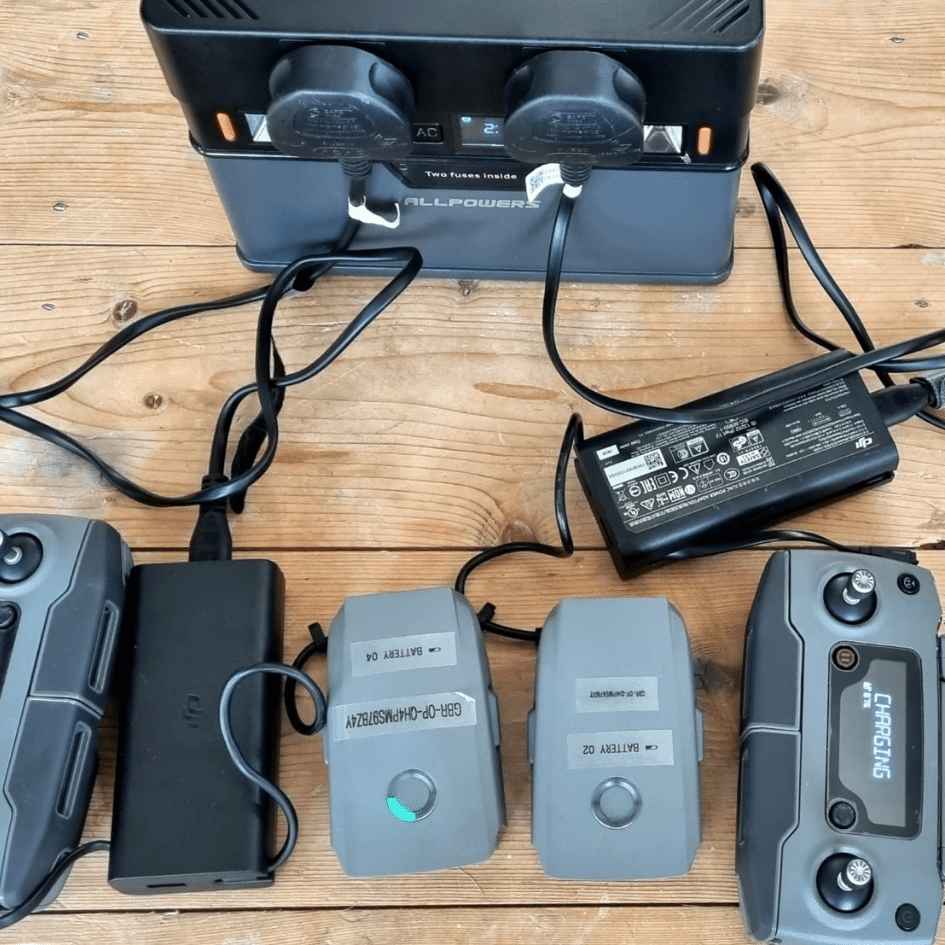
Beyond individual protection, you’ll need to take into account the watt-hour (Wh) rating of your drone batteries. Airlines have strict regulations regarding battery capacities, and understanding these limitations is essential for a smooth travel experience with your drone.
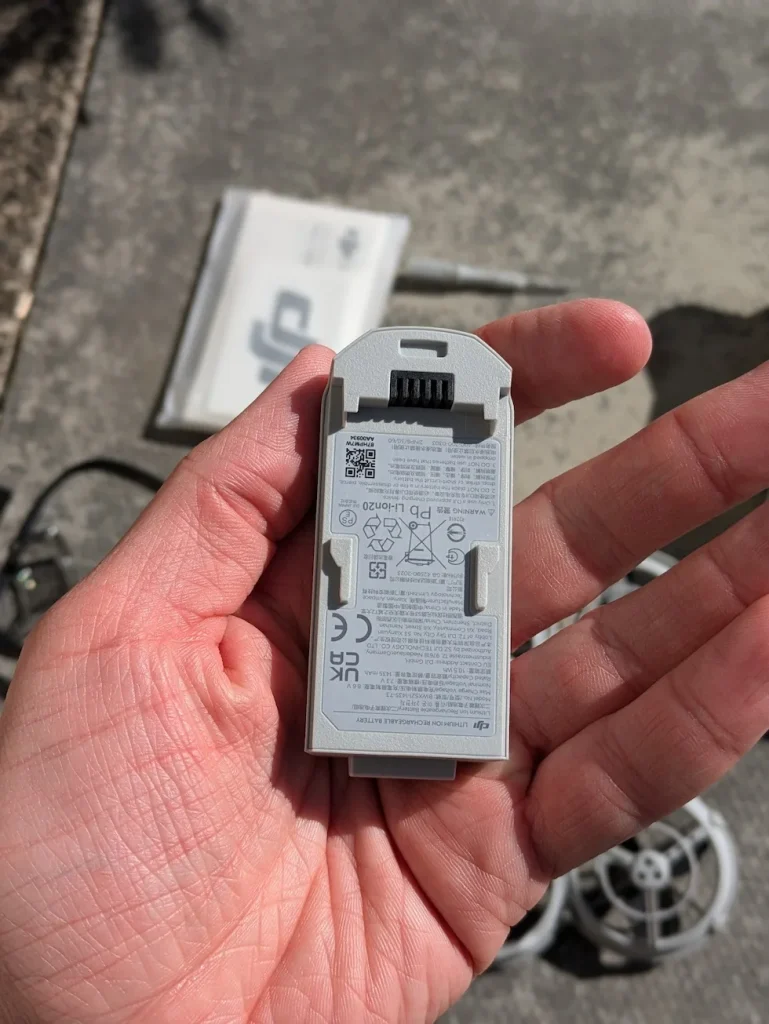
If your drone batteries are rated up to 100Wh, you’re generally in the clear. You can pack these without requiring specific airline approval.
However, if your batteries fall between 100-160Wh, you’ll need to be more cautious. These batteries may require airline approval before you can bring them on board. Additionally, you’re often limited to carrying only two spare batteries in this range per passenger.
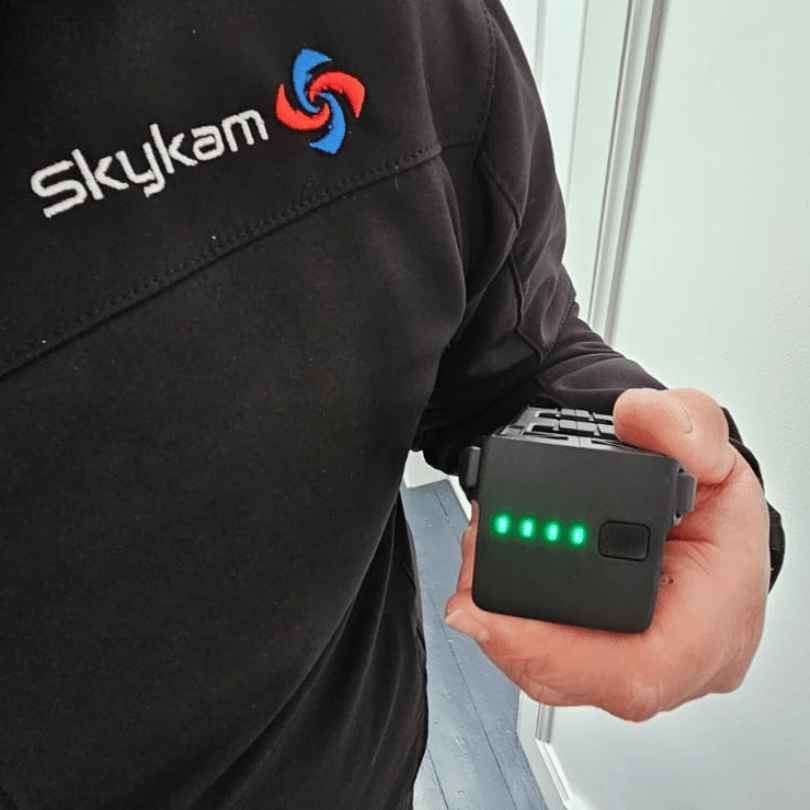
For batteries exceeding 160Wh, you’ll face significant restrictions. These high-capacity batteries are typically not allowed on passenger aircraft at all. If your drone uses batteries in this range, you’ll need to explore alternative transportation methods or consider renting equipment at your destination.
Taking Your Drone Through TSA Airport Security
Maneuvering TSA airport security with a drone can be straightforward if you’re prepared. As drones are generally allowed through TSA checkpoints in the United States, you can bring your drone in your carry-on luggage without much hassle.
The main concern for TSA is the lithium-ion batteries used in drones. You must pack these batteries in your carry-on baggage, not your checked luggage. This precaution guarantees that any potential battery issues can be addressed quickly during the flight.
When going through security, you may not need to remove your drone from your bag. However, it’s often helpful to inform the TSA agent that you’re carrying a drone. Be prepared for additional screening or inspection if requested.
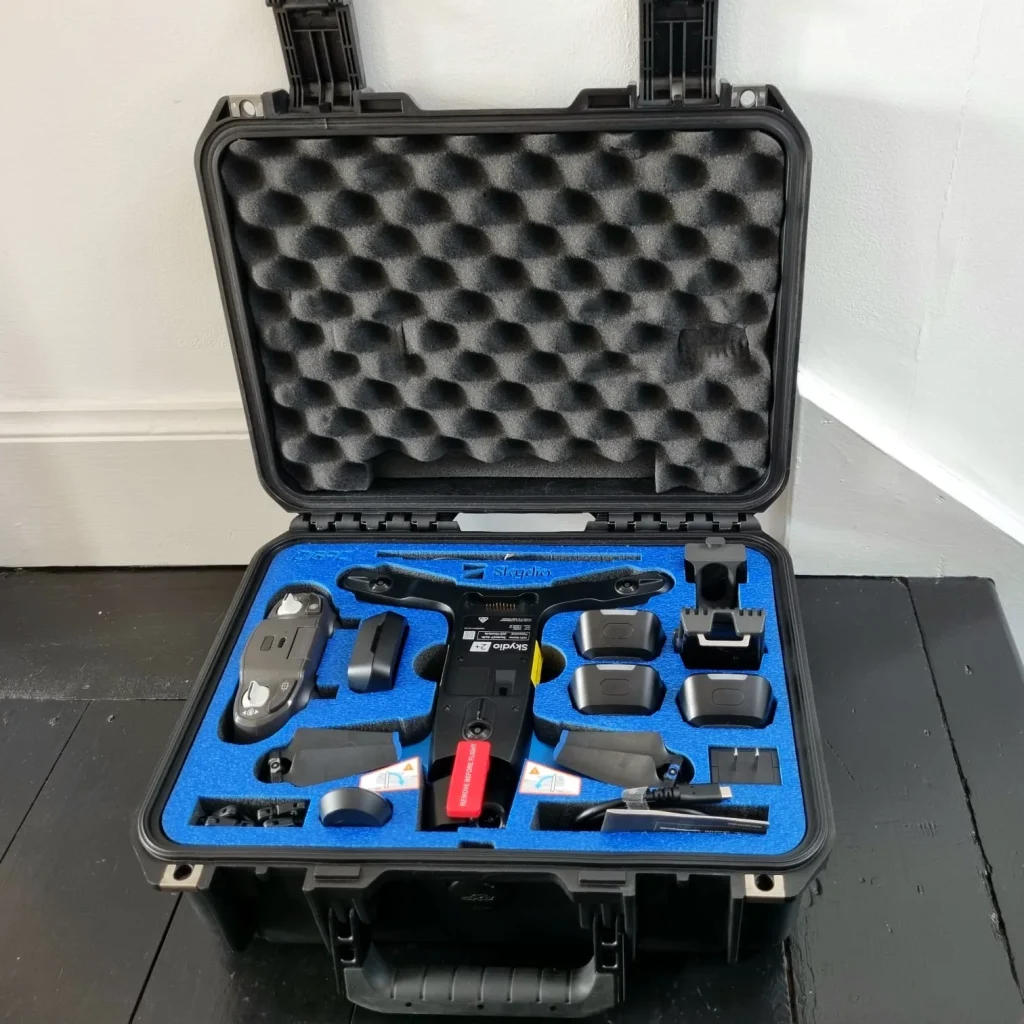
To make this process smoother, pack your drone securely in a hard case. Disconnect the batteries and consider using electrical tape over the battery connections for added safety.
It’s wise to carry documentation of your drone’s specifications and relevant airline/TSA regulations. This information can be invaluable if any questions or issues arise during the screening process.
To avoid any last-minute stress, arrive at the airport early. This extra time will allow for any additional screening that may be required for your drone.
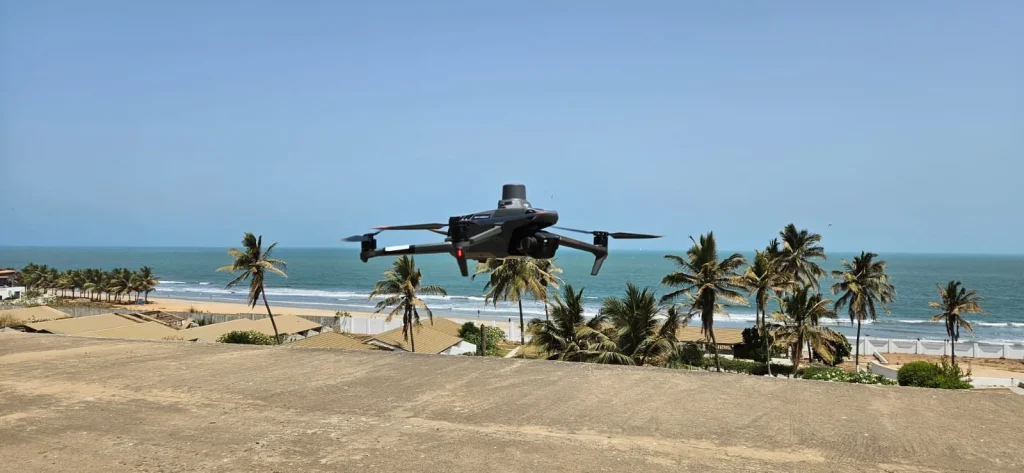
Taking Your Drone On An International Plane Journey
International travel with your drone adds an extra layer of complexity to your journey. When planning to take your drone on an international flight, you’ll need to take into account several important factors to guarantee a smooth experience.
Research Destination Regulations
First and foremost, check the drone regulations for your destination country. Each nation has its own rules regarding drone usage, and some may have strict restrictions or even ban drones altogether. You don’t want to arrive at your destination only to find out that your drone is prohibited or requires special permits.
Carry Essential Documentation
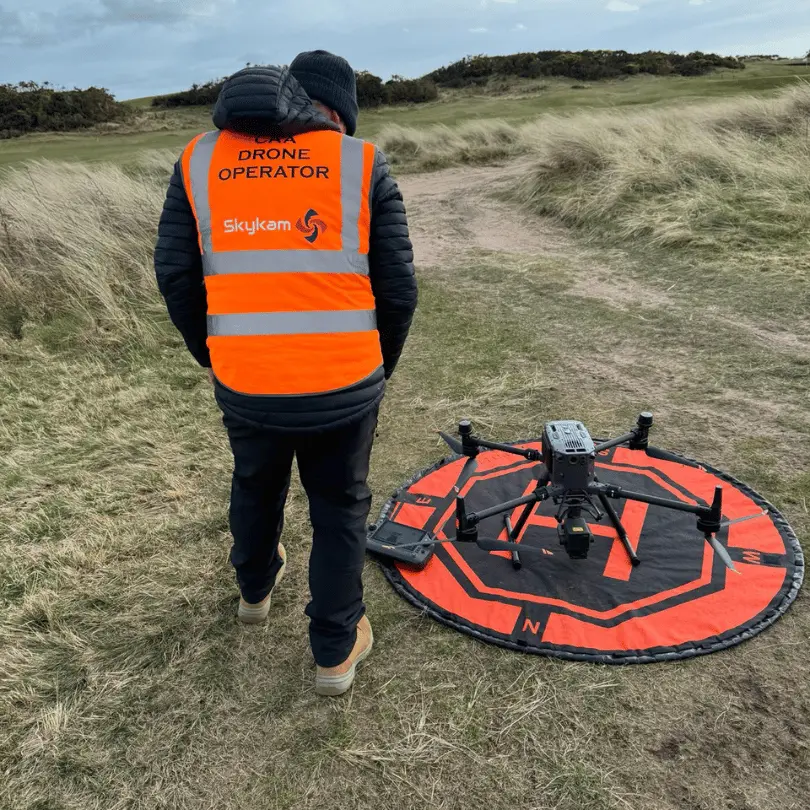
If drone registration is required in your home country, make sure to bring proof of this registration with you. This documentation may be necessary when passing through customs or security checkpoints. Additionally, carry any necessary permits or licenses related to your drone operation. These documents can help verify that you’re a responsible drone operator and may smooth your path through international travel procedures.
Understand Confiscation Risks
Be aware that some countries may confiscate drones from non-citizens. Research your destination’s policies thoroughly to avoid any unpleasant surprises. If there’s a risk of confiscation, weigh alternative options such as renting a drone at your destination or leaving yours at home.
When packing your drone for international travel, follow the airline’s guidelines for carrying lithium batteries. Most airlines require these batteries to be in your carry-on luggage.
Also, think about investing in a sturdy, travel-friendly case to protect your drone during transit.
Conclusion
You can take your drone on a plane, but you’ll need to follow specific rules. Pack your batteries carefully, prepare for TSA screening, and know the regulations for both domestic and international flights.
By planning ahead and staying informed, you’ll avoid hassles at the airport.
Remember to check your airline’s policies and any restrictions at your destination. With these precautions, you’ll be ready to capture amazing aerial footage on your next trip.

