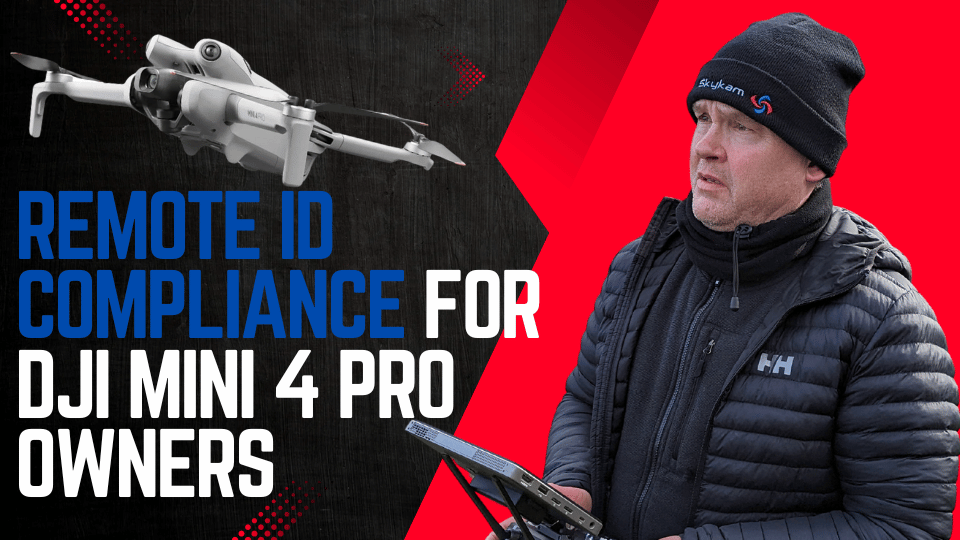

Yes, the DJI Mini 4 Pro does have Remote ID functionality, but it’s conditional. When you use the Intelligent Flight Battery Plus, the drone’s built-in Remote ID system activates automatically. This feature broadcasts essential information like the drone’s ID, location, altitude, and speed. However, if you’re using the standard battery, the Remote ID feature remains dormant.
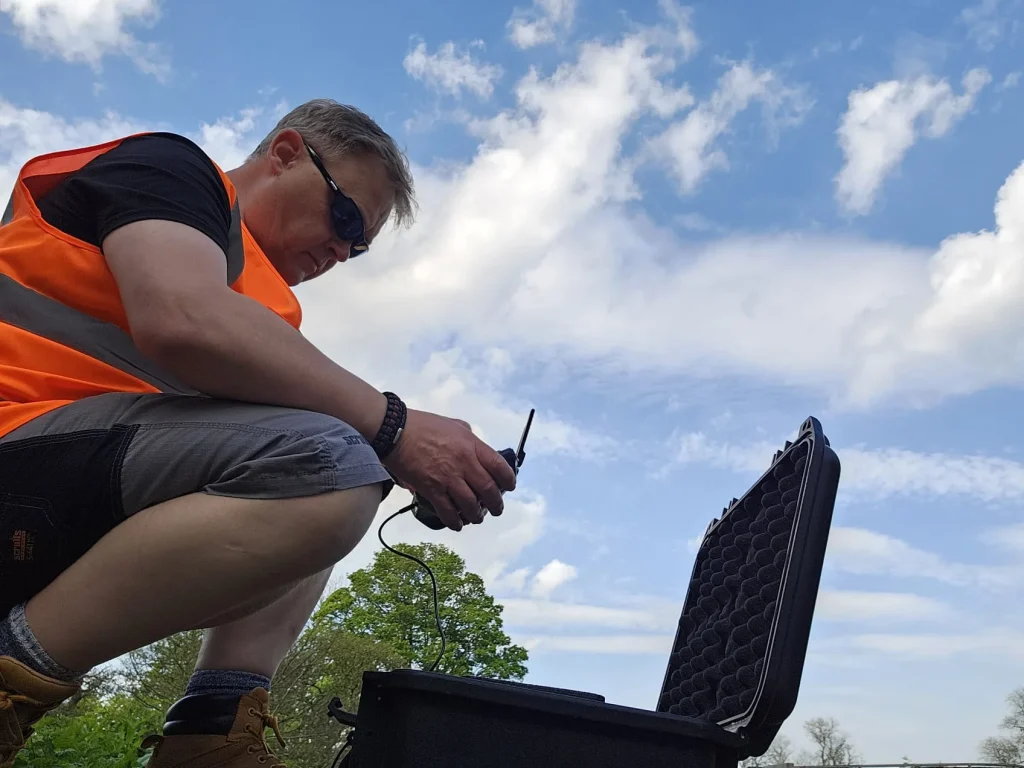
Remote ID serves as a digital license plate for drones, enhancing safety and accountability in the airspace.
It’s crucial to understand the specifics of Remote ID compliance for your DJI Mini 4 Pro to ensure you’re flying legally and responsibly.
There’s more to explore about Remote ID options and regulations.
Remote ID in DJI Mini 4 Pro
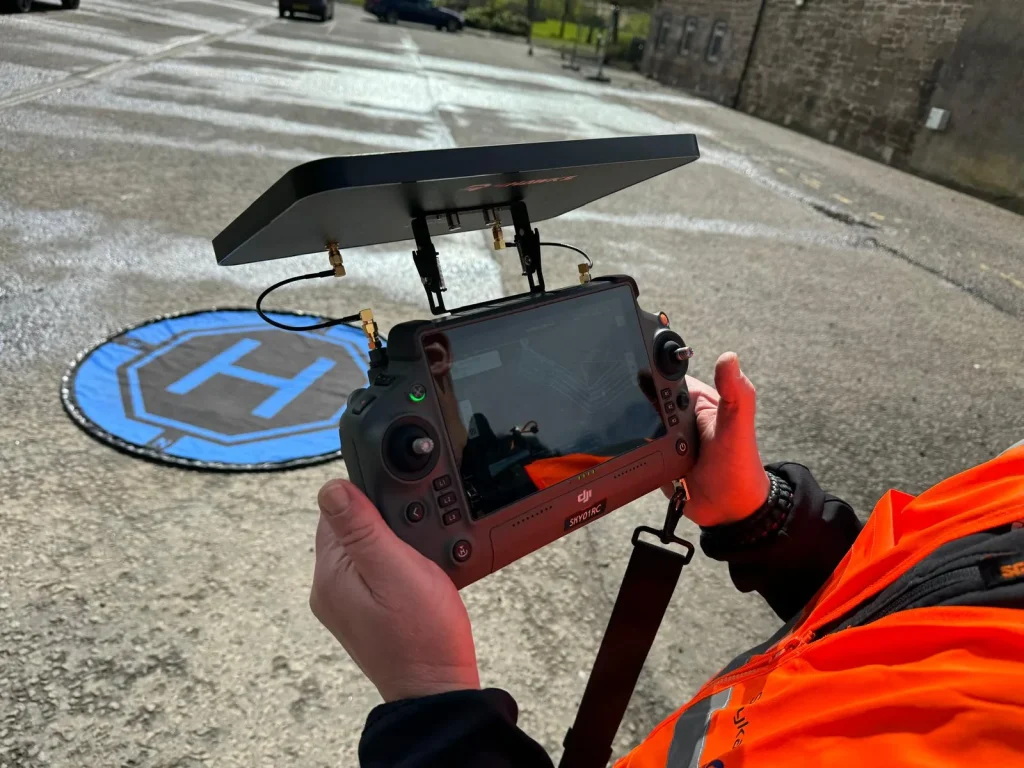
The DJI Mini 4 Pro comes equipped with built-in Remote ID functionality, but it kicks in only when you’re using the Intelligent Flight Battery Plus.
This feature is designed to comply with the Remote ID regulation, ensuring that your drone can be identified while in flight.
When you opt for the Intelligent Flight Battery Plus, you’re adding weight to your drone, pushing it over the 250-gram threshold. This increased weight automatically activates the built-in Remote ID feature, making your drone compliant with regulations without the need for any additional equipment.
However, it’s important to note that the activation of Remote ID is dependent on the battery you choose to use.
On the other hand, if you’re using the standard battery, which keeps the drone’s weight below 250 grams, the Remote ID functionality remains dormant. In this configuration, your DJI Mini 4 Pro operates without broadcasting its identity.
This might be preferable in situations where you don’t need or want Remote ID active. If you find yourself needing Remote ID capabilities while using the standard battery, you’ll need to attach an external module. This allows you to maintain the drone’s lightweight status while still complying with Remote ID regulations when necessary.
Understanding these nuances in the DJI Mini 4 Pro’s Remote ID implementation is crucial for ensuring you’re always flying legally and responsibly.
By choosing the appropriate battery for your needs, you can control when and how your drone broadcasts its identity, giving you flexibility in various flying scenarios.
What is Remote ID?
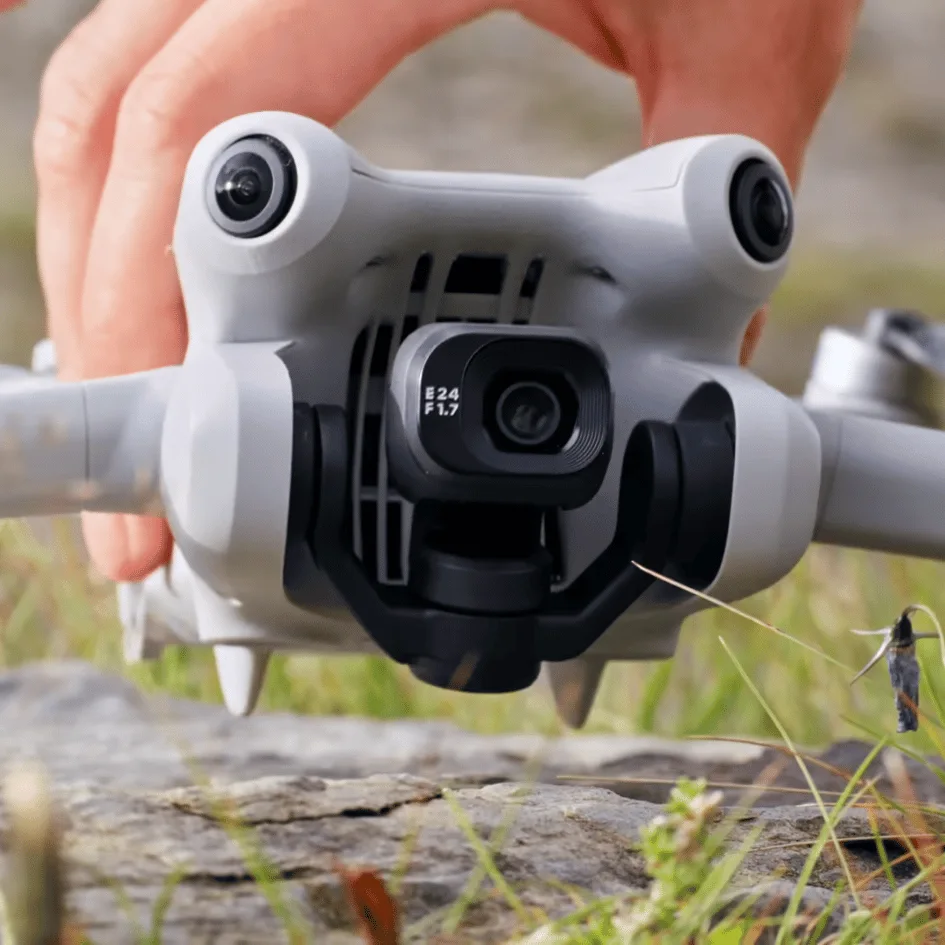
Remote ID serves as a digital license plate for drones, broadcasting crucial identification and location data during flight.
It’s a system designed to enhance transparency and accountability in the rapidly growing world of unmanned aerial vehicles.
When you’re flying a drone equipped with Remote ID, it’s continuously transmitting information that can be received by various parties, including the Federal Aviation Administration (FAA), law enforcement agencies, and even members of the general public.
The data broadcast by Remote ID typically includes the drone’s unique identification number, its current location, altitude, and speed.
It may also provide information about the location of the control station or take-off point.
This real-time data transmission allows authorities to monitor drone activity in the airspace, helping to ensure safety and compliance with regulations.
With the increasing number of drones in the sky, it’s crucial to have a system that can quickly identify and track them.
This helps prevent potential conflicts with other aircraft, assists in enforcing no-fly zones, and can be invaluable in emergency situations or investigations.
For you as a drone operator, Remote ID means increased responsibility and transparency.
It ensures that you’re accountable for your drone’s flight path and behavior.
While some may view it as an invasion of privacy, it’s important to remember that Remote ID is designed to promote safe and responsible drone use, ultimately benefiting all airspace users and the public at large.
Purpose of Remote ID
Fundamentally, you’ll find that Remote ID serves three critical purposes in the world of drone operations.
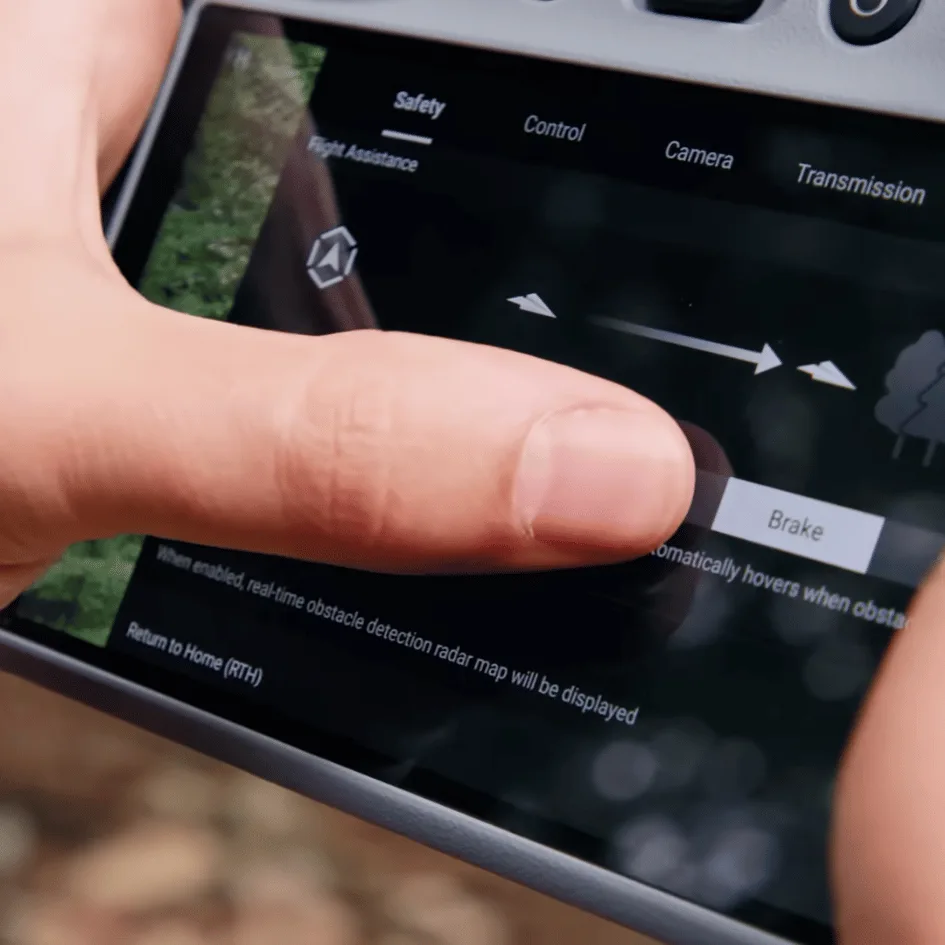
First and foremost, it’s a powerful tool for enhancing safety and security in our skies. When you’re flying your drone, Remote ID allows authorities to locate the control station if they notice any unsafe flying practices or if your drone enters restricted airspace.
This capability is crucial for maintaining order and preventing potential accidents or security breaches.
Secondly, Remote ID ensures accountability among drone operators like yourself. As drones become increasingly integrated into the National Airspace System (NAS), it’s essential that you and other operators can be identified when necessary.
This accountability helps create a safer environment for all aircraft, both manned and unmanned, and builds trust between drone operators and the public.
Lastly, Remote ID is a key component of regulatory compliance. If you own a drone that needs to be registered with the FAA, chances are it’ll need to comply with Remote ID requirements. This applies whether you’re using your drone for fun, commercial purposes, or public safety operations.
By adhering to these regulations, you’re playing your part in creating a standardized system for drone identification and tracking.
In essence, Remote ID isn’t just about following rules – it’s about contributing to a safer, more responsible drone ecosystem. It allows you to fly with confidence, knowing that you’re part of a system designed to protect both airspace users and people on the ground.
What Information Does Remote ID Broadcast From DJi Mini 4 Pro
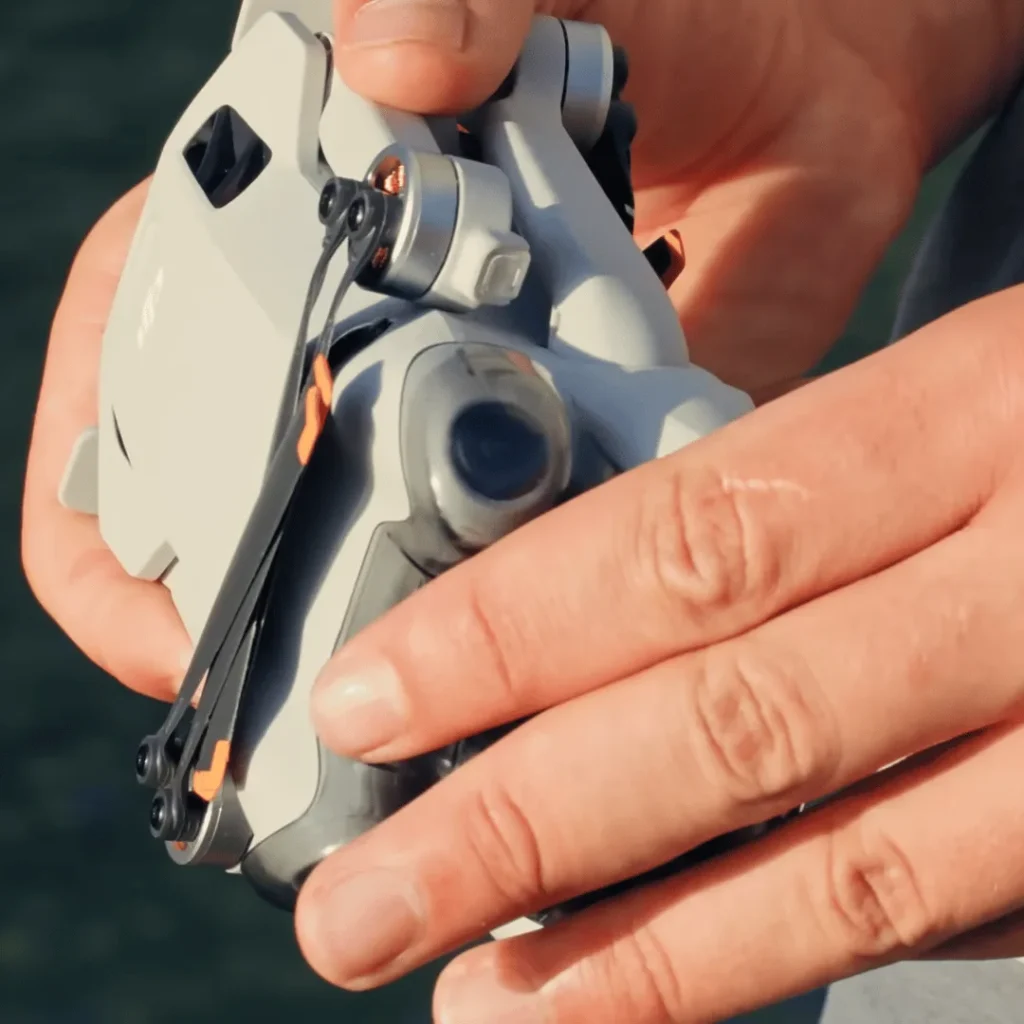
When you’re flying your DJI Mini 4 Pro, its Remote ID system broadcasts a specific set of information to ensure compliance and enhance safety. This data transmission is designed to provide essential details about your drone’s operation to authorized parties on the ground.
Your DJI Mini 4 Pro’s Remote ID broadcasts a unique identification number, similar to a serial number. This allows for the specific identification of your drone in flight.
Along with this, the system transmits real-time location and altitude data, not just of the drone itself, but also of its control station or takeoff location. This information helps authorities and other airspace users understand where your drone is operating and from where it’s being controlled.
The Remote ID system also broadcasts your drone’s velocity, giving insight into how fast it’s moving through the air. This can be crucial for assessing potential risks or conflicts with other aircraft.
Additionally, each broadcast includes a timestamp, providing a precise record of when the information was sent.
In case of emergencies, your DJI Mini 4 Pro can also transmit an emergency status through its Remote ID system. This feature could be vital in situations where immediate attention or assistance is required.
Types of Remote ID Compliance
When it comes to Remote ID compliance, you have three main options:
You can use Standard Remote ID Drones, which have built-in broadcasting capabilities, or opt for Remote ID Broadcast Modules that can be attached to non-compliant drones.
If you prefer flying without broadcasting, you’ll need to stick to FAA-Recognized Identification Areas (FRIAs), which are designated spaces for non-Remote ID equipped drones.
Standard Remote ID Drones
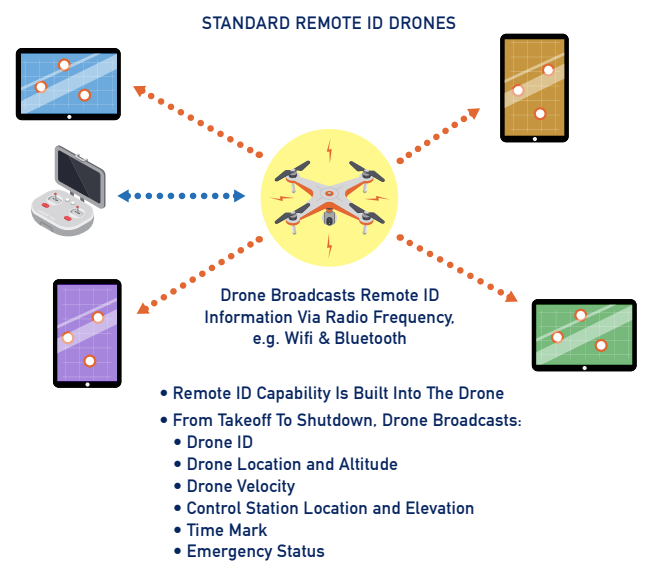
Standard Remote ID drones come equipped with built-in technology that automatically broadcasts the required information for compliance.
These drones make it easy for you to follow Remote ID regulations without any additional steps or equipment.
When you fly a Standard Remote ID drone, it’ll automatically transmit the necessary data, including your drone’s location, altitude, speed, and identification number.
If you’ve purchased a new drone after September 2022, there’s a good chance it falls into this category.
Most drone manufacturers, including industry leader DJI, have been incorporating Remote ID capabilities into their latest models.
This means you’re likely already set up for compliance if you’ve recently bought a drone.
The DJI Mini 4 Pro, being a newer model, is expected to have these built-in Remote ID capabilities.
This feature ensures that you’re always broadcasting the required information when flying, keeping you in line with FAA regulations.
It’s a hassle-free solution that allows you to focus on your flight without worrying about additional compliance steps.
Remote ID Broadcast Modules
Broadcast modules offer a solution for drone operators whose aircraft lack built-in Remote ID capabilities.
If you have an older drone model that doesn’t come equipped with Remote ID, you’re not out of luck. You can attach a broadcast module to your drone to transmit the required information and comply with the new regulations.
These modules are designed to be easily installed on existing drones, allowing you to continue flying your favorite aircraft while meeting the new standards.
However, it’s important to note that there’s a significant limitation when using a broadcast module: you must keep your drone within your visual line of sight at all times.
While this restriction may not be an issue for many recreational flyers, it could pose challenges for those who previously relied on beyond visual line of sight operations.
Despite this limitation, broadcast modules provide a valuable option for extending the lifespan of older drones that would otherwise become non-compliant.
If you’re considering using a broadcast module, make sure to choose one that’s compatible with your drone model and meets all the necessary regulatory requirements. This way, you can continue enjoying your drone while staying on the right side of the law.

FAA-Recognized Identification Areas (FRIAs)
While broadcast modules offer one solution for Remote ID compliance, FAA-Recognized Identification Areas (FRIAs) provide an alternative option for flying drones without built-in Remote ID equipment.
FRIAs are specific geographic locations where you can fly your drone free from Remote ID requirements.
To take advantage of FRIAs, you’ll need to locate one near you. The FAA has established these areas in collaboration with community-based organizations, educational institutions, and other entities.
They’re typically found in places like model aircraft fields or designated drone flying zones.
When using a FRIA, you’re not required to broadcast Remote ID information or use a separate module. This can be particularly convenient if you prefer flying in a specific area and don’t want to invest in additional equipment for your DJI Mini 4 Pro.
However, it’s important to note that you must still adhere to other FAA regulations while operating in these areas. One crucial rule is maintaining visual line of sight with your drone at all times during flight.
Conclusion
You’ve learned about Remote ID in the DJI Mini 4 Pro and its importance for drone safety and regulation. You now understand what information it broadcasts and the types of compliance available.
As you fly your Mini 4 Pro, you’ll be aware of how Remote ID impacts your flights and helps maintain airspace security. Remember to stay up-to-date with local regulations and use your drone responsibly, knowing that Remote ID is working to keep the skies safe for everyone.

