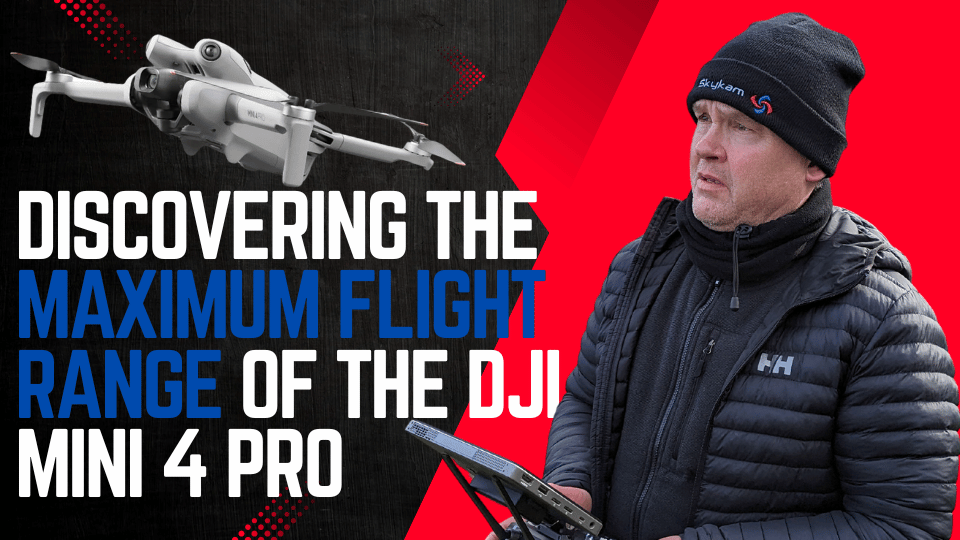
The DJI Mini 4 Pro can officially fly up to 20 km (12.4 miles) in optimal conditions, but you’ll likely experience much shorter ranges in real-world use. Factors like obstacles, interference, wind, and battery life significantly impact your actual flight distance. In urban areas, you might only achieve 1.5 to 4 km, while open areas could allow for 10 to 20 km.
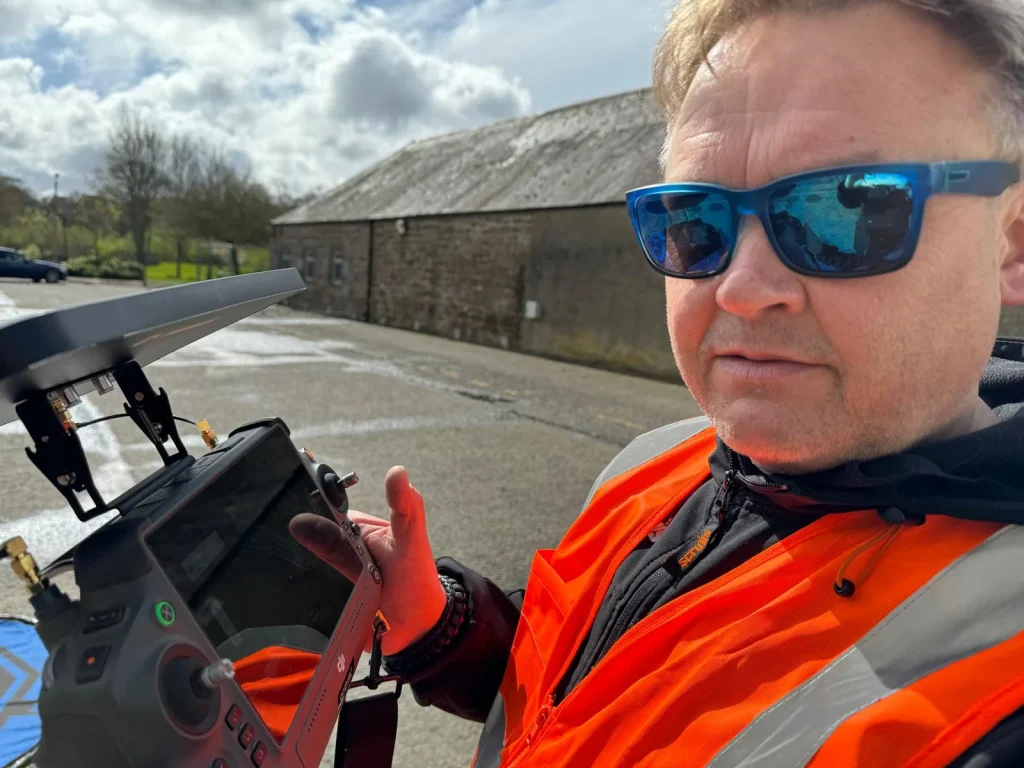
Remember to maintain visual line of sight and follow local regulations. Always prioritize safety and factor in a safe return trip when planning your flights.
There’s more to consider when maximizing your Mini 4 Pro’s range potential.
Official Range Specifications
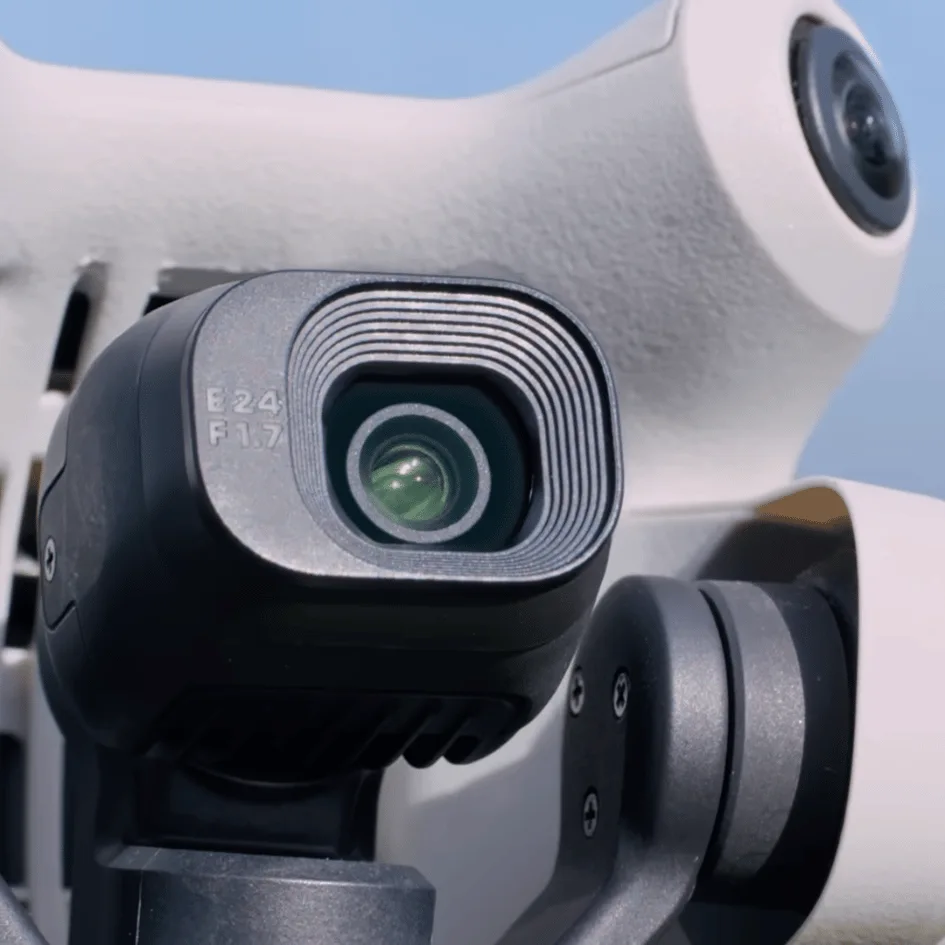
The DJI Mini 4 Pro boasts impressive official range specifications, with a maximum transmission distance of 20 km for the FCC version and 10 km for the CE version. These figures translate to approximately 12.4 miles and 6.2 miles, respectively.
It’s important to note that these ranges are advertised by DJI as the maximum potential distances under ideal conditions.
When you’re considering the flight range of your DJI Mini 4 Pro, keep in mind that these official specifications are based on optimal scenarios. The conditions used to achieve these ranges include a completely unobstructed line of sight between the drone and the controller, as well as an environment free from any interference.
In real-world situations, you’re likely to encounter various factors that can impact your drone’s range. Obstacles such as buildings, trees, or terrain can significantly reduce the effective transmission distance.
Additionally, sources of electromagnetic interference, like cell towers or power lines, may affect the signal strength between your drone and controller.
While these official range specifications are impressive, they serve more as a benchmark for the drone’s capabilities rather than a guaranteed operational range. You’ll need to consider your specific flying environment and local regulations when planning flights.
Always maintain visual line of sight with your drone and adhere to local aviation rules.
Understanding these official range specifications helps you gauge the potential of your DJI Mini 4 Pro, but remember to fly responsibly and within safe limits, regardless of the drone’s maximum capabilities.
Real-World Range Factors
While official specs paint an impressive picture, you’ll encounter several real-world factors that can significantly reduce your DJI Mini 4 Pro’s actual flight range. It’s essential to understand these limitations to ensure safe and effective drone operation.
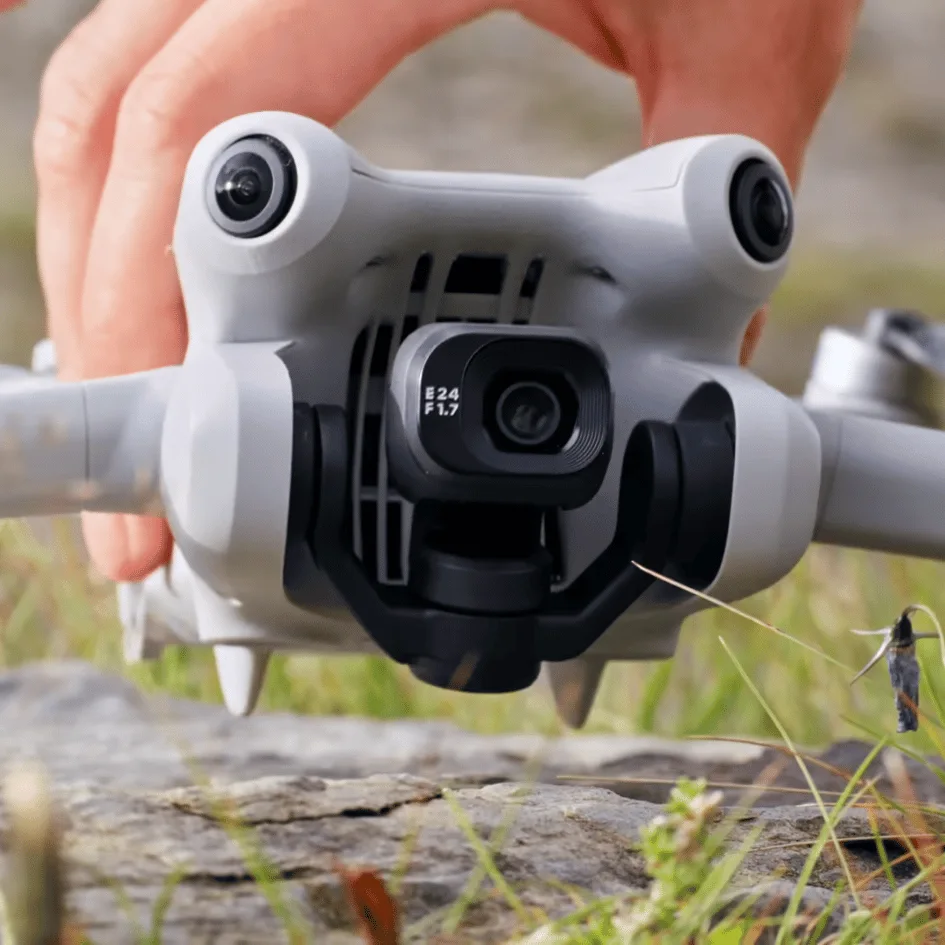
One of the most common range-limiting factors you’ll face is interference from physical obstacles. Buildings, trees, and other structures can block or weaken the signal between your controller and the drone, potentially cutting your range short.
This is particularly noticeable in urban environments where tall buildings and complex infrastructure are prevalent.
In cities and densely populated areas, you’ll also contend with signal interference from various electronic devices and wireless networks. This electromagnetic noise can disrupt your drone’s communication systems, leading to a reduced effective range.
Wind conditions play a crucial role in your drone’s performance. Strong headwinds can dramatically decrease your Mini 4 Pro’s forward speed and range, while tailwinds might extend it.
However, flying in high winds can quickly drain your battery, limiting your overall flight time and distance.
Speaking of batteries, their performance is another key factor affecting real-world range. As your battery depletes, your drone’s power output may decrease, potentially limiting its ability to maintain top speed or fight against winds.
Moreover, you’ll need to factor in enough battery life for a safe return trip, effectively halving your maximum one-way range.
Typical Real-World Ranges
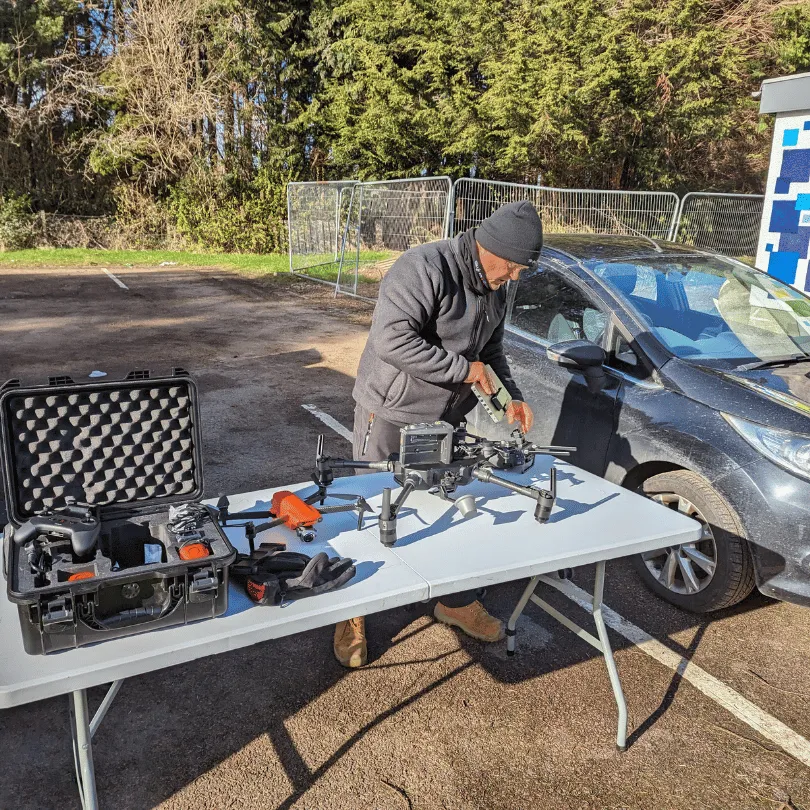
Taking into account the various factors that impact flight range, you’ll typically experience different real-world distances depending on your flying environment.
The DJI Mini 4 Pro’s actual range can vary significantly based on the level of interference in your surroundings.
In urban areas with strong interference, you’re likely to achieve a flight range of approximately 1.5 to 4 kilometers (0.9 to 2.5 miles). This reduced range is due to the abundance of obstacles, electromagnetic interference, and signal-blocking structures commonly found in cities.
You’ll need to be especially cautious when flying in these environments to maintain a stable connection with your drone.
Suburban areas with medium interference offer a more extended range, typically between 4 to 10 kilometers (2.5 to 6.2 miles). Here, you’ll encounter fewer obstacles and less signal interference, allowing for longer flights.
However, you should still be mindful of potential signal disruptions from buildings, power lines, and other sources of interference.
In open areas with low interference, you can expect the best performance from your DJI Mini 4 Pro. These environments, such as rural landscapes or over water, can allow for flight ranges of approximately 10 to 20 kilometers (6.2 to 12.4 miles). With fewer obstacles and minimal interference, you’ll be able to push your drone’s range capabilities to their limits.
Remember that these ranges are approximate and can vary based on specific conditions. Always maintain visual line of sight with your drone, adhere to local regulations, and monitor your battery levels to ensure a safe flight experience.
Legal and Safety Considerations
Despite the impressive range capabilities of the DJI Mini 4 Pro, you’ll need to consider several legal and safety factors before pushing your drone to its limits.
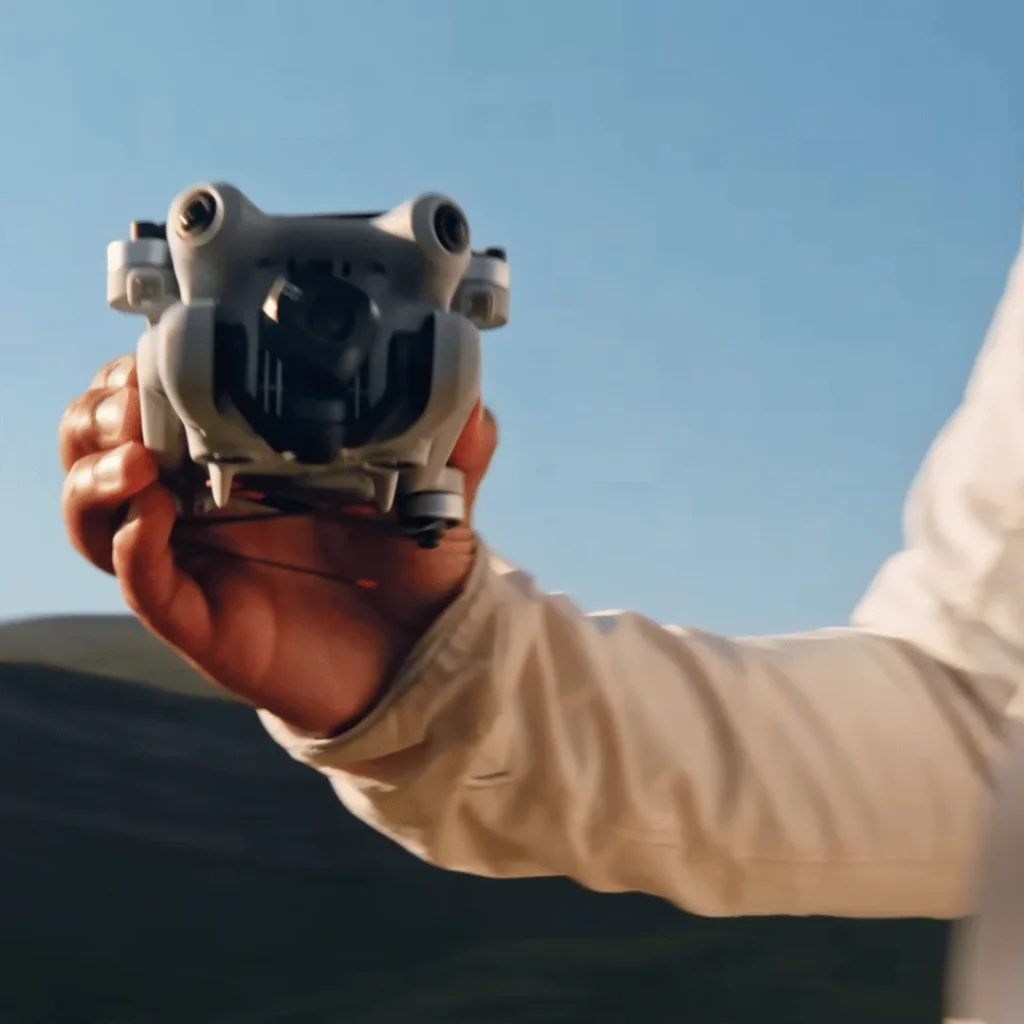
One of the most crucial considerations is maintaining visual line of sight with your drone, which is a requirement in many countries. This means you must be able to see your drone with your unaided eyes at all times during flight, regardless of its potential range.
While the DJI Fly app allows you to adjust distance limits, it’s essential to remember that these settings don’t override local regulations. You should always be aware of and adhere to the specific drone laws in your area, which may include restrictions on maximum flight distances or altitudes.
If you’re interested in flying beyond visual line of sight (BVLOS), you’ll likely need special permissions or certifications. These operations often require additional safety measures and are typically reserved for commercial or research purposes.
As a recreational pilot, it’s crucial to understand that BVLOS flights are generally not permitted without proper authorization.
When planning your flights, always prioritize safety over pushing distance boundaries. Consider factors such as battery life, potential obstacles, and weather conditions. Remember that flying too far may increase the risk of losing control or connection with your drone, potentially leading to accidents or loss of equipment.
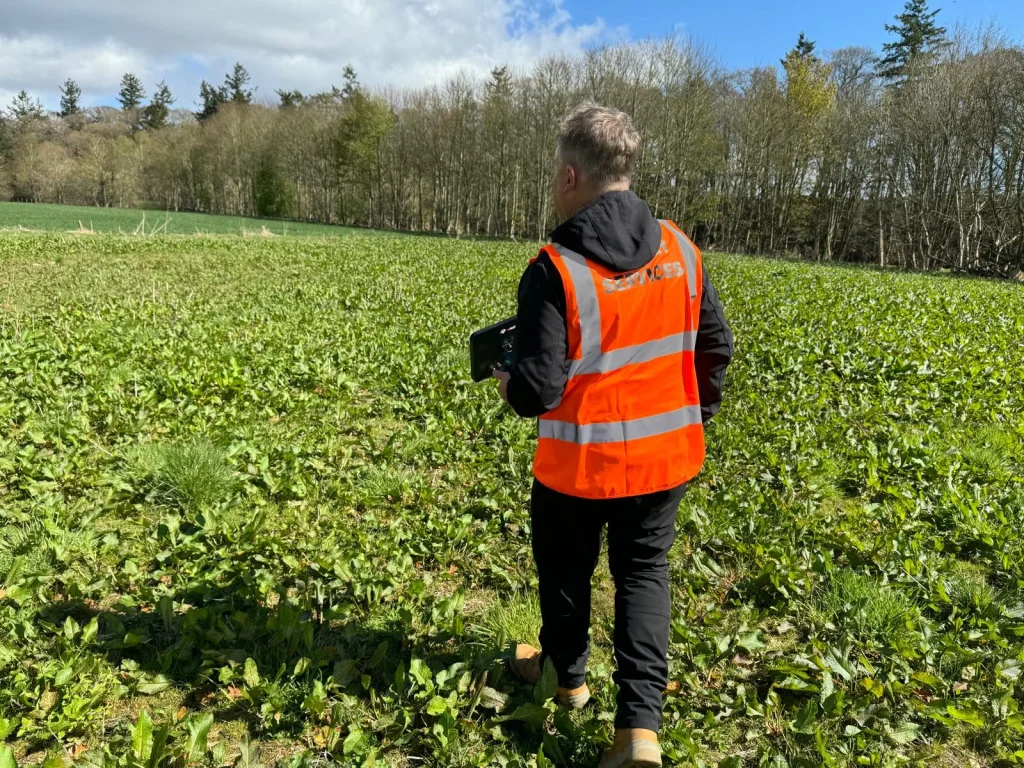
Transmission Quality
With its advanced O4 transmission system, the DJI Mini 4 Pro offers significantly improved video quality and signal reliability compared to its predecessors.
This upgrade brings a notable enhancement to your flying experience, allowing you to capture and view stunning aerial footage in real-time.
The Mini 4 Pro boasts an impressive live video feed capability of up to 1080p resolution at 60 frames per second.
This high-quality transmission means you’ll enjoy crisp, smooth footage on your controller’s screen as you pilot the drone. The improved frame rate is particularly beneficial when tracking fast-moving subjects or navigating through complex environments.
DJI’s O4 transmission system is designed to provide a stronger, more stable signal between your drone and the controller.
This improved connectivity translates to a more reliable flying experience, with reduced chances of signal dropout or interference. You’ll likely notice fewer interruptions in your video feed, even when flying in areas with potential obstacles or electromagnetic interference.
While the Mini 4 Pro’s transmission capabilities are impressive, it’s crucial to remember that real-world performance can vary.
Factors such as environmental conditions, physical obstacles, and local interference can all impact your actual transmission range and quality. Always prioritize safety and maintain visual line of sight with your drone, regardless of its advertised capabilities.
Conclusion
You’ve learned the DJI Mini 4 Pro’s official range, real-world factors affecting it, and typical distances you can expect.
Remember, legal limits and safety should always be your priority. While it’s tempting to push the limits, flying responsibly ensures you’ll enjoy your drone for years to come.
Keep in mind that transmission quality degrades with distance, so you’ll get the best footage staying within reasonable ranges.

