

Drone speeds vary widely depending on the type and purpose. Consumer drones typically fly between 30-70 mph, while commercial models reach 40-60 mph. If you’re into racing, specialized drones can hit an impressive 100-150 mph. Military drones take it up a notch, with some capable of 230 mph.
For extreme speed, custom-built drones have achieved over 200 mph, with the current world record standing at a mind-blowing 298.47 mph.
However, it’s not just about raw power; factors like voltage, weight, aerodynamics, and weather conditions all play vital roles in determining a drone’s top speed.
There’s more to uncover about pushing the limits of drone flight.
Consumer/Recreational Drones (30 – 70 Mph)
For most hobbyists and aerial photographers, consumer drones offer plenty of speed, typically ranging from 30 to 70 mph.
These speeds are ideal for capturing stunning footage and exploring your surroundings without sacrificing control or stability.
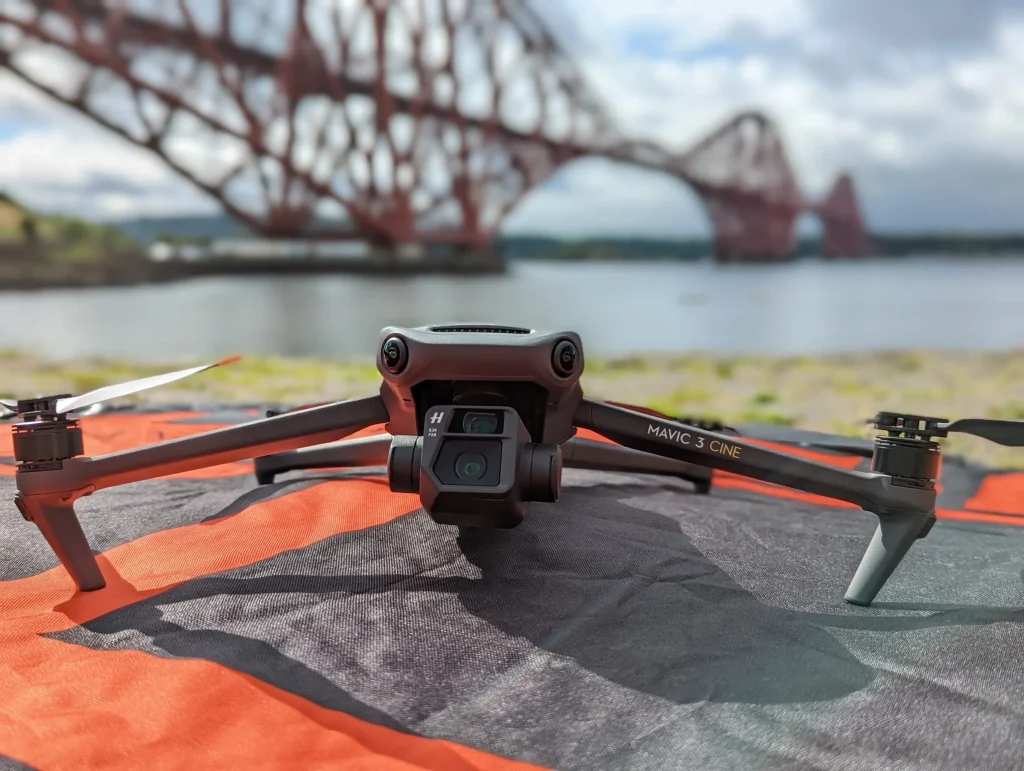
Most popular consumer drones fall within this range, with models like the DJI Mini 3 Pro reaching 35.7 mph and the DJI Mavic 3 series topping out at 47 mph.
You’ll find that many consumer drones come equipped with multiple flight modes. The fastest option, often labeled as ‘Sport‘ or ‘S‘ mode, allows you to push your drone to its maximum speed.
However, it’s important to remember that flying at top speeds can impact battery life and make controlling the drone more challenging.
When you’re choosing a drone, consider your specific needs.
If you’re primarily interested in aerial photography or videography, you may not need the fastest drone on the market.
Instead, focus on models that offer a good balance of speed, stability, and camera quality.
Commercial Drones (40 – 60 Mph)
Commercial drones, zipping through the air at impressive speeds of 40 to 60 mph, are the workhorses of various industries, from delivery services to aerial surveying.
These powerful machines strike a balance between efficiency and control, making them ideal for a wide range of applications.
You’ll find them buzzing overhead during drone surveys, agricultural monitoring, and even search and rescue operations.
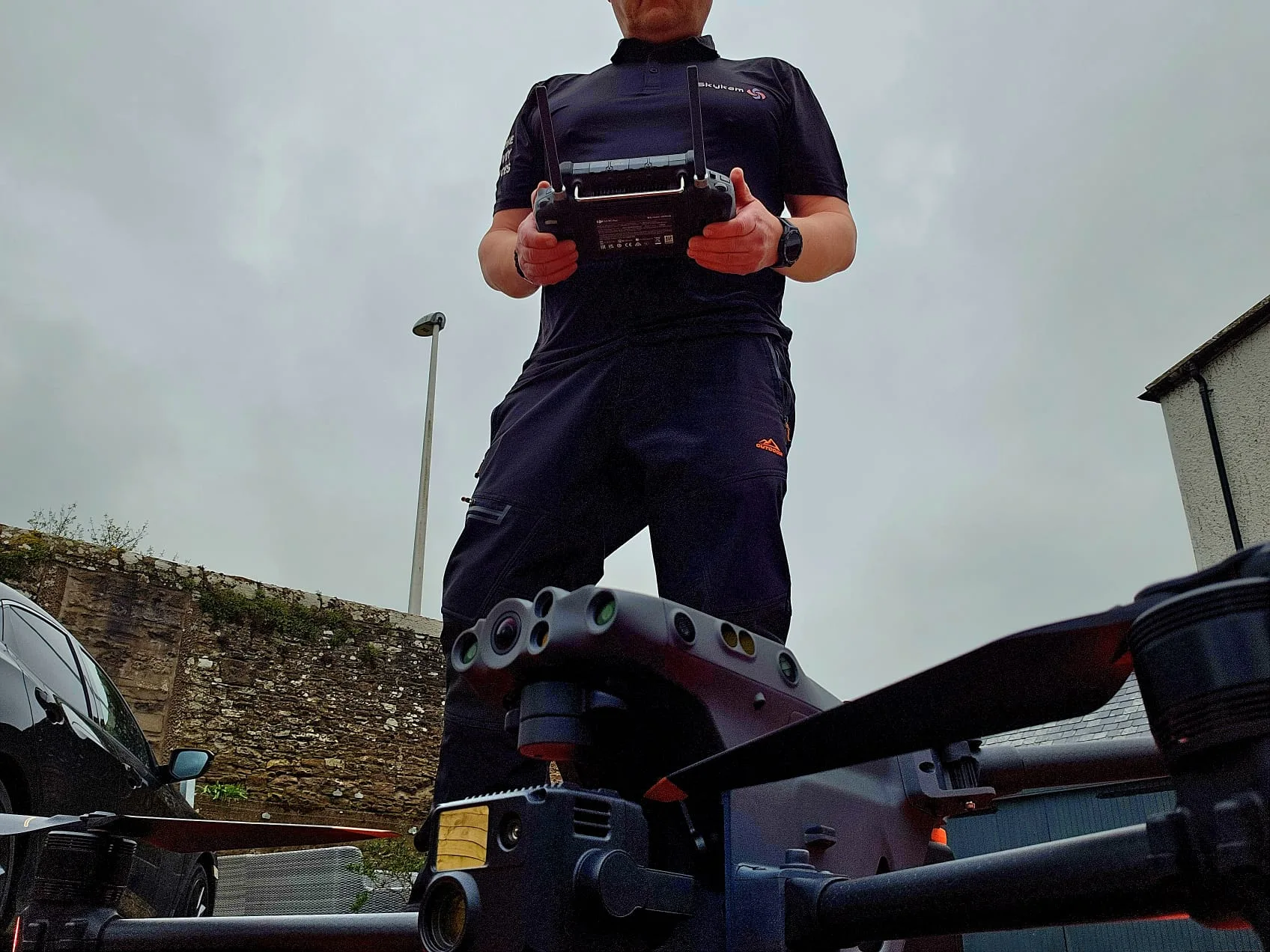
One standout example is the DJI Matrice series, capable of reaching speeds up to 51 mph (82 km/h). These versatile drones are designed to handle diverse industrial tasks with precision and reliability.
Whether you’re mapping vast terrains or conducting time-sensitive deliveries, commercial drones offer the speed and stability needed to get the job done.
Their performance capabilities guarantee that businesses can operate efficiently while maintaining the necessary control for safe and effective drone operations.
Racing Drones (100 – 150 Mph)
Speed demons of the sky, racing drones push the limits of aerial velocity, routinely achieving breathtaking speeds between 100 and 150 mph.
These purpose-built machines are designed with one goal in mind: to fly as fast as possible. Unlike their consumer or commercial counterparts, racing drones are optimized for high-speed performance, sacrificing features like extended flight time or payload capacity.
You’ll find that most racing drones can easily reach speeds of 70 to 100 mph, leaving standard drones in their dust.
But that’s just the beginning.
Advanced custom-built racing drones can break the 150 mph barrier under controlled conditions, showcasing the incredible potential of these aerial speedsters.
When you’re watching a drone race, you’re witnessing the pinnacle of drone technology and piloting skill. These machines are pushed to their absolute limits, with every component fine-tuned for maximum speed and agility.
From lightweight frames to powerful motors and specialized propellers, every aspect of a racing drone is designed to slice through the air with minimal resistance.
It’s this relentless pursuit of speed that makes racing drones the undisputed champions of drone velocity.
Military Drones (230 Mph)
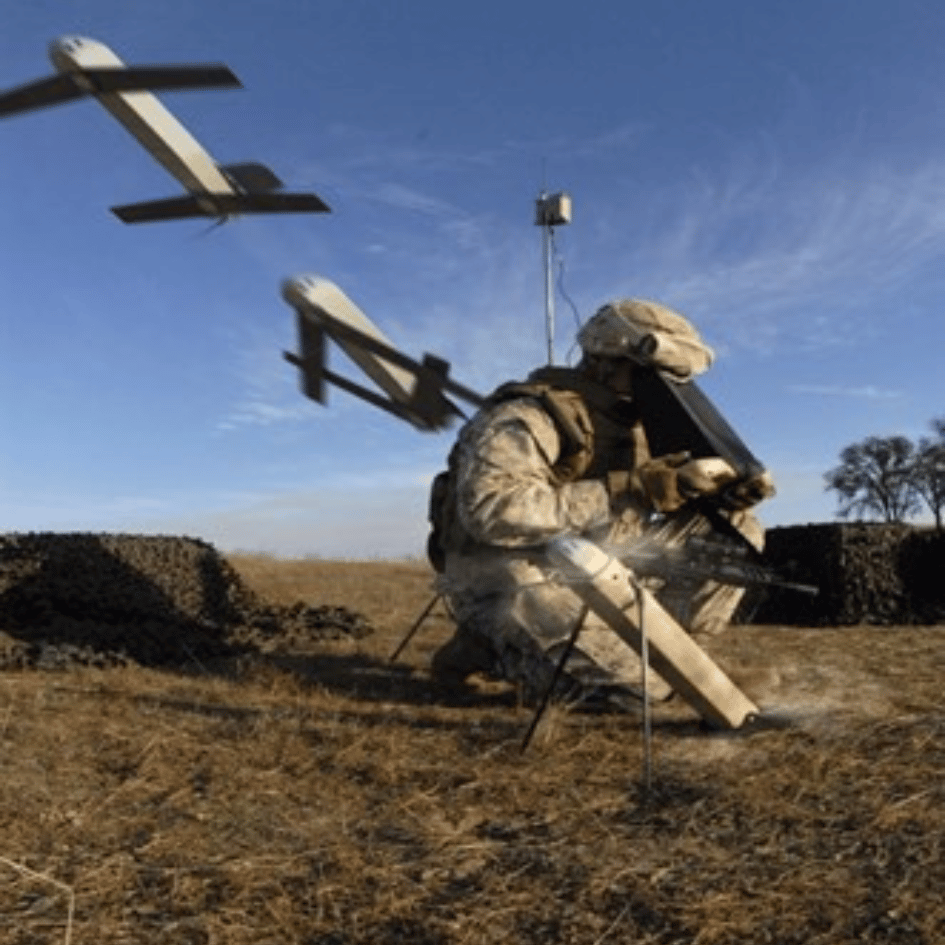
When it comes to raw speed and power, military drones leave their civilian counterparts in the dust, with some models capable of reaching an impressive 230 mph.
The MQ-9 Reaper, a widely used military drone, can cruise at speeds between 170-200 mph and reach a maximum speed of about 300 mph.
However, it’s not just about speed; these drones are designed for versatility and endurance.
You’ll find that military drones often operate at different speeds depending on their mission.
For surveillance tasks, they might fly slower, between 124-220 mph, to maintain extended observation periods. During combat operations, they can exceed 190 mph for rapid deployment and engagement.
The speed capabilities of military drones vary widely.
The Northrop Grumman RQ-4 Global Hawk can reach speeds up to 400 mph, while the advanced Lockheed SR-72 reportedly hits a staggering 1,350 mph.
These impressive speeds are balanced with other essential factors like operational altitude, payload capacity, and endurance.
For instance, the MQ-9 Reaper can stay airborne for up to 27 hours and carry up to 3,800 lb of weapons and equipment, showcasing the complex design considerations that go into these powerful machines.
Specialized High-Speed Drones ( 217 Mph)
While military drones dominate in raw power, specialized racing drones are pushing the boundaries of speed in civilian applications, with a recent collaboration between Red Bull and Dutch Drone Gods achieving an astonishing 217 mph.
This groundbreaking custom-built camera drone was specifically designed to keep pace with and film Formula 1 cars at high speeds. It’s not just about top speed, though; the drone’s acceleration is equally impressive.
You’ll be amazed to learn that it can go from 0 to 186 mph in just 4 seconds, accelerating twice as fast as an F1 car.
The implications of this technology are significant for both drone enthusiasts and the racing industry. With the ability to reach speeds over 350 km/h, this specialized drone opens up new possibilities for capturing high-speed events and providing viewers with unprecedented perspectives.
As drone technology continues to advance, you can expect to see more innovations like this in the future.
These high-speed drones aren’t just pushing the limits of what’s achievable in terms of speed; they’re also revolutionizing how we capture and experience fast-paced events.
Legal Limit For How Fast You Can Fly A Drone
You might be surprised to learn that there’s a legal speed limit for drones in the United States, set by the Federal Aviation Administration (FAA) at 100 mph (87 knots) for small unmanned aircraft systems operating under Part 107 rules.
This limit applies to your drone’s groundspeed, not airspeed, and it’s part of the FAA’s efforts to guarantee safety and reduce risks associated with drone operations.
Whether you’re flying for commercial or recreational purposes under Part 107, you must comply with this speed limit. Even if your drone is capable of flying faster, you’re required to keep it under 100 mph unless you’ve obtained a waiver from the FAA.
If you need to exceed the speed limit, you’ll have to apply for a waiver. This process involves providing detailed safety explanations and risk mitigation strategies to the FAA.
They’ll carefully review your application to make certain that your proposed high-speed operation doesn’t compromise safety.
Factors Affecting How Fast A Drone Can Fly
When it comes to a drone’s speed, several key factors come into play.
You’ll find that motor power and operating voltage greatly influence how fast your drone can go, while its weight and aerodynamics also play important roles.
Additionally, don’t forget that weather conditions, such as wind speed and direction, can greatly impact your drone’s flight speed and overall performance.
Motor Power
Powering a drone’s speed, motor strength plays a pivotal role in determining how fast it can fly. When you’re looking to maximize your drone’s velocity, understanding the impact of motor power is vital.
More powerful motors can propel your drone to greater speeds, allowing you to cover distances quickly and execute high-speed maneuvers with ease.
However, it’s important to note that increased motor power comes with a trade-off. Higher-powered motors consume more battery life, which can greatly reduce your drone’s flight time.
This means you’ll need to balance your need for speed with your desired flight duration.
If you’re interested in pushing the limits of drone speed, you might want to consider FPV (First Person View) drones.
These specialized machines are designed with speed in mind and typically feature more powerful motors than standard GPS drones.
With an FPV drone, you’ll be able to achieve higher velocities and experience the thrill of high-speed flight.
When selecting a drone, take into account your priorities. If speed is your primary concern, opt for a model with higher motor power. But if you’re looking for longer flight times, you might need to compromise on speed.
Operating Voltage
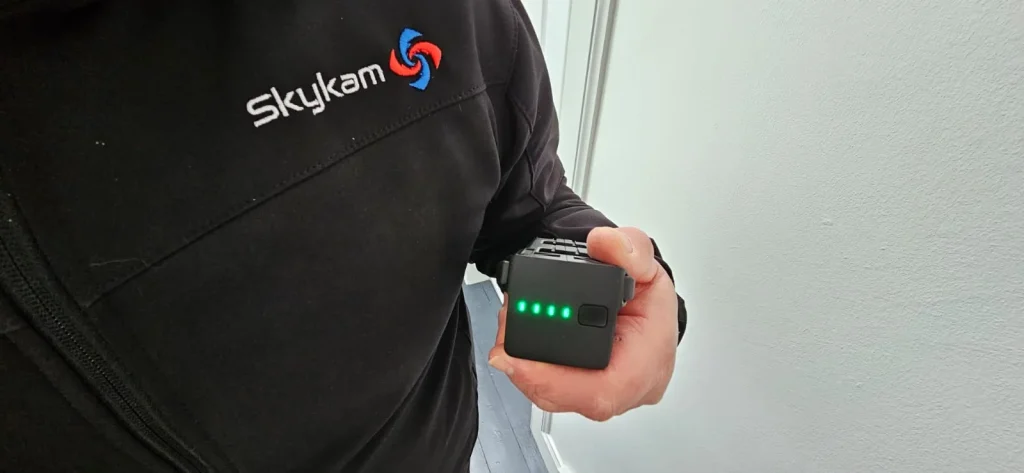
Operating voltage and motor power are key factors in determining a drone’s maximum speed. When considering speed, understanding the impact of voltage on performance is crucial.
The higher the voltage, the more power drone motors can generate, leading to increased speed capabilities.
LiPo (Lithium Polymer) batteries, commonly used in drones, come in various configurations such as 2s, 4s, or 6s, indicating the number of cells in series.
A 6s battery provides more voltage than a 4s or 2s battery, leading to enhanced motor performance and higher potential speeds.
To maximize speed, opting for a higher voltage drone battery can be beneficial.
However, ensure that your drone’s components are compatible with the increased voltage. By selecting the right voltage, you can unleash your drone’s full speed potential and enjoy more thrilling flights.
Drone Weight and Aerodynamics
Many factors influence a drone’s top speed, but weight and aerodynamics are among the most critical. You might assume that lighter drones always fly faster, but that’s not necessarily the case.
While weight does play a role, it’s not the only determining factor.
The drone’s size and aerodynamic profile are equally important in achieving higher speeds. A well-designed drone with a streamlined shape can cut through the air more efficiently, reducing drag and allowing for faster flight.
Even a heavier drone with excellent aerodynamics may outperform a lighter one with poor design.
Air friction is a significant hurdle for drones, and minimizing this resistance is key to increasing speed. Manufacturers often focus on creating smooth surfaces and optimizing the drone’s overall shape to reduce air resistance.
This attention to aerodynamic detail can make a substantial difference in a drone’s top speed.
When you’re considering a drone’s potential speed, don’t just look at its weight. Instead, pay attention to its overall design, including the body shape, propeller configuration, and any features meant to improve aerodynamics.
These elements work together to determine how fast your drone can ultimately fly.
Weather Conditions
When you’re planning a drone flight, you can’t overlook the impact of weather conditions on your device’s speed and performance.
Wind, in particular, plays an important role in determining how fast your drone can fly.
Strong headwinds can greatly reduce your drone’s forward speed, forcing it to work harder and consume more power to maintain its position or make progress.
If you’re flying against the wind, you’ll notice your drone’s speed decrease and its battery drain more quickly. Conversely, tailwinds can give your drone a boost, allowing it to achieve higher speeds with less effort.
However, be cautious when flying with a tailwind, as it can make it more challenging to slow down or stop your drone when needed.
Other weather factors like temperature, rain, and air pressure can also affect your drone’s performance. Extreme temperatures may impact battery efficiency, while high humidity can interfere with electronic components.
To ensure efficient speed and flight time, always check weather forecasts before flying and adjust your plans accordingly. Remember, flying in adverse conditions not only affects your drone’s speed but also increases the risk of accidents or loss of control.
Guinness World Record For Fastest Drone
You might be surprised to learn that the fastest drone in the world can zip through the air at an astonishing 298.47 mph, according to the Guinness World Record. This incredible feat was achieved by Luke Maximo Bell with his custom-built quadcopter, aptly named Peregrine 2.
Bell’s achievement shattered the previous record of 224 mph set by Ryan Lademann, pushing the boundaries of what’s possible in drone technology.
To put this speed into perspective, consider that just a few years ago, in 2017, the Drone Racing League (DRL) set what was then considered a remarkable speed milestone of 163.5 mph. The rapid advancement in drone speed capabilities is a reflection of the continuous innovation in this field.
When you’re thinking about how fast a drone can fly, it’s important to understand that these record-breaking speeds are achieved with highly specialized, custom-built racing drones.
They’re a far cry from the consumer drones you might use for photography or recreational flying.
Nevertheless, these world records showcase the potential of drone technology and hint at exciting future developments in the world of unmanned aerial vehicles.
Conclusion
You’ve seen that drones can fly at vastly different speeds, from leisurely recreational models to lightning-fast racing drones and military aircraft. Remember, it’s not just about raw speed; factors like battery life, wind resistance, and legal restrictions all play a role.
Whether you’re a hobbyist or a professional, always fly within your drone’s capabilities and local regulations. As technology advances, we’ll likely see even faster drones pushing the boundaries of what’s possible in the skies.

