
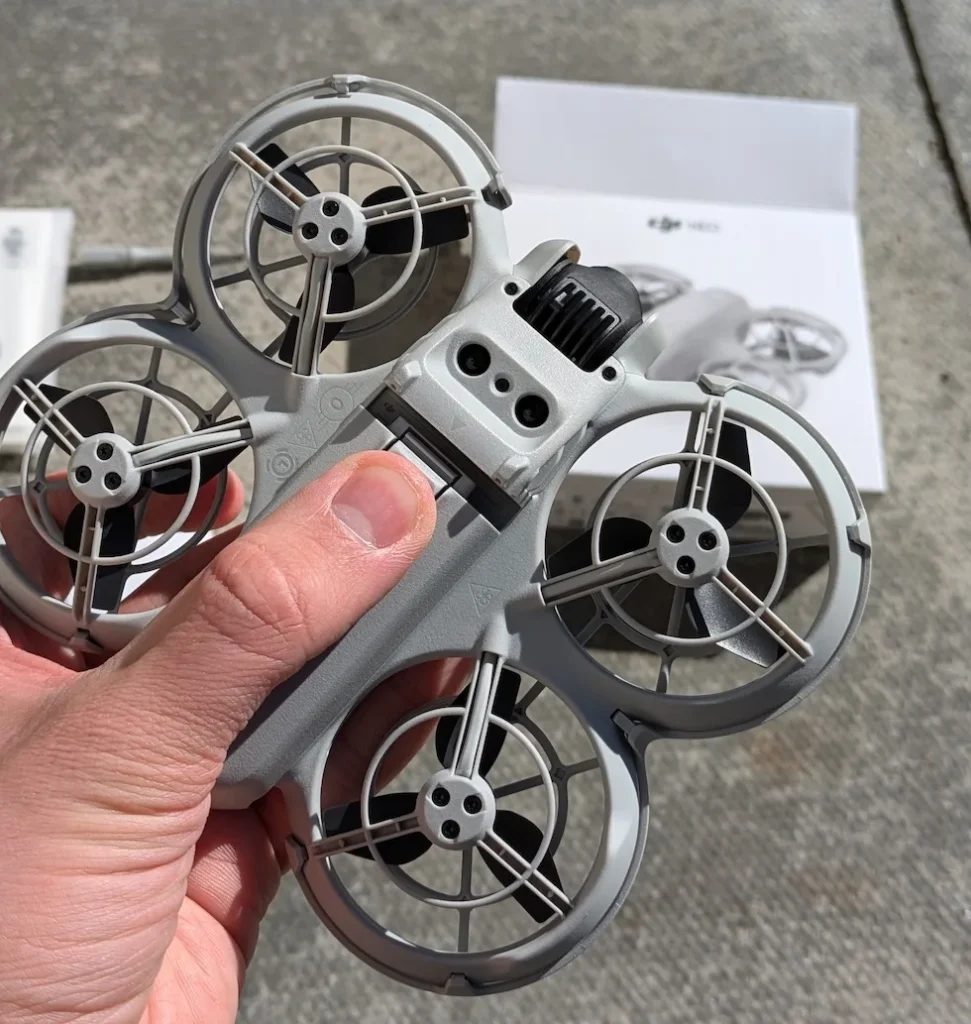

The DJI NEO drone offers a maximum flight time of 18 minutes without propeller guards, or 17 minutes with them. However, in real-world conditions, you can expect 12-15 minutes of actual flight time. This Li-ion battery packs 1435 mAh capacity and 10.5 Wh of energy into a compact 45g package. Recharging takes about 50 minutes via USB-C or 60 minutes using the Two-Way Charging Hub for three batteries.
The battery’s lifespan typically ranges from 300-500 charge cycles or 2-3 years.
Understanding the factors affecting battery performance can help you maximize your drone’s airtime.
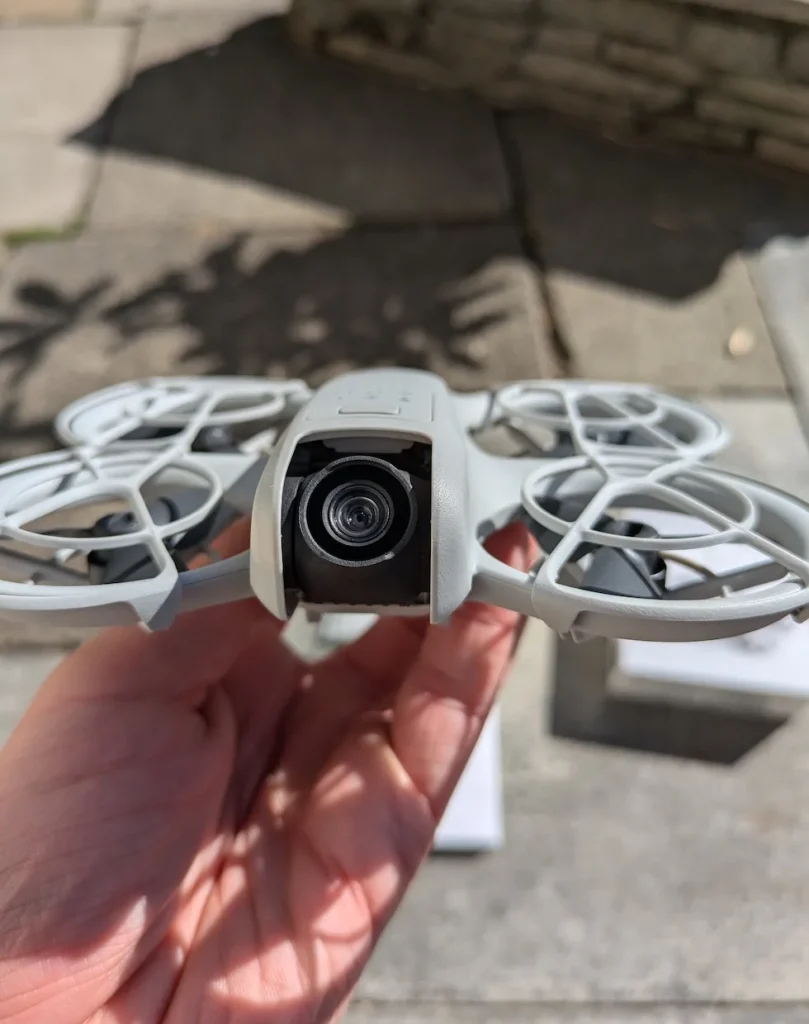
Max flight time on full battery charge
Battery life is an important factor for drone enthusiasts. When it comes to the maximum flight time for the DJI Neo on a full battery charge, you’ll find that the official specifications are quite impressive.
Under controlled conditions, the DJI NEO can achieve approximately 18 minutes of flight time without propeller guards and about 17 minutes with them installed.
However, I want to emphasize that these figures are based on ideal circumstances that you’re unlikely to encounter in real-world scenarios. It’s essential to understand that these lab conditions don’t reflect typical usage patterns.
In my experience, and for most users, it’s more realistic to expect between 12 to 15 minutes of actual flight time per battery charge. Factors such as wind resistance, varying altitudes, and dynamic flight patterns will all impact your battery life.
I always recommend having spare batteries on hand to extend your flying sessions and make the most of your DJI NEO experience.
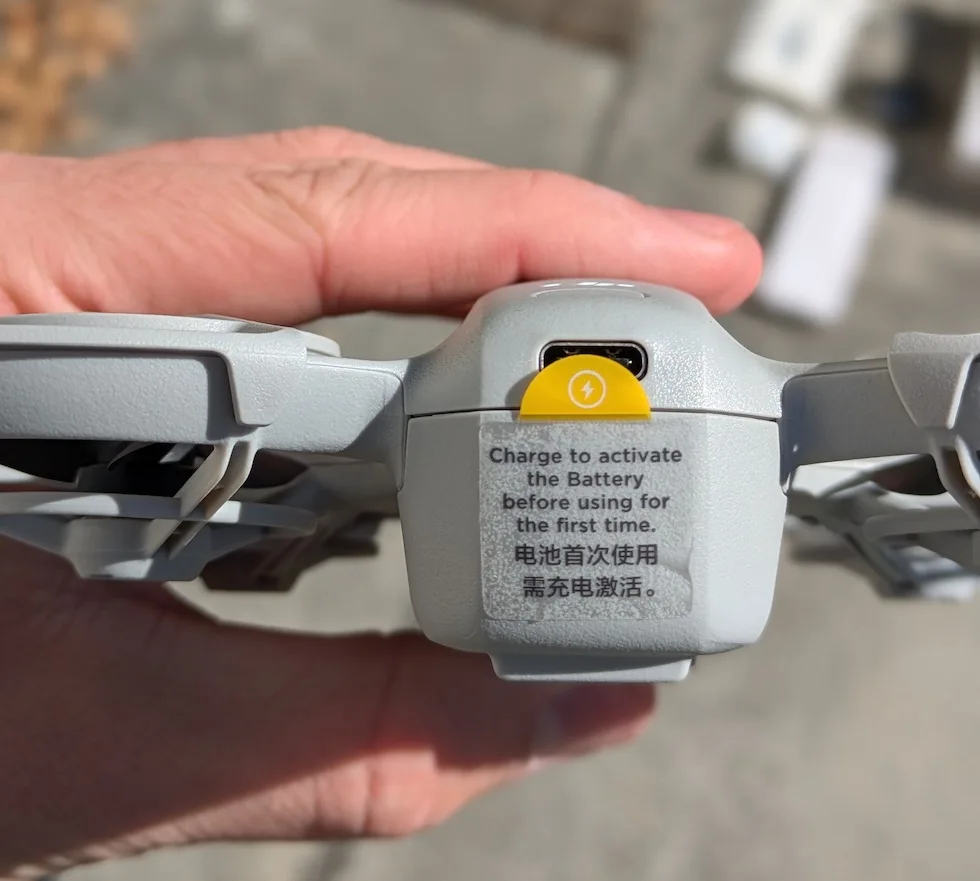
Time required for a full battery recharge
Recharging your DJI NEO’s battery is a critical aspect of maintaining your drone’s flight readiness. I’ll explain the two primary methods you can use to recharge your DJI Neo battery, each with its own advantages.
Two-Way Charging Hub
The first option is using the Two-Way Charging Hub, which allows you to charge up to three batteries simultaneously. With this method, you can expect a charging time of approximately 60 minutes to bring all three batteries from 0% to 100% charge. This is particularly efficient if you own multiple batteries and want to maximize your flight time.
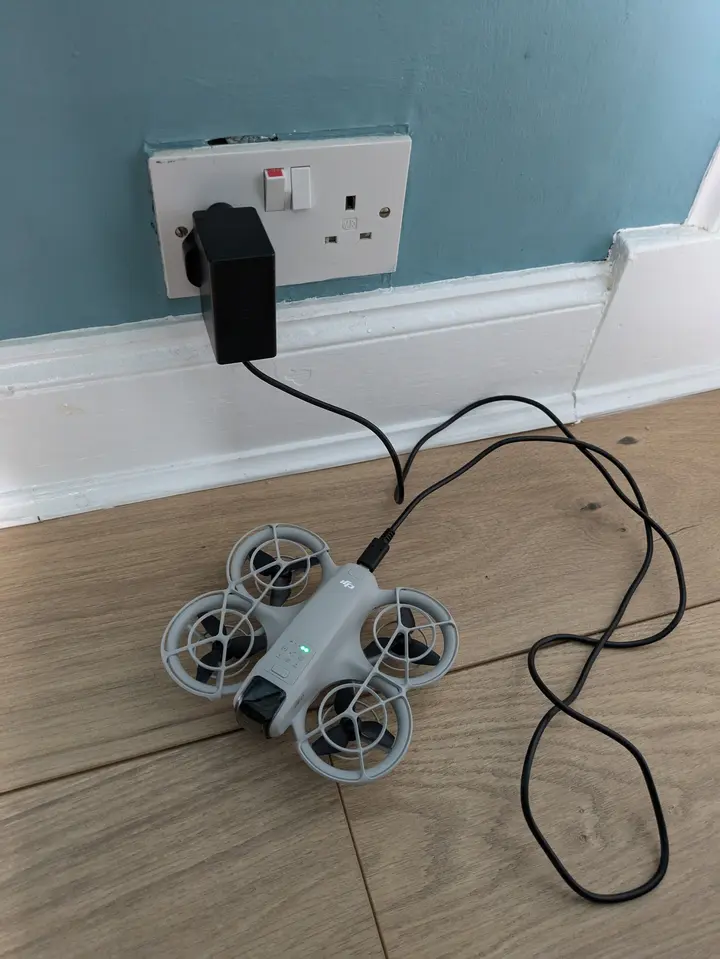
USB-C Port On Drone
Alternatively, you can charge your battery directly through the drone’s USB-C port. This method takes slightly less time, requiring about 50 minutes to fully charge a single battery from 0% to 100%. While this approach is quicker for a single battery, it’s less convenient if you need to charge multiple batteries.
I recommend considering your specific needs and flight patterns when choosing between these charging methods. If you frequently use multiple batteries, the Two-Way Charging Hub might be more suitable, while occasional flyers might find the direct USB-C charging method sufficient.
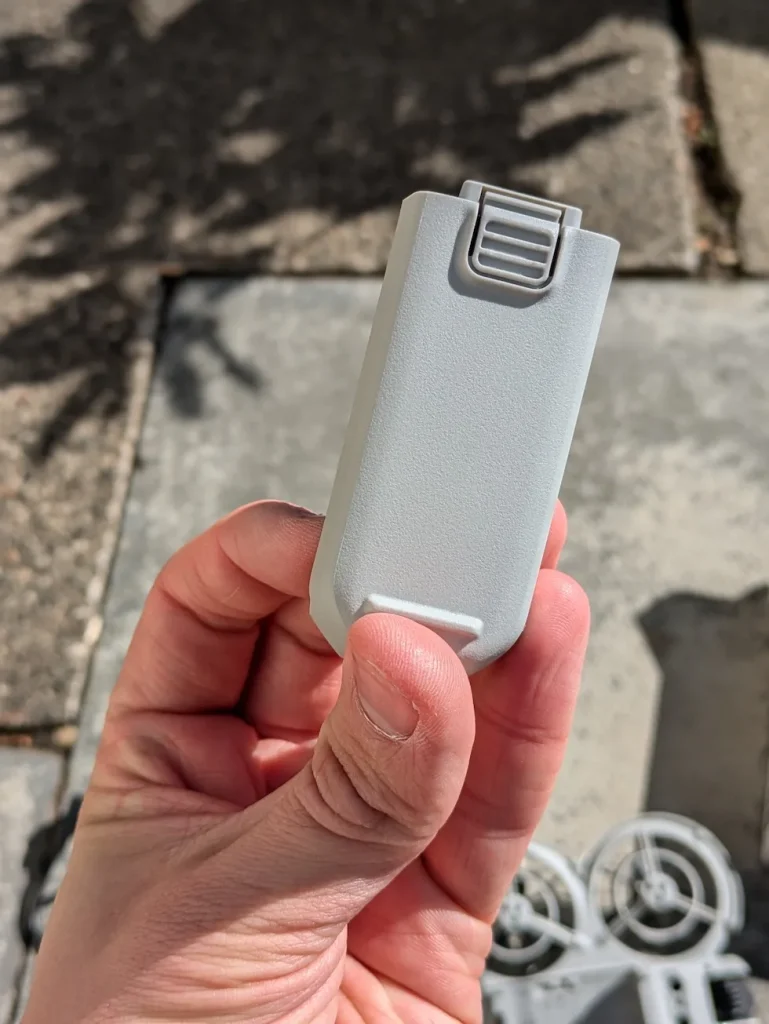
Effects of conditions on battery life
When it comes to maximizing your DJI NEO battery’s lifespan, understanding how various conditions affect its performance is critical.
I’ll guide you through some key factors, including the importance of cooling before charging, ideal temperature ranges for charging and operation, and how batteries discharge when idle or during transportation.
When it comes to maximizing your DJI NEO battery’s lifespan, understanding how various conditions affect its performance is critical. I’ll guide you through some key factors, including the importance of cooling before charging.
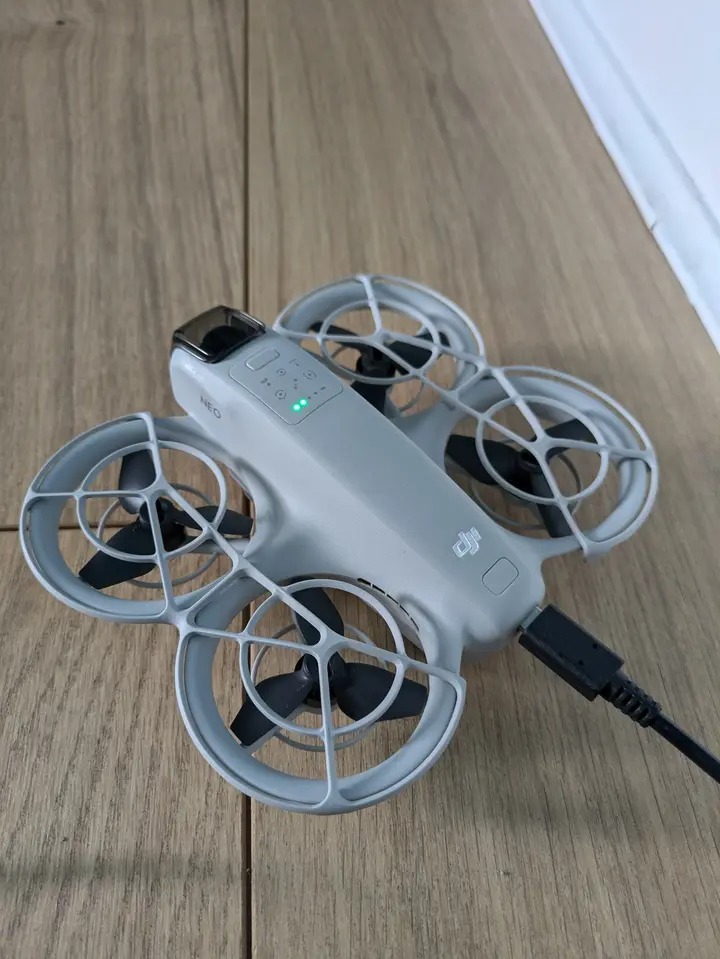
Cooling Before Charging
Always allow your DJI NEO battery to cool down before recharging.
After a flight, your Intelligent Flight Battery may be too hot to safely charge immediately. This cooling period is imperative for maintaining the battery’s health and longevity.
I recommend waiting until the battery has reached the allowable charging temperature before plugging it in.
This practice not only guarantees your safety but also helps preserve the battery’s overall capacity and performance.
The cooling process is a natural part of battery management that you shouldn’t overlook. When you’ve just completed a flight, especially in warm conditions or after intensive use, the battery’s internal temperature can be considerably elevated.
Charging a hot battery can lead to decreased efficiency and potentially damage the cells. By giving your DJI NEO battery time to cool, you’re allowing its internal components to stabilize.
This patience pays off in the long run, as you’ll likely see better battery performance and a longer lifespan for your device. Remember, proper battery care is an indispensable aspect of drone maintenance that directly impacts your flying experience.
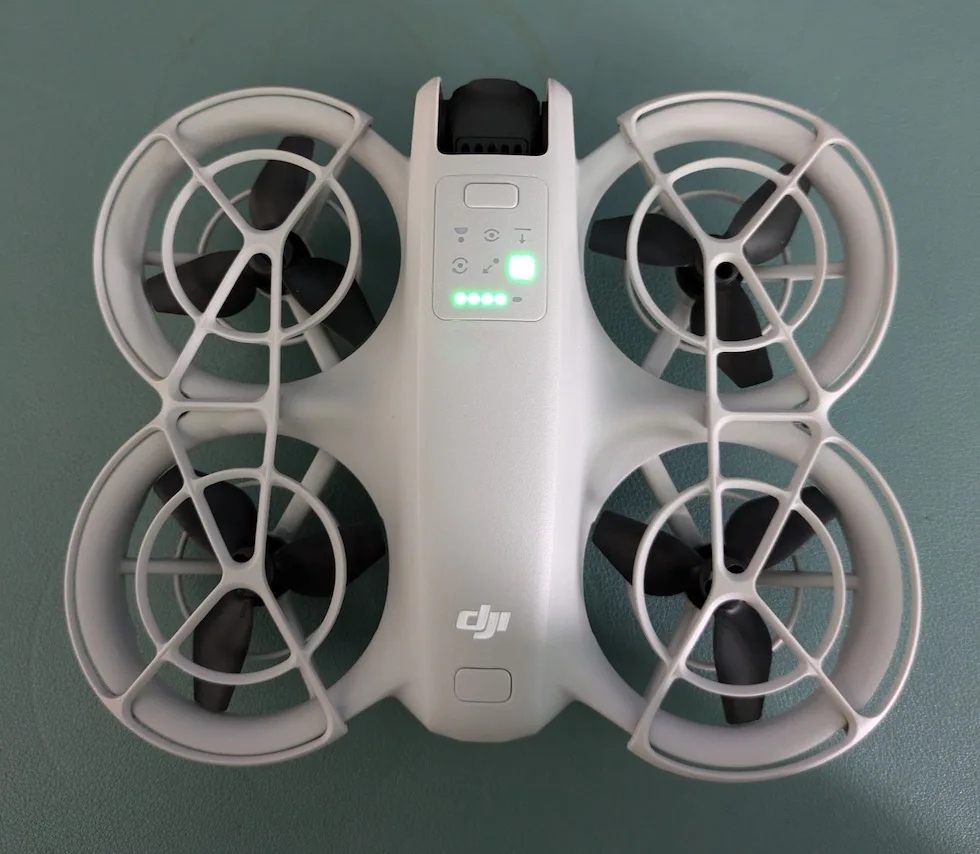
Charging Temperature Range
Understanding the ideal charging temperature range for your DJI NEO battery is key to maximizing its lifespan and performance. I’ll explain the paramount conditions for charging your battery and why they’re indispensable.
The DJI NEO battery has a specific temperature range within which it’s safe to charge, spanning from 5°C to 40°C (41°F to 104°F). This range is designed to prevent damage to the battery cells during the charging process.
While charging is possible within this broader range, there’s a prime temperature window that you should aim for. The sweet spot lies between 22°C and 28°C (71.6°F to 82.4°F). Charging your battery within this narrower range can considerably prolong its overall lifespan.
It’s worth noting that the battery has a built-in safety mechanism: if the temperature of the cells exceeds 55°C (131°F) during charging, the process will automatically stop to prevent damage.
By being mindful of these temperature guidelines, you’ll ensure that your DJI NEO battery not only charges safely but also maintains its capacity and performance over time, giving you more flight time and reliability in the long run.

Idle Battery Discharge
Your DJI NEO battery doesn’t stop working when it’s not in use. In fact, it continues to discharge slowly over time, even when it’s fully charged and sitting idle. This process is normal and expected for lithium-ion batteries like the one in your DJI NEO.
As the battery discharges, you might notice that it feels warm to the touch. Don’t be alarmed; this heat emission is a natural part of the discharge process.
If you plan to store your DJI NEO for an extended period, it’s critical to monitor its battery charge level. I recommend checking it periodically and recharging if necessary to prevent it from dropping too low.
Allowing the battery to discharge completely can damage its cells and reduce its overall lifespan.
To maximize your battery’s performance and longevity, it’s best to store it at around 50% charge in a cool, dry place. This practice will help minimize the rate of idle discharge while ensuring the battery remains in good condition for your next flight.
Battery Transportation
While proper storage is important, transporting your DJI NEO battery requires special attention. I want to emphasize that safety should be your top priority when moving these batteries from one location to another.
To minimize risks during transit, it’s essential to keep the battery’s power level low. I recommend discharging your DJI NEO battery to 30% or lower before any transportation.
This precautionary measure serves multiple purposes. First, it reduces the energy stored in the battery, which can mitigate potential hazards in case of accidental damage or short circuits during transit. Second, a lower charge state can help preserve the battery’s overall lifespan, as high charge levels during transport may contribute to accelerated degradation.
You might wonder how to achieve this 30% discharge level. I suggest using your drone for a flight session until the battery reaches the desired percentage, or employing a battery discharge function if available.
Remember, while it may seem counterintuitive to intentionally drain your battery, this practice is essential for safe transportation. Always consult your DJI NEO’s user manual for specific guidelines on battery handling and transportation procedures.
Battery Specifications Of The DJI Neo
Understanding the battery specifications of the DJI Neo is essential for maximizing your drone’s performance. Let’s immerse into the details of this compact powerhouse.
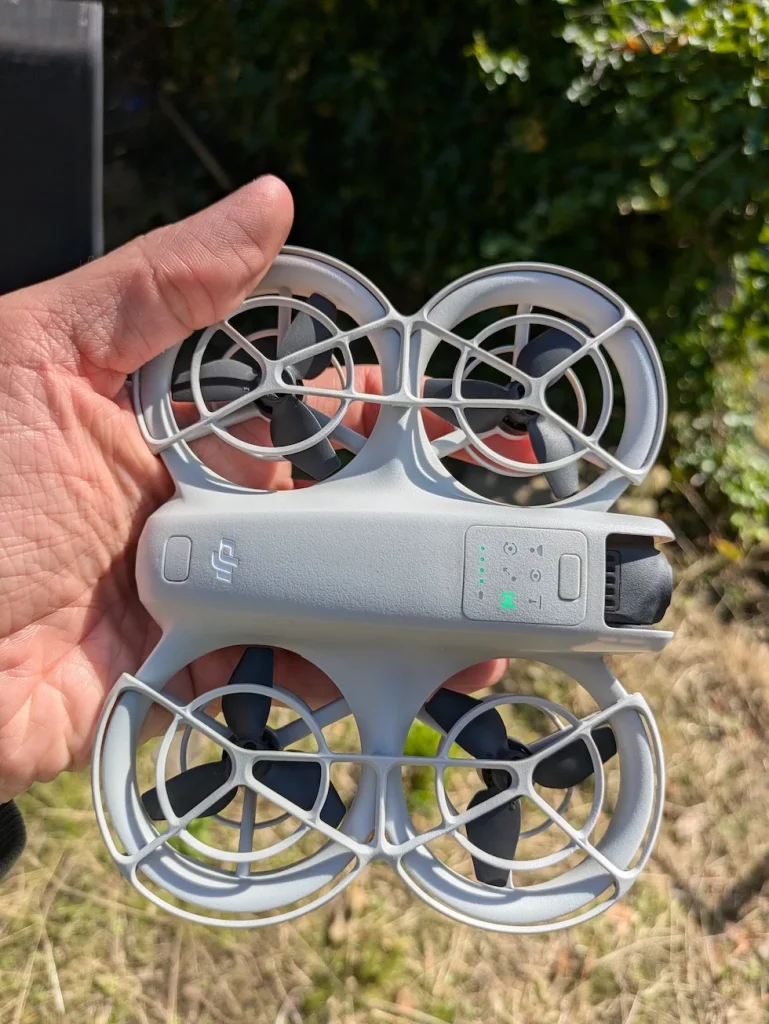
The DJI Neo battery is a Li-ion type with a capacity of 1435 mAh, which is quite impressive for its size. It operates at a nominal voltage of 7.3V, guaranteeing consistent power delivery to your drone.
When it comes to charging, you’ll want to pay attention to the maximum charging voltage of 8.6V to avoid damaging the battery.
The energy output of this battery is 10.5 Wh, providing ample power for your flights. Weighing in at approximately 45g, it’s a lightweight solution that won’t drastically impact your drone’s payload capacity. I find it vital to understand these specifications, as they directly affect your flight times and overall drone performance.
By knowing the battery’s capacity and energy output, you can better plan your flights and guarantee you’re not pushing the limits of your power source.

Battery lifespan in terms of charge cycles
Longevity is a crucial factor when considering the DJI Neo’s battery performance. As with most lithium-ion batteries, you can expect the Neo’s battery to last around 300-500 charge cycles or 2-3 years, whichever comes first. It’s important to understand that a charge cycle isn’t just a single charge; it’s defined as using the battery from fully charged to fully discharged and then fully recharged again.
I’d like to point out that the number of charge cycles a battery can undergo before significant capacity loss depends on several factors. While most consumer lithium-ion batteries are rated for about 300-500 full charge cycles, higher quality lithium iron phosphate (LiFePO4) batteries can last for thousands of cycles.
However, it’s worth noting that partial charging and discharging counts as a fraction of a cycle. For instance, if you discharge your Neo’s battery to 50% and then recharge it, that only counts as half a cycle.
This knowledge can help you maximize your battery’s lifespan by avoiding full discharge cycles when possible.
Conclusion
I’ve covered the essential aspects of the DJI Neo battery, from its flight time to recharge duration and lifespan. While the battery’s performance is impressive, it’s pivotal to remember that various factors can affect its longevity and efficiency.
By understanding these elements and following proper care guidelines, you’ll be able to maximize your drone’s flight time and overall battery life. Always stay informed about battery updates and best practices for ideal performance.

