
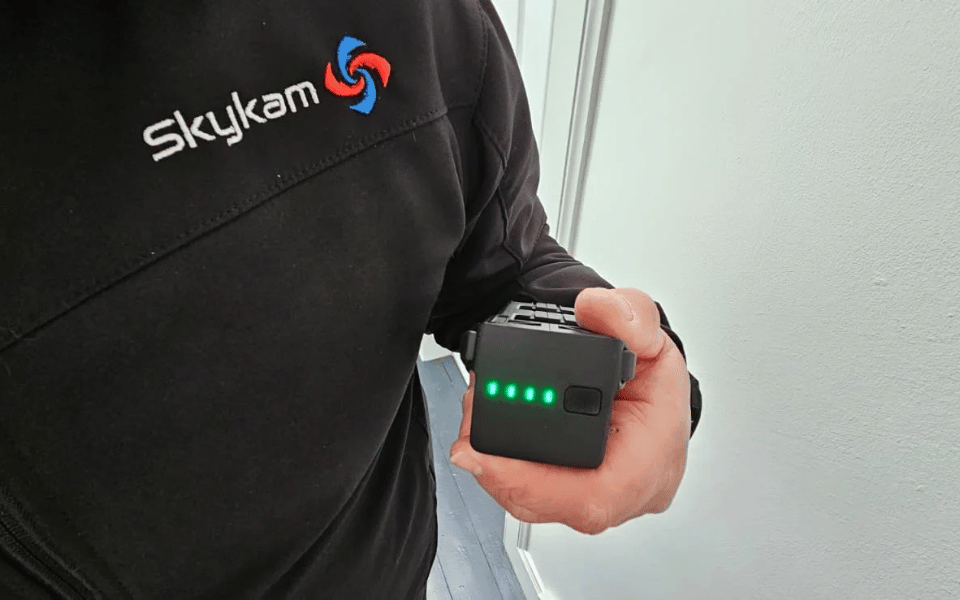

You’ve probably experienced that frustrating moment when your drone starts blinking with a low battery warning just as you’re capturing the perfect shot.
Drone battery life remains one of the most significant limitations in aerial photography and videography. But what affects this limited window of operation? And can you extend it?
The answers might surprise you as we uncover the truth about drone battery performance.
30 Second Summary
Most batteries last 20-30 minutes per charge, but aggressive flying drains them faster. Extreme temps also impact performance. To extend flight times, get a high-capacity battery and fly steadily in moderate conditions. Keep an eye on battery health too – replace them after 300-500 cycles to avoid mid-air failures.
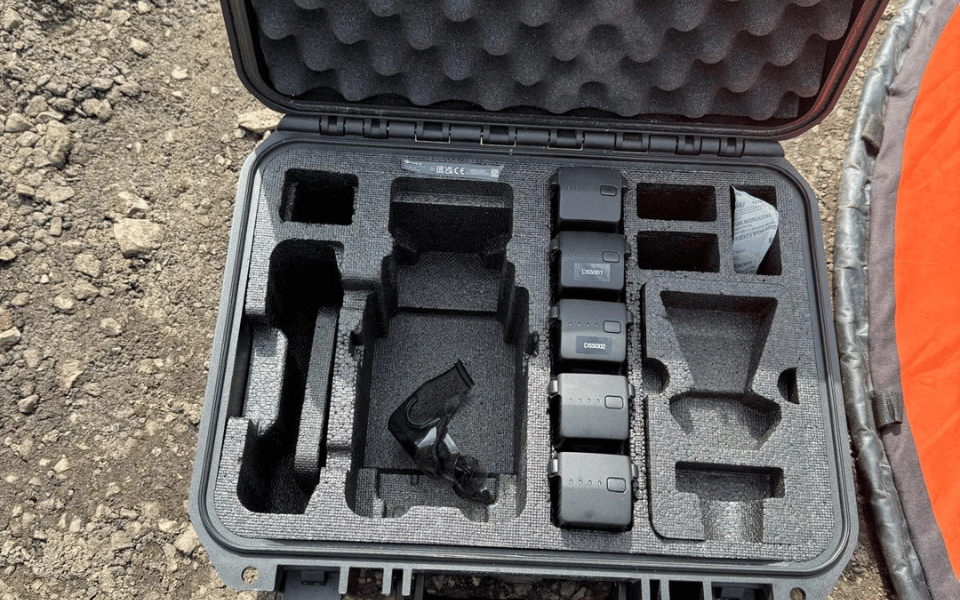
Drone Batteries Typically Last 20-30 Minutes of Flight Time Per Charge
When exploring the world of drone flying, one of the first realities you’ll encounter is the limited battery life that constrains your aerial adventures. Most consumer drones on the market today offer flight time ranging from 20 to 30 minutes per full charge.
The battery technology varies significantly depending on the drone category you’re using. If you’ve invested in a smaller, more compact drone, you can expect only 10 to 20 minutes of air time. High-end professional models perform better, delivering 45 minutes to an hour of flight time.
For specialized industrial applications, advanced power systems can keep drones airborne for 1-2 hours, with exceptional models like the JOUAV CW-30E achieving remarkable 10-hour flights.
Understanding these limitations helps you plan your drone sessions more effectively.
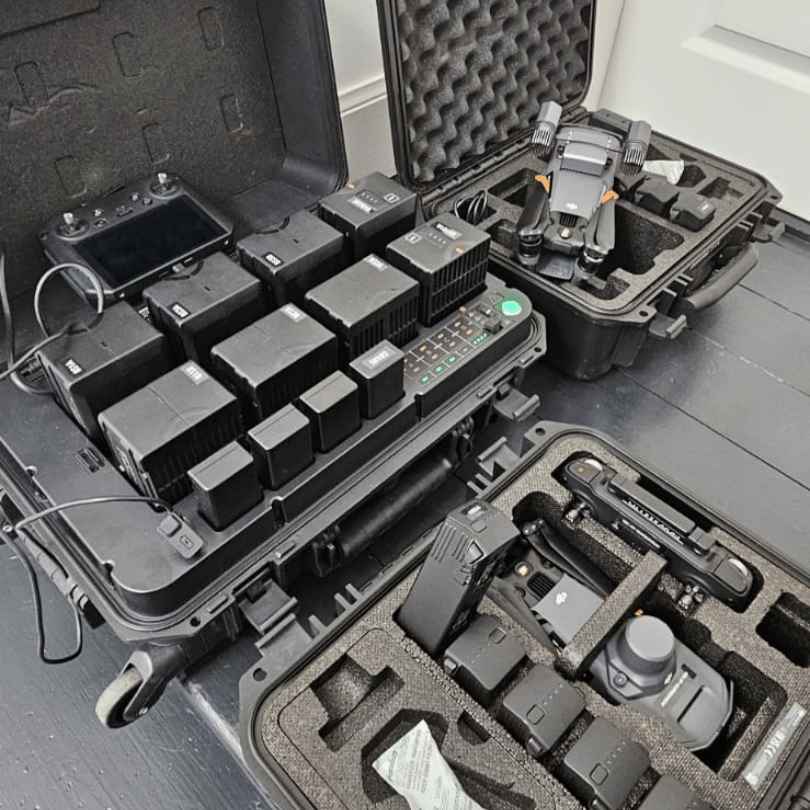
Drone Battery Lifespan Ranges From 300-500 Charge Cycles
Beyond the flight time per charge, understanding the total lifespan of your drone battery is crucial for long-term ownership planning. Most drone batteries, particularly LiPo models, will serve you for approximately 300 to 500 complete charge cycles before significant battery degradation occurs.
In practical terms, this translates to about 1 to 3 years of regular drone operation, depending on how frequently you fly and how well you maintain your batteries.
Some batteries may only last 150 to 300 charge cycles, even under ideal conditions.
Each charge cycle gradually reduces your battery’s capacity and performance. By knowing these limitations, you can better budget for replacement batteries and maximize your investment in drone technology. Regular maintenance and proper storage between flights can help extend your battery’s usable lifespan.
Multiple Factors Affect Drone Battery Flight Time
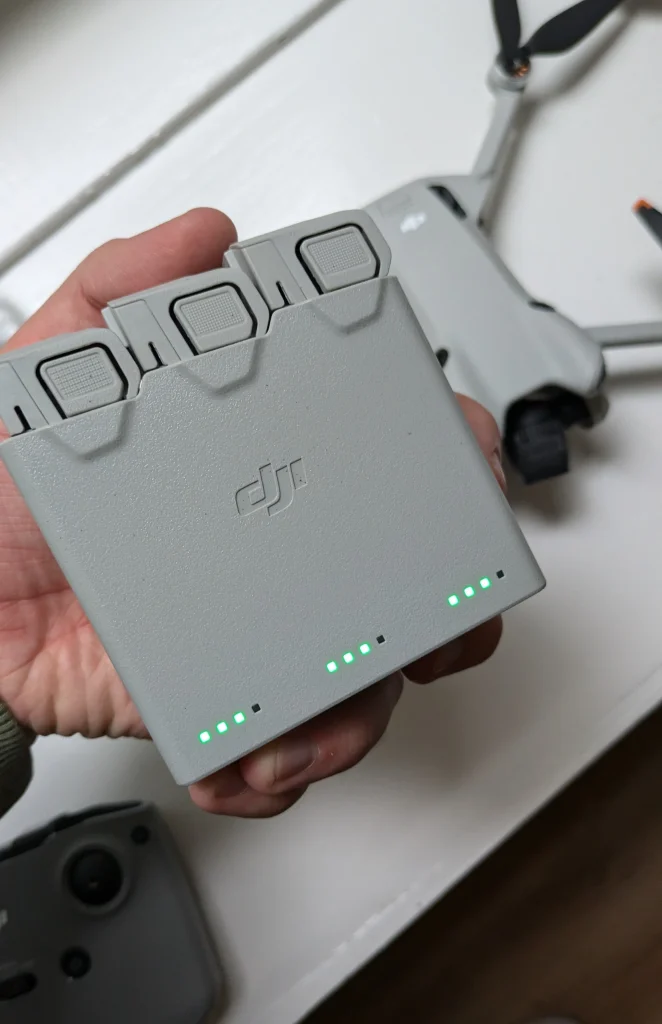
Your drone’s flight time depends on multiple physical and operational factors that work together. Drone weight, battery capacity (mAh), environmental conditions like wind and temperature, flight behavior, and payload all significantly impact how long you’ll stay airborne.
If you’re looking to maximize your drone’s time in the sky, you’ll need to optimize these variables and adjust your expectations based on your specific drone model and flying conditions.
Heavier drones require more power to stay aloft
The weight of your drone directly impacts its battery life, as physics demands more energy to lift and sustain heavier objects in the air. You’ll notice that manufacturers often list maximum flight times based on optimal conditions with minimal payloads.
For every additional gram you add to your drone—whether through accessories, cameras, or protective gear—the power requirements increase proportionally.
Professional drones weighing 2-3kg typically achieve 20-30 minutes of flight, while lightweight mini drones under 250g might fly for 30-45 minutes on a single charge.
When planning flights, remember that drone weight affects not only how long you can fly but also performance characteristics like acceleration and maneuverability.
If you’re looking to maximize airtime, consider removing non-essential components or investing in models specifically designed for extended flight operations.
Higher capacity (mAh) batteries provide longer flight times
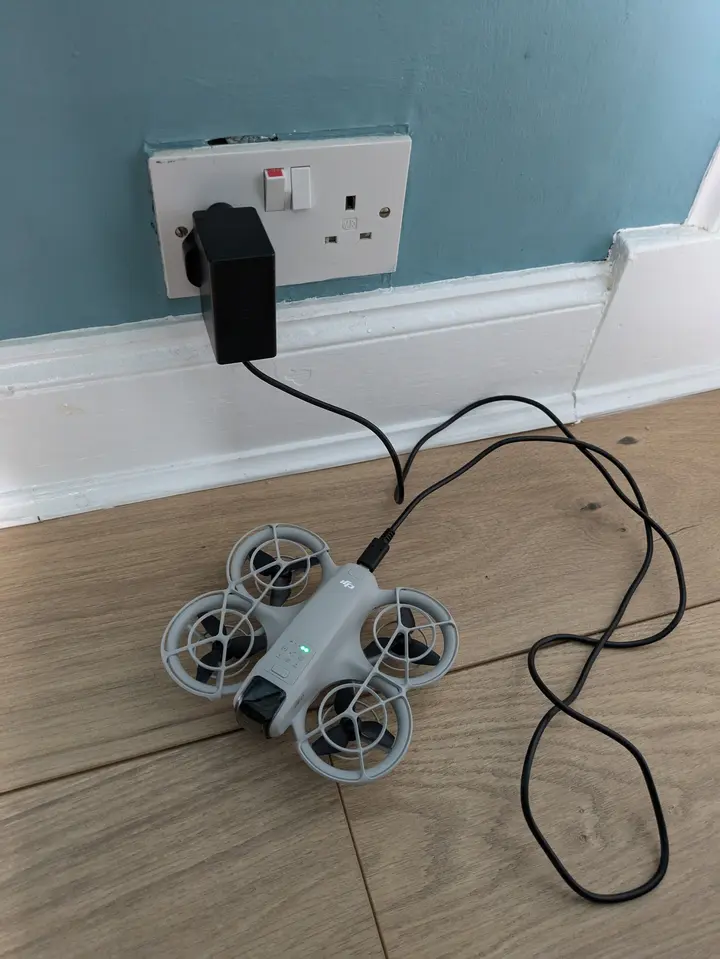
Battery capacity, measured in milliampere-hours (mAh), stands as a primary determinant of your drone’s flight time. When shopping for drones, you’ll notice that manufacturers prominently advertise battery capacity—and for good reason.
A 3000mAh battery stores roughly twice the energy of a 1500mAh one, potentially doubling your flying time.
Modern battery technology has evolved significantly, with lithium-polymer (LiPo) batteries offering superior energy density compared to older options. However, there’s always a trade-off. Higher capacity batteries weigh more, which can reduce flight efficiency. The key is finding the optimal balance for your specific drone model.
Some pilots invest in multiple batteries to extend their sessions rather than relying on a single high-capacity battery that might impact performance. This approach gives you continuous flight time without compromising your drone’s agility.
Wind, extreme temperatures, and altitude affect battery performance
While a battery’s capacity sets the baseline for flight time, environmental conditions play a crucial role in real-world performance. When flying in windy conditions, your drone must work harder against wind resistance, consuming more power to maintain position and stability. This extra effort can reduce flight times by 20-30% in moderate winds.
Temperature fluctuations significantly impact battery efficiency. In cold weather (below 50°F/10°C), battery chemistry slows down, potentially cutting flight time in half. Hot temperatures above 90°F/32°C can also decrease performance while risking battery damage.
Altitude impact is another consideration. At higher elevations, thinner air requires motors to work harder, draining batteries faster. Always check weather conditions before flying and adjust your flight plans accordingly to maximize your drone’s battery life.
Aggressive maneuvers and high speeds drain batteries faster than steady flight
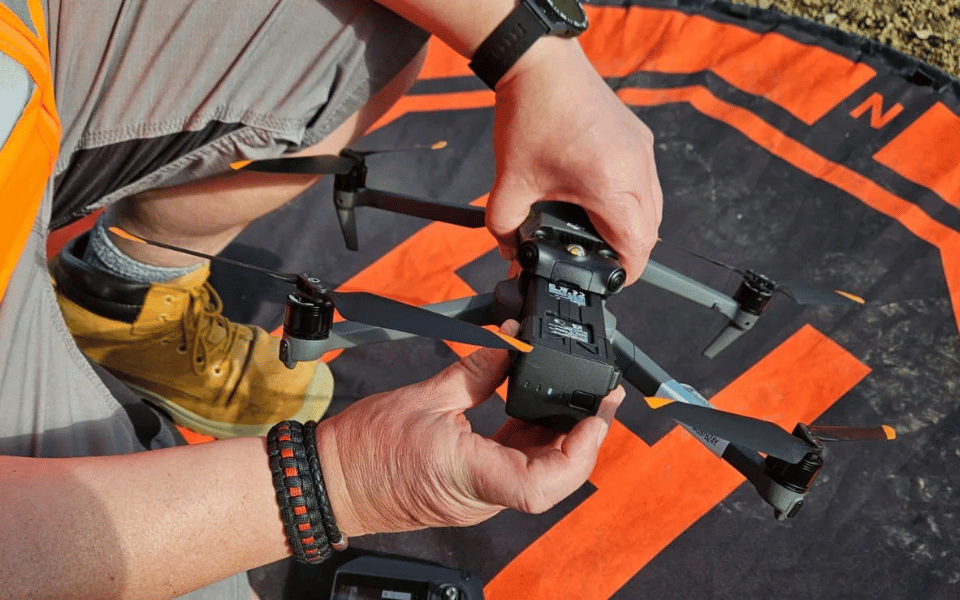
Flying in a calm, steady manner significantly extends your drone’s battery life compared to performing aggressive maneuvers. When you execute rapid accelerations, sharp turns, or sudden climbs, your drone’s motors must work harder, consuming more power in the process.
High-speed flights also increase air resistance, forcing motors to draw additional current to maintain velocity. You’ll notice this drain particularly when performing aerial stunts like flips, rolls, and quick directional changes. These aggressive maneuvers can reduce your flight time by 20-30% compared to hovering or slow, consistent flight patterns.
To maximize flight efficiency, practice smooth control inputs and gradual transitions between movements. If you’re planning to capture aerial footage, slower, methodical flights not only conserve battery power but also result in more stable, professional-looking video.
Carrying cameras or other equipment increases power consumption
Adding any extra payload to your drone dramatically increases its power requirements. When you attach a camera, gimbal, or other accessories, you’re forcing the motors to work harder to maintain flight stability. Camera weight is one of the most significant factors affecting battery consumption, as even lightweight action cameras can reduce your flight time by 10-15%.
Equipment efficiency matters too. Older or poorly designed accessories draw more power from your battery system than newer, more efficient options. If you’re planning to use your drone for photography or videography, you’ll need to account for this increased drain.
Consider investing in specialized “endurance” batteries if you regularly fly with equipment, or plan shorter flight sessions with standard batteries to avoid unexpected landings due to premature battery depletion.
Different Types of Drone Batteries Offer Varying Performance Benefits
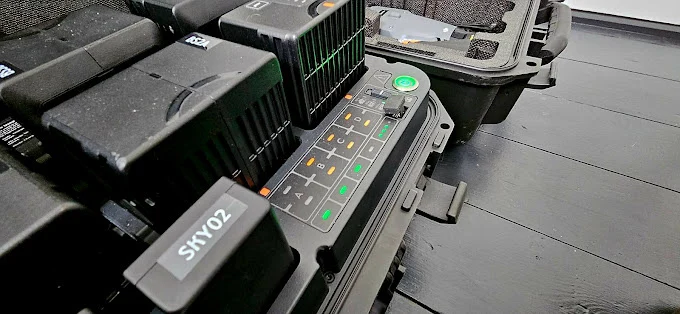
You’ll find several battery technologies powering today’s drones, each with distinct advantages and limitations. Lithium Polymer (LiPo) batteries dominate the consumer market with their lightweight design and high discharge rates, while Lithium-Ion (Li-ion), Nickel Metal Hydride (NiMH), and Lithium Iron Phosphate (LiFePO4) offer alternatives with varying energy densities, cycle lives, and safety profiles.
Understanding these battery types helps you select the right power source for your specific drone and flying needs.
Lithium Polymer (LiPo)
Lithium Polymer (LiPo) batteries dominate the drone market for good reason. Their exceptional power-to-weight ratio delivers the performance you need without adding unnecessary bulk to your aircraft.
You’ll appreciate how these lightweight powerhouses provide the energy required for longer flights and more responsive controls compared to other battery types.
However, LiPo safety concerns shouldn’t be overlooked. These batteries can catch fire if punctured, overcharged, or discharged below minimum voltage levels.
You’ll need to store them in fireproof bags, avoid charging unattended, and inspect regularly for damage or swelling.
Despite these precautions, LiPo advantages clearly outweigh the risks for most drone pilots. With proper handling and respect for their chemical properties, these batteries offer the best combination of flight time and power currently available.
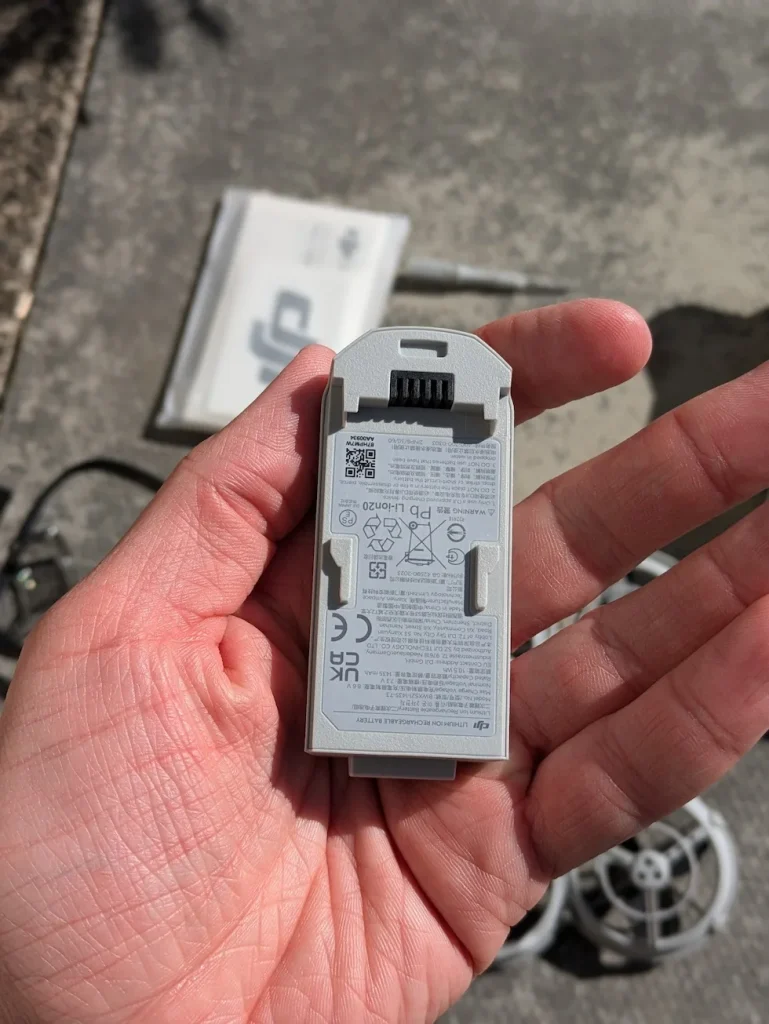
Lithium-Ion (Li-ion)
While less common in high-performance drones, Lithium-Ion (Li-ion) batteries offer compelling advantages for pilots prioritizing safety and longevity over maximum power. These batteries have a significantly longer lifespan than their LiPo counterparts, often lasting through hundreds more charging cycles before needing replacement.
One of the key lithium ion advantages is their enhanced stability and safety profile. You’ll face less risk of fire or explosion, making them ideal for beginners or those flying in sensitive environments. The increased weight is their primary drawback, resulting in reduced flight time and agility compared to LiPo options.
If you’re willing to sacrifice some performance for durability, Li-ion batteries provide excellent value over time. Their longer service life means you’ll spend less on replacements, making them economically advantageous for casual or commercial pilots.
Nickel Metal Hydride (NiMH)
Nickel Metal Hydride (NiMH) batteries represent an older but still relevant technology in the drone industry, particularly for pilots prioritizing safety over performance. You’ll find these batteries offer distinct NiMH advantages, including significantly improved safety features compared to lithium alternatives. They’re also more environmentally friendly, containing fewer toxic materials and posing less risk during disposal.
However, NiMH disadvantages become apparent when examining flight performance. The technology’s heavier weight directly impacts your drone’s flight time and agility. Their lower energy density means you’ll carry more battery weight for less flight time, making them impractical for professional aerial photography or long-range operations.
For hobbyists concerned about battery fires or those flying in environmentally sensitive areas, NiMH batteries remain a viable option despite their performance limitations.
Lithium Iron Phosphate (LiFePO4)
Among the safer lithium-based options, Lithium Iron Phosphate (LiFePO4) batteries offer you exceptional durability with significantly reduced fire risks compared to typical LiPo packs. These batteries routinely deliver 2,000+ charge cycles—often lasting 5-10 times longer than standard lithium polymer alternatives.
The primary LiFePO4 advantages include remarkable thermal stability, resistance to overcharging, and consistent performance across a wide temperature range. You’ll appreciate their longer service life, which offsets the higher initial investment over time.
However, LiFePO4 disadvantages center around energy density. At roughly 90-120 Wh/kg, they store about 30% less energy than LiPo batteries of equal weight. This means your drone may experience reduced flight times or require heavier battery packs to achieve comparable endurance, limiting their practicality for certain applications.
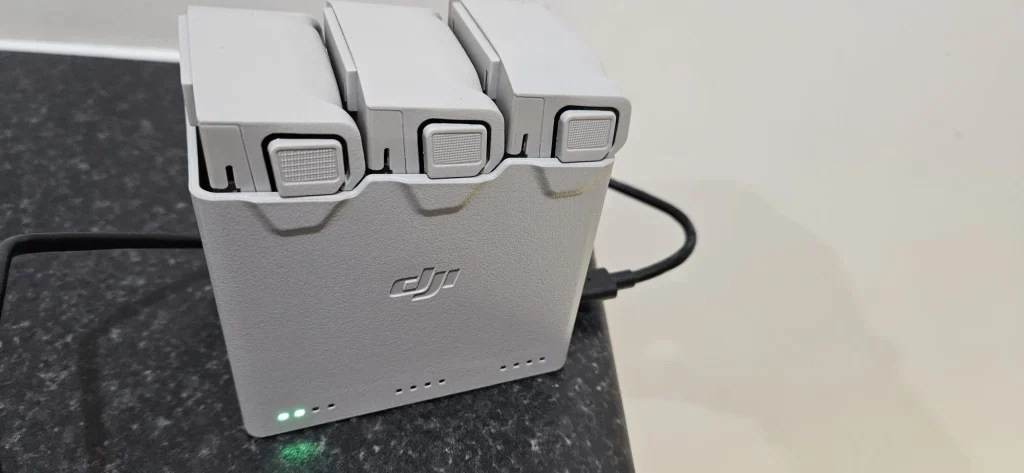
Proper Maintenance Can Extend Drone Battery Life
You’ll significantly extend your drone’s battery life by avoiding both overcharging and deep discharges while storing batteries at 50% charge in cool, dry environments. Always use manufacturer-approved chargers and give batteries adequate cooling time after flights in hot conditions before recharging. For batteries stored long-term, implement a maintenance routine of charging them fully once every three months to preserve their overall capacity and performance.
Avoid overcharging and deep discharges (keep above 20-30% capacity)
Proper battery management stands as one of the most critical practices for extending your drone’s flight time and overall battery lifespan. When it comes to battery maintenance, you’ll want to avoid both extremes of the charging spectrum.
Never overcharge your drone batteries, as this generates excessive heat that degrades internal components. Similarly, don’t let your battery discharge below 20-30% capacity, which can significantly shorten its operational life.
Modern surveillance drones with their advanced cameras, sensors, and communication systems draw substantial power. To maximize these resources, implement smart charging techniques: unplug batteries once they’re fully charged, use manufacturer-approved chargers, and store them at around 50% capacity when not in use.
These practices ensure your drone maintains reliable communication networks and keeps its sophisticated tracking capabilities functioning optimally during critical monitoring operations.
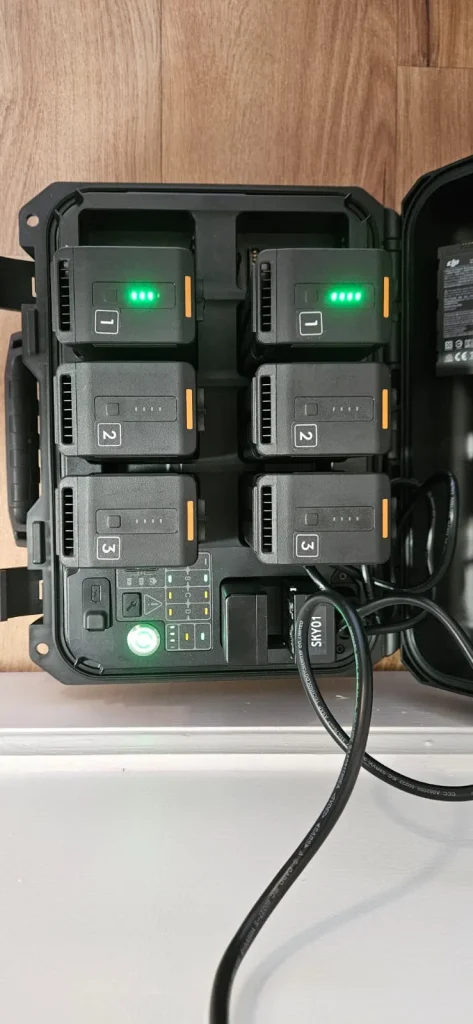
Store batteries at around 50% charge in cool, dry places away from direct sunlight
While many drone operators focus solely on flight performance, proper battery storage plays an equally crucial role in maximizing your surveillance equipment’s lifespan. For optimal battery health, always store your drone batteries at approximately 50% charge level—never fully charged or completely depleted.
Choose cool, dry environments for battery storage, away from direct sunlight or heat sources that could degrade the cells. This is especially important for sophisticated surveillance drones equipped with energy-intensive technology like thermal sensors, LiDAR, and night-vision cameras.
Unlike basic charging techniques that focus on in-field management, proper storage protocols ensure your batteries maintain capacity between operations. Remember that these power cells support not just flight time but also the critical surveillance capabilities that allow your drone to track subjects and transmit real-time data through its communication networks.
Use manufacturer-recommended chargers and follow proper charging procedures
Extending your drone’s operational capabilities begins with the charging equipment itself. Always use the manufacturer-recommended charger designed specifically for your drone’s battery type to ensure proper voltage delivery and prevent potential damage. This charging safety practice is crucial for maintaining battery health and avoiding dangerous overheating issues.
When connecting your battery, check for secure connections and never leave charging batteries unattended. Modern surveillance drones with advanced features like thermal sensors and LiDAR technology demand optimal power management to function properly.
Battery compatibility is essential—using third-party chargers might save money initially but can significantly reduce battery lifespan and compromise your drone’s surveillance capabilities.
Follow the manufacturer’s recommended charging procedures, including proper timing and temperature conditions. This discipline will help maintain your drone’s ability to track targets effectively and extend your flight time between charges.
Allow batteries to cool down before recharging after flights in hot conditions
Heat management represents a critical factor in battery longevity for surveillance drones. When your drone operates in hot conditions, its battery temperature rises significantly, especially during intensive missions utilizing thermal sensors, infrared cameras, and constant data transmission capabilities.
After landing, you’ll notice the battery pack remains warm to the touch. It’s crucial to allow proper battery cooling before recharging.
High temperatures accelerate chemical degradation inside lithium-polymer cells, potentially reducing capacity and shortening overall lifespan. Wait at least 15-30 minutes for batteries to return to room temperature before connecting them to chargers.
This cooling period is particularly important for drones that have been conducting extended surveillance flights in direct sunlight or hot environments. Smart flight condition management will significantly extend your battery’s operational life and maintain optimal performance for your surveillance missions.
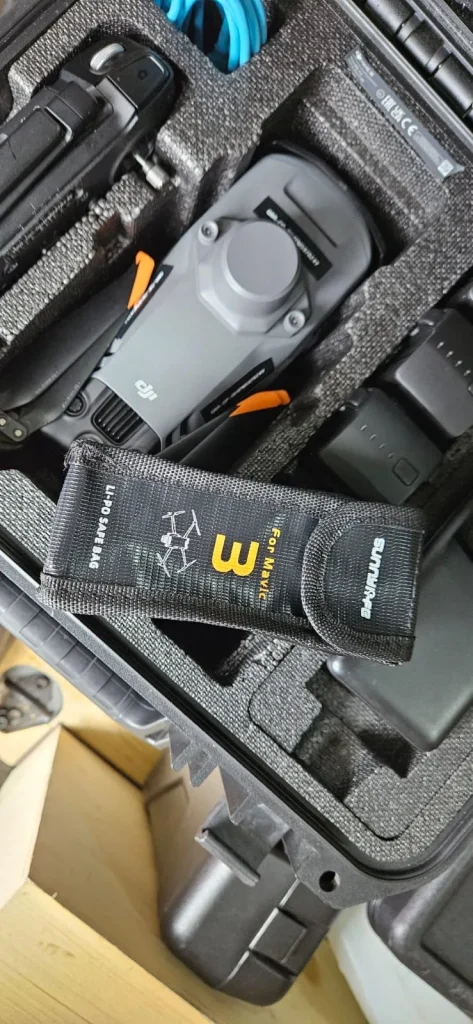
Fully charge batteries once every 3 months if stored for extended periods
Proper storage maintenance becomes essential for surveillance drone operators who maintain multiple battery sets. While your high-tech drones with thermal imaging and LiDAR capabilities sit ready for deployment, their batteries require specific attention during downtime.
If you’re storing drone batteries for extended periods, implement a quarterly charge frequency routine. Even when not actively tracking subjects or conducting surveillance operations, batteries slowly self-discharge.
This gradual power loss can lead to permanent capacity reduction if left at low charge levels for months. Mark your calendar to fully charge these batteries once every 3 months during storage.
This battery storage practice helps maintain the power reserves needed for unexpected deployments. When your surveillance drone suddenly needs to follow a moving target or conduct night operations with thermal sensors, properly maintained batteries ensure you’ll have the necessary flight time.
Remove unnecessary weight like prop guards when possible to extend flight time
When surveillance missions require maximum flight time, every gram of excess weight on your drone directly impacts battery performance. Removing non-essential components like prop guards can significantly extend your operational window in the field.
Modern surveillance drones carry sophisticated equipment—live video feeds, thermal sensors, infrared cameras, and LiDAR technology—all consuming power. By implementing drone weight reduction strategies, you’ll maximize your battery’s potential while maintaining critical monitoring capabilities.
Remember that your drone’s ability to track subjects in real-time depends on sufficient flight time. Unlike stationary CCTV systems, your drone actively follows targets, requiring extended operational periods.
When not needed for safety, removing protective accessories creates a lighter aircraft that draws less power from batteries, resulting in flight time extension of several valuable minutes—often the difference between mission success and premature landing.
Conclusion
You’ll get about 20-30 minutes of flight time per charge from most consumer drone batteries, with a lifespan of 300-500 charge cycles. Your flight duration depends on factors like weather conditions, flying style, and payload.
Whether you’re using LiPo, Li-ion, or smart batteries, proper maintenance makes all the difference. Store at partial charge, avoid extreme temperatures, and follow manufacturer guidelines to maximize your battery’s life.

