

The DJI Mini 4 Pro isn’t waterproof and lacks an official water resistance rating. This means it’s vulnerable to damage from rain, mist, and even high humidity. You’ll need to be cautious when flying near water bodies, maintaining a safe distance of at least 3 meters.
While some third-party protective accessories are available, they offer limited protection and may void your warranty. If your drone does get wet, immediately power it off, remove the battery, and dry it thoroughly.
To keep your Mini 4 Pro safe, always check weather conditions before flying and be prepared to land quickly if needed. There’s more to know about protecting your drone from moisture.
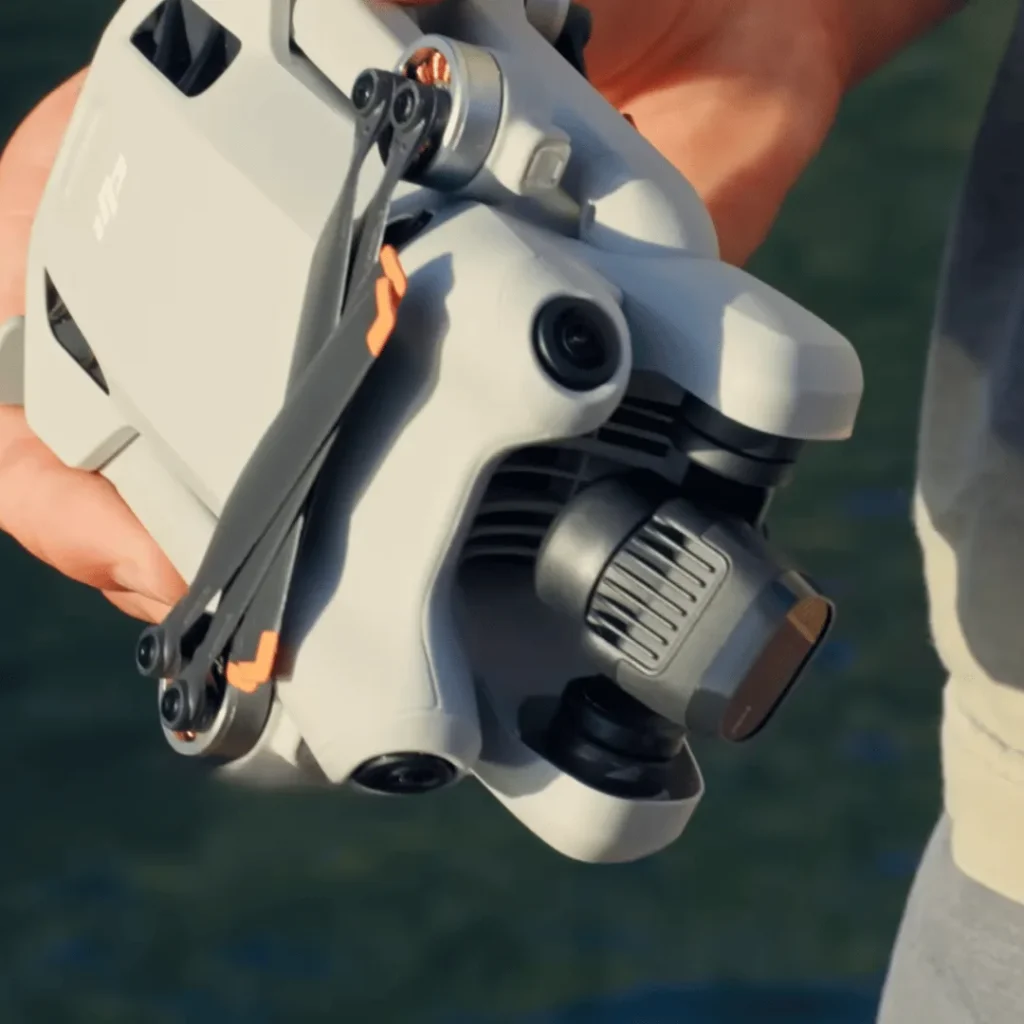
Official water resistance rating
Despite its advanced features, the DJI Mini 4 Pro lacks an official water resistance rating, leaving it vulnerable to moisture damage.
This absence of a water resistance certification means you should exercise extreme caution when operating the drone near water or in damp conditions.
Unlike some other electronic devices that boast IP ratings (Ingress Protection), the Mini 4 Pro doesn’t have this standardized measurement of water resistance.
This omission is significant because it indicates that DJI hasn’t designed or tested the drone to withstand exposure to water or other liquids.
Water can seep into the drone’s internal components, causing short circuits, corrosion, and irreparable harm to its sensitive electronics.
Even high humidity levels or condensation could pose risks to the drone’s functionality.
It’s crucial to understand that the lack of water resistance extends to all parts of the drone, including its body, camera, gimbal, and battery.
To safeguard your investment, you should always check weather conditions before flying and avoid using the drone in wet environments.
If you must transport it in damp conditions, consider using a waterproof case or bag.
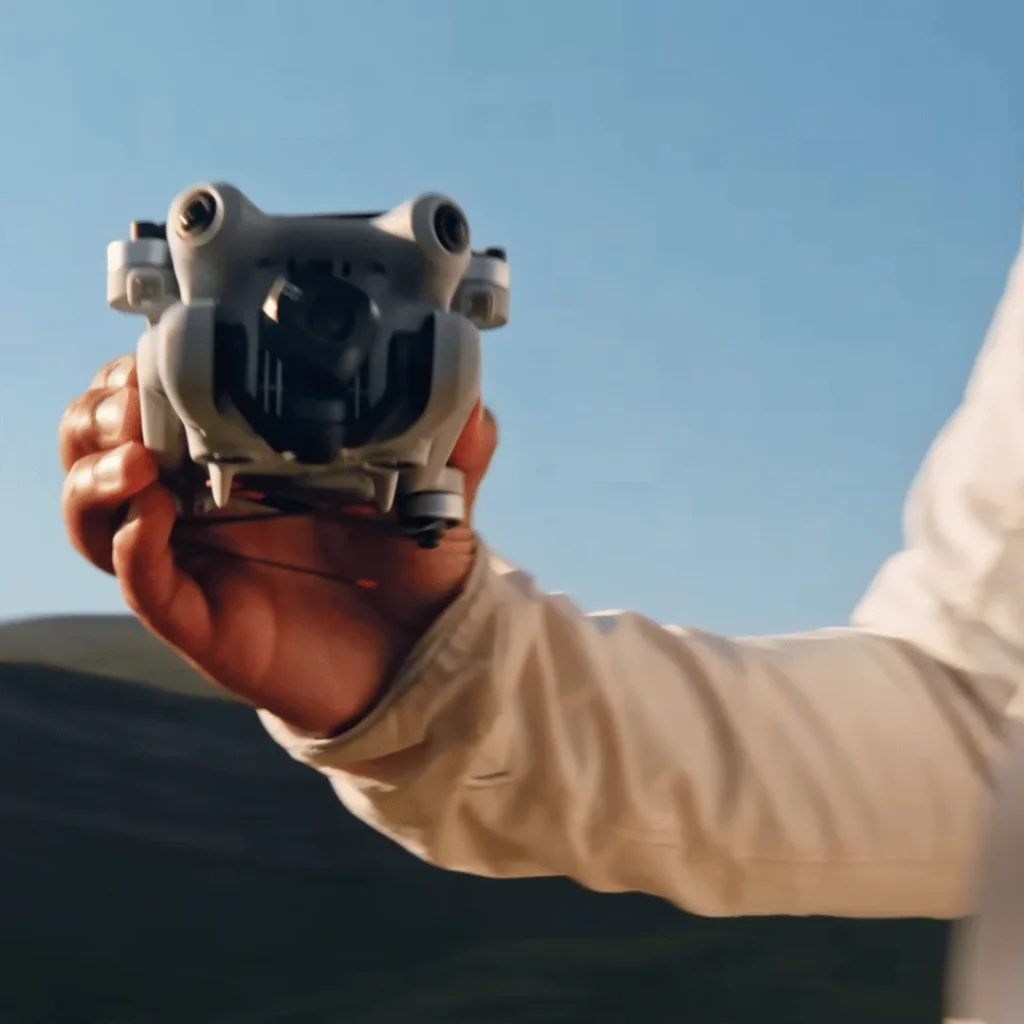
Withstanding wet conditions
Although the DJI Mini 4 Pro boasts impressive features, it can’t withstand wet conditions, making it crucial to protect your drone from any water exposure. This limitation means you’ll need to be extra cautious when planning your flights and considering the weather conditions.
Rain poses a significant threat to your Mini 4 Pro. Even light precipitation can potentially damage the drone’s sensitive electronic components.
It’s not just about avoiding downpours; you should also be wary of flying in misty or foggy conditions, as these can introduce moisture to your device.
Water sources nearby can also be problematic. Lakes, rivers, and even fountains can create splashes that might reach your drone if you’re flying too close. It’s best to maintain a safe distance from any body of water to prevent accidental splashes from compromising your Mini 4 Pro’s functionality.
When planning your flights, always check the weather forecast. If there’s any chance of rain, it’s better to postpone your flight or choose an indoor location.
Remember, it’s not just about the immediate conditions; sudden weather changes can catch you off guard, so be prepared to land quickly if clouds start rolling in.
If you accidentally expose your Mini 4 Pro to water, don’t panic, but act quickly.
Power off the drone immediately and remove the battery. Dry the device thoroughly with a soft, lint-free cloth, and consider using silica gel packets to absorb any remaining moisture. In severe cases, professional repair might be necessary to ensure your drone’s continued performance and safety.
Precautions when flying near water bodies
When flying your DJI Mini 4 Pro near water bodies, you’ll need to take specific precautions to ensure your drone’s safety and optimal performance.
This buffer zone helps protect your drone from potential spray and keeps it at a safe distance from the reflective surface.
Be aware that the downward sensors on your Mini 4 Pro may be confused by reflective water surfaces.
To mitigate this risk, always take off and land on dry, flat land near the water, rather than attempting to launch or recover from a boat or dock.
If you need to fly closer to the water’s surface, use caution when operating below 3 meters.
To maintain better control in these situations, consider using sport mode and manual flying techniques.
Having a spotter can be incredibly helpful when flying near water. They can assist in monitoring your drone’s position and altitude, providing an extra set of eyes to ensure you’re maintaining a safe distance from the water’s surface.
Protective accessories
Protective accessories can enhance your DJI Mini 4 Pro’s water resistance, but they’re not a substitute for proper precautions. Several options are available to help safeguard your drone from moisture and minor splashes.
Full cover skins are one popular choice. These claim to be waterproof and anti-scratch, offering comprehensive protection for your Mini 4 Pro. You can find these on platforms like AliExpress for around $10.
Another option is PVC waterproof decal skins, which adhere to your drone’s surface. Additionally, various decorative skins may provide some level of water resistance while personalizing your drone’s appearance.
Some drone enthusiasts have reported positive experiences with ‘wetsuits’ for their drones. These accessories can provide an extra layer of confidence when flying in damp conditions or near water bodies.
However, it’s crucial to remember that these products don’t make your drone fully waterproof.
While these protective accessories can offer some peace of mind, they come with important considerations. First and foremost, using third-party accessories may void your DJI Mini 4 Pro’s manufacturer warranty. This is a significant risk to weigh against the potential benefits of added protection.
Moreover, even with these accessories, your drone remains vulnerable to water damage. They may offer some resistance to splashes or light rain, but they won’t protect your Mini 4 Pro from submersion or heavy downpours.
Always prioritize flying in suitable weather conditions and maintain a safe distance from water bodies to ensure your drone’s longevity and optimal performance.
What to do if the DJI Mini 4 Pro drone gets wet
If your DJI Mini 4 Pro gets wet, you’ll need to act quickly to minimize potential damage. The first step is to immediately remove the battery from the drone.
This crucial action helps prevent electrical short circuits that could cause further harm to your device.
Next, you’ll want to dry the drone thoroughly. Use a fan to blow air over the drone for several hours, ensuring all visible moisture is removed.
Once you’ve completed this initial drying process, place your drone (without the battery) in a container filled with rice. The rice acts as a desiccant, absorbing any remaining moisture from the device.
Leave your drone in the rice for a few days to ensure it’s completely dry.
After the drying period, you can attempt to power on the drone to check if it’s still functional. However, it’s important to note that water damage can be severe, and these steps may not always be successful in saving your drone.
Remember, the best approach is to prevent water exposure entirely. The DJI Mini 4 Pro isn’t designed to be waterproof, so you should always be cautious when flying near water or in wet conditions.
If your drone has been submerged in water, it’s recommended to contact DJI Support for professional assistance. They’ve the expertise and tools to potentially salvage your device or advise on the best course of action.
Conclusion
While the DJI Mini 4 Pro isn’t officially waterproof, you can take steps to protect it from moisture.
Always check weather conditions before flying and avoid water bodies when possible. If you’re concerned, consider using protective accessories.
Remember, if your drone does get wet, power it off immediately and dry it thoroughly. By being cautious and prepared, you’ll maximize your drone’s lifespan and enjoy worry-free flights in various conditions.

