
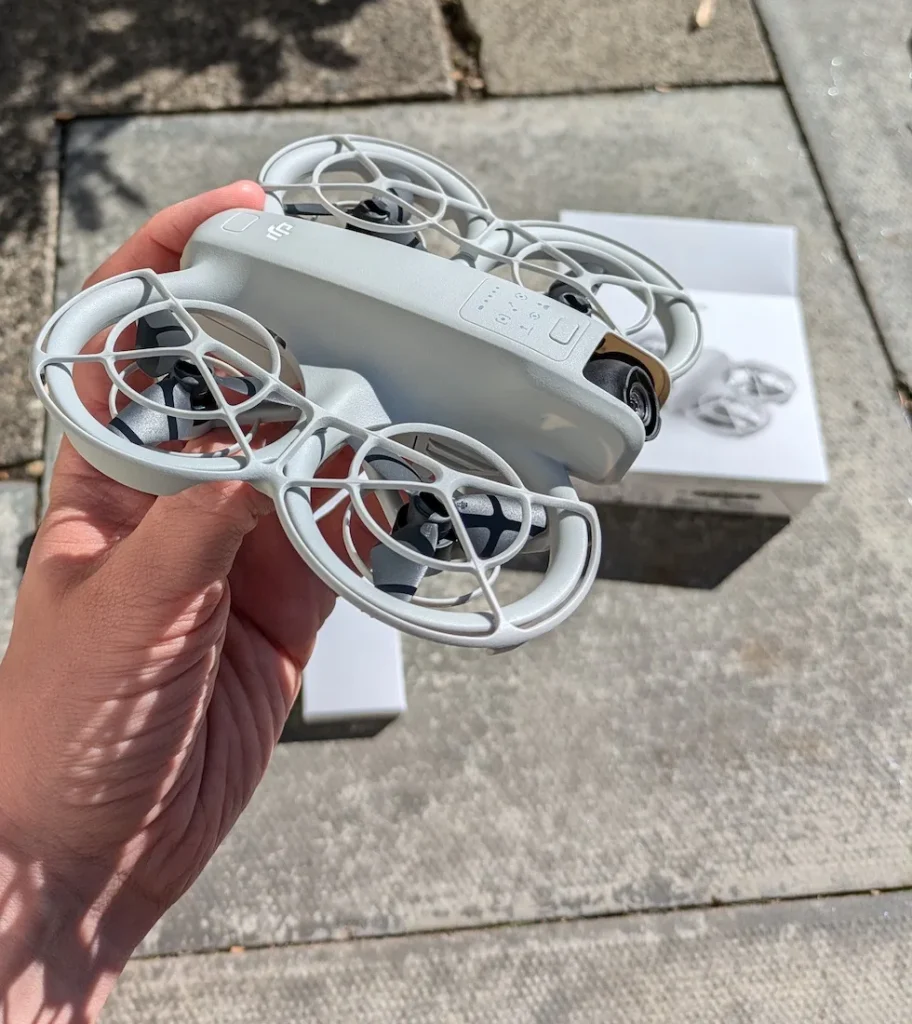

The DJI Neo’s license requirements depend on your location and how you plan to use it. In the US, you don’t need a drone license for recreational use, but commercial operators must obtain an FAA Part 107 certification. The UK requires an Operator ID for all DJI Neo pilots, while the EU mandates registration and an online exam.
Age restrictions also vary, with most countries setting the minimum age between 13 and 18. It’s essential to understand the specific regulations in your area, as penalties for unlicensed operation can be severe.
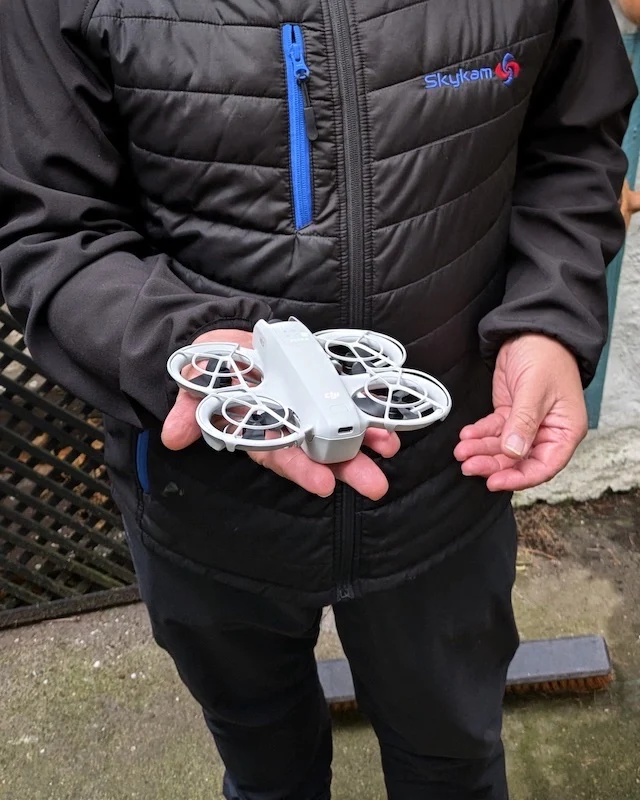
DJI NEO License Requirements
I’ll break down the license requirements for the DJI Neo in three key regions. In the United States, you’ll find the least restrictive rules for recreational use of this lightweight drone.
For the United Kingdom and European Union, you’ll need to comply with basic registration and certification requirements, despite the Neo falling under the “Open” category for drones under 250g.
United States
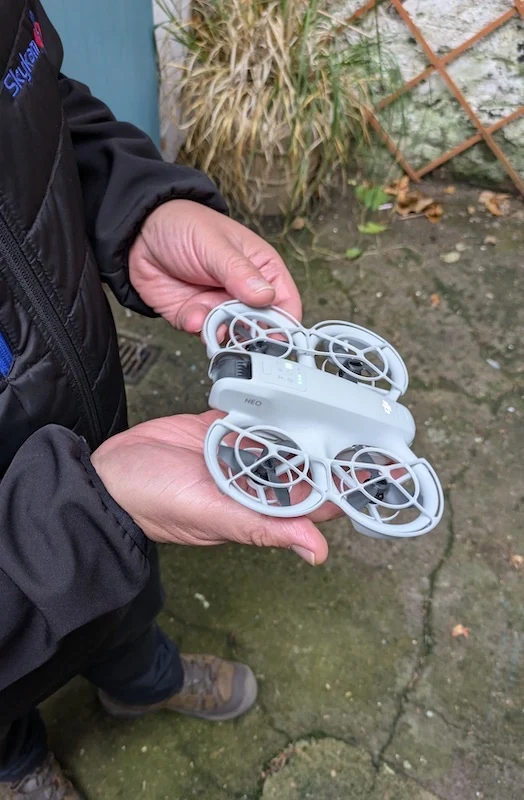
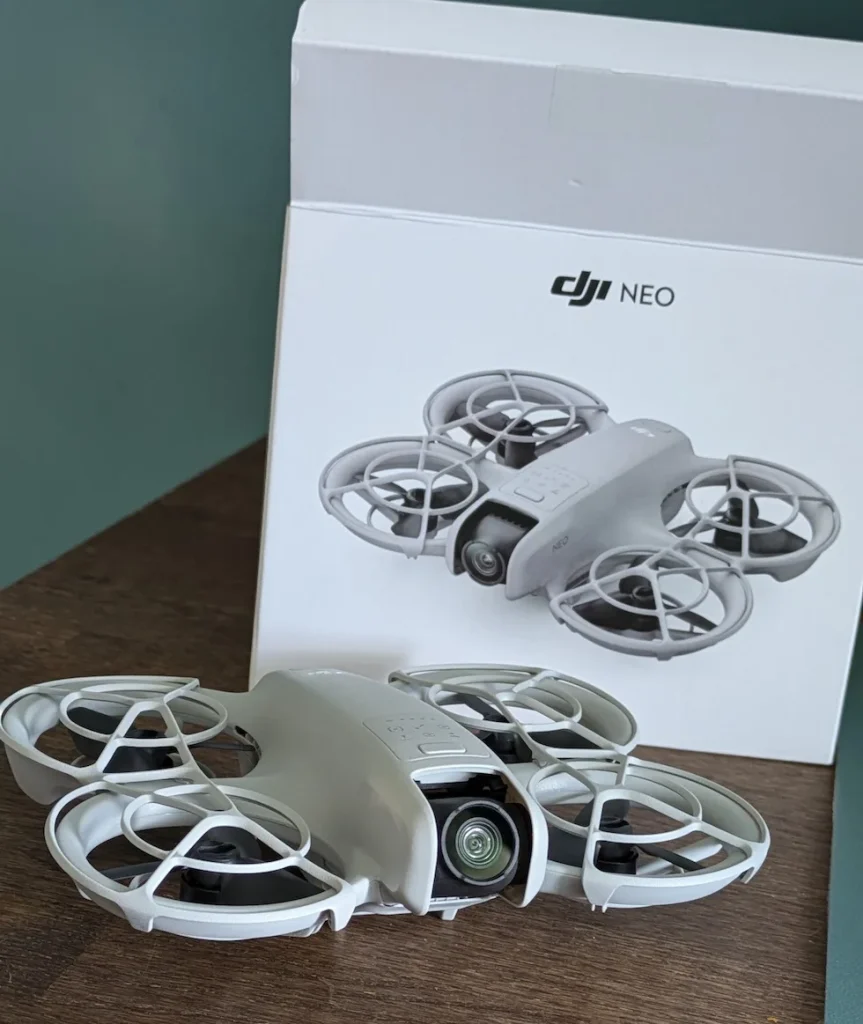
Drone enthusiasts in the United States can breathe easy when it comes to the DJI Neo. This compact and lightweight drone doesn’t require FAA registration or a license for recreational use. Weighing in at just 135 grams, it falls well below the 250-gram threshold that would necessitate registration.
However, it’s pivotal to remember that you’re not entirely off the hook.
Even though you don’t need a license, you’re still obligated to follow the FAA’s general drone rules and regulations for recreational flying. These guidelines guarantee safe and responsible drone operation, protecting both you and those around you.
United Kingdom
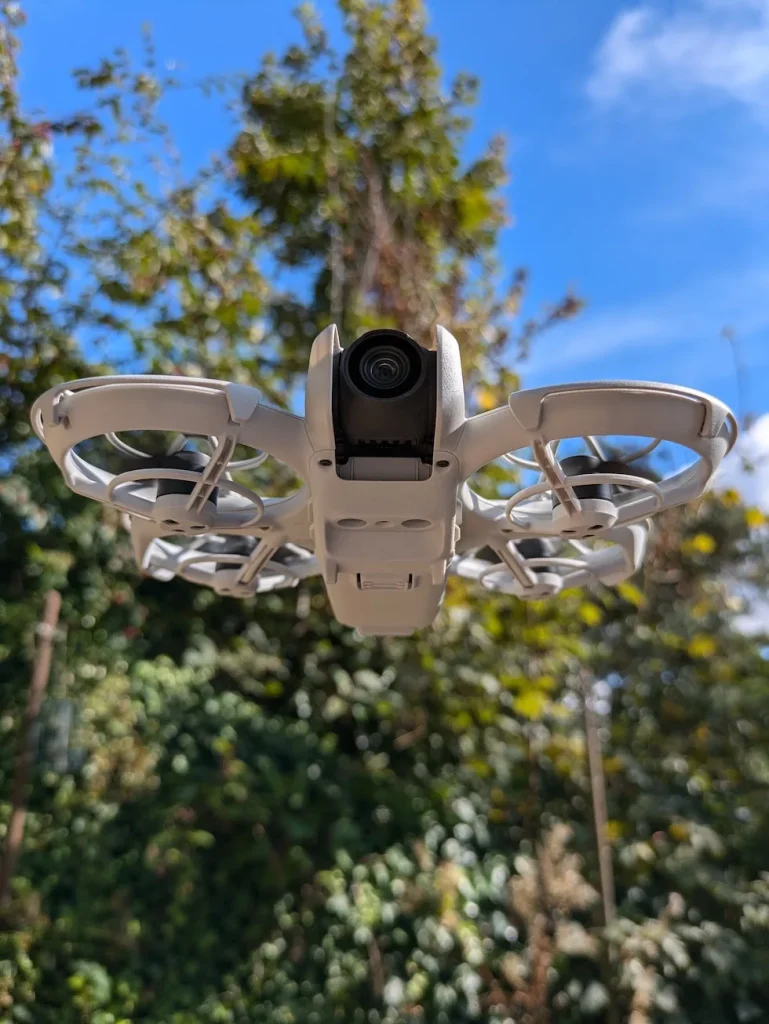
In the United Kingdom, the rules for flying a DJI Neo are a bit different from those in the United States. As a UK-based drone pilot, you’ll need to obtain an Operator ID from the Civil Aviation Authority (CAA) before you can legally fly your DJI Neo. This requirement applies specifically to this lightweight drone, which falls under a different category than some larger models.
The good news is that you don’t need to worry about getting a Flyer ID or an A2 Certificate of Competency for the DJI Neo. This simplifies the process and makes it easier for beginners and casual users to get started with drone flying.
To get your Operator ID, you’ll need to register with the CAA. The registration fee is £10 annually, which is a relatively small investment considering the freedom it gives you to fly your drone legally.
Once you’ve received your Operator ID, make sure to label your DJI Neo with this identification.
This step is vital for compliance with UK regulations.
European Union
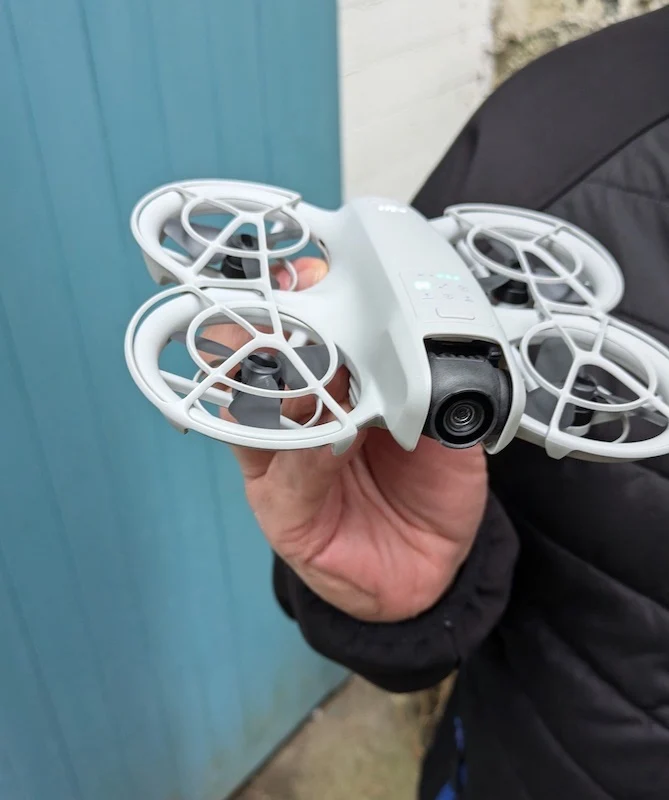
Flying your DJI Neo in the European Union requires a bit more preparation than in some other regions. Before you can take flight, you’ll need to register as a drone operator in the first EU country where you plan to fly. This registration is vital and must be completed before your maiden voyage.
But that’s not all – you’ll also need to pass the A1/A3 online exam to obtain a European drone pilot certificate.
This exam guarantees you understand the regulations and safety measures necessary for responsible drone operation within the EU.
However, it should be noted that some countries may require insurance for drone operation.
I recommend checking the specific requirements of each country you plan to visit to ensure you’re fully compliant.
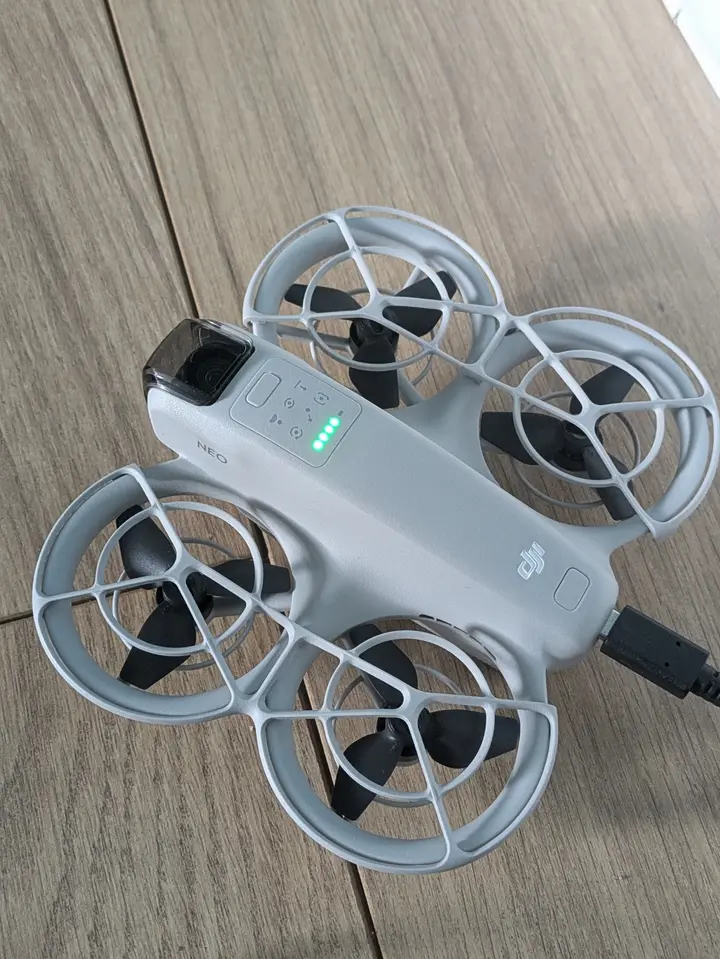
Age Restrictions for DJI NEO Drone Pilots
When it comes to flying the DJI Neo, age restrictions vary depending on where you live.
In the United States, you must be at least 13 years old to register and operate the drone recreationally.
The United Kingdom and European Union have similar age requirements, typically setting the minimum age at 16 for drone pilots, though specific regulations may differ between countries.
United States
Age restrictions for flying the DJI NEO in the United States aren’t as stringent as you might think. If you’re planning to use the NEO for recreational purposes, there’s no minimum age requirement.
This means even young enthusiasts can enjoy piloting this compact drone under responsible adult supervision.
However, if you’re 13 or older, you’ll need to register your DJI NEO with the Federal Aviation Administration (FAA). This is a legal requirement for all drone operators, regardless of the drone’s size or intended use. The FAA recommends that pilots under 16 have adult supervision when flying.
For those looking to use the DJI NEO commercially, such as for business purposes or paid gigs, the rules are a bit different.
You’ll need to obtain a Remote Pilot Certificate, which requires you to be at least 16 years old. This certification falls under the FAA’s Part 107 regulations for commercial drone operations.
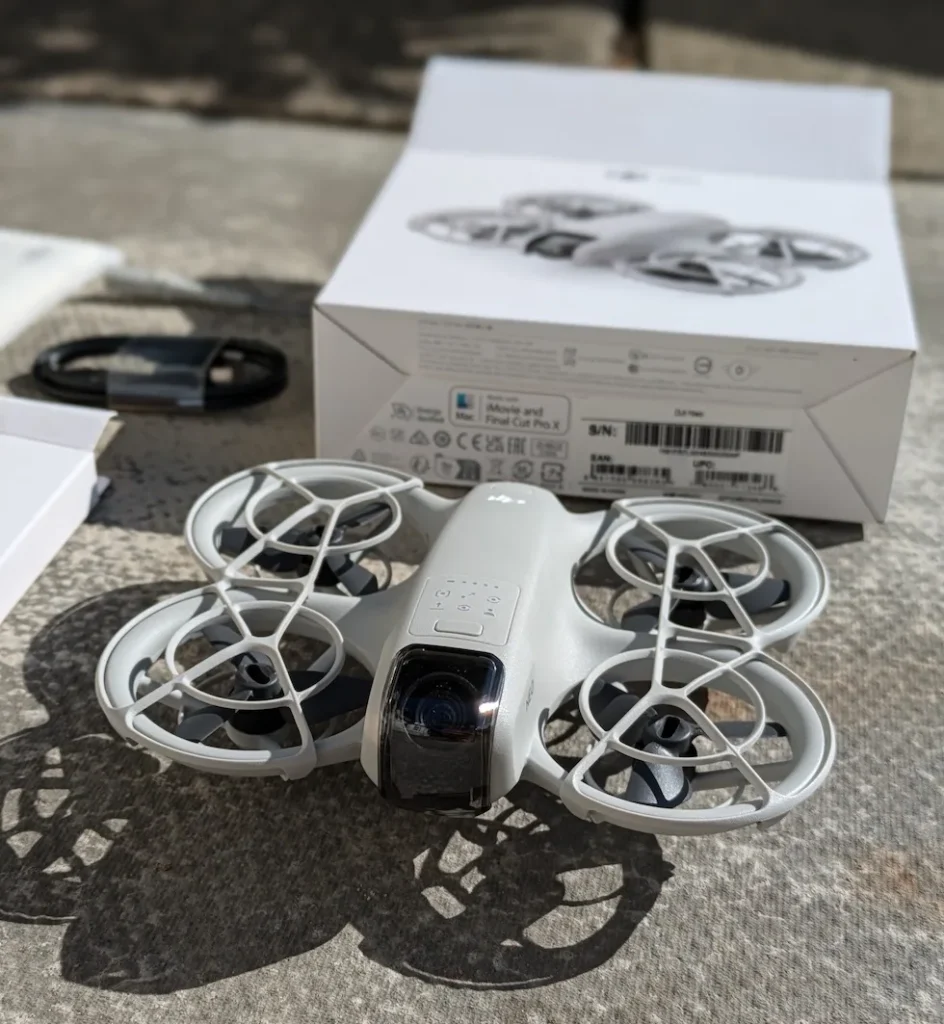
United Kingdom
In the United Kingdom, you’ll find the age restrictions for flying the DJI NEO are a bit more nuanced than in some other countries. While there’s no minimum age requirement for actually piloting the drone, you’ll need to be aware of some important distinctions.
The key point to remember is that an Operator ID is required for the DJI NEO in the UK.
This is because, despite weighing under 250g, it’s equipped with a camera. To obtain an Operator ID, you must be at least 18 years old. This doesn’t mean you can’t fly the drone if you’re younger, but someone 18 or older needs to take responsibility as the operator.
DJI recommends the NEO for users 16 and above, but this isn’t a legal requirement.
It’s more of a guideline based on the drone’s features and complexity. So, if you’re under 18, you can still fly the NEO, but you’ll need an adult to register as the operator and take legal responsibility for its use.
This arrangement allows younger enthusiasts to enjoy the drone while ensuring compliance with UK regulations.
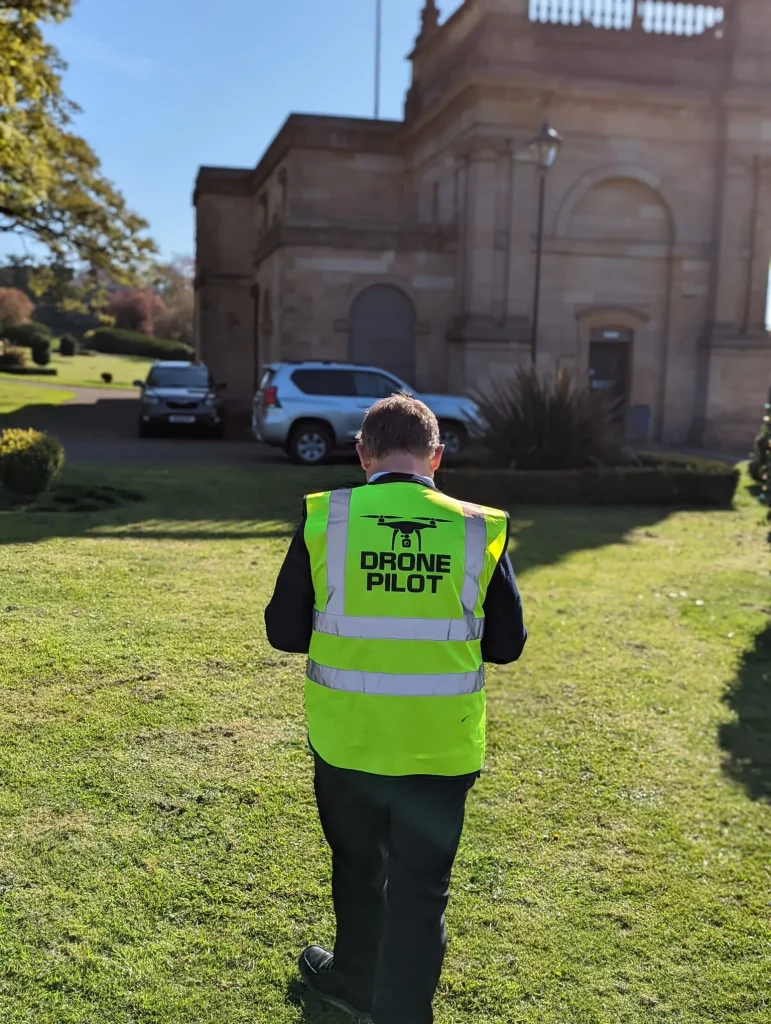
European Union
For the European Union, age restrictions regarding the DJI NEO can vary slightly between member states.
However, there’s a general rule that applies to most EU countries: the minimum age for remote pilots of drones in the ‘open‘ and ‘specific‘ categories is 16 years old.
But here’s where it gets interesting for the DJI NEO. Since it weighs only 135 grams, it falls into a special category of very light drones (under 250g).
This means there might be exceptions to the age restriction in some EU countries. In these cases, you might be able to fly the NEO even if you’re younger than 16.
Another potential exception is when you’re flying under the direct supervision of a qualified remote pilot. This could allow younger users to operate the NEO legally.
It’s important to note that while these exceptions exist, they’re not uniform across the EU.
Each member state may interpret and implement these rules slightly differently. So, if you’re under 16 and want to fly the DJI NEO in the EU, I’d recommend checking the specific regulations for the country you’re in.
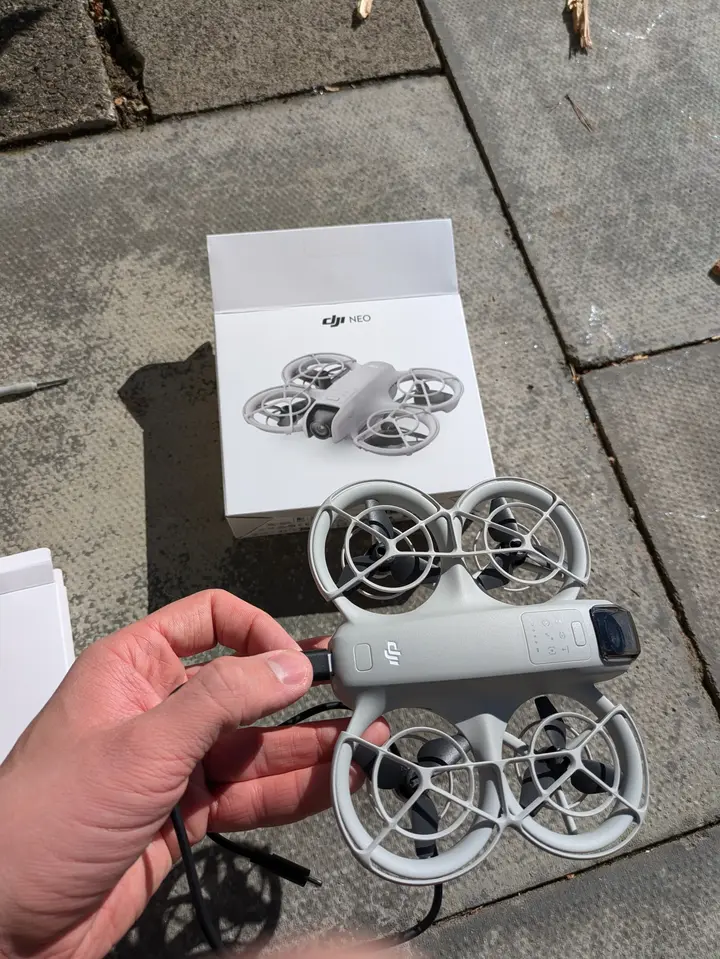
Recreational vs. Commercial Use Regulations
When it comes to flying your DJI Neo, the regulations differ depending on whether you’re using it for fun or profit. In the United States and the United Kingdom, recreational use generally requires less paperwork than commercial operations.
I’ll explain the key differences between recreational and commercial drone regulations in these countries, so you can ascertain you’re flying legally.
United States
Let’s look at the rules for flying the DJI Neo in the United States. For recreational use, you don’t need a license, but you must follow the FAA’s guidelines for small drones.
If you’re planning to use the Neo for commercial purposes, however, you’ll need to obtain a Remote Pilot Certificate from the FAA and comply with additional regulations.
Recreational Rules
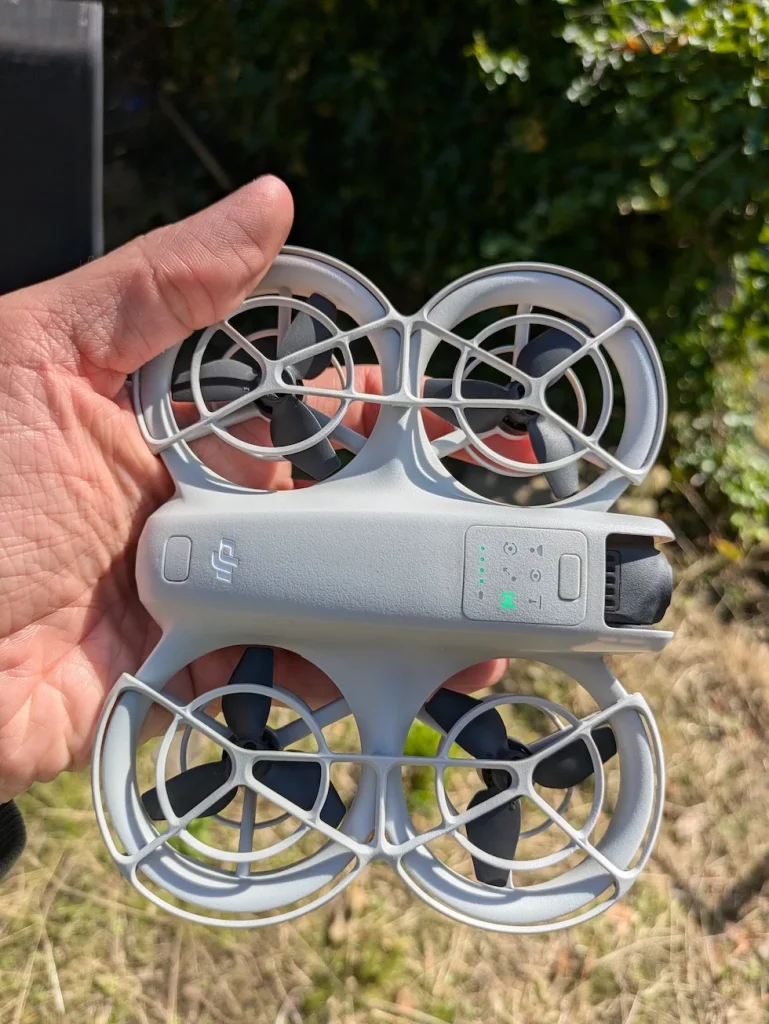
The DJI Neo’s lightweight design puts it in a unique category for recreational drone use in the United States. At 135g, it doesn’t require FAA registration.
However, you must still take the TRUST exam and follow key rules:
- Fly below 400 feet
- Maintain visual line of sight
- Avoid flying over people or vehicles
- Respect manned aircraft and restricted airspace.
- Always prioritize safety and compliance.
Commercial Rules
How does commercial use of the DJI Neo differ from recreational flying? For commercial operations, you’ll need to obtain a Remote Pilot Certificate (Part 107 license) and register your drone with the FAA.
You must follow all Part 107 rules, including flying below 400 feet, keeping the drone in sight, and avoiding flights over people or vehicles without a waiver. Always yield to manned aircraft and get authorization for restricted airspace.
United Kingdom
When it comes to flying a DJI Neo in the United Kingdom, you’ll find that the regulations have been markedly simplified.
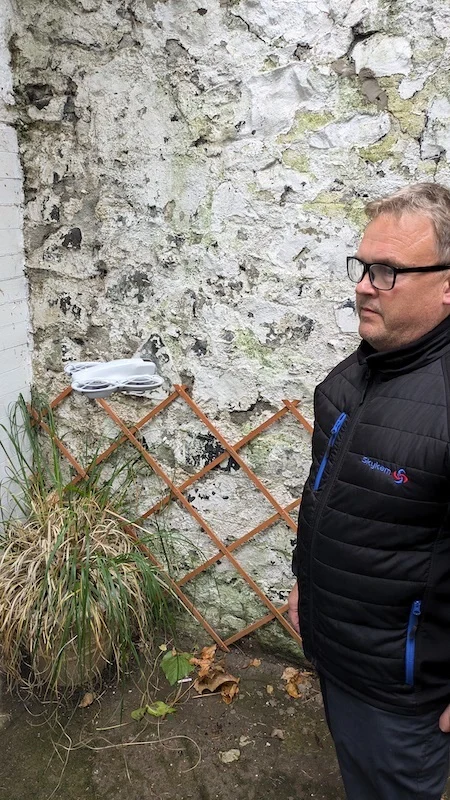
As of December 31, 2020, the UK has eliminated the distinction between recreational and commercial drone operations in regard to licensing requirements. This means you no longer need a specific permission or license to fly your DJI Neo for commercial purposes.
The previous “Permission for Commercial Operations” (PfCO) is now obsolete. Instead, the focus has shifted to the risk level of your drone operation.
Factors like the drone’s weight, proximity to people, and your operating location now determine the regulatory requirements you’ll need to follow.
This change is great news for DJI Neo users, as it streamlines the process for both hobbyists and professionals. Whether you’re using your Neo for personal vlogs or client work, you’ll follow the same set of rules.
The regulations now prioritize safety and responsible flying rather than the purpose of your flight.
Remember to familiarize yourself with the current UK drone laws, which are based on the risk assessment of your specific flight operations, to act in accordance with the law and ensure safe operations.
Penalties for Unlicensed Operation of the DJI NEO
Let’s look at the penalties you might face for flying your DJI Neo without proper licensing. I’ll focus on the consequences in the United States, United Kingdom, and European Union, as these regions have well-defined drone regulations.
Remember, the specific penalties can vary depending on the nature and severity of the violation, but they often include fines, confiscation of equipment, and even potential legal action.
United States
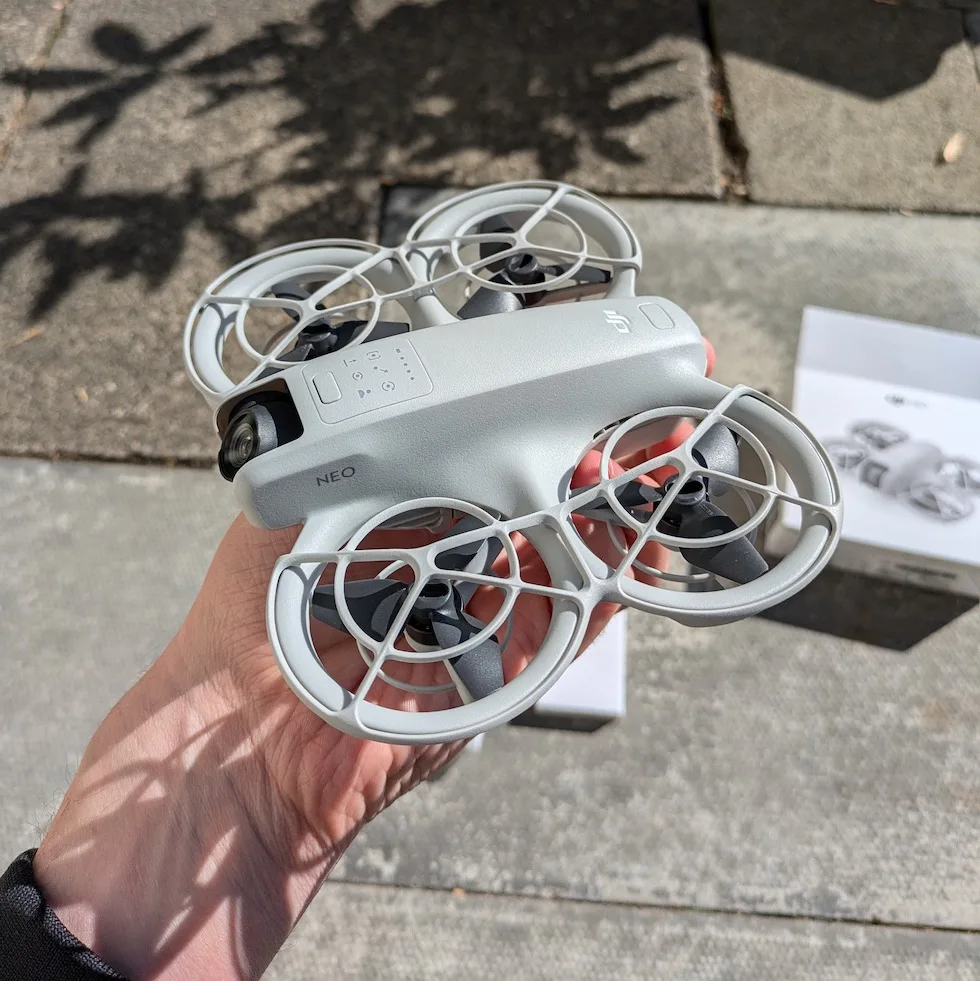
In the United States, operating the DJI Neo without proper licensing can lead to severe consequences.
If you’re using the Neo for commercial purposes without a Part 107 remote pilot certificate, you’re risking even more.
The FAA can impose civil penalties of up to $32,666 per incident for flying commercially without proper certification. And it doesn’t stop there – criminal sanctions are also on the table.
You could face fines up to $250,000 and even imprisonment for up to 3 years if convicted.
These penalties might seem harsh, but they’re in place to guarantee safe and responsible drone operation. Even though the Neo is designed for easy, everyday use, it’s still subject to the same regulations as larger drones.
Don’t let its compact size and user-friendly features lull you into a false sense of security. Always make certain you’re complying with FAA regulations before taking to the skies.
United Kingdom
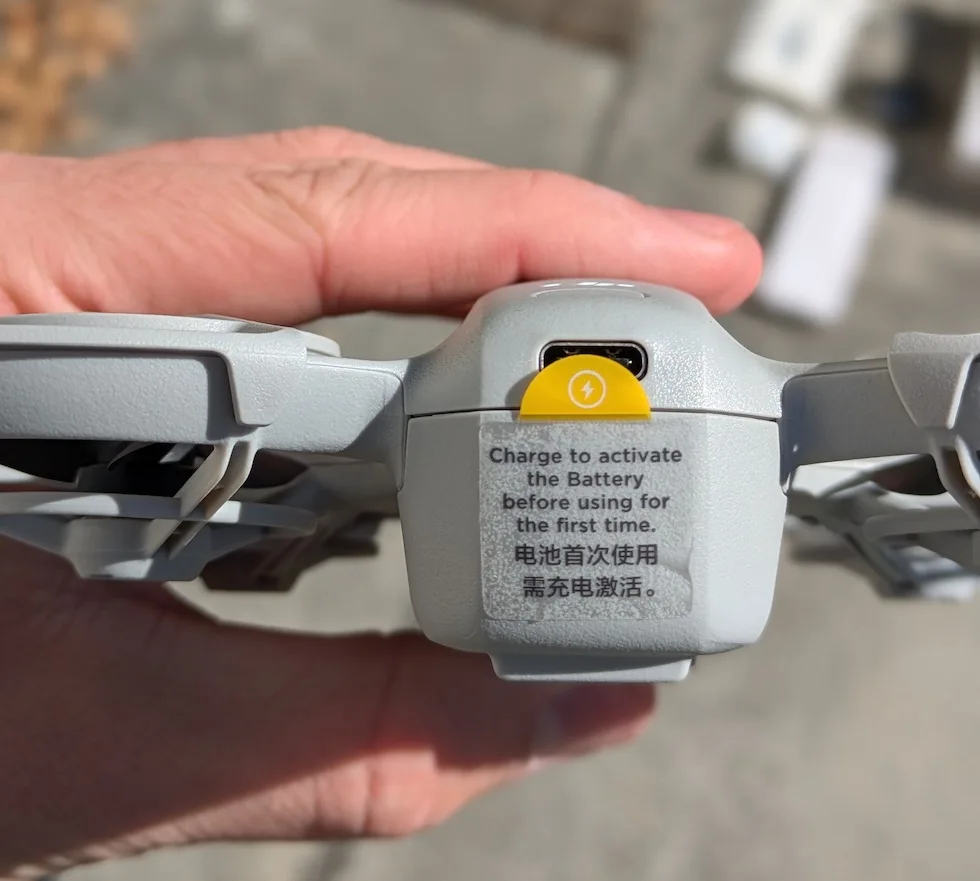
Despite its lightweight design at just 135 grams, you’ll still need to register with the Civil Aviation Authority (CAA) as an operator due to its camera capabilities.
This registration must be renewed annually.
While you won’t need to pass a test or obtain a flyer ID for the Neo (as it’s under 250g), it’s essential to understand the potential consequences of unlicensed operation. The CAA takes drone violations seriously, and fines can be hefty.
For minor infractions, you might face smaller penalties, but more severe violations can result in fines exceeding £5,000.
These “severe violations” include flying in restricted areas or endangering people. Given the Neo’s compact size and ease of use, it might be tempting to fly it anywhere, but I can’t stress enough how important it’s to familiarize yourself with local regulations and no-fly zones.
Remember, ignorance isn’t an excuse in the eyes of the law. By registering your Neo and following the rules, you’ll enjoy your drone while staying on the right side of UK drone laws.
European Union
While the DJI Neo’s lightweight design might make it seem like a harmless toy, it’s still subject to EU drone regulations. If you’re caught flying without the necessary license, you could face steep fines and legal consequences.
Penalties vary by country within the EU, but they generally include monetary fines ranging from a few hundred to several thousand euros.
In some cases, you might even face imprisonment for repeated or severe violations.
The exact punishment depends on factors like the nature of the offense, whether you endangered people or property, and your compliance with other drone regulations.
Don’t forget that ignorance of the law isn’t an excuse.
As a drone operator, it’s your responsibility to know and follow local regulations. To avoid these penalties, make sure you’re properly licensed before flying your DJI Neo in the EU.
This typically involves registering as a drone operator, completing online training, and passing a theoretical exam. By following the rules, you’ll enjoy worry-free flights and stay on the right side of the law.
Insurance Requirements For DJI NEO
When it comes to insurance for your DJI Neo, requirements can vary depending on where you’re flying. In the United States, the UK, and the EU, recreational drone users aren’t typically required to have insurance, but it’s often recommended for your own protection.
However, if you’re using your Neo for commercial purposes, you’ll likely need to obtain liability insurance to cover potential damages or injuries caused by your drone.
United States
While the DJI Neo doesn’t require insurance by law in the United States, it’s a smart move to get coverage. As a drone enthusiast, I can’t stress enough how important it’s to protect yourself and others when flying this compact marvel.
Even though the Neo is lightweight at just 135 grams, accidents can still happen.
That’s why I recommend considering liability insurance. It’ll safeguard you against potential third-party injuries or property damage that might occur during your flights.
Trust me, the peace of mind is worth it.
The good news is that insurance providers are offering flexible plans tailored for recreational drone users like us. Some even have on-demand hourly coverage options, which is perfect if you’re not flying your Neo every day.
United Kingdom
In the United Kingdom, you’re not legally required to insure your DJI Neo for recreational use, but I’d strongly recommend it. While it’s not mandatory, having insurance can provide you with valuable protection and peace of mind.
I suggest looking into personal liability insurance for your drone activities. This type of coverage can safeguard you financially if your Neo causes damage to property or injures someone. It’s a smart precaution, given the potential risks associated with flying drones.
You might already have some coverage through your home insurance policy. I’d advise you to check your existing policy to see if it includes drone-related incidents.
However, be aware that some insurers have started to exclude drone coverage from their standard home insurance policies.
If your current policy doesn’t cover drones, or if you want more expansive protection, consider specialized drone insurance. These policies are designed specifically for unmanned aerial vehicles and can offer tailored coverage for your DJI Neo.
EU
Unlike the UK, many EU countries have stricter requirements for drone insurance, even for lightweight models like the DJI Neo. If you’re planning to fly your Neo in the EU, it’s pivotal to understand that insurance isn’t just recommended—it’s often compulsory.
In most EU countries, you’ll need liability insurance for your DJI Neo, regardless of its sub-250g weight.
This insurance typically covers potential damages or injuries you might cause while operating your drone. The specific requirements can vary from country to country, so it’s indispensable to check the local regulations before you fly.
Some countries, like Spain, go a step further and require insurance even for drone registration. This means you might need to secure insurance before you can legally register your Neo for flight.
Given these varying requirements, I’d strongly advise researching the specific insurance regulations for the EU countries you plan to visit or fly in. Don’t assume that the Neo’s small size exempts you from insurance requirements. It’s always better to be over-prepared than to risk flying uninsured and facing potential legal consequences.
Conclusion
In wrapping up, I can’t stress enough how important it is to stay informed about drone regulations. While the DJI Neo’s compact size might tempt you to fly without a license, it’s vital to follow the rules. Remember, requirements can change, so always check the latest FAA guidelines. Whether you need a license or not, flying responsibly is key. Stay safe, have fun, and enjoy your DJI Neo adventures within the law!

