
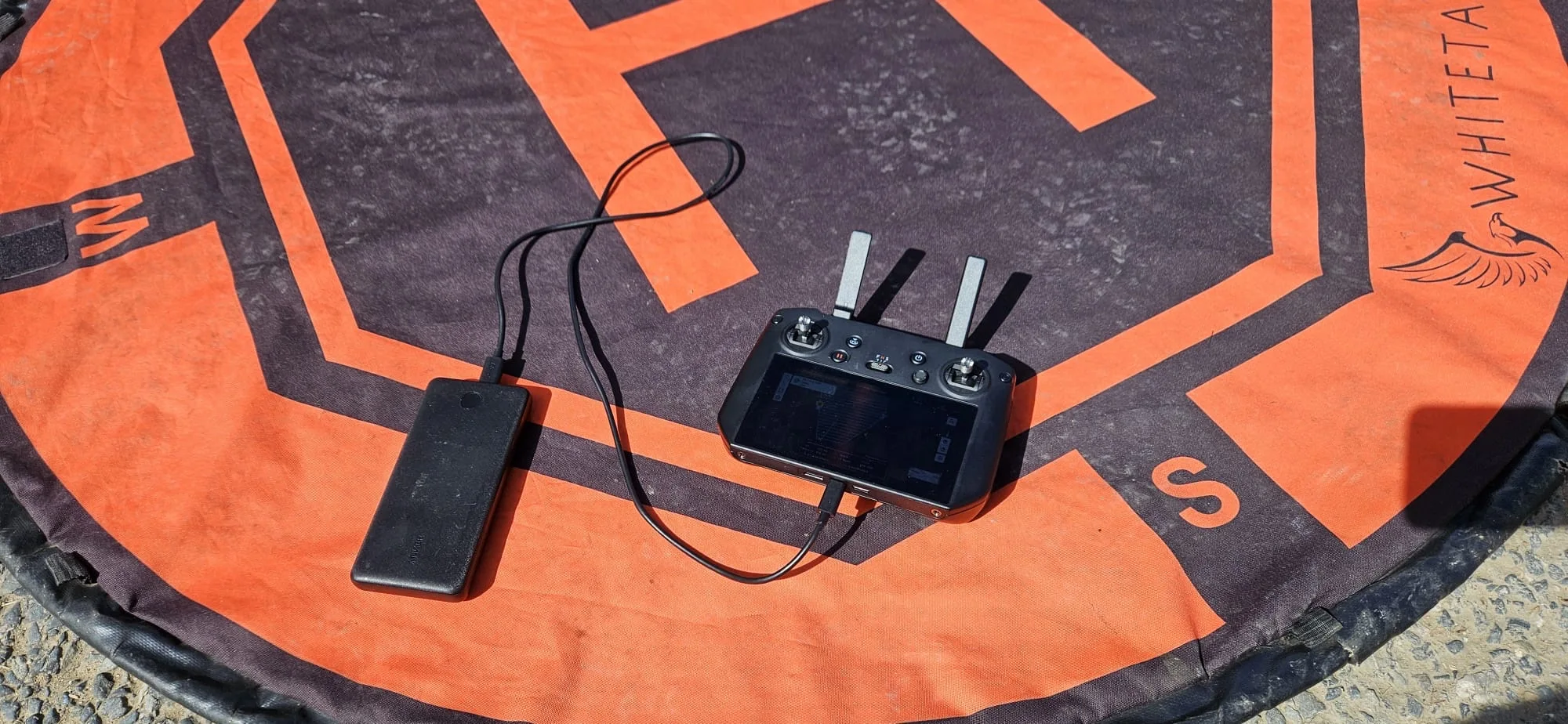
Need accurate wildlife data? Save time, cut costs, and get crystal-clear insights with our advanced drone wildlife and conservation survey services.
Don’t settle for risky, time-consuming traditional surveys when our enterprise-grade drone technology delivers faster, safer wildlife monitoring results.
As specialists in industrial-grade conservation surveying and habitat assessment since 2016, we provide the actionable ecological data you need for critical conservation decision-making.
Used By Top UK Businesses

👇Fill Out The Form For Same-Day Drone Survey Quote 👇
Why Leading UK Businesses Choose Our Drone Survey Services:
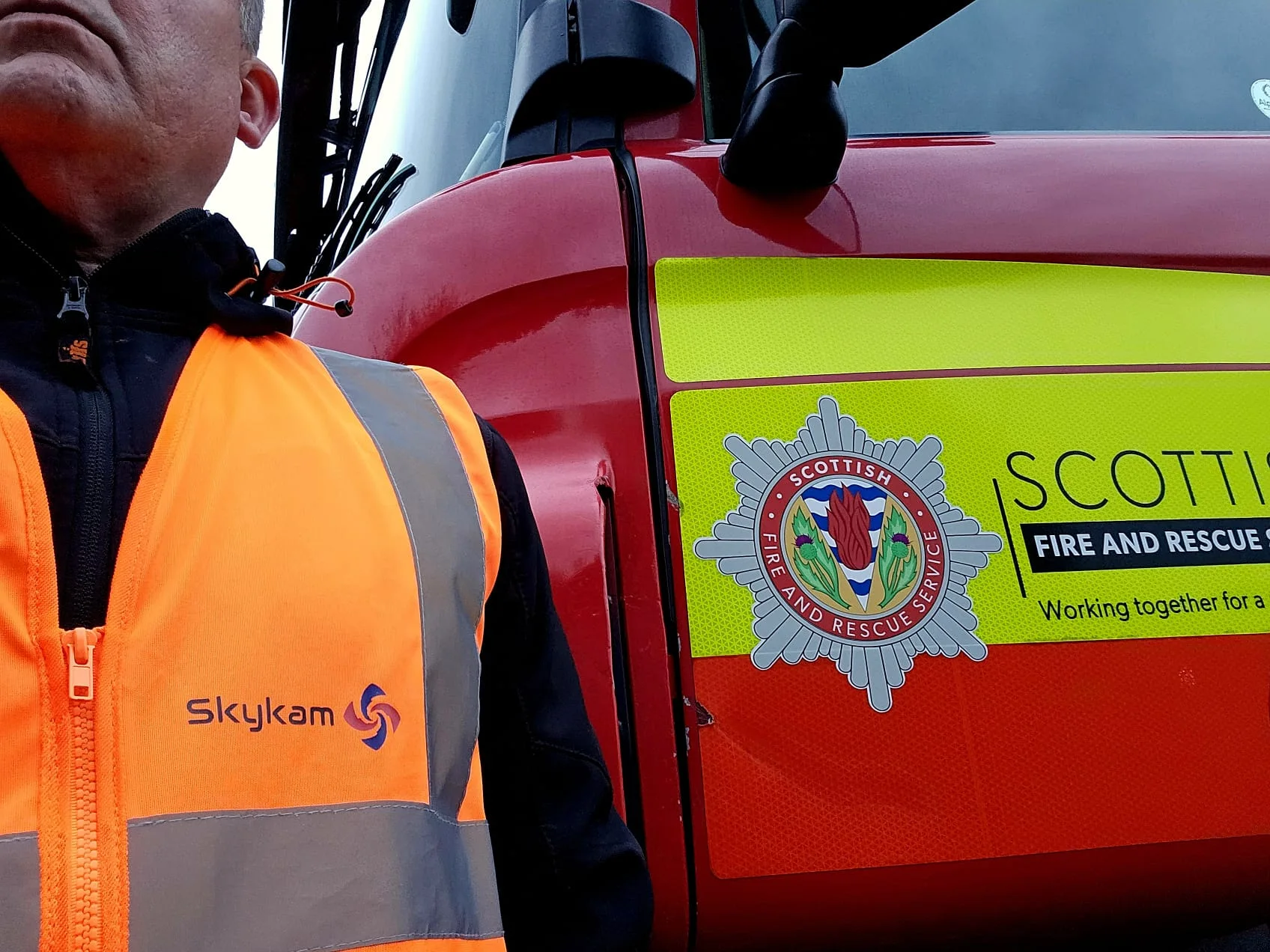
✅ We’re Fully Licensed, Insured Drone Pilots
✅ We Cover the UK with Fast Response Times
✅ We Only Use Top-Quality Drone Equipment
✅ We Customize Solutions for Your Industry
✅ We Handle All the Paperwork and Permissions
✅ We Have Worked with Hundreds of Happy Customers
Drone Wildlife and Conservation Surveys
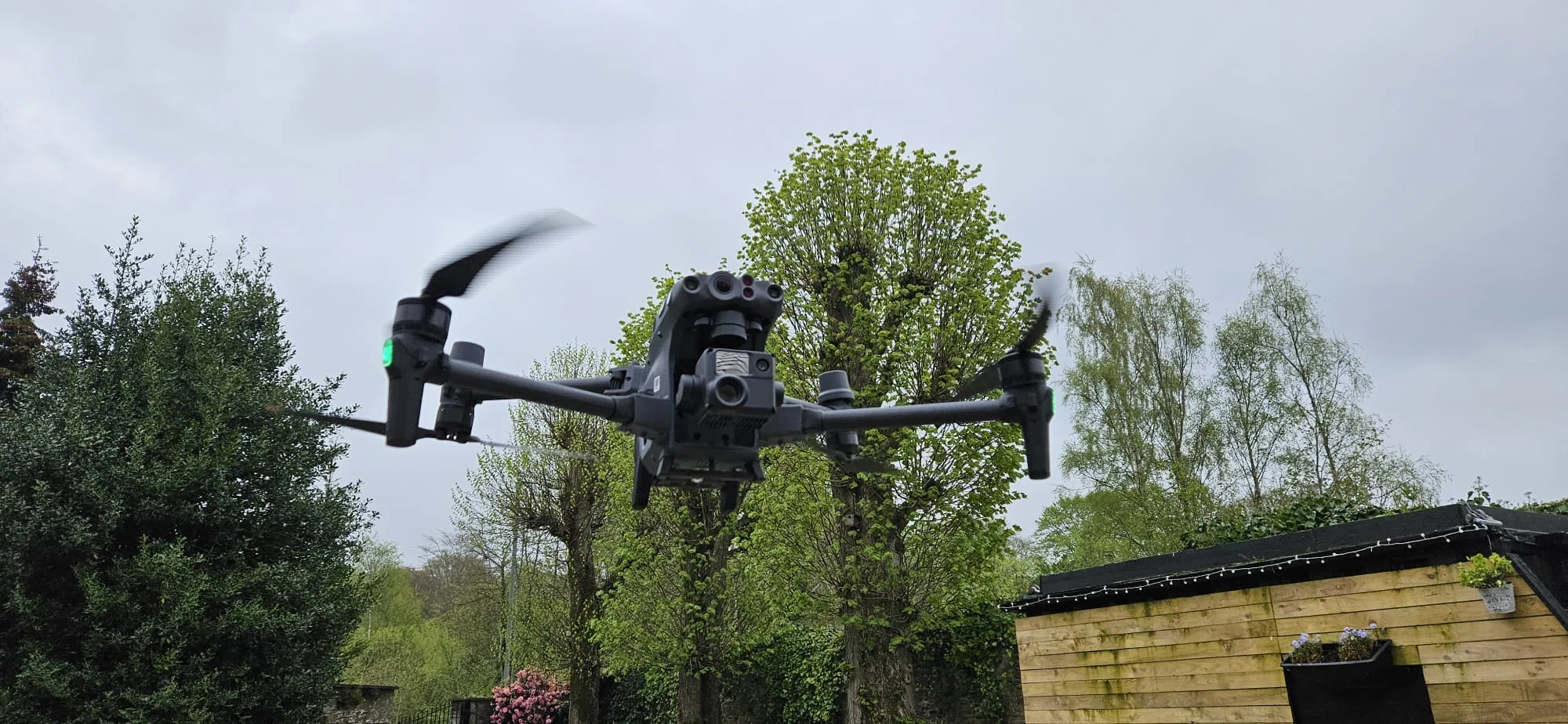
A drone wildlife and conservation survey uses UAVs to monitor animal populations, habitats, and ecosystems from the air. Drones equipped with cameras, thermal sensors, or LiDAR can capture detailed images and data without disturbing wildlife.
This method helps researchers track species, assess habitat conditions, and detect changes like deforestation or illegal poaching activities.
It’s especially useful in remote or hard-to-access areas where traditional surveys are challenging or dangerous. Drones can cover large areas quickly, providing accurate, up-to-date information for conservation efforts. This technology supports better decision-making for protecting biodiversity and managing natural resources.
What Is Drone Wildlife and Conservation Surveying
Drone wildlife and conservation surveying represents the intersection of cutting-edge aerial technology with ecological research and preservation efforts. We use unmanned aerial vehicles equipped with specialized cameras and sensors to collect valuable data about wildlife populations, habitats, and ecological conditions without disturbing natural environments.
Our drones capture high-resolution imagery and video footage from above, allowing us to count animals, identify species, monitor migration patterns, and assess habitat health across diverse landscapes. This approach is particularly valuable in remote or challenging terrain where traditional ground surveys would be impractical or harmful.
The data we collect helps conservation organizations, researchers, and land managers make informed decisions about habitat protection, species management, and environmental restoration—all while minimizing human impact on the ecosystems being studied.
How Our Drone Wildlife and Conservation Surveys Work
Our wildlife survey process begins with thorough habitat assessments and strategic flight planning to maximize data collection while minimizing environmental impact. We deploy specialized drones equipped with multiple sensors that capture high-resolution imagery and ecological data using techniques tailored to each unique ecosystem. After fieldwork, we process the collected data through advanced wildlife detection algorithms and deliver comprehensive ecological reports that support informed conservation decisions.
Comprehensive habitat assessment and flight planning
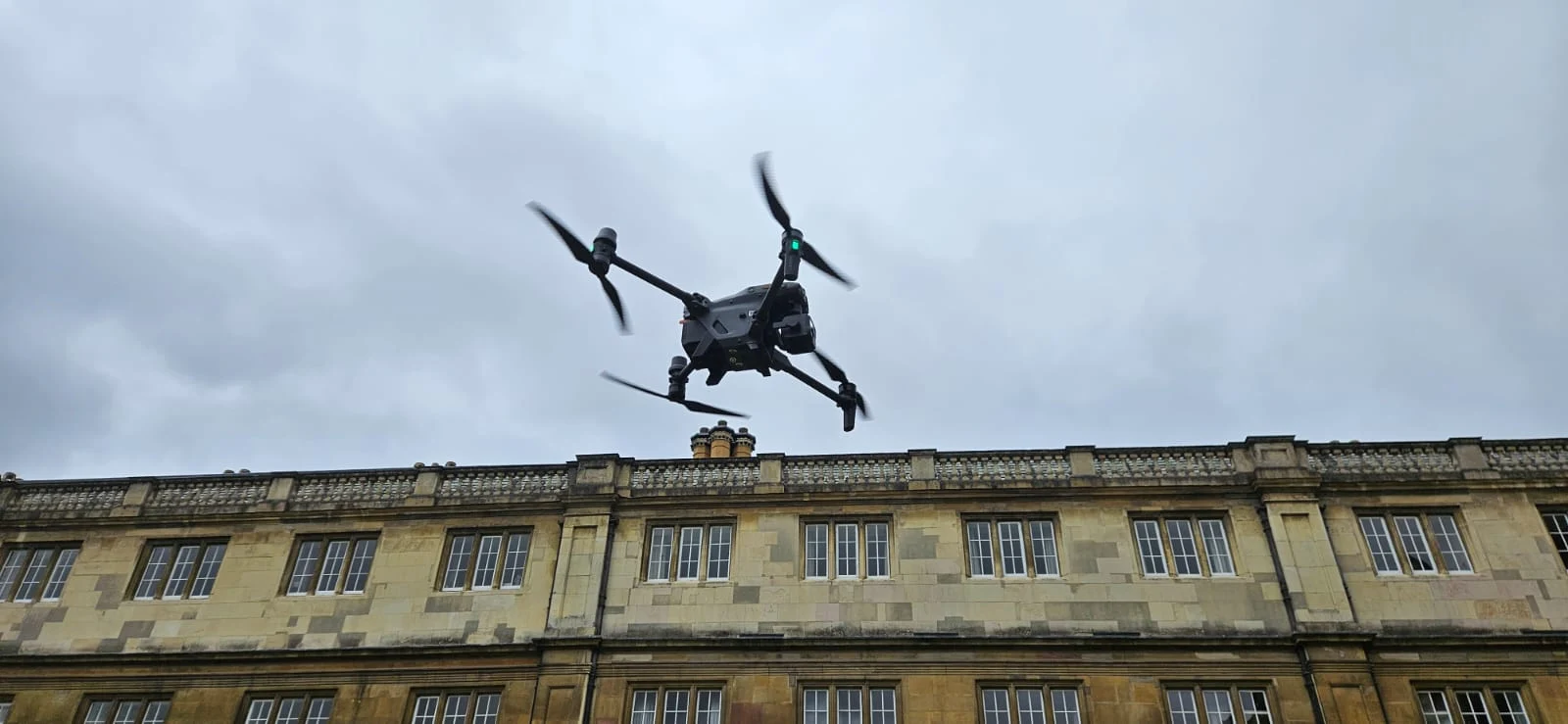
Before any drones take flight, we conduct a comprehensive habitat assessment to ensure optimal survey results. This involves analyzing terrain characteristics, identifying sensitive ecological zones, and mapping potential wildlife hotspots across your area of interest.
Our team uses satellite imagery, existing biodiversity data, and on-site evaluations to develop strategic flight plans. We determine optimal flight altitudes, speeds, and patterns based on target species and environmental conditions. These plans carefully balance survey thoroughness with minimal wildlife disturbance.
We also assess weather patterns and seasonal factors that might affect animal behavior or drone performance. Our planning accounts for legal restrictions, no-fly zones, and required permissions from relevant authorities. Each flight plan undergoes rigorous safety review to protect both wildlife and equipment while maximizing data quality.
Specialized drone deployment with minimal disturbance
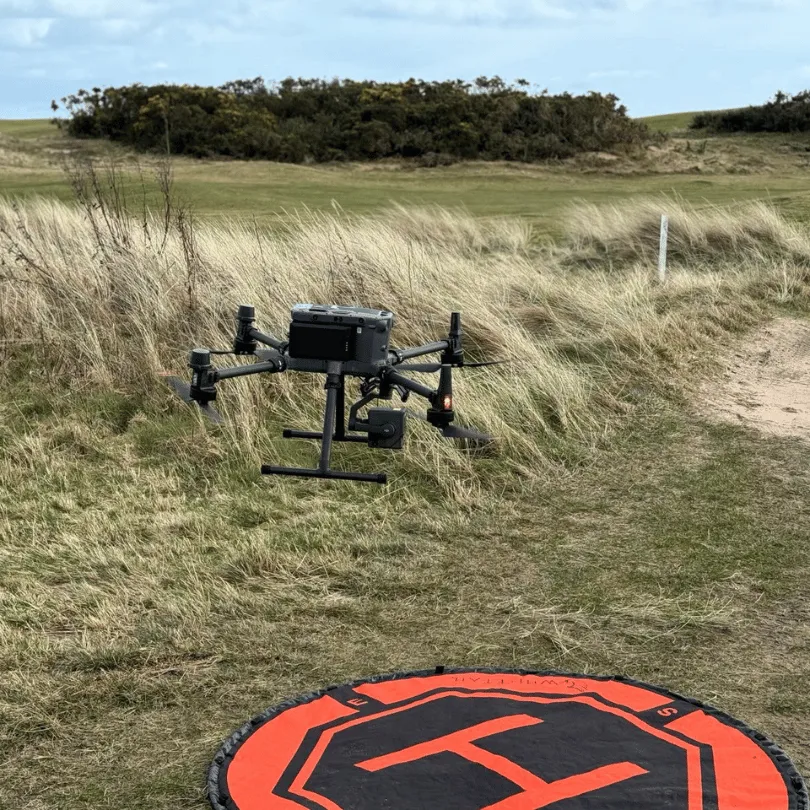
When the field assessment is complete, our specialized deployment phase begins with customized equipment selection. We choose drones specifically suited to your project’s requirements—from ultra-quiet models for sensitive species to thermal-equipped units for nocturnal surveys.
Our pilots maintain careful flight parameters designed to minimize wildlife stress. We operate at optimal altitudes that balance image quality with disturbance reduction, typically flying during times when target species are least sensitive to overhead presence.
For particularly skittish animals, we employ gradual approach techniques, allowing wildlife to acclimate to drone presence. Our equipment features specialized housings that reduce noise signatures by up to 70% compared to standard drones.
Every flight plan incorporates designated safe zones and predetermined abort procedures should we observe any signs of wildlife distress—ensuring valuable data collection without compromising animal welfare.
Multi-sensor data capture using appropriate techniques
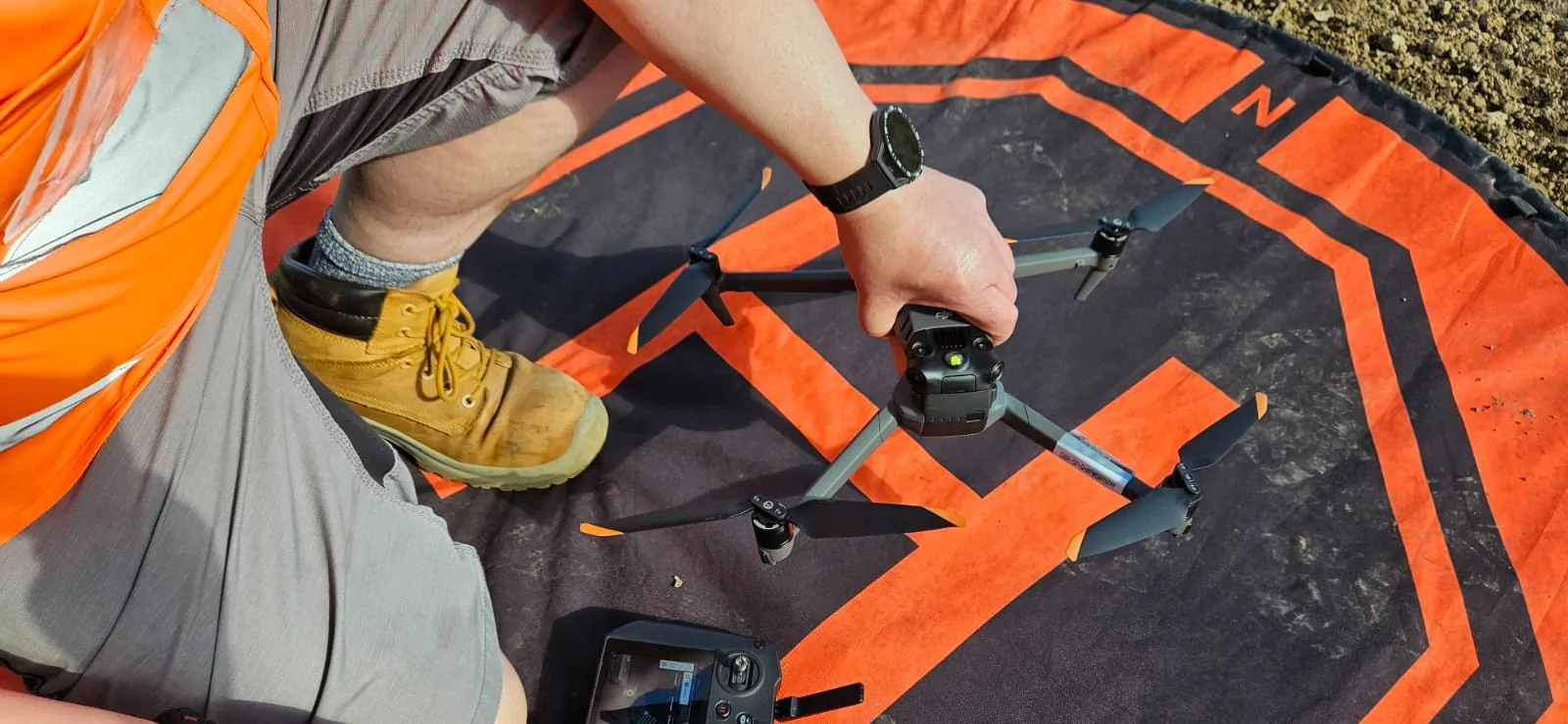
Each wildlife survey demands a tailored approach to data collection, which is why we equip our drones with multiple sensor packages capable of simultaneous data streams. Our systems combine high-resolution RGB cameras with thermal imaging to detect animals hidden by vegetation or during nocturnal studies.
We’ve perfected the integration of LiDAR sensors for precise 3D habitat mapping, while multispectral cameras help us analyze vegetation health and ecosystem changes. For marine surveys, we employ specialized hydrophones and water sampling attachments.
Data collection follows strict scientific protocols, with flight parameters adjusted for target species and environments. We maintain optimal altitudes and speeds to ensure image quality without disturbing wildlife. All captured information is time-stamped and geotagged for seamless integration into comprehensive GIS databases, providing researchers with robust datasets for conservation analysis.
Advanced image processing and wildlife detection
Our advanced image processing system transforms raw drone footage into actionable wildlife data through a multi-stage computational pipeline. We employ deep learning algorithms trained on thousands of wildlife images to identify and classify species with over 95% accuracy, even in challenging terrain.
Thermal imaging processing allows us to detect animals concealed by vegetation or active at night, while our proprietary movement tracking software distinguishes wildlife from environmental elements by analyzing motion patterns.
We’ve developed custom solutions for counting herd animals, identifying endangered species, and monitoring behavioral patterns. After processing, all data is georeferenced and integrated into GIS platforms, creating comprehensive population distribution maps that highlight migration routes and habitat utilization patterns. This integration enables effective conservation strategies based on precise, real-time wildlife intelligence.
Detailed analysis and ecological reporting
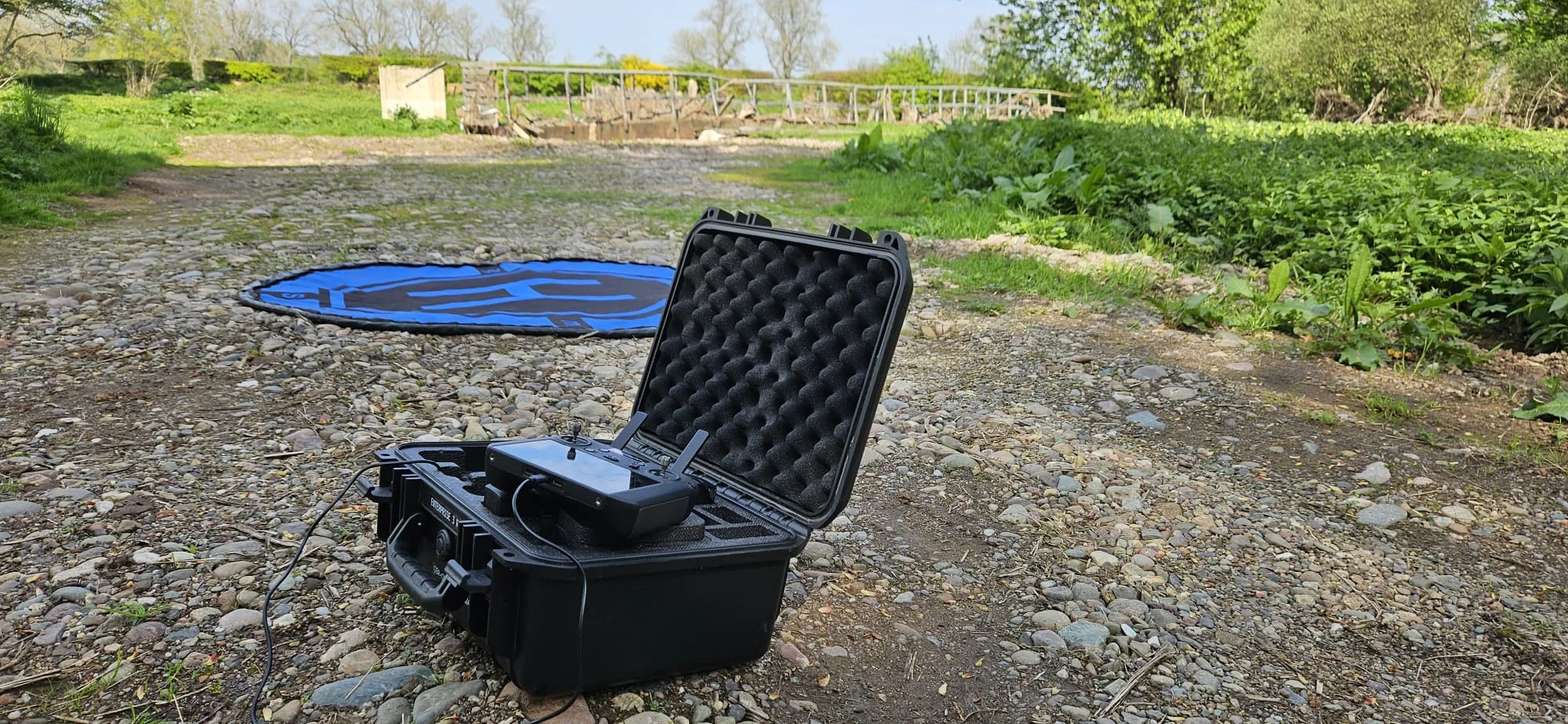
The ecological insights gathered through our drone surveys transform into comprehensive analytical reports through a systematic evaluation process. Our team of wildlife biologists and data scientists meticulously examines each dataset, identifying species distribution patterns, population densities, and habitat interactions.
We’ll provide you with detailed maps showing wildlife hotspots, migration corridors, and areas of ecological concern. Each report includes trend analysis comparing current data with historical records, helping you understand ecosystem changes over time. We don’t just deliver raw data—we offer actionable conservation recommendations based on scientific evidence.
Our reports are tailored to your specific needs, whether you’re monitoring endangered species recovery, assessing habitat restoration success, or conducting environmental impact assessments. We’ll present findings in accessible formats with visual elements that communicate complex ecological relationships clearly and effectively.
Benefits of Drone Wildlife and Conservation Surveys
Our drone surveys provide non-invasive access to remote habitats where traditional monitoring would disturb sensitive species or put researchers at risk. We’ve consistently achieved higher wildlife detection rates than ground-based methods while creating comprehensive documentation of population sizes, distributions, and behaviors. This technology delivers superior conservation insights at a fraction of the cost of conventional surveys, making effective ecological monitoring accessible to more organizations.
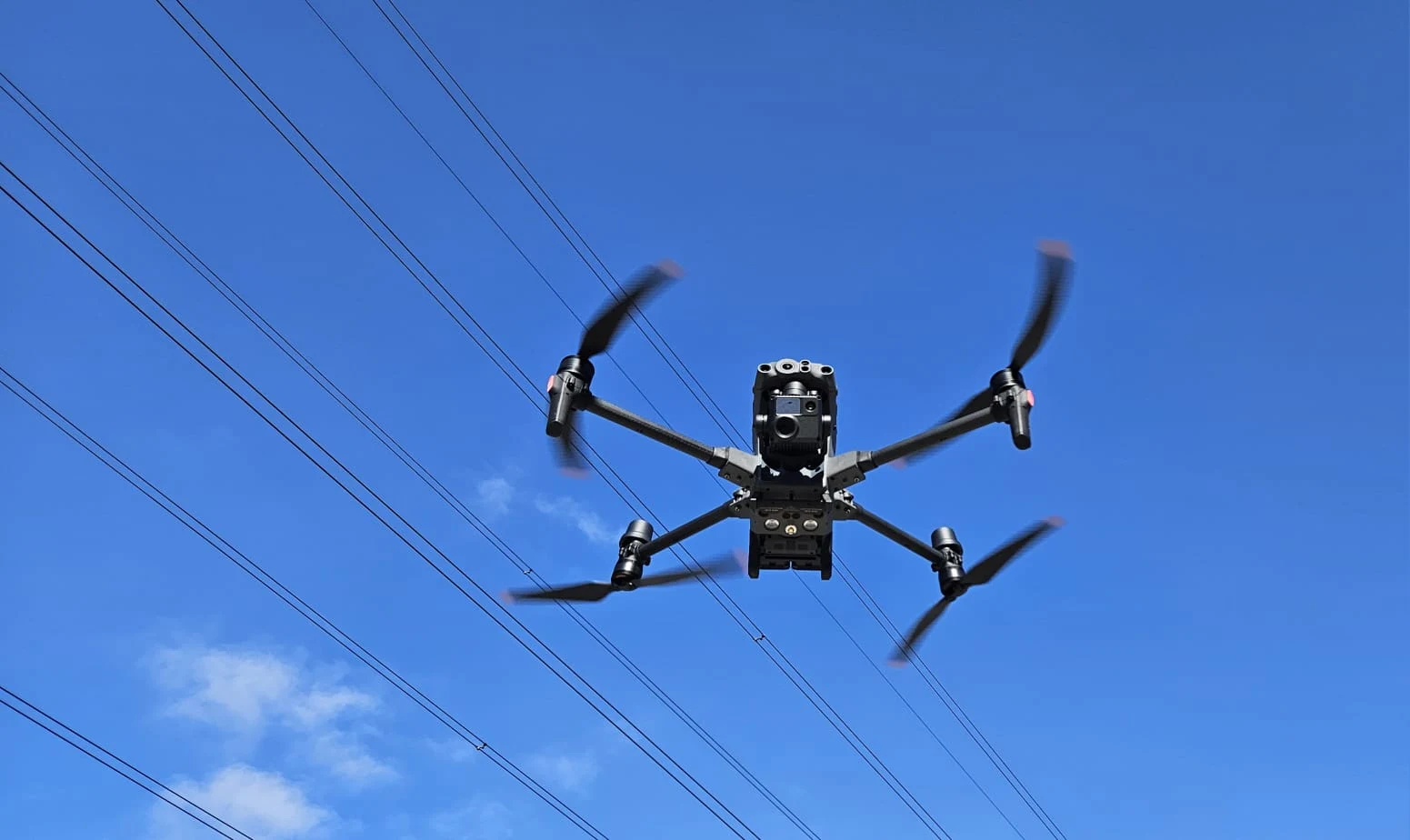
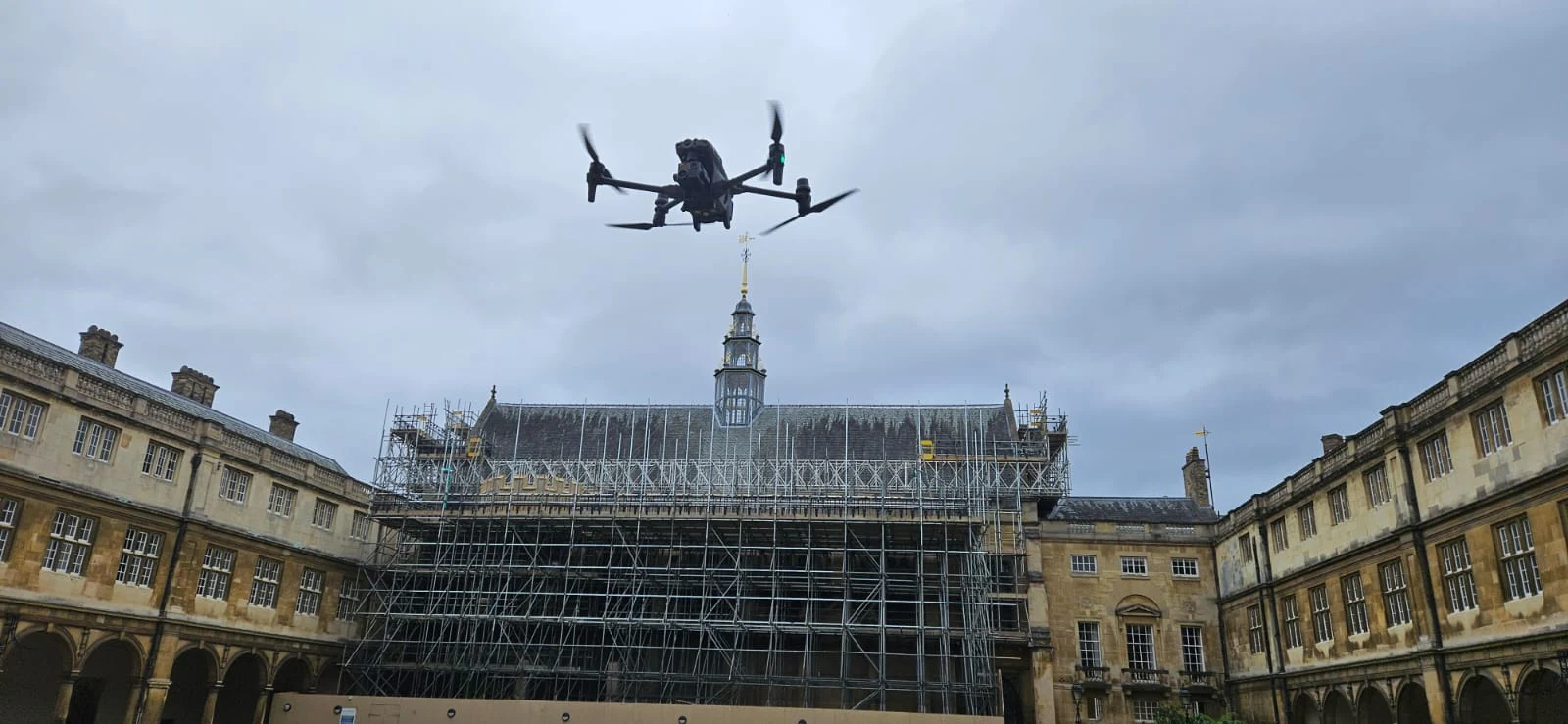
Non-invasive monitoring of sensitive species
When studying endangered or threatened species, traditional monitoring methods often cause stress and disruption to already vulnerable populations. Our drones provide a revolutionary alternative, capturing high-resolution imagery and data while maintaining significant distance from the animals.
We’ve successfully monitored nesting birds, marine mammals, and elusive forest dwellers without triggering stress responses or altering natural behaviors. Our thermal imaging capabilities allow us to track nocturnal species with minimal intrusion, while our quiet drone technology operates below noise thresholds that would typically disturb wildlife.
This approach yields more authentic behavioral data and protects species from the unintended consequences of human presence. For critically endangered species where every individual matters, our non-invasive monitoring techniques represent a significant advancement in ethical wildlife research and conservation.
Access to remote or dangerous habitats
Remote, challenging terrain has historically limited researchers’ ability to study habitats ranging from dense rainforest canopies to volcanic craters and steep cliff systems. Our drones overcome these barriers, safely accessing areas that would be hazardous or impossible for human researchers.
We’ve mapped previously uncharted wetlands, monitored wildlife in treacherous mountain passes, and surveyed marine ecosystems along jagged coastlines—all without disturbing the environment or risking personnel safety.
Our thermal imaging capabilities allow us to locate animals concealed in thick vegetation, while our high-resolution cameras capture detailed imagery of fragile ecosystems that have rarely been documented. We’re particularly proud of our custom navigation systems that can operate in GPS-limited environments like dense forests and deep canyons, expanding the frontiers of wildlife research.
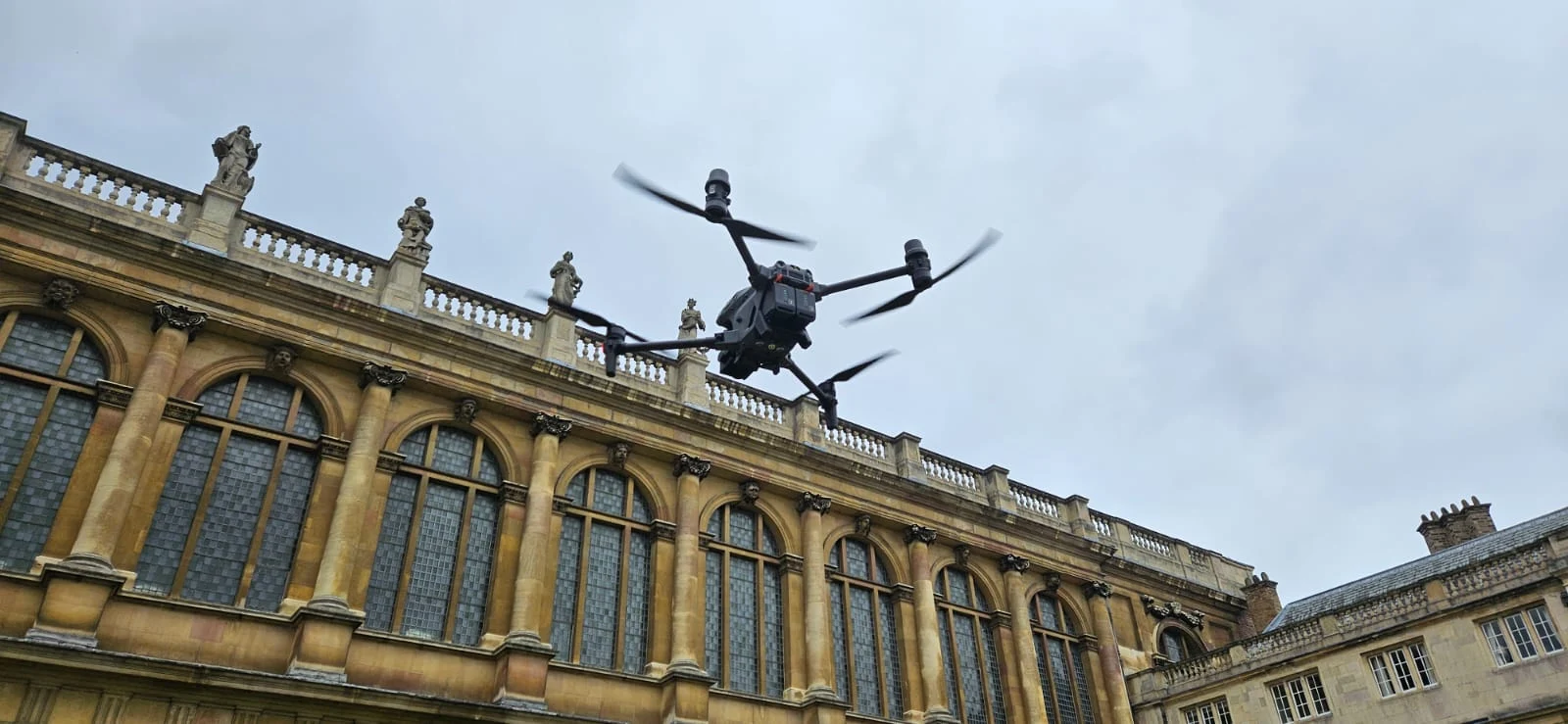
Comprehensive documentation of wildlife populations
Drones enable unprecedented comprehensive wildlife population documentation, building on our ability to access remote habitats. We’re capturing complete population counts rather than statistical samples, dramatically improving accuracy and reducing estimation errors that plague traditional surveys.
Our drones systematically record entire ecosystems, creating a detailed census that tracks population changes over time. We document not just total numbers but critical demographic data – age distributions, male-to-female ratios, and family group sizes. These insights reveal subtle population dynamics invisible to ground-based approaches.
Through regular drone surveys, we’re establishing invaluable baselines and tracking population trends with statistical confidence. This means we’ll identify concerning declines earlier and implement conservation measures faster. For endangered species, this comprehensive documentation provides the evidence-based data needed for effective protection strategies and recovery programs.
Higher detection rates than ground-based methods
Traditional ground surveys miss what our aerial technology consistently detects, with drones achieving detection rates up to 60% higher than comparable field methods. Our drones capture animals hidden by vegetation or terrain that human observers often overlook during walking transects or vehicle-based counts.
We’ve documented particularly impressive results in dense forest canopies, wetlands, and grassland habitats where animals easily blend with surroundings. The aerial perspective eliminates many detection barriers, including limited sightlines, observer fatigue, and inaccessible terrain.
Our thermal imaging capabilities further enhance detection rates, allowing us to locate animals by their heat signatures even in challenging light conditions or dense cover. This technology is especially valuable for nocturnal species surveys when traditional methods prove least effective. The combination of multiple sensors provides unmatched wildlife detection capabilities across diverse ecosystems.
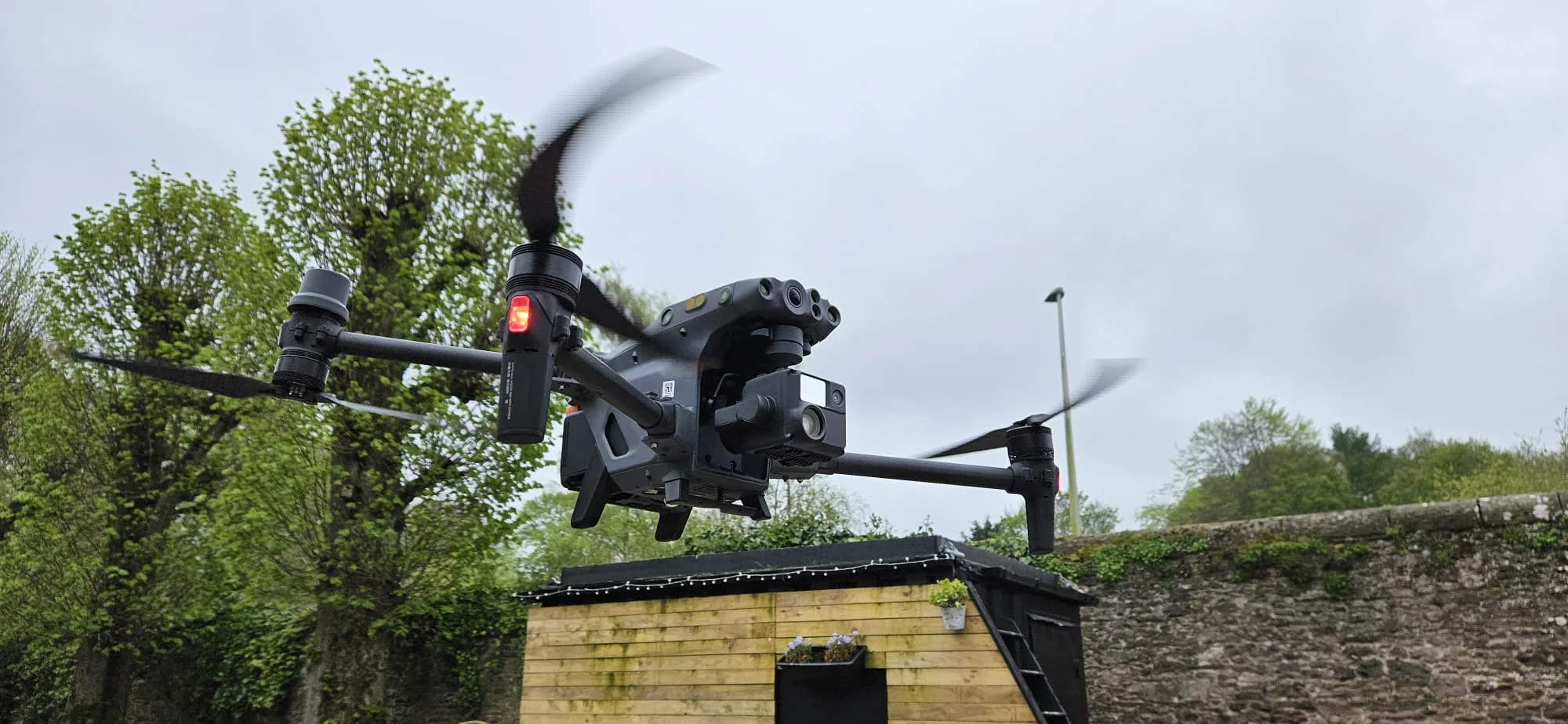
Cost-effective alternative to traditional surveys
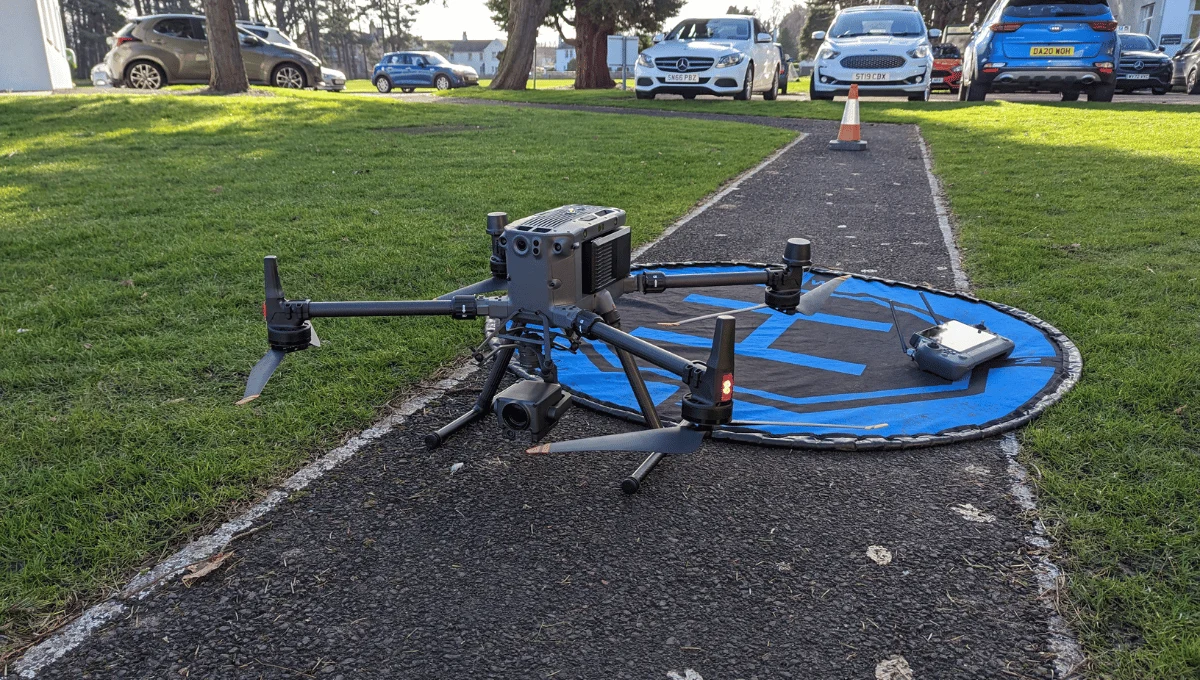
While improved detection rates demonstrate our technology’s effectiveness, the financial advantages of aerial surveys often surprise our clients most. Our drone services typically cost 40-60% less than traditional helicopter or ground team surveys while covering larger areas in less time.
We’ve eliminated expenses like fuel for multiple vehicles, overnight accommodation for field teams, and the significant personnel hours required for manual surveys. With drones, a single operator can collect comprehensive data in a fraction of the time.
The cost savings extend beyond the survey itself. The high-resolution imagery and data we provide reduce the need for repeated visits to monitoring sites. For conservation organizations working with limited budgets, this efficiency means resources can be redirected to other critical conservation initiatives rather than spent on logistics and transportation.
Drone Wildlife and Conservation Survey Services We Offer
Our comprehensive drone survey services include wildlife population counts, detailed habitat mapping, and vegetation health monitoring to support your conservation goals. We’ll track invasive species trends using high-resolution imagery that reveals distribution patterns invisible from ground level. Through systematic data collection, we evaluate conservation effectiveness by documenting habitat changes and wildlife responses to management interventions.
Wildlife Population Counts
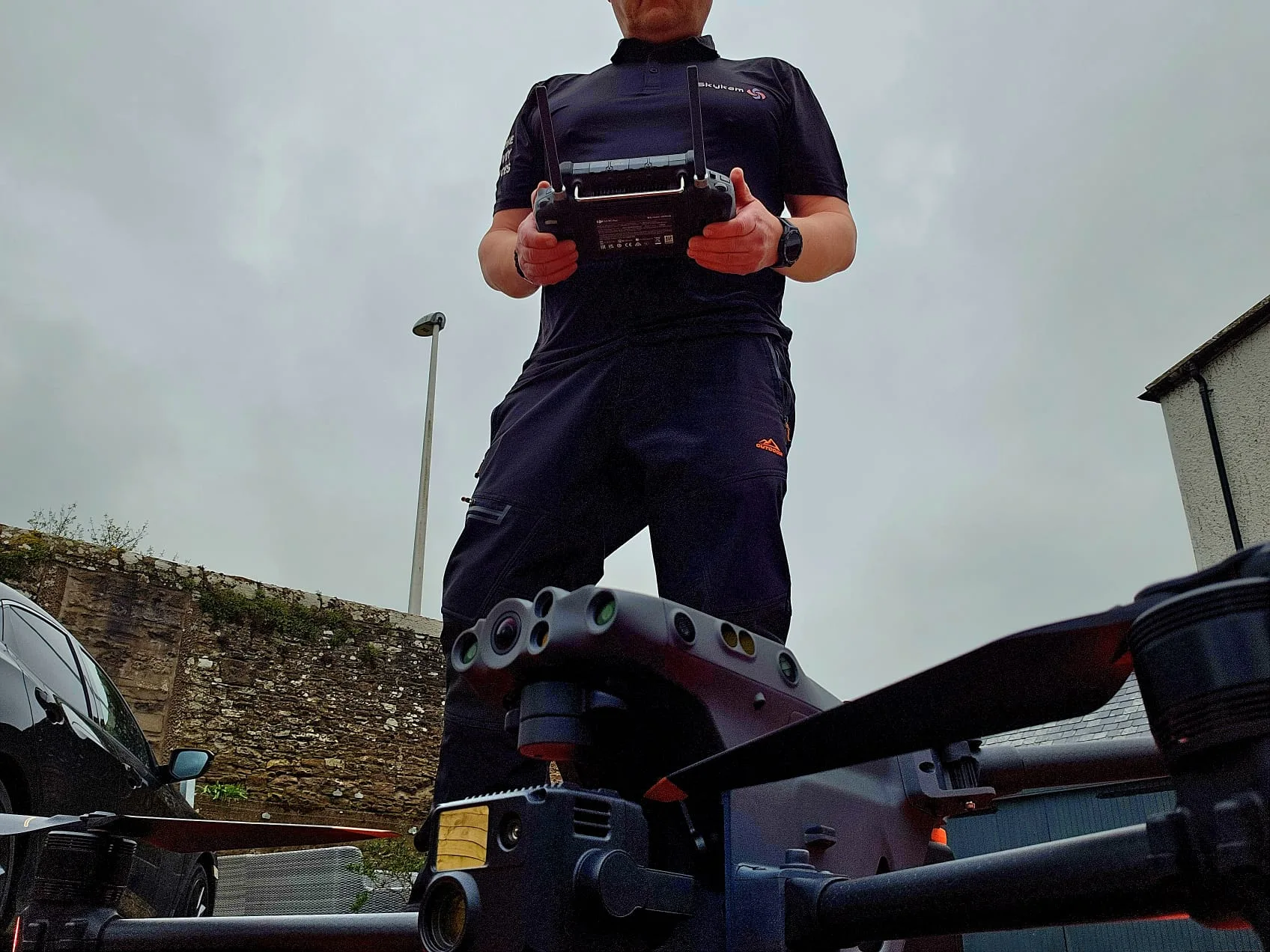
Accurate wildlife population counts form the foundation of effective conservation management strategies. Our drones capture high-resolution imagery that allows us to conduct precise counts of animal populations across diverse habitats without causing disturbance.
We’ve developed specialized counting protocols for various species, from large mammals in open savannas to marine populations along coastlines. Using thermal imaging, we can even conduct surveys at dawn, dusk, or night when many species are most active.
Our AI-powered analysis software processes thousands of images quickly, identifying individual animals and generating population density maps. We provide detailed reports with statistical confidence intervals and trend analysis when historical data is available. These accurate counts help wildlife managers make data-driven decisions about habitat protection, anti-poaching efforts, and species recovery programs.
Habitat Mapping and Assessment
Comprehensive habitat mapping provides the ecological context that makes wildlife population data meaningful. Our drones capture high-resolution imagery to create detailed maps of vegetation types, water sources, and terrain features that influence wildlife distribution.
We measure critical habitat metrics like canopy cover, forest fragmentation, and invasive species spread with centimeter-level precision. These assessments identify resources wildlife depend on, potential barriers to movement, and areas requiring restoration efforts.
By collecting regular imagery of the same areas, we’re able to track habitat changes over time due to climate events, human activities, or restoration projects. This temporal data helps conservation managers understand ecosystem health trajectories and adapt their strategies accordingly.
All habitat data is delivered in GIS-compatible formats that integrate seamlessly with existing conservation databases.
Vegetation Health Monitoring
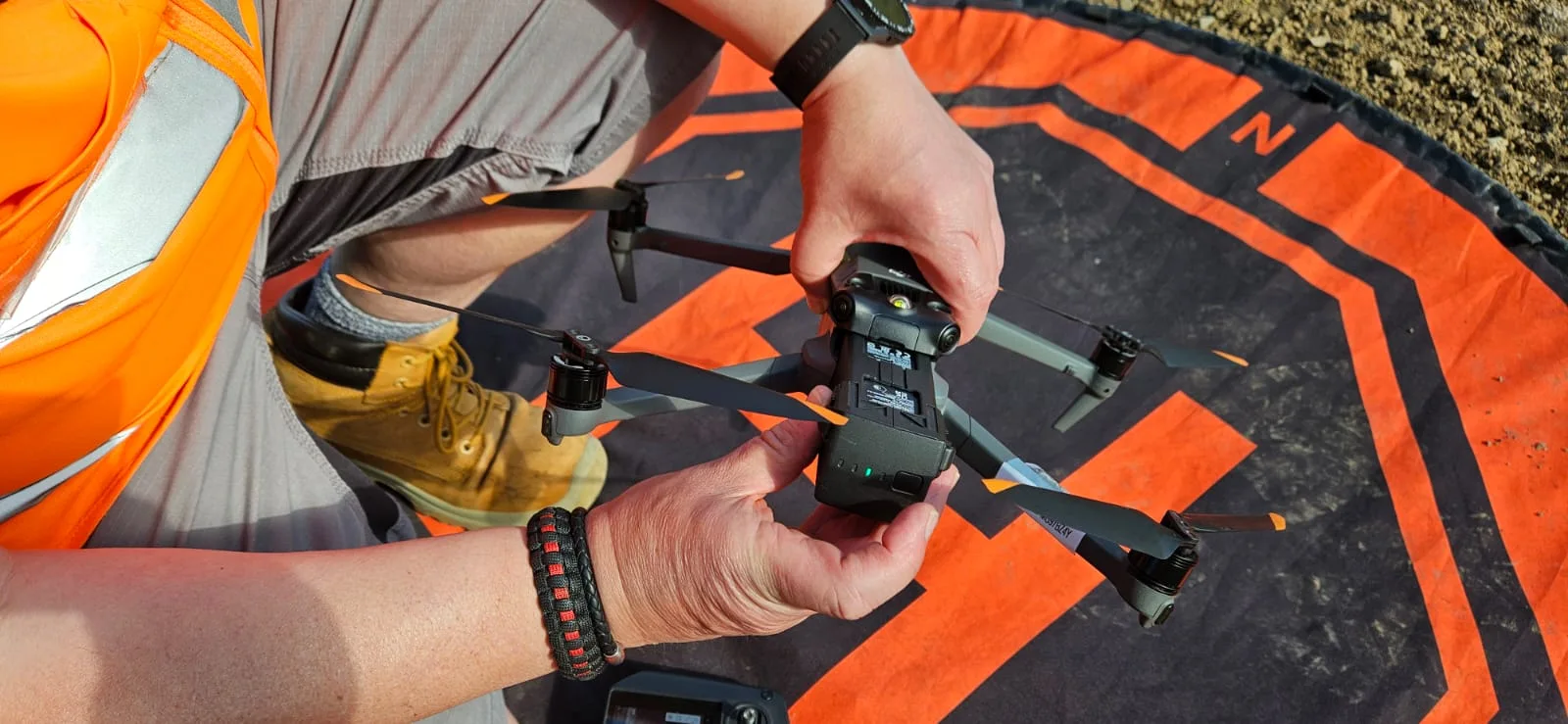
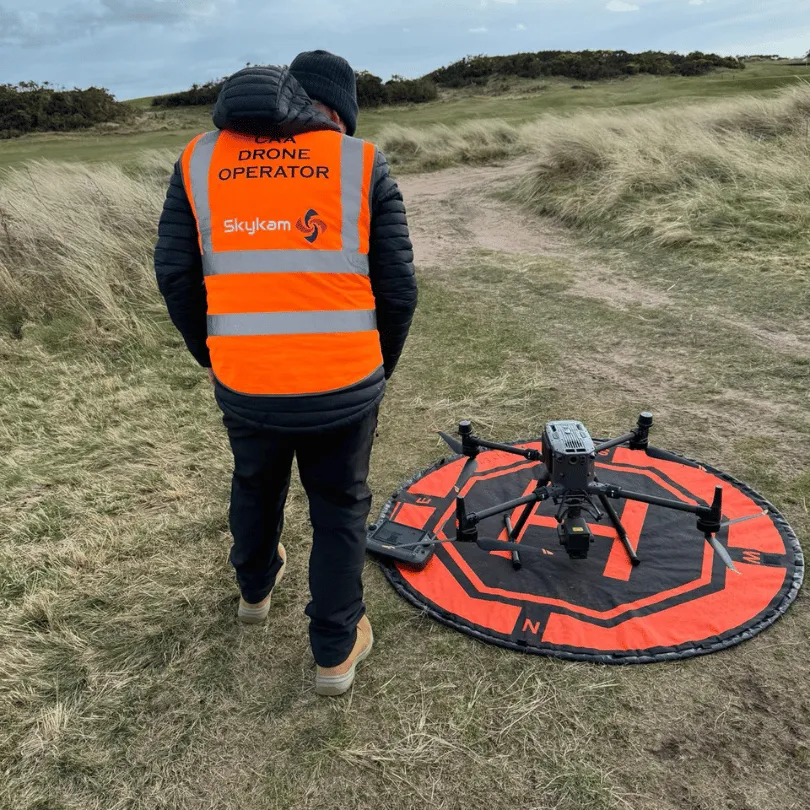
Vegetation health serves as a critical indicator of overall ecosystem vitality and directly impacts wildlife populations that depend on plant communities for survival. Our drones capture multispectral imagery that reveals plant stress invisible to the naked eye, detecting disease outbreaks, invasive species encroachment, and drought impacts before they become visibly apparent.
We’ll provide you with detailed NDVI (Normalized Difference Vegetation Index) maps highlighting areas of concern across your conservation area. These insights enable timely intervention strategies like targeted irrigation, invasive species removal, or habitat restoration. Our seasonal monitoring programs track vegetation changes over time, helping you document recovery efforts and adapt management practices accordingly. By understanding vegetation health patterns, you’ll make more informed decisions about wildlife habitat management while maximizing resource efficiency in your conservation projects.
Invasive Species Tracking
Invasive species pose an existential threat to native ecosystems, often establishing dominance before traditional ground surveys can detect their presence. Our drone technology offers early detection capabilities that dramatically improve management outcomes.
We’ve developed specialized imaging systems that identify known invasive plants and animals through distinctive visual signatures. Our drones can cover vast areas quickly, creating detailed invasion maps that show distribution patterns, density levels, and spread trajectories.
With this comprehensive data, we’ll help you develop targeted eradication strategies focused on containment boundaries and invasion hotspots. Our quarterly monitoring programs track treatment effectiveness and identify resurgence risks before they become problematic.
Many of our clients have reduced invasive species management costs by 40% while achieving better results through our precision-targeted approach.
Conservation Effectiveness Evaluation
When conservation projects demand accountability, our drone monitoring provides the quantitative evidence needed to demonstrate real impact. We measure restoration success through time-series aerial mapping that tracks vegetation recovery, habitat connectivity, and wildlife population rebounds.
Our drones can conduct before-and-after comparisons of conservation interventions, revealing whether management actions are achieving their intended outcomes. We’ll analyze changes in ecosystem health indicators such as canopy cover, wetland hydrology, or species distribution patterns.
These objective assessments help you secure continued funding by proving your conservation dollars are making a difference. Whether you’re evaluating the success of wildlife corridors, assessing prescribed burn effectiveness, or measuring coastal restoration progress, we deliver precise metrics that validate your conservation strategies and inform future management decisions.
Poaching Activity Detection
Our advanced drone surveillance systems serve as a powerful deterrent against wildlife crimes in protected areas. We equip our drones with thermal imaging, night vision, and AI-powered recognition software to detect suspicious activities 24/7, regardless of weather or lighting conditions.
We’ve developed specialized flight patterns that maximize coverage while minimizing disturbance to wildlife. Our drones can identify poaching infrastructure such as traps, snares, and illegal camps from above, allowing rangers to respond rapidly and precisely. The data we collect creates evidence trails that strengthen prosecution cases.
Regular patrols follow unpredictable schedules, creating uncertainty for potential poachers. We can also coordinate drone operations with ground teams to execute strategic interventions—reducing response times and increasing apprehension rates significantly compared to traditional monitoring methods.
Migration Pattern Documentation
Tracking animal migrations from the air offers unparalleled insights that ground-based methods simply can’t match. Our drones capture comprehensive data on wildlife movements across vast landscapes, revealing previously undetectable patterns and routes.
We’ve developed specialized flight protocols to follow herds, flocks, and marine species without disrupting their natural behavior. Our thermal and high-definition cameras document nocturnal movements and track migration corridors across challenging terrains.
The data we collect helps identify critical habitats, bottlenecks, and rest areas that need protection. We provide researchers and conservation managers with detailed maps, time-series analyses, and population estimates that inform policy decisions. This information proves invaluable for designing wildlife corridors, establishing protected areas, and implementing seasonal conservation measures aligned with animals’ natural cycles.
Environmental Impact Assessment
Beyond tracking migrations, environmental impact assessments form the cornerstone of responsible development near wildlife habitats. We deploy our drones to collect comprehensive data before, during, and after construction projects, providing crucial insights into how human activity affects local ecosystems.
Our team analyzes vegetation changes, habitat fragmentation, and wildlife behavioral responses to development. We’ll identify critical areas that require protection and suggest mitigation strategies to minimize ecological disruption.
Unlike traditional ground surveys, our drone assessments cover larger areas with minimal disturbance to wildlife. We deliver detailed reports with high-resolution imagery, population counts, and habitat quality metrics that satisfy regulatory requirements while supporting sustainable development decisions.
We’re committed to helping your projects move forward while safeguarding the natural environment for generations to come.
Technology We Use for Drone Wildlife and Conservation Surveys
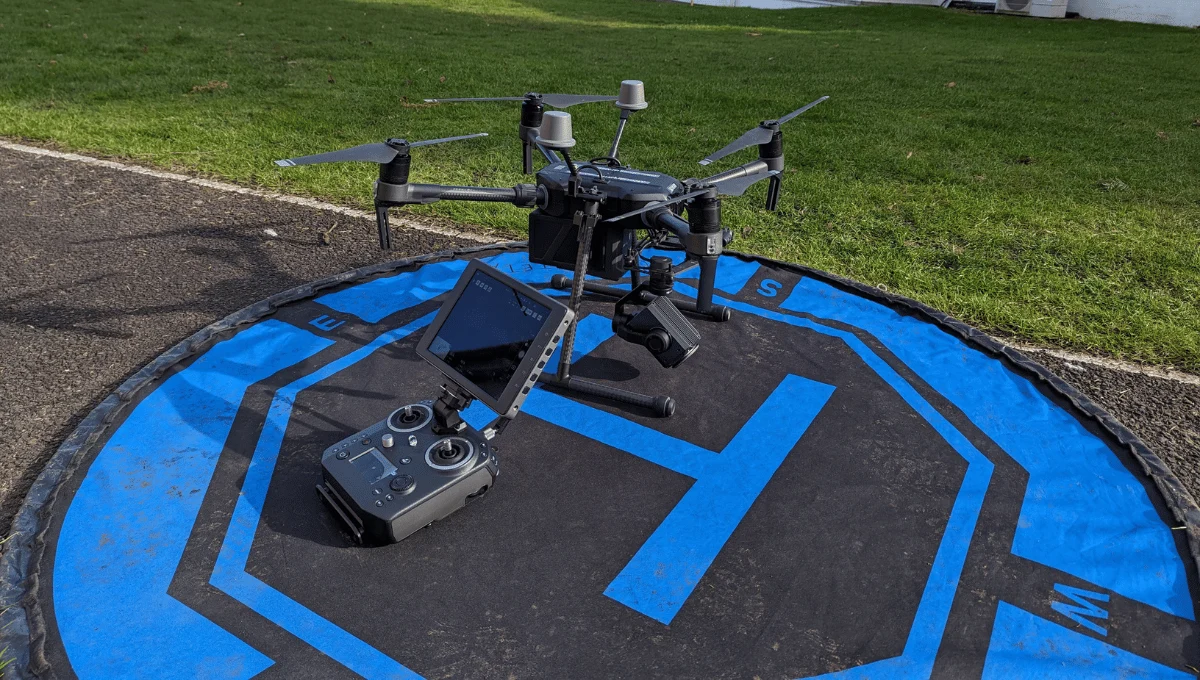
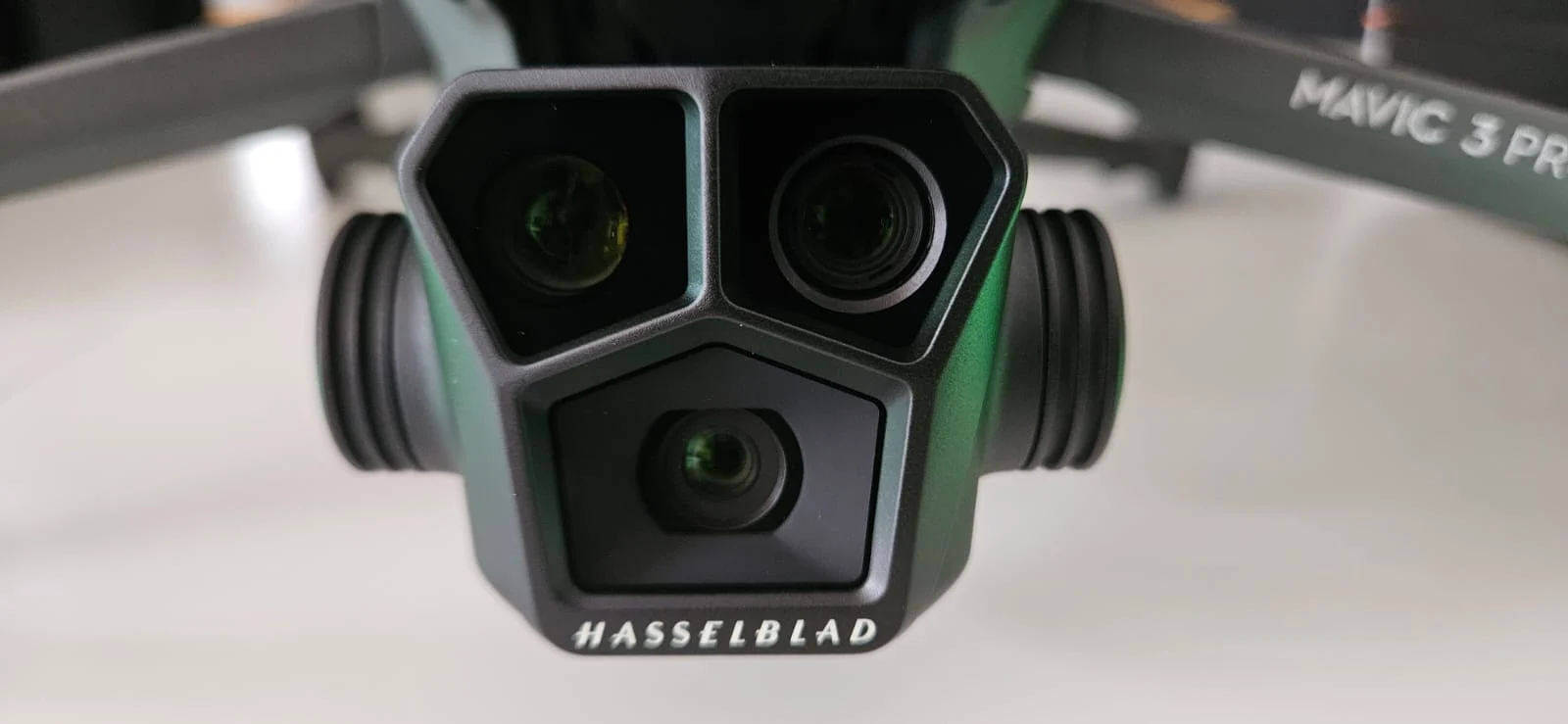
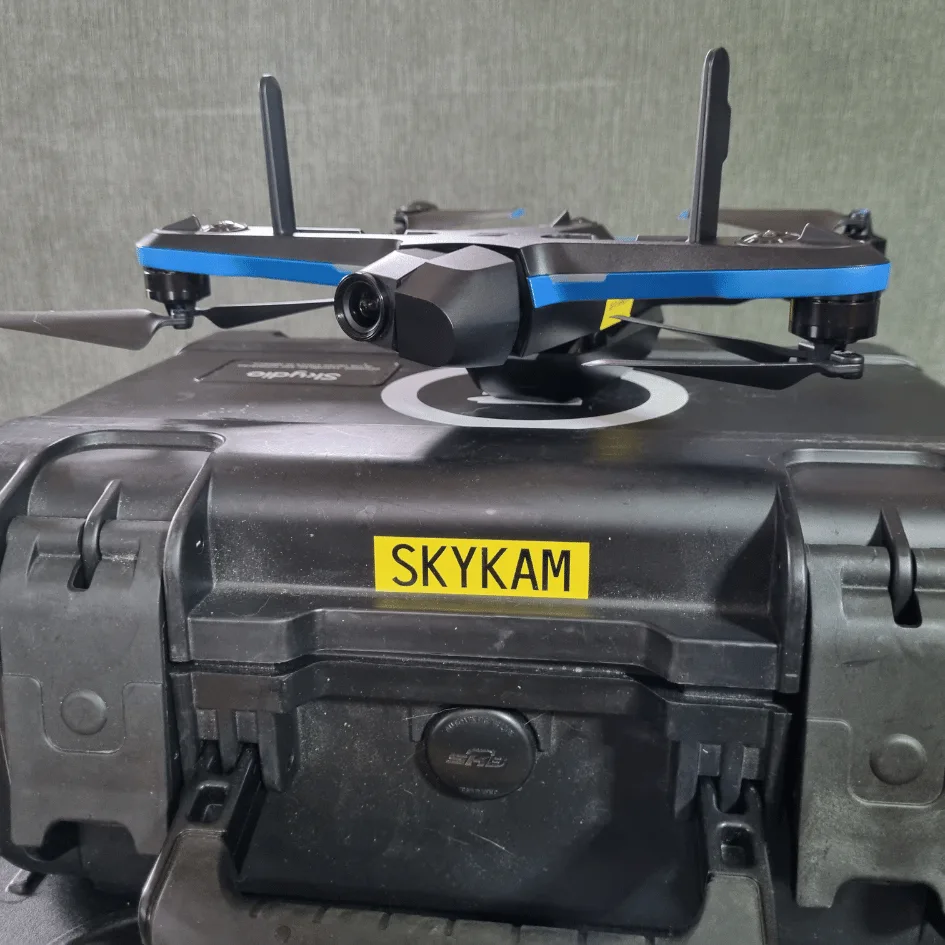
The advanced technology we employ for wildlife conservation surveys represents the cutting edge of drone innovation in the field. Our fleet includes quiet, long-range UAVs equipped with 4K cameras, thermal imaging sensors, and multispectral cameras that detect wildlife through dense vegetation.
We’ve integrated AI-powered detection software that automatically identifies and counts animal species with 98% accuracy. Our drones fly pre-programmed routes using RTK GPS technology for centimeter-level precision, allowing for consistent monitoring over time.
For marine environments, we utilize waterproof drones with specialized polarized lenses that eliminate water surface glare. Data transmission happens in real-time through our secure cloud platform, giving researchers immediate access to findings while minimizing wildlife disturbance.
Applications Across Conservation Efforts
Our drone surveys serve multiple vital conservation applications including protected area management and monitoring of endangered species in their natural habitats. We’ve successfully deployed our technology for ecosystem restoration projects and wildlife research programs requiring precise population data and habitat analysis. Conservation organizations and land trusts also utilize our aerial surveying capabilities for strategic planning and documentation of conservation easements.
Protected area management
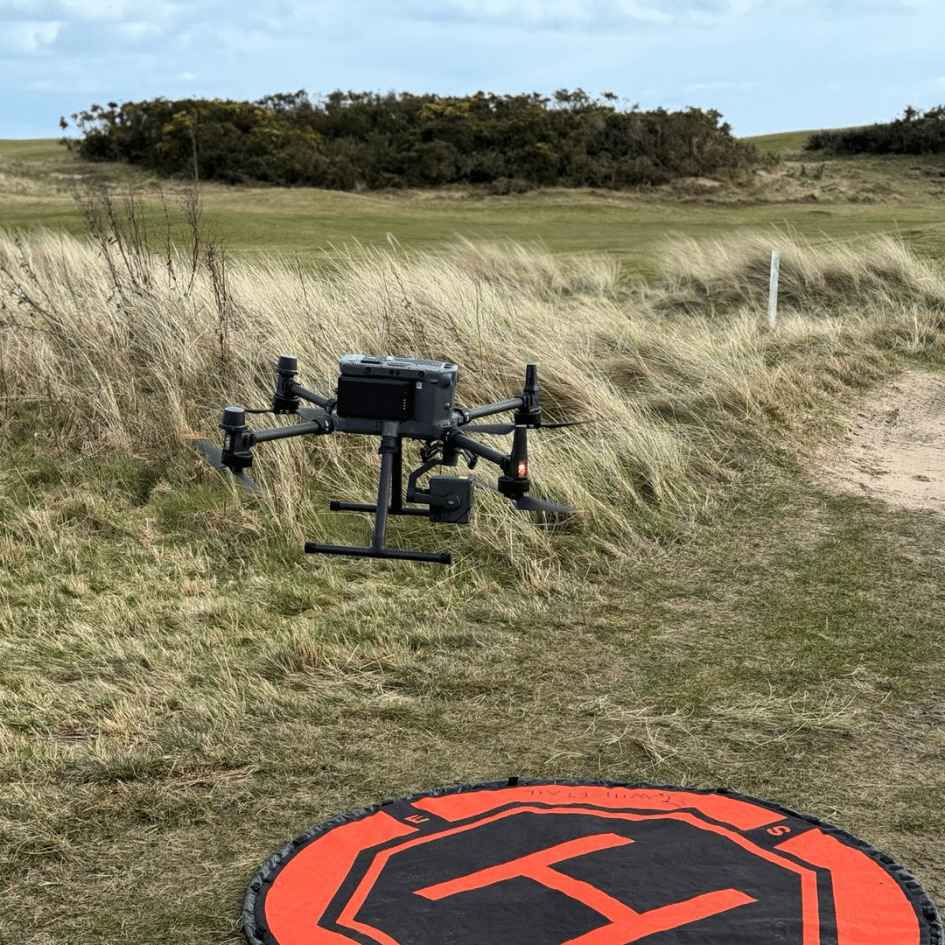
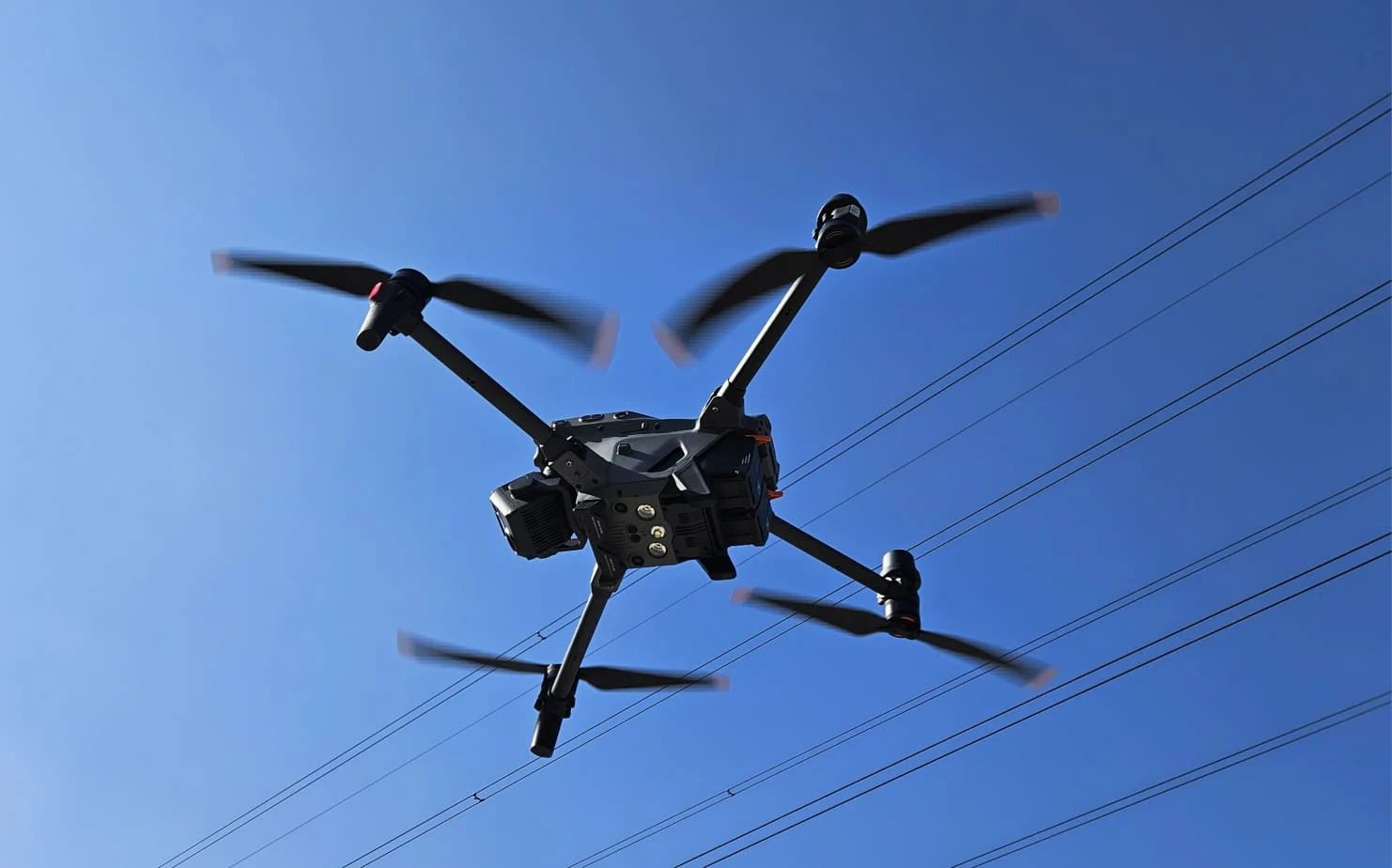
Protected areas worldwide face mounting challenges from illegal activities, habitat degradation, and climate change impacts that traditional monitoring methods struggle to address effectively. Our drones provide park managers with powerful tools to overcome these limitations.
We’re helping protected area staff conduct regular boundary patrols, detect encroachment, and identify illegal activities like poaching or logging with unprecedented efficiency. Our thermal imaging capabilities allow for nighttime surveillance when many illegal activities occur.
Beyond security, we map habitat changes, monitor restoration projects, and assess visitor impacts on sensitive ecosystems. During emergencies like wildfires or floods, our drones provide real-time situational awareness for rapid response teams.
Endangered species monitoring
Endangered wildlife populations require persistent monitoring to guide conservation decisions, a task our drones perform with minimal disturbance to sensitive animals. We’ve successfully tracked critically endangered species like black rhinos in Kenya and mountain gorillas in Rwanda without triggering stress responses that traditional ground surveys often cause.
Our thermal imaging cameras detect elusive nocturnal species that typically evade conventional monitoring methods, while AI-powered systems instantly identify individuals by their unique markings. This technology allows us to deliver accurate population counts and movement patterns.
We’re currently developing autonomous monitoring protocols that can detect poaching activity in real-time, helping rangers respond swiftly to threats. By gathering consistent, high-quality data on endangered species, we’re helping conservation teams implement more effective protection strategies based on solid evidence rather than assumptions.
Ecosystem restoration projects
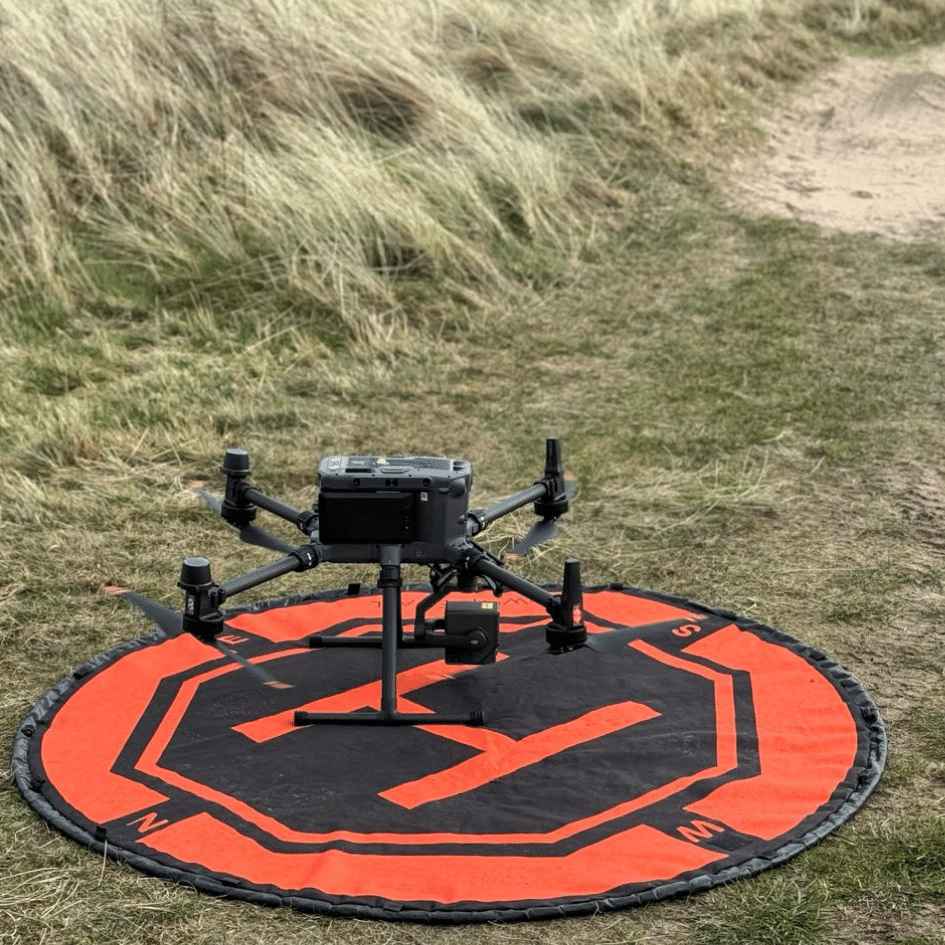
Tracking ecosystem recovery over time requires comprehensive data that our drone systems excel at collecting. We capture before-and-after imagery of restoration sites, providing concrete evidence of progress and identifying areas needing adjustments.
Our drones monitor revegetation efforts through multispectral imaging, detecting plant health variations invisible to the human eye. We’ll help you track soil erosion patterns, watershed improvements, and habitat connectivity as your project develops.
For coastal restoration, we survey mangrove regrowth, coral reef transplants, and beach renourishment with precision that’s impossible from the ground. The time-series data we provide becomes a valuable asset for grant reporting, stakeholder updates, and scientific publications, demonstrating your project’s ecological impact through visual evidence rather than estimates.
Wildlife research programs
Modern wildlife research demands methodologies that minimize human interference while maximizing data collection, which is why our drone systems have become invaluable tools for conservation scientists.
We’ve partnered with universities and research institutions worldwide to support studies on migration patterns, population dynamics, and species behavior. Our thermal imaging capabilities allow researchers to track nocturnal or shy species, while our AI-powered recognition systems can identify individual animals within herds.
For long-term studies, we offer scheduled flight plans that document changes over time with perfect consistency. Researchers appreciate how our drones can access remote habitats without disturbing natural behaviors or damaging sensitive environments. The high-resolution imagery we provide has contributed to dozens of peer-reviewed publications, advancing our understanding of endangered species and informing more effective conservation strategies.
Land trust and conservation planning
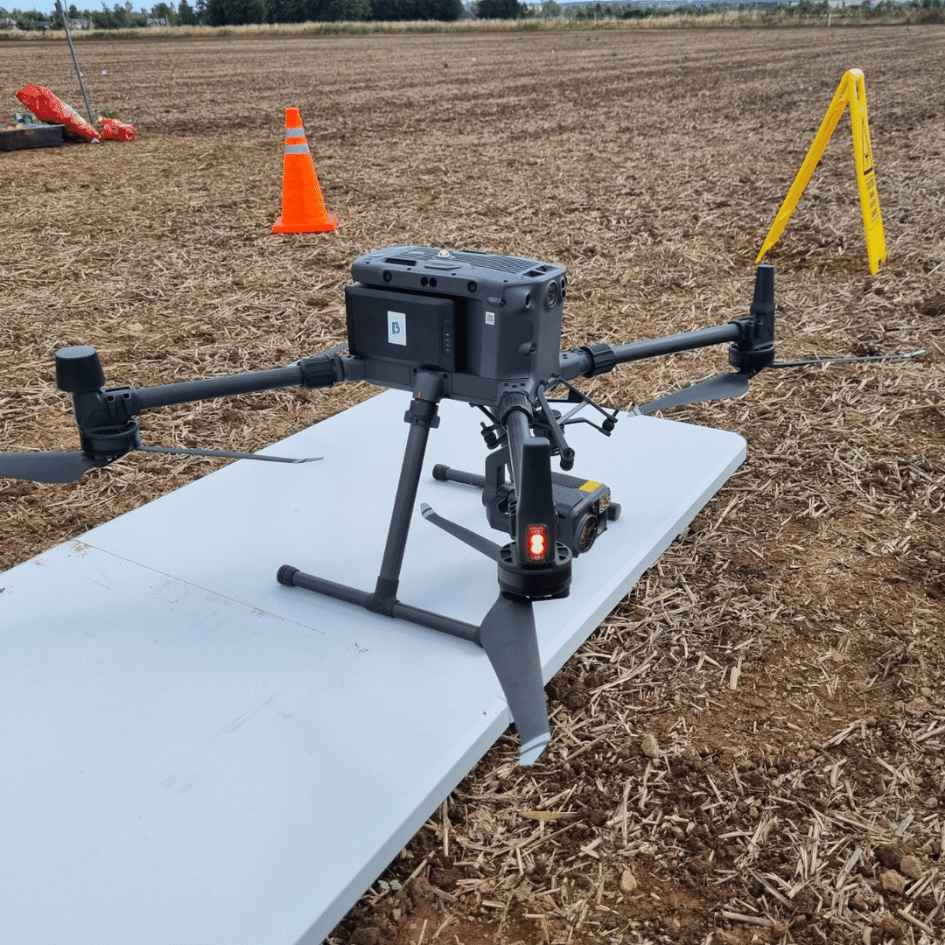
Land trusts and conservation organizations face complex decisions about which areas to prioritize for protection. Our drone surveys provide crucial data to inform these choices, mapping habitat connectivity, identifying sensitive ecological zones, and assessing conservation value across landscapes.
We work directly with planning teams to integrate aerial imagery and spatial analysis into conservation strategies. By documenting baseline conditions and monitoring changes over time, our services help measure conservation easement compliance and track restoration progress.
The high-resolution maps we create reveal subtle landscape features that ground surveys might miss, enabling more precise boundary delineation and property documentation. This comprehensive view allows conservation planners to make evidence-based decisions about land acquisition priorities and develop more effective management plans for existing protected areas.
Environmental education initiatives
While classroom learning provides theoretical knowledge, our drone footage offers immersive educational experiences that transform abstract conservation concepts into tangible visual stories. We’re partnering with schools, universities, and community organizations to integrate aerial wildlife footage into environmental curricula.
Our education packages include guided virtual tours of ecosystems, time-lapse footage showing habitat changes, and interactive workshops where students analyze drone data. We’ve developed age-appropriate materials from elementary through college level, helping young conservationists visualize ecological concepts.
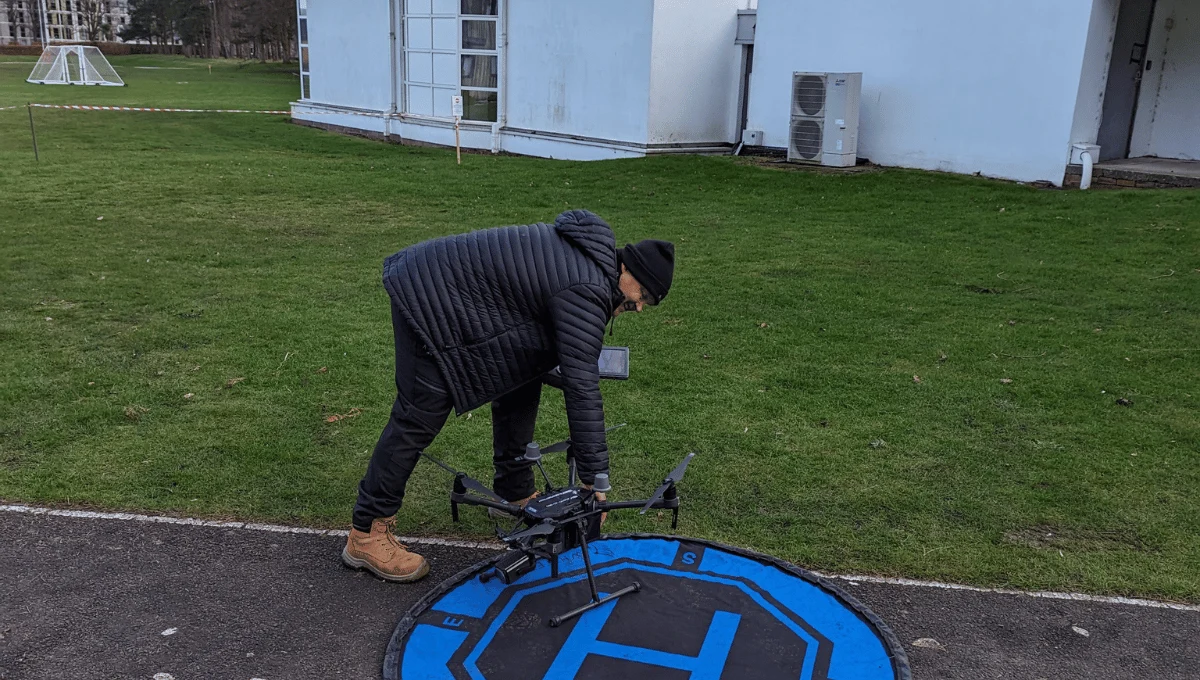
We’ll even bring our equipment to your campus for demonstrations and hands-on learning opportunities. Students can witness drone operations firsthand and understand how technology serves conservation. These experiences inspire the next generation of environmental stewards while building public support for critical conservation initiatives.
Why Choose Our Drone Wildlife and Conservation Survey Team
Because our team combines cutting-edge drone technology with extensive ecological expertise, we deliver unparalleled wildlife monitoring solutions that traditional survey methods can’t match. Our certified drone pilots specialize in low-impact surveying techniques that minimize wildlife disturbance while maximizing data collection.
We’re committed to accuracy, with our custom imaging systems capturing detailed population counts across diverse terrains and habitats. Our conservation biologists interpret this data through specialized software, providing actionable insights for your projects.
Unlike competitors, we offer complete end-to-end service—from flight planning to comprehensive reporting—saving you time and resources. We’re also fully insured and compliant with all aviation regulations in every region we operate, ensuring your surveys proceed without regulatory complications.
Contact Us For Your Drone Wildlife and Conservation Survey Needs
Ready to enhance your ecological research and conservation efforts with non-invasive aerial monitoring? Our specialized drone wildlife survey services provide detailed habitat mapping, animal population counts, migration tracking, and ecosystem health assessments with minimal disturbance to sensitive species.
Reach out today through our dedicated conservation line at +44 7368 537499 or email us at Jamie@skykam.co.uk. We’ll respond within 24 hours to arrange your free consultation.
When contacting us, please share details about your study area, target species, and specific research objectives. This information helps us select the appropriate drone technology and flight protocols to respect wildlife while collecting valuable data. We serve conservation organizations, research institutions, and environmental agencies throughout the UK with careful attention to seasonal sensitivities.
Let’s collaborate to advance your conservation goals with cutting-edge drone survey technology that provides new perspectives on wildlife and their habitats.
