

Your drone might be flying backwards due to several common issues. First, check if your sensors are properly calibrated, as incorrect calibration can cause unexpected movements. Next, guarantee your propellers are installed correctly, with each one on the right motor and spinning in the proper direction. Motor direction problems can also lead to erratic flight, so verify that all motors are rotating as they should.
The flight controller’s orientation is indispensable; make sure it’s aligned correctly both physically and in software settings.
Finally, battery or power issues can cause unpredictable behavior.
By addressing these potential problems, you’ll be on your way to resolving your drone’s backward flight.
Calibration Issues
One of the most likely culprits for your drone flying backwards is a calibration problem with its internal sensors. Your drone relies on two essential components for proper orientation and flight control: the gyroscope and accelerometer.
When these sensors aren’t calibrated correctly, your drone can exhibit unexpected behaviors, such as flying in the wrong direction.
To address this issue, you’ll need to perform a full calibration of your drone’s sensors. This process typically involves following specific steps outlined in your drone’s app or controller.
If you’re unsure how to proceed, don’t worry. You can easily find the necessary information in your drone’s manual or on the manufacturer’s website. It’s important to follow these instructions carefully to confirm accurate calibration.
Incorrect Propeller Installation
An often overlooked cause of backward-flying drones is incorrectly installed propellers.
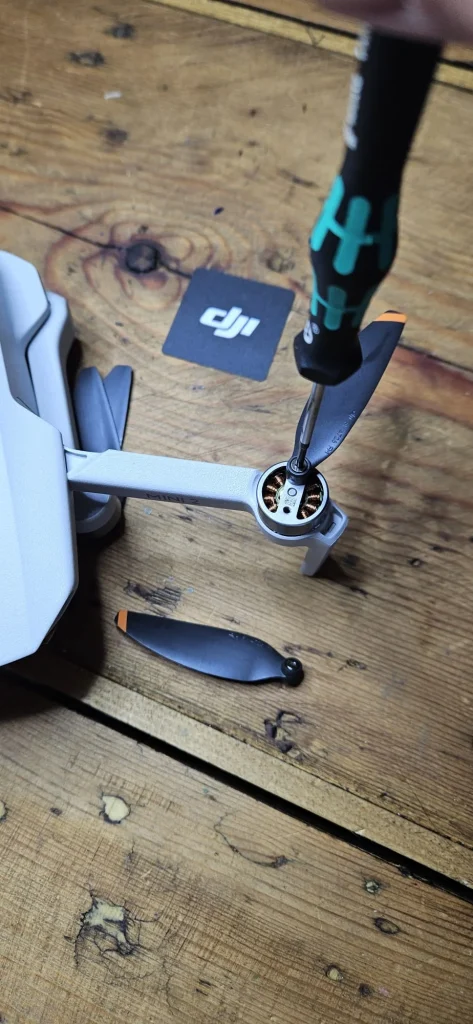
When you’re setting up your drone, it’s vital to pay close attention to how you attach the drone propellers. Each propeller is designed to spin in a specific direction, and if you install them incorrectly, your drone mightn’t behave as expected.
To guarantee proper installation, you’ll need to double-check a few key points.
First, look at the leading edge of each propeller. This should always be on the top when you’re attaching it to the motor.
Next, verify that you’re putting the right propeller on the right motor.
Drone propellers are often direction-specific, meaning they’re made to work with particular motors.
If you mix them up, your drone’s flight could be seriously affected.
When you’re examining the propellers, you might notice markings or letters that indicate which motor they should be attached to.
By taking the time to carefully install your propellers and double-checking your work, you can avoid the frustrating experience of a drone that flies backwards instead of forwards.
Motor Direction Issues
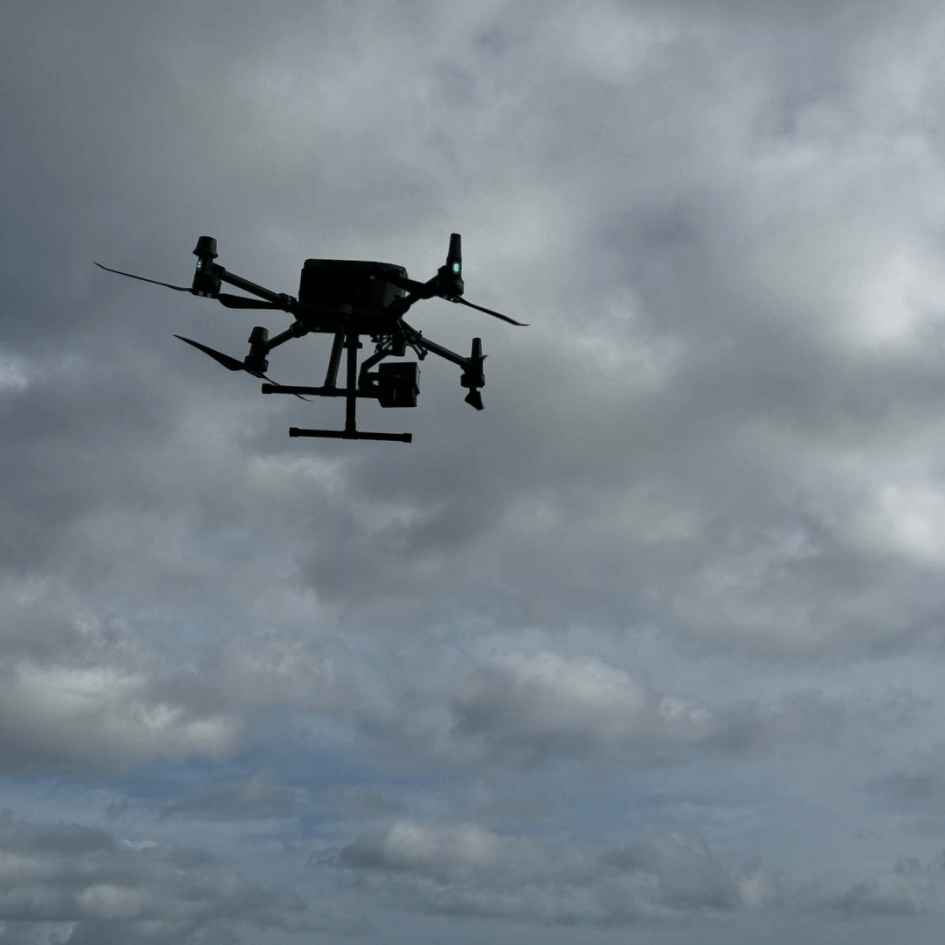
Many drone pilots overlook a critical factor in their UAV’s performance: the direction in which their motors spin.
This seemingly minor detail can have a crucial impact on your drone’s behavior, potentially causing it to fly backwards or exhibit erratic movements.
When your motors are spinning in the wrong direction, it disrupts the delicate balance of forces that keep your drone stable and responsive in the air.
If you’re experiencing issues with your drone flying backwards, it’s vital to check the motor directions. Fortunately, there’s a straightforward solution to this problem.
Most modern drones come with software that allows you to adjust motor settings. For custom drones, programs like Betaflight offer this functionality.
You’ll need to access your drone’s software and verify that each motor is spinning in the correct direction as specified by your drone’s configuration.
To fix this issue, carefully review your drone’s manual or online resources to determine the correct motor rotation for your specific model.
Then, use the software to make any necessary adjustments. By ensuring your motors are spinning in the right direction, you’ll greatly improve your drone’s stability and control, eliminating the backwards flying problem and other related issues.
Flight Controller Orientation
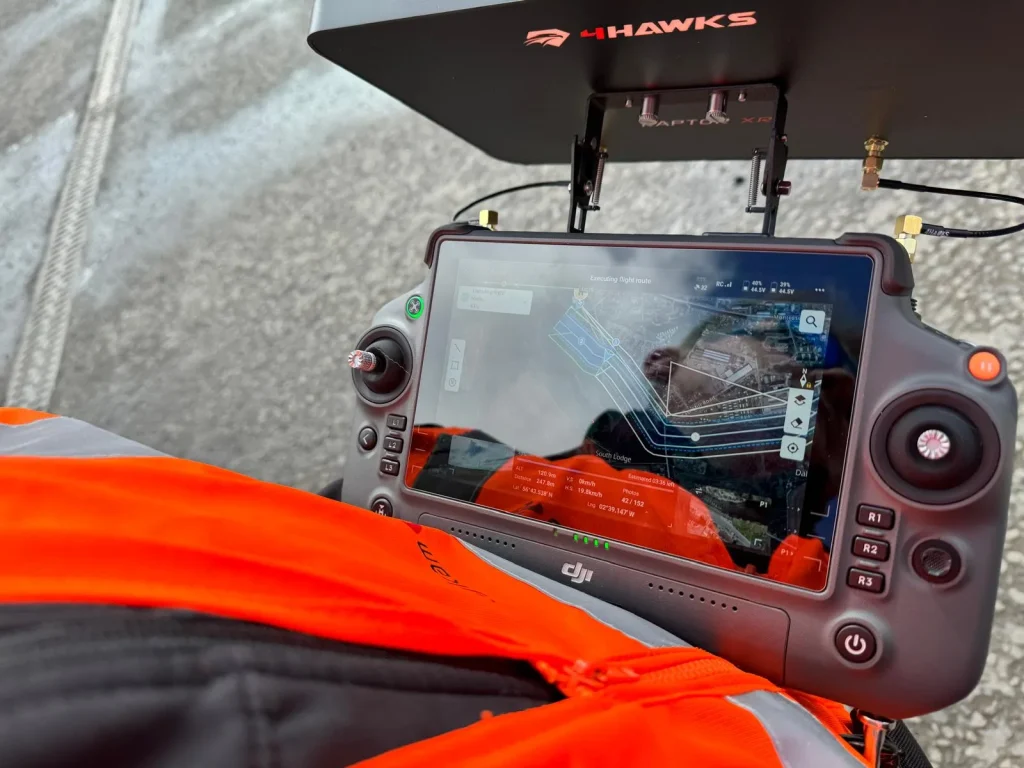
Your drone’s flight controller orientation can throw off its entire navigation system, causing it to fly backwards or in unexpected directions.
This vital component acts as the brain of your drone, interpreting your control inputs and translating them into movement.
When it’s not oriented correctly, it can misinterpret these signals, leading to erratic flight behavior.
Most drone controllers have an arrow printed on the board, indicating which direction should face the front of your drone.
If this arrow isn’t aligned properly, your drone won’t respond to your controls as expected.
It’s paramount to verify this alignment during your drone’s assembly or after any maintenance work.
If you’ve checked and the physical orientation is correct, the issue might be in your software settings. Many flight controller programs allow you to adjust the board orientation digitally. This feature is handy if you can’t physically mount the board in the ideal position.
By changing these settings, you can guarantee that your drone interprets directional inputs correctly, even if the board isn’t perfectly aligned.
Always double-check both the physical orientation and software settings to avoid flight issues related to misaligned flight controllers.
Battery or Power Issues
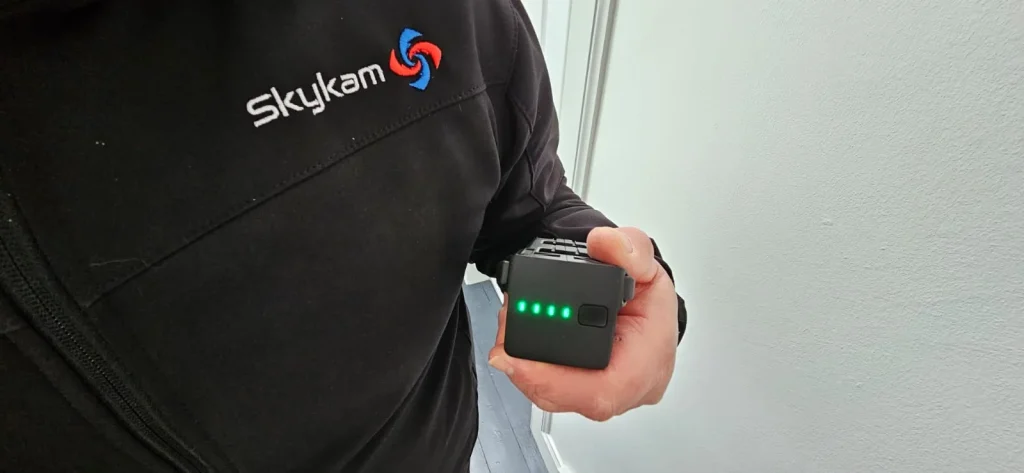
Lurking beneath the surface of your drone’s erratic behavior might be a simple yet critical issue: battery or power problems. When your drone starts flying backwards unexpectedly, it’s crucial to assess the state of its power source. Low battery levels can cause your drone to behave unpredictably, including reversing direction without your input.
To address this issue, first guarantee that your drone’s battery is fully charged before each flight. It’s not just about the charge level, though; the quality of the electrical connections matters too. Poor connections can disrupt the flow of power, leading to erratic movements.
Take a moment to inspect the battery contacts and clean them if you notice any dirt or corrosion. This simple maintenance step can often resolve power-related flight issues.
If you’ve checked the battery charge and cleaned the contacts, but your drone still flies backwards, it might be time to replace the battery. Over time, drone batteries can degrade and lose their ability to hold a charge or deliver consistent power.
By addressing these power issues, you can often restore your drone’s proper flight behavior and enjoy smooth, controlled flights once again.
Software or Firmware Problems
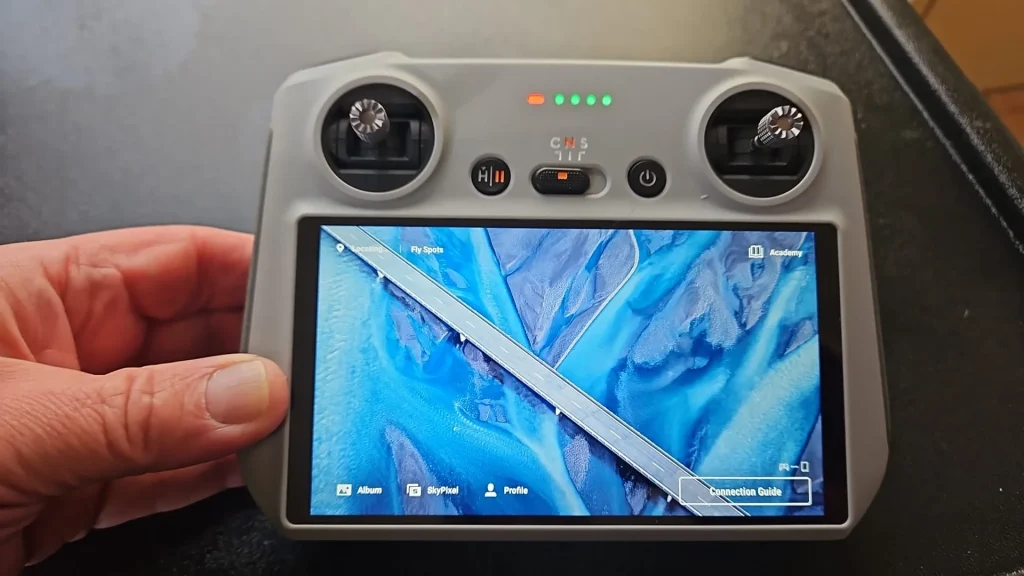
In the domain of drone flight issues, software or firmware problems can crop up unexpectedly, causing your drone to fly backwards or exhibit other unusual behaviors. These issues often stem from outdated or corrupted firmware, which can interfere with your drone’s normal operations.
To contemplate this problem, you’ll need to take a few specific steps.
First, check if there are any available firmware updates for your drone and controller. Manufacturers regularly release updates to improve performance and fix bugs.
You can usually find these updates on the manufacturer’s website or through their official app. If updates are available, download and install them carefully, following the provided instructions.
If updating the firmware doesn’t resolve the issue, you might need to ponder resetting your drone to its factory settings. This process can often clear out any lingering software glitches that might be causing the backwards flight.
However, be aware that a factory reset will erase all your custom settings, so you’ll need to reconfigure your drone afterwards.
Controller Settings
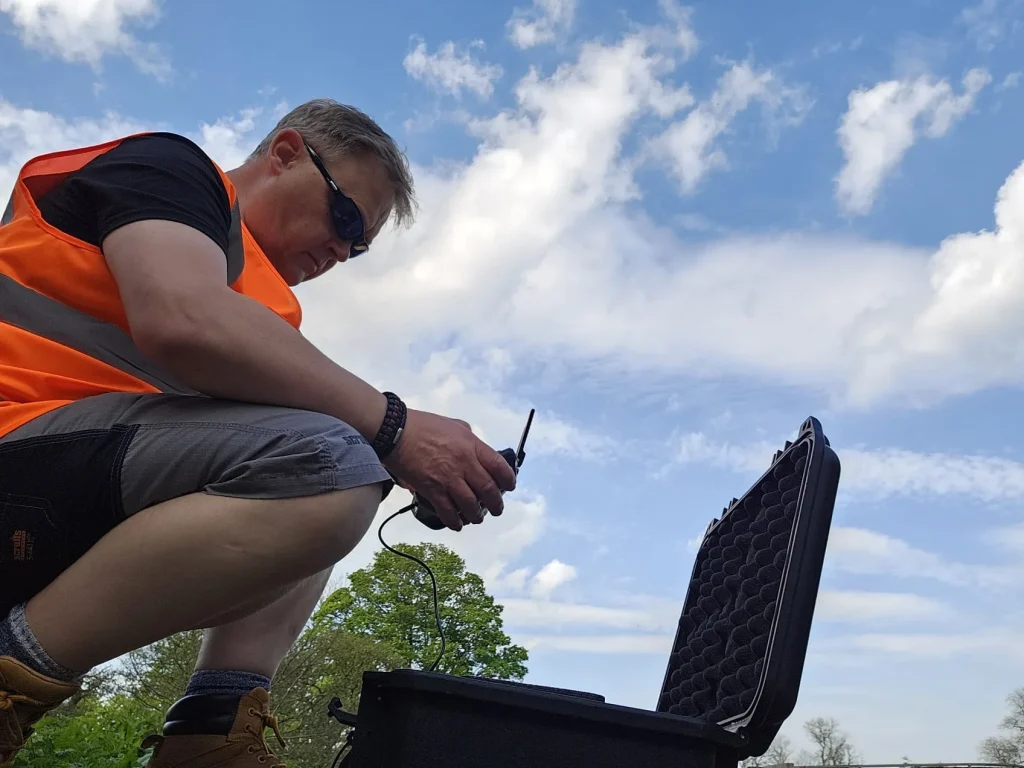
While software issues can cause backwards flight, don’t overlook the possibility that your controller settings might be the culprit. Your drone’s erratic behavior could be due to improperly configured controller settings, rather than a problem with the drone itself.
To address this, you’ll need to focus on calibrating your controller and double-checking its settings.
First, ensure that your controller is set to the correct mode. Most pilots use Mode 2, but it’s critical to verify this in your drone’s manual.
Next, pay attention to the stick tensions. If they’re too loose or too tight, it can affect your drone’s responsiveness and potentially cause unexpected movements, including flying backwards. You’ll want to adjust these tensions to a comfortable level that allows for precise control.
Calibration is another vital step in troubleshooting controller-related issues. This process helps align your controller’s inputs with the drone’s responses, guaranteeing accurate communication between the two.
Many drones have built-in calibration procedures that you can follow through their companion apps or onboard menus.
Conclusion
If your drone’s flying backwards, you’ve got several potential causes to investigate. Check your calibration, propeller installation, motor direction, flight controller orientation, battery, and software. Don’t forget to review your controller settings.
By methodically examining each of these areas, you’ll likely identify and resolve the issue. Remember, proper maintenance and setup are indispensable for exemplary drone performance.
If you’re still having trouble after addressing these factors, consider seeking help from a professional or the manufacturer’s support team.

