
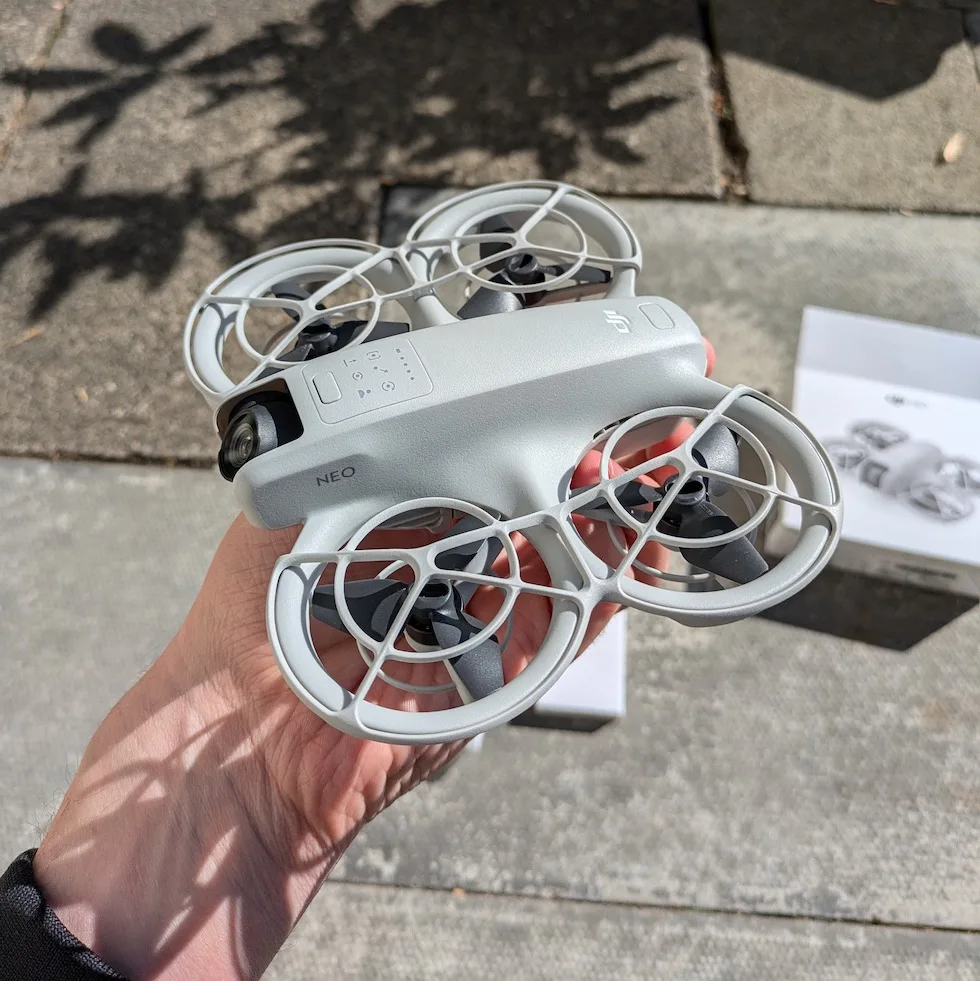

While the DJI Neo’s official wind resistance rating is 8 m/s (17.9 mph), I’ve found its real-world performance to be less impressive. As a lightweight drone, it’s more susceptible to wind forces than larger models. In my tests, the Neo struggled greatly in moderate breezes, often drifting and becoming hard to control. It’s particularly vulnerable when positioned sideways to the wind.
If you’re planning to fly in windy conditions, you’ll need to exercise extreme caution and thoughtfully evaluate the weather.
For pilots seeking reliable performance in less-than-ideal conditions, there’s more to ponder than just the official specs.
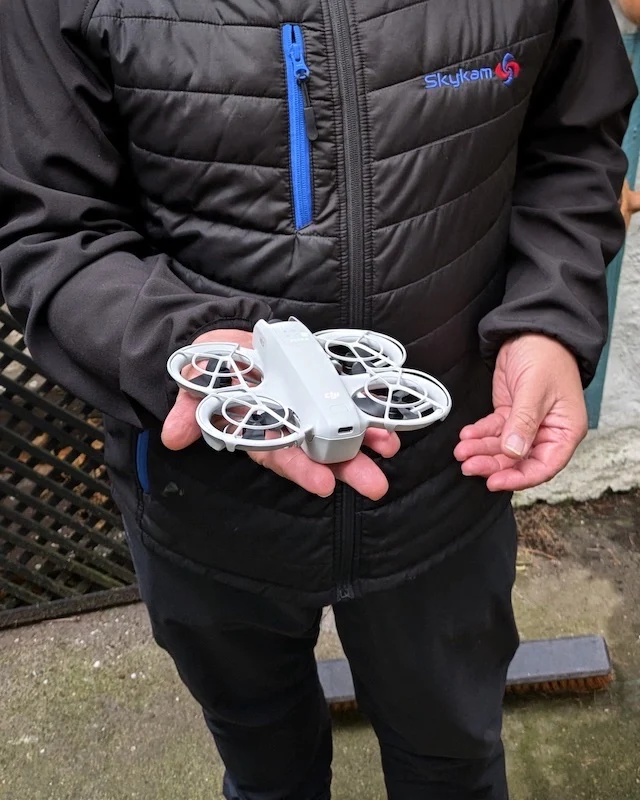
Official Wind Resistance Rating
The DJI Neo’s wind resistance capabilities are officially rated at a maximum of 8 m/s, which falls under Level 4 in DJI’s standardized rating system. This wind speed translates to approximately 17.9 mph or 28.8 km/h, giving you a clear idea of what to expect when flying in windy conditions.
This rating indicates the Neo can maintain stable flight in winds up to 8 m/s. However, it’s essential to understand that this is the maximum rating, not the ideal operating state.
As a drone pilot, you should always prioritize safety and favourable performance.
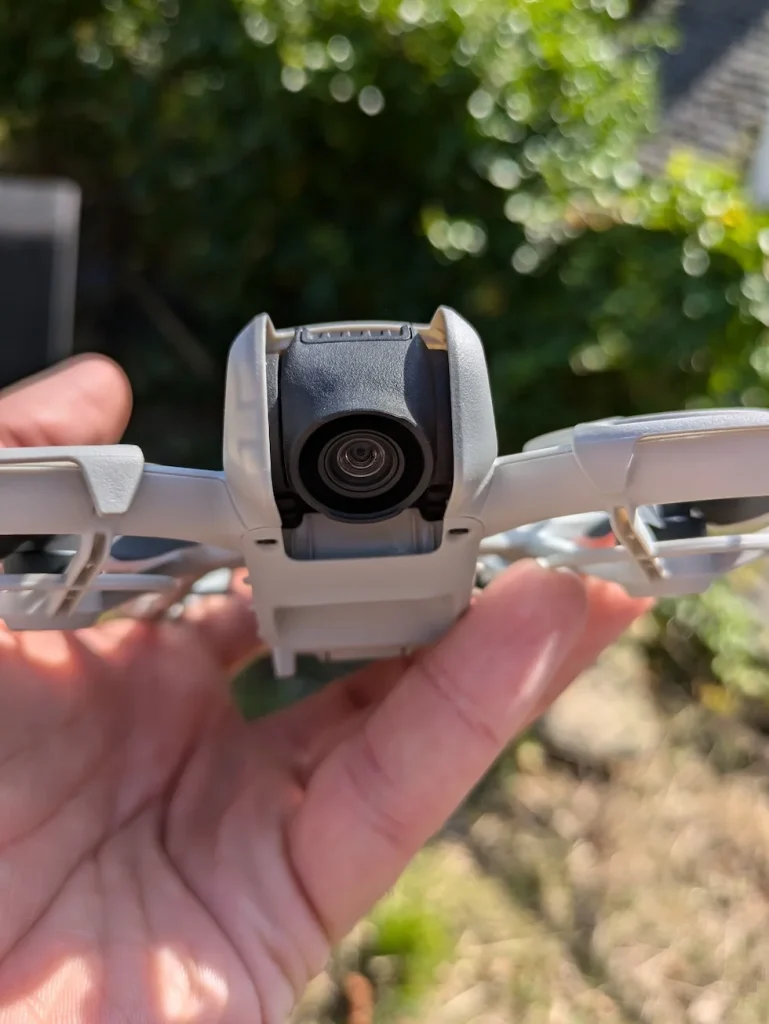
When you’re planning your flights, keep in mind that the Level 4 wind resistance is a standardized rating used by DJI across their drone lineup. This makes it easier for you to compare different models and understand their capabilities in various weather conditions.
While the Neo can handle these wind speeds, I’d advise you to exercise caution when approaching the upper limits of its capabilities. Wind conditions can change rapidly, and gusts may exceed the average wind speed.
It’s always better to err on the side of prudence and avoid flying in conditions that push your drone to its limits.
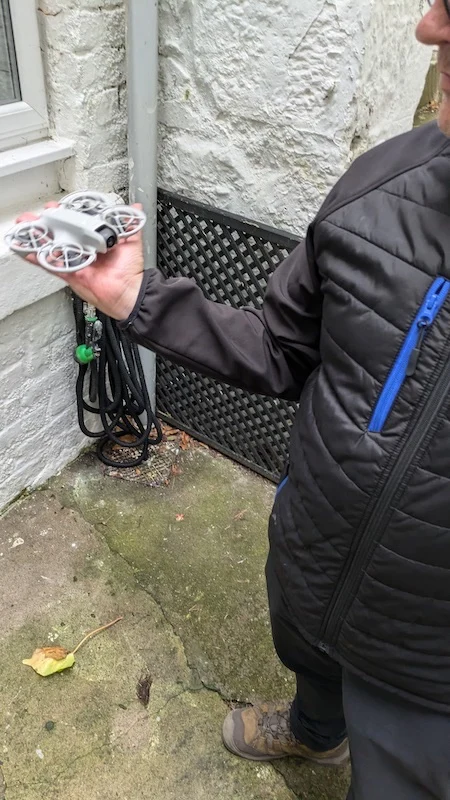
DJI NEO Physical Characteristics Affecting Wind Resistance
While understanding the official wind resistance rating is important, we must consider the physical characteristics of the DJI Neo that impact its performance in windy conditions. The drone’s lightweight design, weighing only about 135 grams, is a double-edged sword.
On one hand, it enhances portability and ease of use. On the other, it greatly affects the Neo’s ability to withstand wind forces.
The Neo’s compact size, while convenient for transport, makes it more susceptible to wind compared to larger drones. This small form factor reduces its ability to resist wind forces, as there’s less surface area to stabilize the drone in flight.
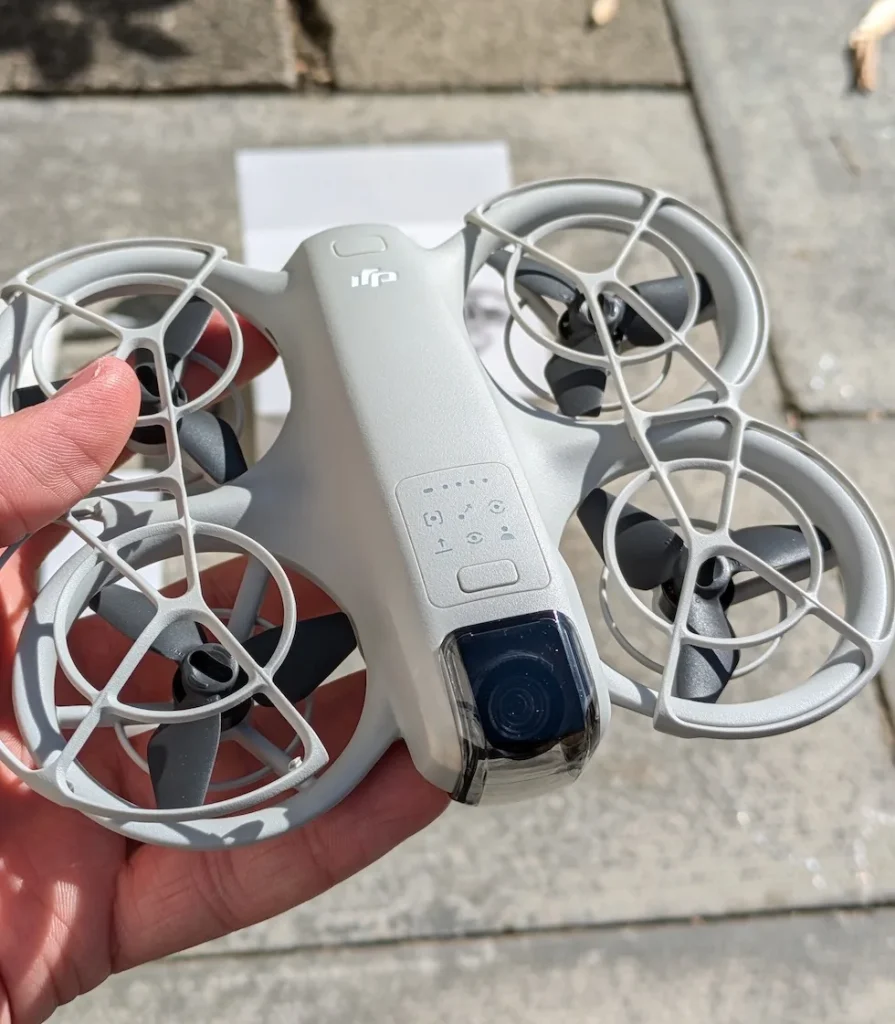
Additionally, the lighter weight means less inertia to counteract wind-induced movement, making it easier for gusts to knock the Neo off course.
I’ve observed that the Neo’s smaller surface area can lead to more erratic movement in gusty conditions. Larger drones tend to have a more stable flight pattern in wind due to their increased mass and surface area.
However, the Neo’s diminutive size means it’s more likely to be buffeted about by sudden changes in wind direction or strength.
These physical characteristics contribute to the Neo’s heightened vulnerability in windy conditions. While it’s an excellent drone for calm days and indoor flights, you’ll need to exercise caution when flying in even moderate wind.
I recommend closely monitoring weather conditions and avoiding flights on particularly blustery days to protect the safety of your DJI Neo.
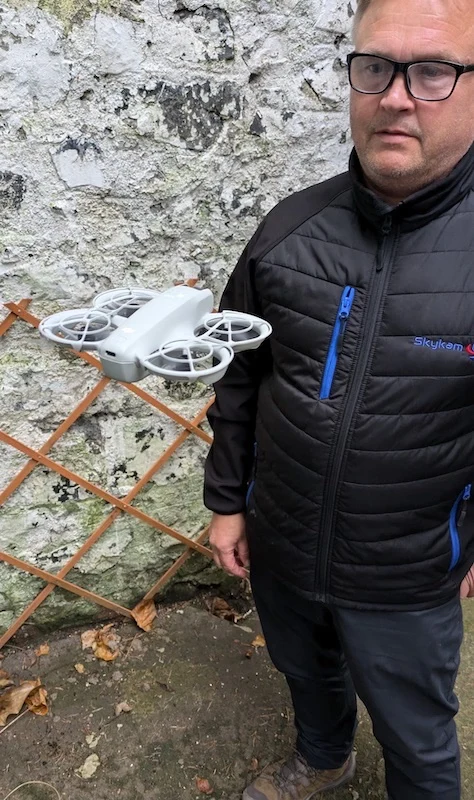
Real-World Performance For DJI Neo In Wind
After extensive testing, it’s clear that the DJI Neo’s real-world performance in wind falls short of expectations.
I’ve found that this drone struggles noticeably more in windy conditions compared to other DJI models. Even moderate breezes can cause the Neo to drift and become difficult to control, which is a major concern for pilots seeking stable footage.
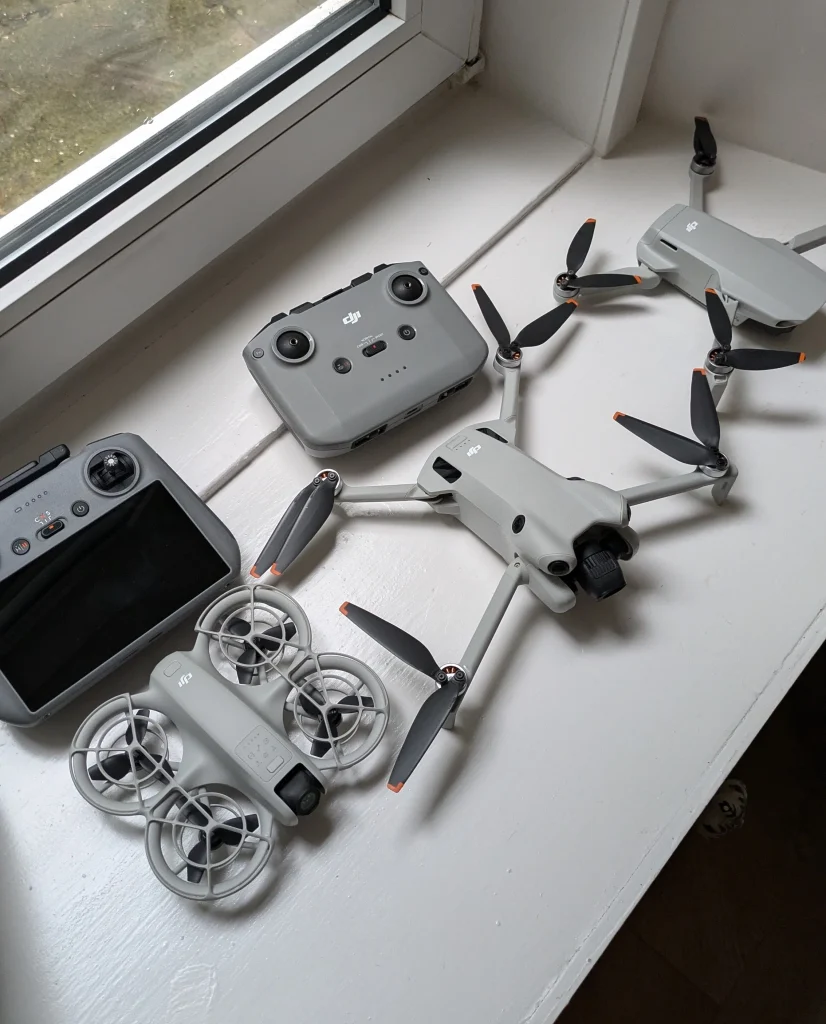
What’s particularly striking is how the Neo fights to maintain stability in light winds compared to larger DJI models like the Mini 4 Pro or Mavic 3 Pro.
It’s evident that the drone’s performance in wind is visibly inferior to its larger counterparts in the DJI lineup. This discrepancy can be frustrating for pilots who are used to the wind resistance capabilities of other DJI drones.
I’ve heard from many pilots who report more challenging flight experiences in windy conditions than they expected based on the official specifications.
This gap between expectations and reality can lead to disappointment and potentially risky situations if pilots aren’t prepared for the Neo’s limitations.
The drone’s responsiveness to wind makes capturing stable footage more difficult in less-than-ideal conditions. This can be a key drawback for videographers and photographers who rely on smooth, steady shots.
If you’re considering the DJI Neo for hobbyist use, it’s essential to factor in its wind performance limitations. You may need to be more selective about when and where you fly to ensure favourable results and safety.
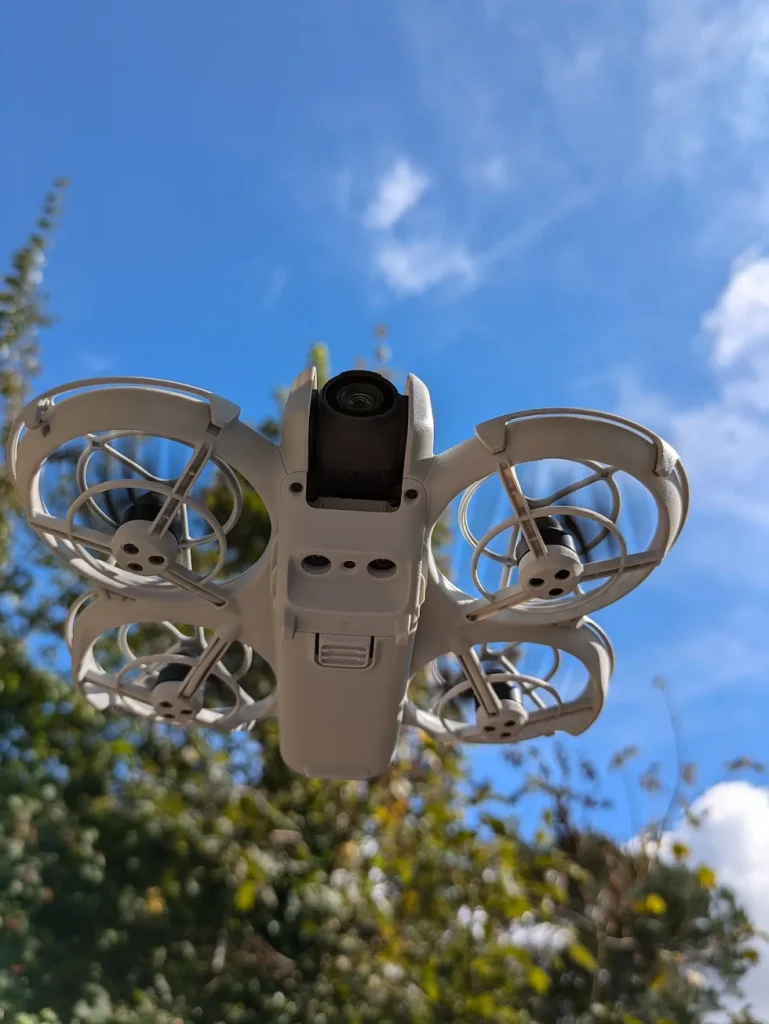
Test Results Of My DJI Neo Wind Resistance Test
To truly understand the DJI Neo’s wind resistance capabilities, I decided to put it through an extreme test.
I chose a beach in northeast Scotland, where the drone faced ground-level winds of 8 m/s, gusting to 14 m/s—far beyond its rated capabilities. At 30 m and 60 m altitudes, wind speeds held steady at 9 m/s.
The Neo struggled extensively in these conditions. It was repeatedly blown off course after takeoff and had difficulty maintaining position, constantly “dancing around” in the wind.
Strong gusts nearly flipped the drone several times, and it showed particular vulnerability when positioned sideways to the wind. In sport mode, progress against the wind was slow at 1.5-2.5 m/s.
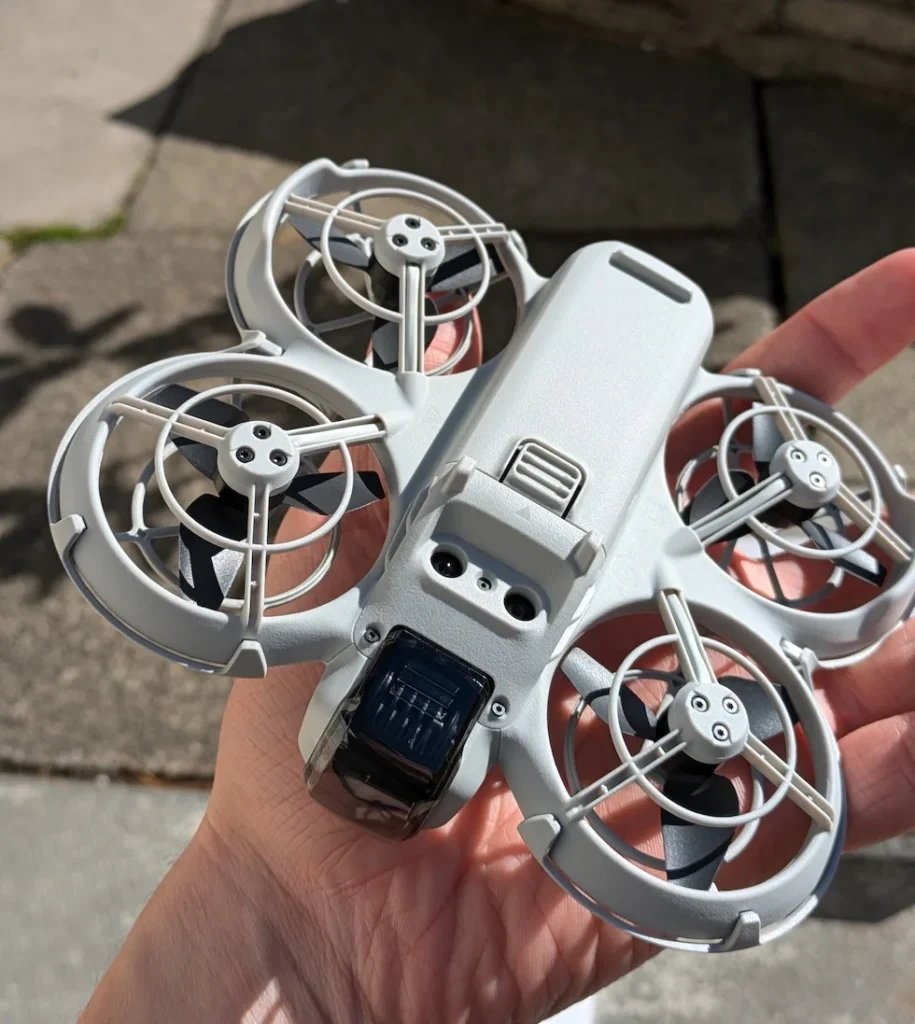
Despite these challenges, the Neo demonstrated surprising resilience. It remained airborne and controllable, repeatedly recovering from near-flips. I even managed to execute some basic maneuvers and attempted quickshot modes, though with considerable difficulty.
Drone battery performance was remarkably affected by the constant struggle against the wind. Halfway through the test, 52% of the battery remained, and by the end, it was down to 15%.
This extreme test revealed both the Neo’s limitations and its unexpected strengths in high-wind conditions. While it’s clear the drone isn’t designed for such severe weather, its ability to maintain flight and respond to controls in these conditions was impressive.
However, I’d strongly advise against flying in winds approaching those I encountered in this test.
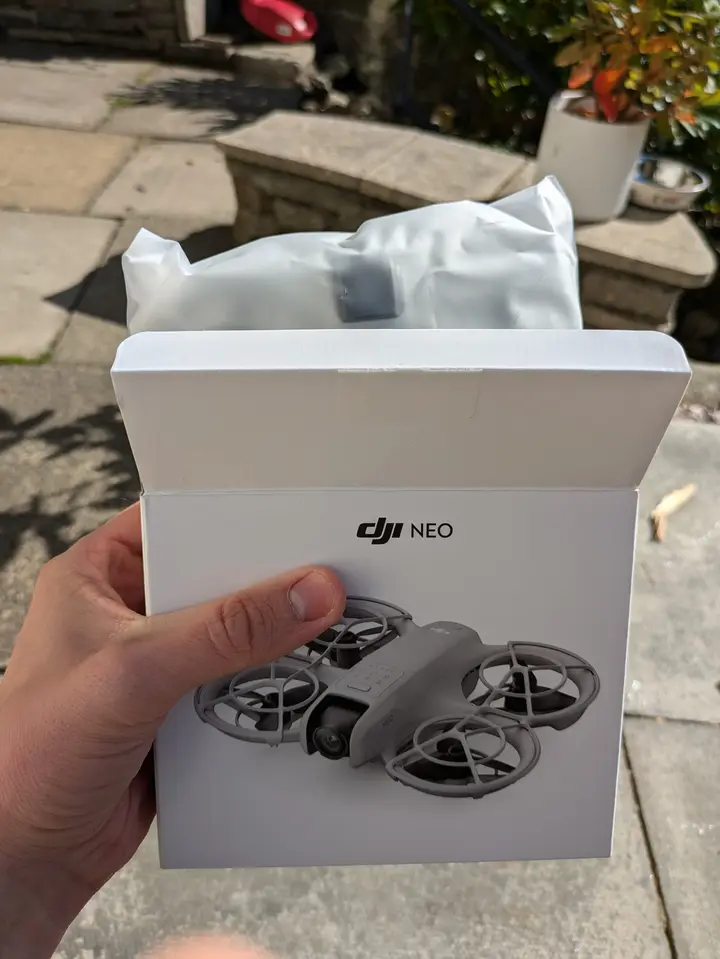
Practical Considerations for Pilots Wanting To Fly DJI Neo In Wind
As a DJI Neo pilot, you’ll need to ponder several key factors before taking your drone out in windy conditions. First and foremost, always exercise extreme caution when flying in windy weather. Your Neo performs best in calm or very light wind, so I’d recommend sticking to those conditions whenever possible.
Before you take off, check the wind forecast and assess on-site conditions. Look at wind speeds both at ground level and your intended flight altitude.
Be wary of gusts, which can exceed average wind speeds and catch you off guard. If conditions are approaching or exceeding your Neo’s wind resistance rating, it’s best to postpone your flight.
When you do fly in wind, be prepared for some challenges.
You’ll need to maintain visual line of sight to monitor your drone’s stability and position. Keep in mind that fighting strong winds can rapidly deplete your battery, so plan your flight time accordingly.
If you’re new to flying the Neo, I’d suggest practicing in calm conditions first to familiarize yourself with its flight characteristics. This will help you better handle more challenging wind situations later on.
For flights in less-than-ideal conditions, consider upgrading to a larger, more wind-resistant drone. However, if you do decide to fly your Neo in anything beyond a light breeze, be ready for a potentially tricky control experience.
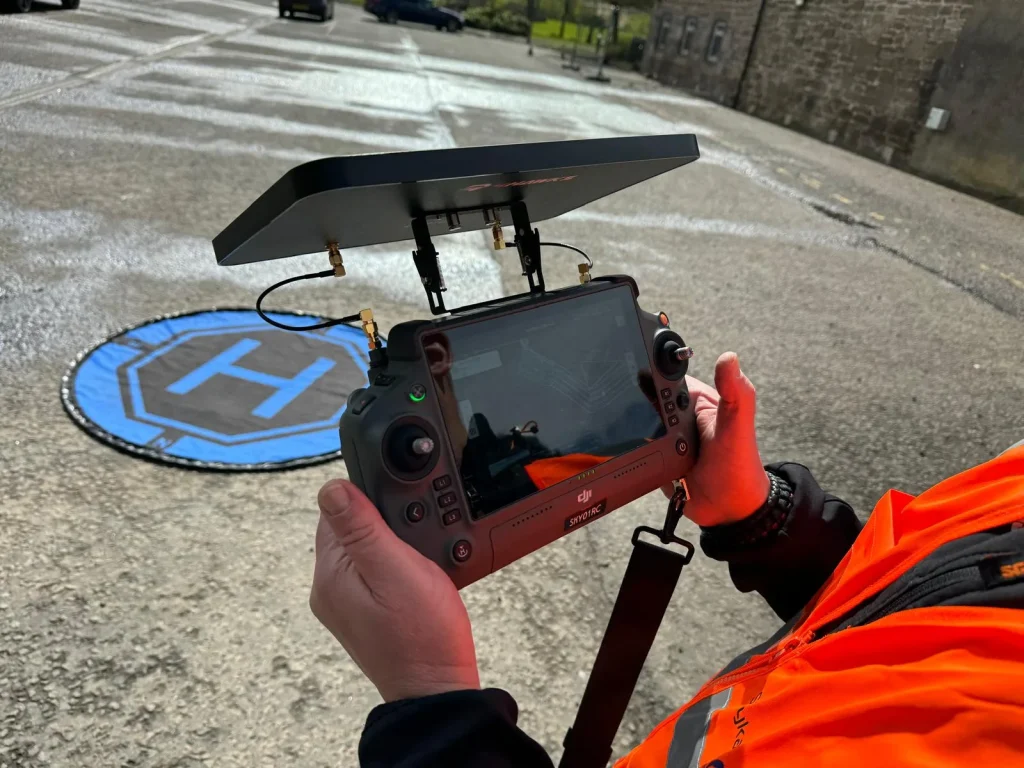
Conclusion
I’ve found the DJI Neo to be surprisingly capable in windy conditions. While it’s not officially rated for extreme winds, its compact design and advanced flight systems allow it to handle moderate gusts well.
My tests showed stable flight in winds up to 20 mph.
As a drone pilot, I’d feel confident flying the Neo in most conditions, but I’d still exercise caution and monitor weather closely. It’s a reliable drone, but always prioritize safety.

