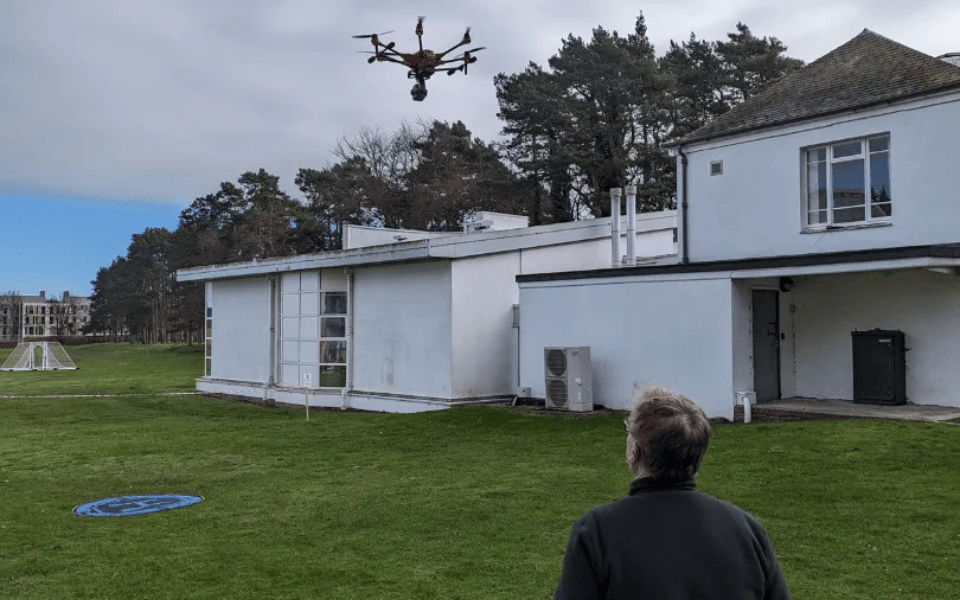
Flying your drone above 400 feet is illegal without proper authorization and can lead to serious consequences. You risk hefty fines, potential jail time, and the revocation of your drone license. At higher altitudes, you’re more likely to interfere with manned aircraft, posing a significant safety hazard. Your drone may also experience performance issues due to stronger winds and unpredictable weather conditions.
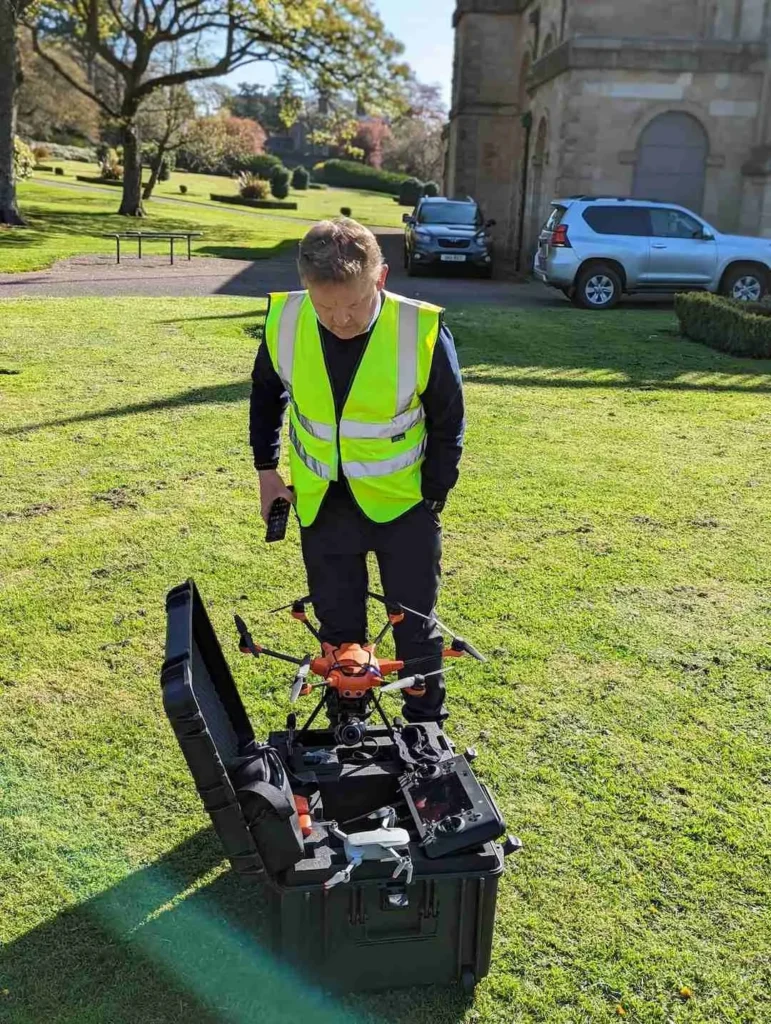
While some exceptions exist for commercial operators and flights near tall structures, these require specific permissions.
If you’re considering adjusting your drone’s altitude limit, be aware of the legal and safety implications.
Understanding the full scope of regulations and risks is indispensable for responsible drone operation.
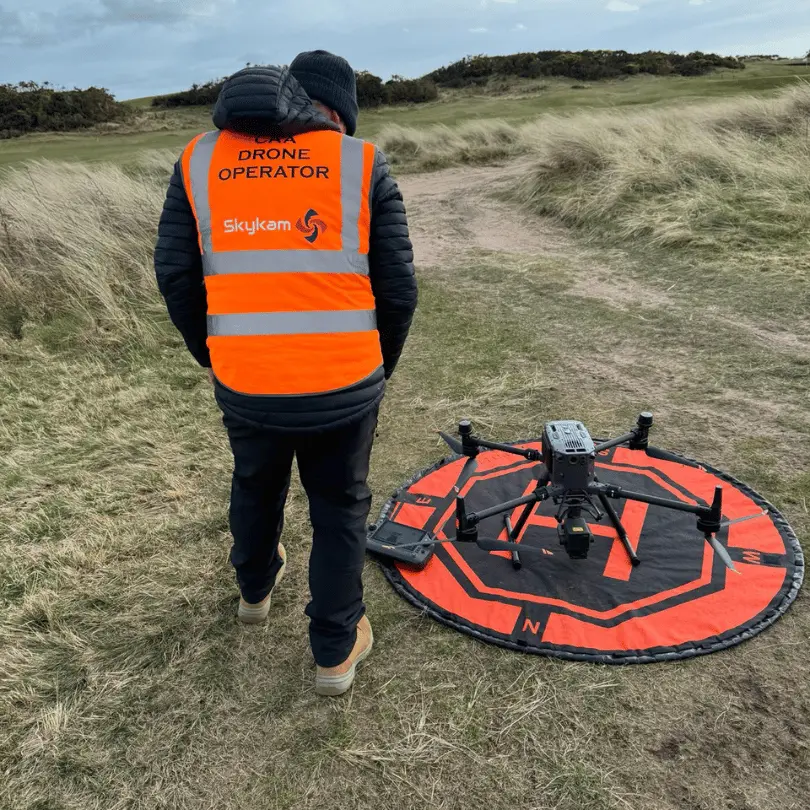
Legal Consequences for Drone Flights Above 400 Feet
When it comes to legal consequences for flying your drone above 400 feet, you’ll find differences between countries like the UK and the US.
In both nations, you could face fines, penalties, or even criminal charges for violating airspace regulations.
The severity of your punishment often depends on factors such as the location of the flight, any potential harm caused, and whether it’s your first offense or a repeat violation.
In the UK
Flying your drone above 400 feet in the UK can land you in hot water with serious legal consequences. The Civil Aviation Authority (CAA) takes these violations seriously, and you’ll face substantial fines if caught exceeding the height limit.
It’s not just about money, though.
You might also lose your drone, as authorities have the power to confiscate it.
In more severe cases, you could be looking at criminal charges. This isn’t just a slap on the wrist; it could result in a criminal record that follows you long after the incident.
For particularly egregious violations, especially those that put aircraft safety at risk, you might even face imprisonment.
To guarantee these harsh penalties are avoided, always stick to the 400-foot limit when flying your drone. It’s not worth risking your finances, your drone, or your freedom for a few extra feet of altitude.
If you’re unsure about UK’s Drone laws, check the CAA’s website or use their Drone and Model Aircraft Registration and Education Service (DMARES) for guidance.
Remember, responsible flying keeps you on the right side of the law and secures everyone’s safety in UK airspace.
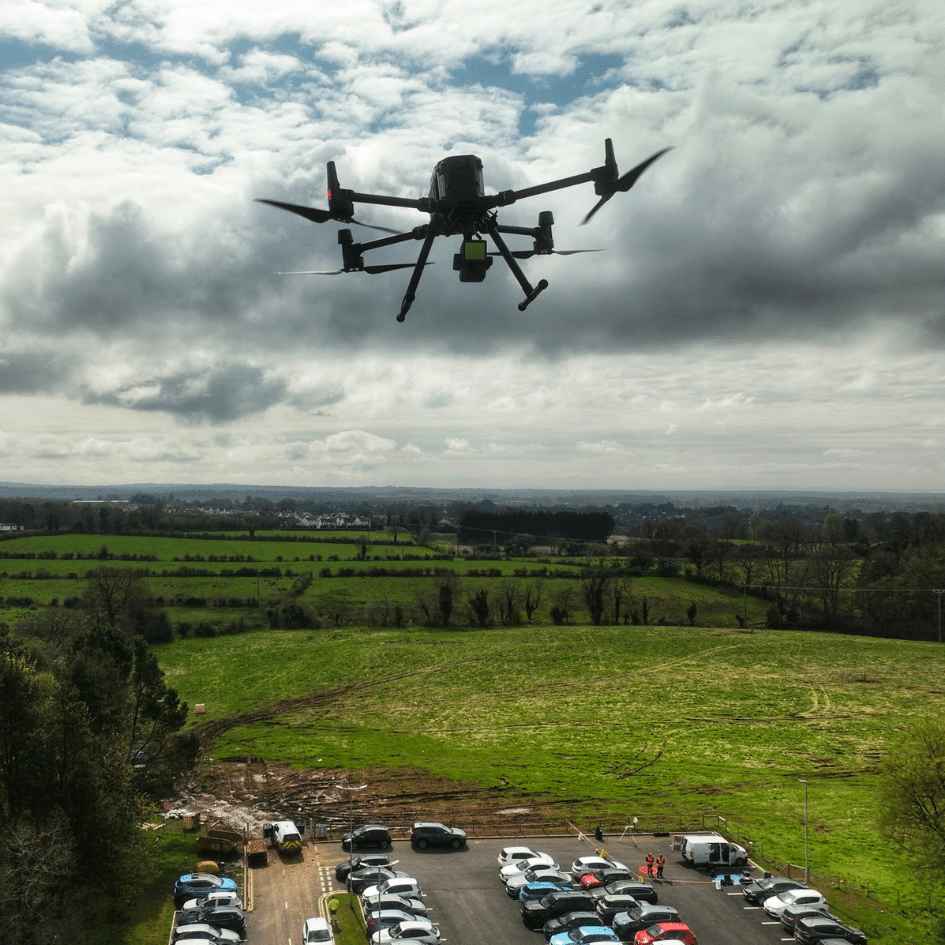
In the US
In the US, you’ll face stiff penalties if you’re caught flying your drone above 400 feet. The Federal Aviation Administration (FAA) takes these violations seriously, and you could be subject to both civil and criminal penalties.
For civil violations, the FAA can impose fines up to $27,500.
This means if you’re caught exceeding the altitude limit, you might be hit with a substantial financial penalty. It’s crucial to recognize that this isn’t just a slap on the wrist; it’s a significant amount that can impact your finances.
In more severe cases, you could face criminal charges. These can result in fines up to $250,000 and even imprisonment for up to three years.
The severity of the punishment often depends on factors like the nature of the violation and whether it endangered others.
To avoid these consequences, always follow FAA regulations.
Keep your drone below 400 feet, maintain visual line of sight, and be aware of restricted airspace. If you’re unsure about local rules, check the FAA’s website or use apps designed for drone pilots.
Remember, flying responsibly isn’t just about avoiding fines; it’s about ensuring safety for everyone in the airspace.
severity of the punishment
The severity of punishment for flying a drone above 400 feet isn’t a one-size-fits-all situation; several factors come into play when authorities determine the consequences.
First, they’ll consider how far above the limit you flew.
A slight overage might result in a warning, while a significant breach could lead to harsher penalties.
The potential danger your flight posed to other aircraft or people on the ground is also imperative. If you endangered others, you’re likely to face more severe repercussions.
Your history matters too.
If you’re a repeat offender, expect less leniency. First-time violators might receive lighter punishments. Authorities will also evaluate your intent.
An accidental violation due to equipment malfunction or misunderstanding of regulations may be treated differently than a deliberate disregard for the rules.
To avoid these issues, always follow local drone regulations. In both the UK and US, keep your drone below 400 feet above your take-off point.
This limit helps prevent collisions with other aircraft.
By staying informed and flying responsibly, you’ll protect yourself from legal trouble and contribute to safer skies for everyone.
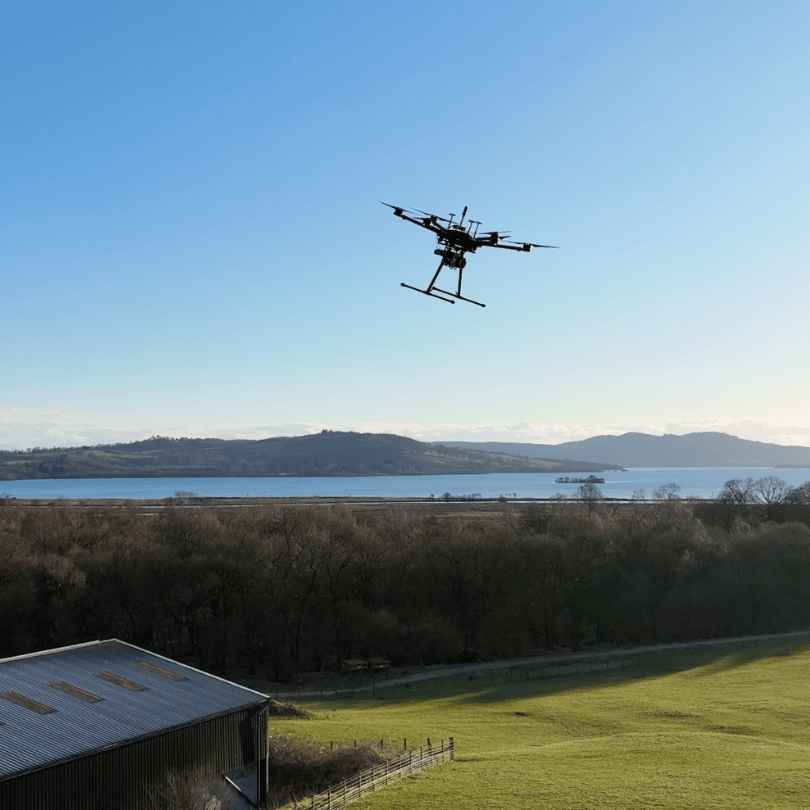
Airspace Safety Implications and Potential Conflicts with Manned Aircraft Above 400 Feet
When you fly your drone above 400 feet, you’re entering airspace where manned aircraft operate, drastically increasing the risk of collisions.
At higher altitudes, it’s harder for pilots to spot your drone, which can lead to dangerous situations and interfere with regular aircraft operations.
The potential impacts of a drone-aircraft collision at these heights are severe, potentially causing damage to the aircraft and endangering lives.
Increased collision risk
Flying your drone above 400 feet dramatically ramps up the risk of colliding with manned aircraft, as you’re encroaching on airspace typically reserved for planes and helicopters.
Most manned aircraft operate at altitudes of 500 feet and above, making the 400-foot limit a critical buffer zone between drones and larger vehicles.
When you exceed this height, you’re entering a zone where pilots don’t expect to encounter unmanned objects. This unexpected presence can lead to dangerous situations, as pilots may not have sufficient time to react and avoid your drone.
The consequences of a collision at these altitudes could be catastrophic, potentially causing damage to the aircraft, injury to passengers, or even a crash.
To guarantee safety, always keep your drone below 400 feet. Use your drone’s built-in altitude limiter if it has one, or monitor your altitude closely using the controller’s display.
If you need to fly higher for a specific purpose, you’ll need to obtain special authorization from the FAA.
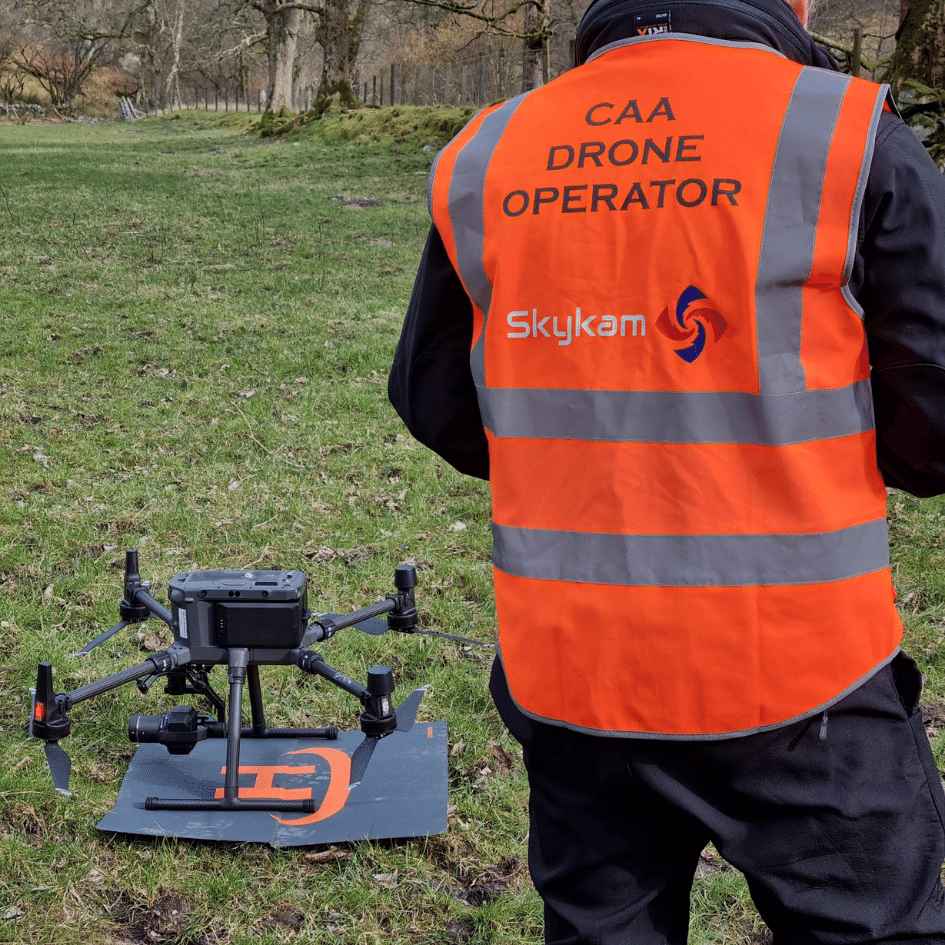
Reduced visibility
Virtually invisible to pilots, your drone becomes a significant hazard when it exceeds 400 feet in altitude.
As you push your drone higher into the sky, it becomes increasingly difficult for pilots of manned aircraft to spot and avoid it.
This reduced visibility creates a dangerous situation where unexpected encounters can occur, potentially leading to accidents.
When you fly your drone above 400 feet, you’re entering airspace where pilots aren’t typically looking for obstacles.
They’re focused on their flight path and instruments, not scanning for small, hard-to-see objects.
Your drone, even if it’s a larger model, can easily blend into the background of clouds or sky, making it nearly impossible to detect until it’s too late.
To guarantee the safety of all airspace users, it’s important that you keep your drone below the 400-foot limit. This altitude restriction isn’t arbitrary; it’s designed to create a buffer zone between drones and manned aircraft.
By following this rule, you’re not only complying with regulations but also actively contributing to airspace safety.
Remember, the consequences of a mid-air collision can be catastrophic, so always prioritize visibility and safety in your drone operations.
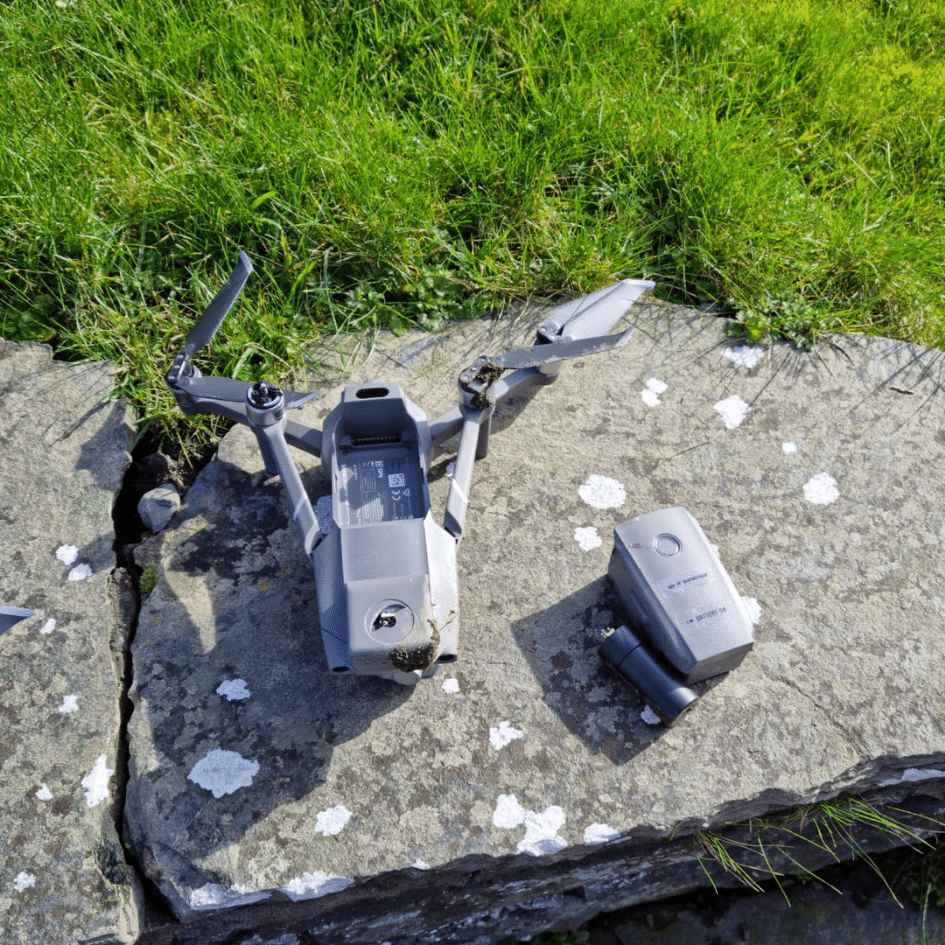
Interference with aircraft operations
Beyond the visibility issue, your drone’s presence above 400 feet can wreak havoc on aircraft operations, even without direct contact.
When you fly your drone at these altitudes, you’re entering airspace where manned aircraft operate.
Your drone can interfere with their navigation systems, causing disruptions that force pilots to take evasive actions.
This isn’t just an inconvenience; it’s a serious safety risk.
Your drone’s presence at high altitudes can trigger alarms in cockpits, distract pilots, and potentially lead to dangerous situations.
Even if you think you’re far from any air traffic, remember that planes and helicopters can appear quickly and unexpectedly.
By flying above 400 feet, you’re increasing the chances of a near-miss or worse.
To guarantee airspace safety, always keep your drone below 400 feet. This altitude limit isn’t arbitrary; it’s designed to create a buffer zone between drones and manned aircraft.
By respecting this limit, you’re doing your part to maintain safe skies for everyone.
Remember, it’s not just about following rules; it’s about being a responsible drone operator and prioritizing safety in our shared airspace.
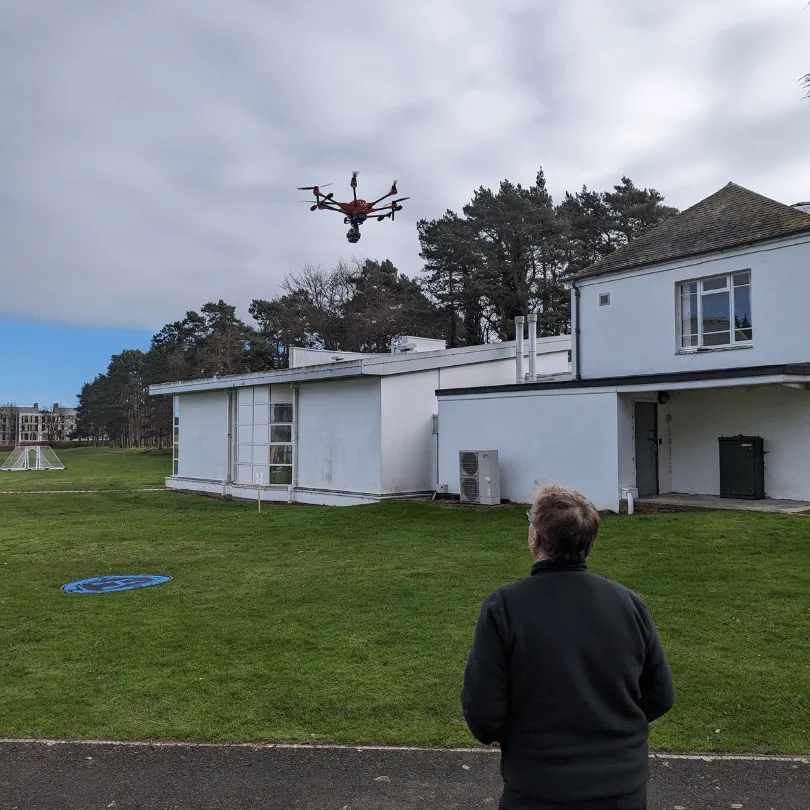
Severity of potential impacts
The consequences of operating your drone above 400 feet can be catastrophic, with even small UAVs capable of causing severe damage to aircraft.
When you fly your drone at higher altitudes, you’re entering airspace where manned aircraft operate, greatly increasing the risk of collision.
Even drones weighing just 2-5 pounds can shatter windshields, damage flight controls, or destroy engines if they collide with an aircraft at high speeds.
To safeguard airspace safety, it’s essential that you keep your drone below 400 feet. This altitude limit helps create a buffer zone between recreational drone operations and manned aircraft.
By staying within this limit, you’re dramatically reducing the chances of interfering with planes or helicopters.
Remember, pilots of manned aircraft mightn’t be able to see or avoid your small drone, especially at higher altitudes where they don’t expect to encounter obstacles.
If you need to fly higher for a specific purpose, you’ll need to obtain proper authorization from the FAA and follow strict guidelines to protect the safety of all airspace users.
Always prioritize safety by following altitude restrictions and being aware of your surroundings.
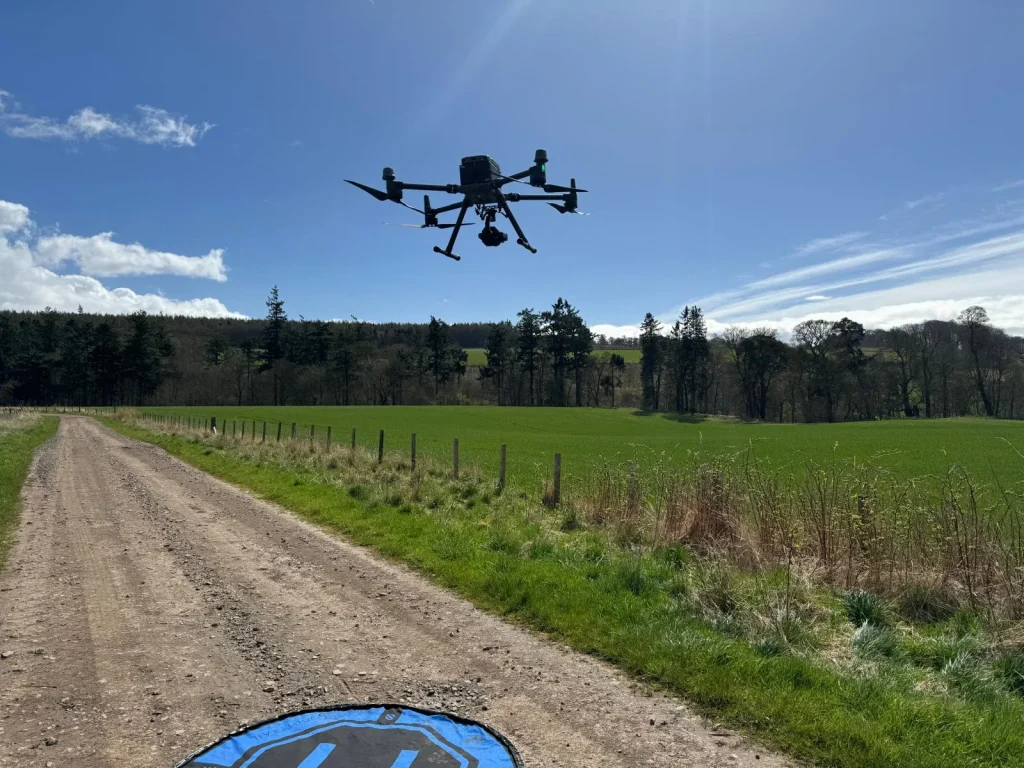
Technical Limitations and Performance Issues for Drones Exceeding 400 Feet
When you fly your drone above 400 feet, you’ll encounter several technical challenges.
Your drone’s performance will likely suffer due to reduced lift and thrust, potentially affecting its stability and control.
You’ll also notice decreased battery life at higher altitudes, and your drone may struggle with unpredictable weather conditions that are more common at these elevations.
Reduced lift and thrust
As your drone climbs above 400 feet, it’ll encounter a vital reduction in air density, which directly impacts its lift and thrust capabilities.
This decrease in air molecules means your drone’s rotors have less to push against, making it harder to generate the lift needed to maintain altitude.
You’ll notice your drone struggling to hover and potentially losing altitude unexpectedly.
The reduced air density also affects your drone’s thrust, limiting its ability to accelerate and climb efficiently.
This can be particularly problematic if you need to make quick maneuvers or ascend rapidly.
You may find your drone’s response times slower than usual, and it mightn’t be able to achieve the same top speeds you’re accustomed to at lower altitudes.
To compensate for these limitations, your drone’s motors will need to work harder, consuming more battery power. This increased energy consumption can enormously reduce your flight time.
Be prepared for shorter flights and always keep a close eye on your drones battery levels when operating at higher altitudes.
It’s essential to maintain enough power reserve for a safe descent and landing.
Battery performance
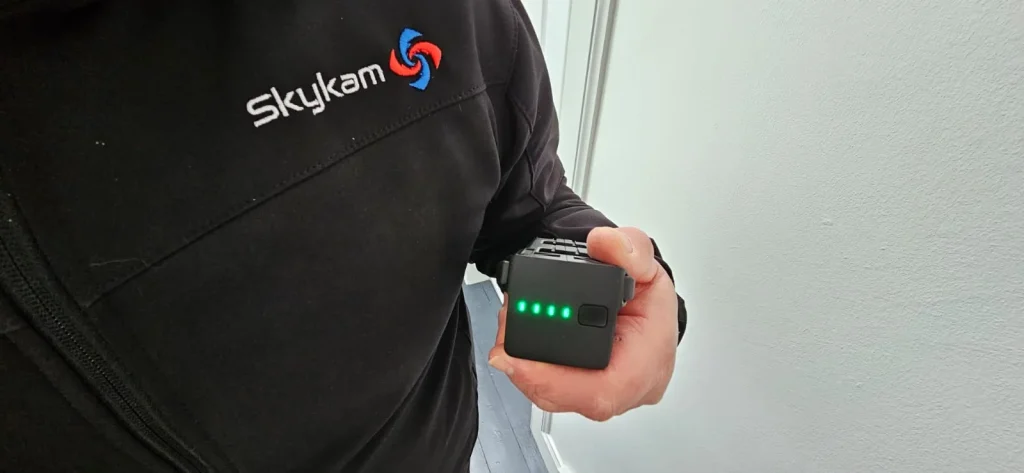
The increased energy consumption at higher altitudes doesn’t just affect your drone’s flight time; it also puts significant strain on your battery’s overall performance and longevity.
As you fly above 400 feet, you’ll notice your drone’s battery draining faster than usual. This is because the thinner air at higher altitudes forces your drone’s motors to work harder to maintain lift and stability.
Additionally, the colder temperatures you’ll encounter at higher elevations can further impact your battery’s efficiency. Cold air reduces the chemical reactions within the battery, leading to decreased capacity and shorter flight times.
To address these issues, you should consider using high-capacity batteries specifically designed for high-altitude flights.
It’s also wise to monitor your battery levels closely and plan for shorter flight durations when operating at higher altitudes.
Remember to bring spare batteries and keep them warm before use. You might also want to invest in a battery heater or insulator to maintain ideal battery temperature during flights.
By taking these precautions, you can help guarantee your drone’s battery performs as efficiently as possible in challenging high-altitude conditions.
Control and stability issues
Have you ever wondered how your drone’s handling changes as you climb above 400 feet? As you ascend to higher altitudes, you’ll notice some significant changes in your drone’s performance and responsiveness.
The reduced air density at these heights can make it more demanding to maintain stable flight, especially when winds pick up.
You’ll likely experience a decrease in your drone’s responsiveness to control inputs. This means that when you adjust the throttle, pitch, or yaw, your drone may not react as quickly or precisely as it does at lower altitudes.
In windy conditions, this effect becomes even more pronounced, making it harder to keep your drone steady and on course.
To compensate for these control and stability issues, you’ll need to make more frequent and subtle adjustments to your drone’s controls.
It’s essential to maintain a heightened awareness of your drone’s position and movements, as small deviations can quickly become larger problems at these altitudes.
If you’re planning to fly above 400 feet, practice your high-altitude flying skills in calm conditions first, and always be prepared to bring your drone down if you encounter difficulties.
Weather challenges
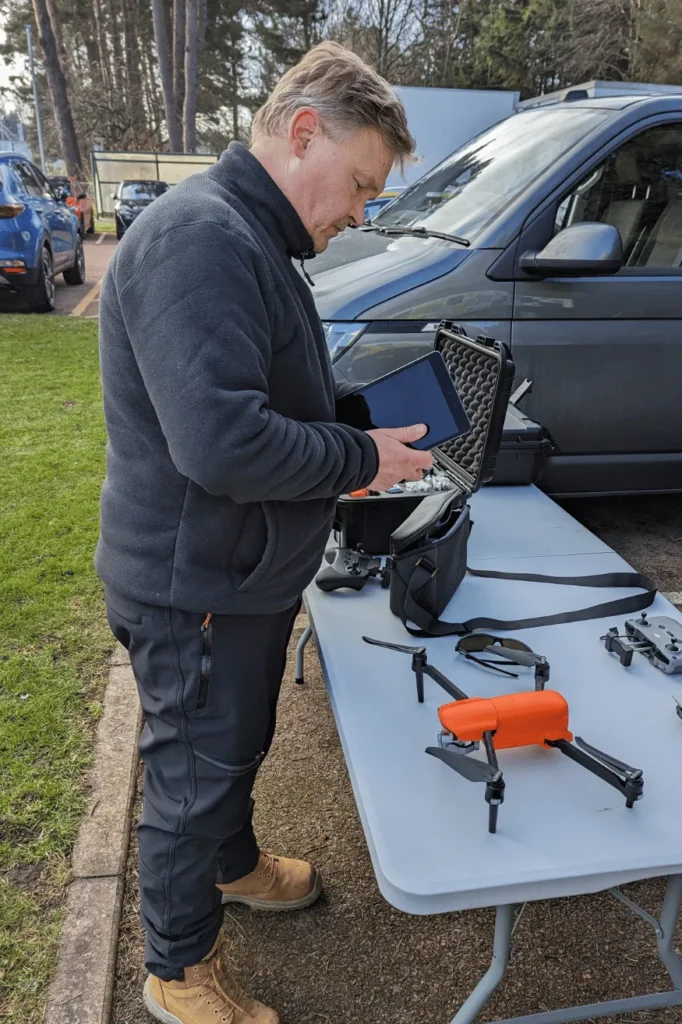
In addition to control issues, you’ll face more intense weather challenges when flying your drone above 400 feet.
As you ascend, you’ll encounter stronger winds and increased turbulence, which can substantially impact your drone’s stability and performance.
These conditions make it harder to maintain a steady flight path and consistent altitude.
At higher elevations, sudden gusts of wind can catch you off guard, potentially causing your drone to drift or even lose control.
You’ll need to be extra vigilant and responsive to these unpredictable weather patterns.
The increased wind speed can also drain your drone’s battery faster as it works harder to maintain position, reducing your overall flight time.
To mitigate these risks, always check weather forecasts before flying at higher altitudes. Pay attention to wind speed and direction reports, and avoid flying on particularly windy days.
If you do fly in challenging conditions, be prepared to bring your drone down quickly if the weather deteriorates.
Remember, your drone’s performance and your ability to control it safely are directly affected by these heightened weather challenges above 400 feet.
Special Permits and Exceptions for Drone Flight Above 400 Feet
While the 400-foot limit is standard for hobbyist drone pilots, there are some exceptions for commercial operators.
You can apply for waivers from the FAA to fly higher in specific situations, such as inspecting tall structures or conducting specialized operations.
If you’re flying near a tall structure, you’re allowed to fly up to 400 feet above its uppermost point, but you’ll need to follow strict guidelines and obtain necessary permissions.
Waivers for commercial operators
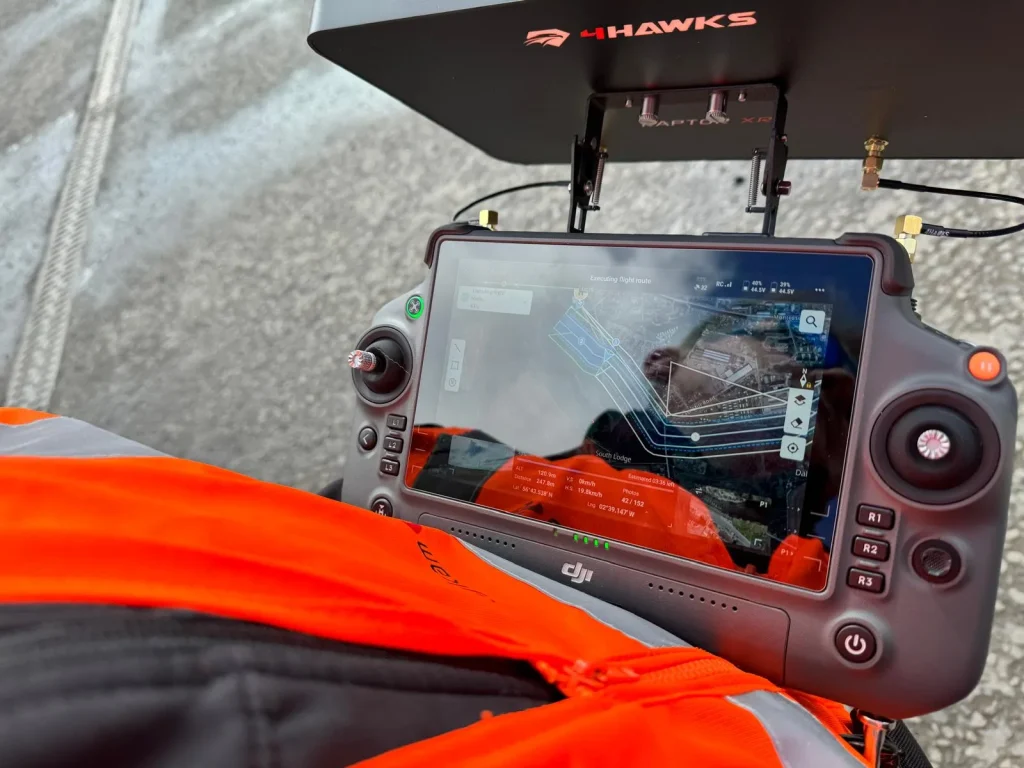
For commercial drone operators, there’s a glimmer of hope when it comes to flying above 400 feet: the FAA’s waiver system. If you’re a Part 107-licensed pilot, you can apply for a waiver to exceed the altitude limit.
To start, you’ll need to submit a detailed request through the FAA DroneZone website. This isn’t a quick or simple task, so be prepared to invest some time and effort.
You’ll need to provide a thorough description of your proposed operations, explaining why you need to fly above 400 feet and how you plan to do it safely.
A pivotal part of your application is identifying all potential risks associated with flying at higher altitudes. You’ll need to outline these risks and, more importantly, explain how you’ll mitigate them.
This shows the FAA that you’ve thought through the safety implications of your request.
Flying near structures
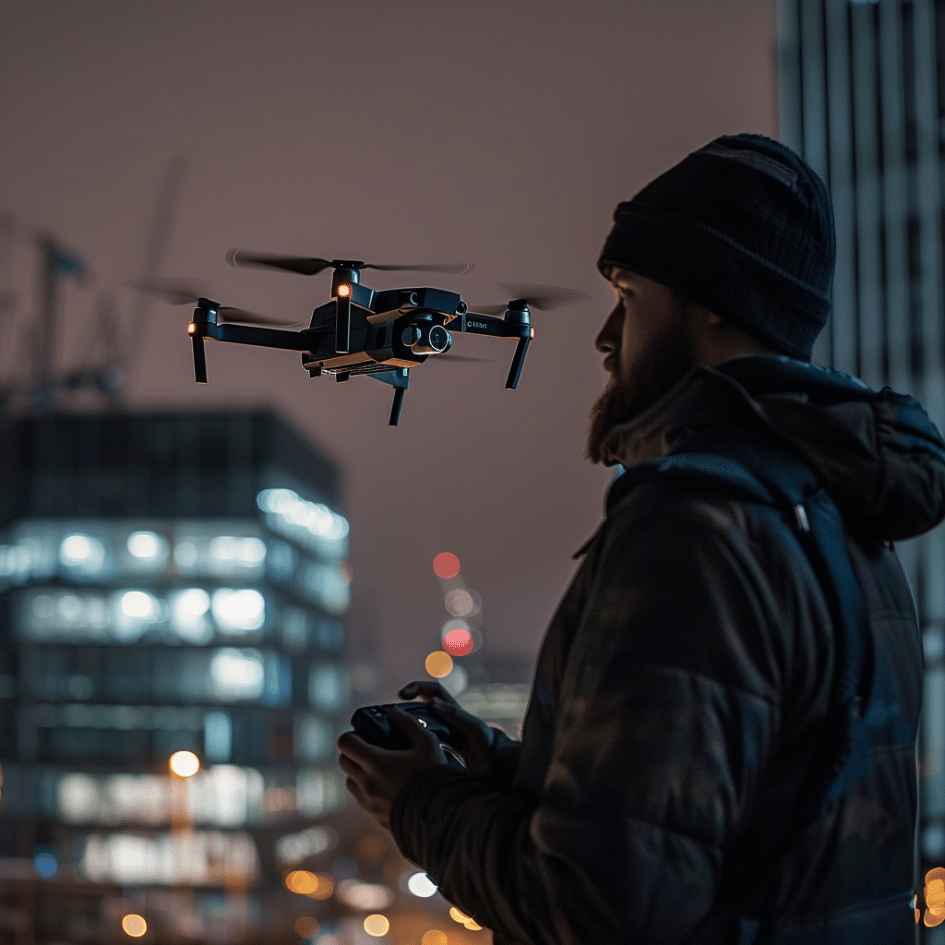
You’ll be pleased to know there’s a notable exception to the 400-foot rule when flying near structures. In uncontrolled airspace, you’re allowed to fly your drone up to 400 feet above a structure’s uppermost limit.
This means you can effectively exceed the standard 400-foot altitude limit relative to ground level.
For example, if you’re flying near a 200-foot-tall building, you can legally operate your drone up to 600 feet above ground level.
This exception provides more flexibility for aerial photography, inspections, and other drone operations around tall structures.
However, it’s essential to understand that this exception only applies in uncontrolled airspace.
If you’re in controlled airspace, such as near airports or in restricted areas, you’ll need specific authorization to fly above 400 feet, even if you’re near a structure.
Before taking advantage of this exception, always check your location’s airspace classification. Use official FAA resources or approved apps to verify if you’re in uncontrolled airspace.
Remember, safety is paramount, so maintain visual line of sight with your drone and be aware of other aircraft, even when flying near structures.
Special permissions for specific operations
Beyond the structure-related exception, there are indeed special permissions available for drone operations above 400 feet in certain circumstances.
These special permissions are typically granted for specific purposes, such as infrastructure inspection or research projects.
To apply for this type of permission, you’ll need to demonstrate a clear need for flying above 400 feet and prove that you can operate safely at higher altitudes.
You’ll likely need to provide detailed flight plans, risk assessments, and information about your drone’s capabilities.
It’s crucial to understand that these permissions aren’t easily obtained and are usually reserved for professional or commercial operations.
If you’re granted special permission, you’ll need to follow strict guidelines and maintain constant communication with air traffic control.
Remember, flying above 400 feet without proper authorization is illegal and can result in severe penalties. Always prioritize safety and compliance when operating your drone, regardless of altitude.
If you’re unsure about the regulations or application process, consult with local aviation authorities or a drone law expert.
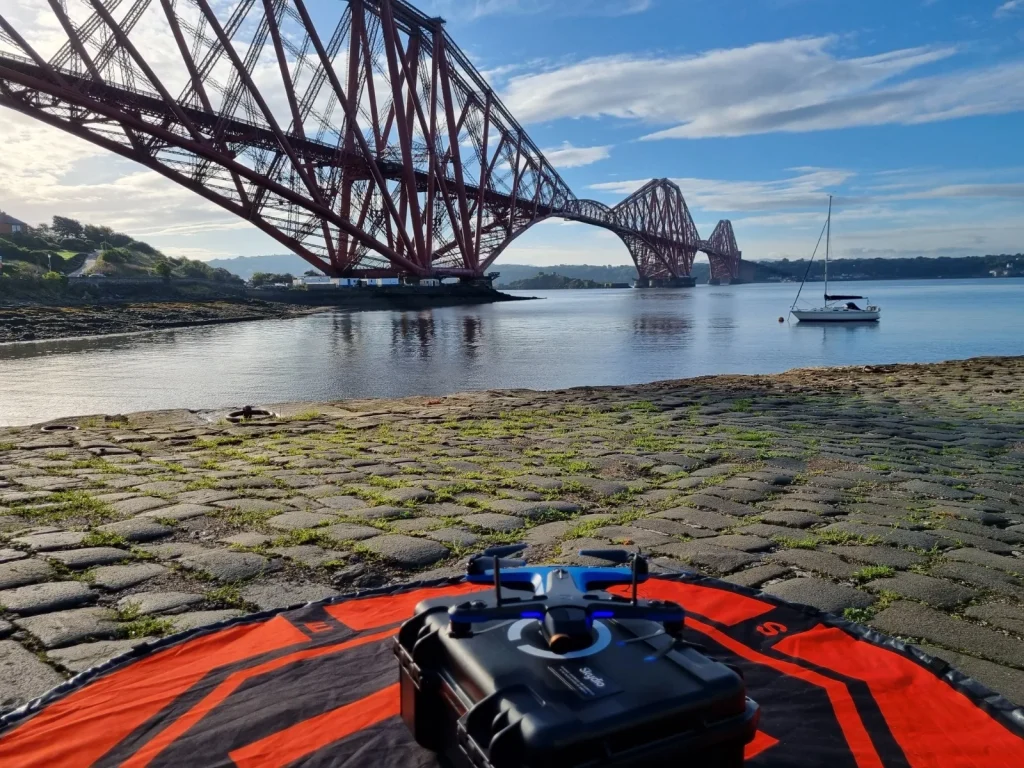
Restrictions and requirements
While the 400-foot altitude limit is generally strict, there are indeed exceptions and special permits that allow for drone flight above this threshold under specific circumstances.
To fly your drone above 400 feet, you’ll need to obtain special permission from the aviation authority. This process typically involves demonstrating a clear need for higher altitude operations and proving your ability to conduct them safely.
If you’re granted permission, you’ll be required to follow strict protocols.
These may include performing detailed pre-flight checks, maintaining extensive flight logs, and issuing Notices to Airmen (NOTAMs) before each flight.
You’ll also need to adhere to specific operational parameters set by the authority.
It’s important to note that these exceptions aren’t granted lightly. They’re usually reserved for commercial or research operations with a compelling reason for higher altitude flights.
As a recreational drone pilot, it’s unlikely you’ll be approved for flights above 400 feet.
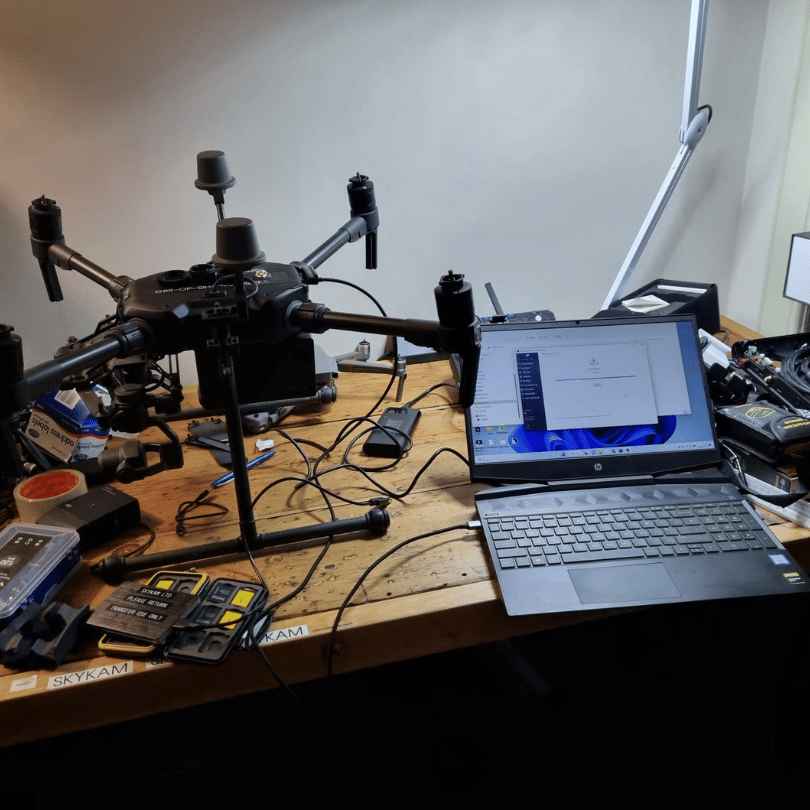
How To Adjust DJI’s 400 Feet Drone Altitude Limit
DJI drones often come with a default altitude limit of 400 feet, but it’s possible to adjust this setting for specific flight needs.
To adjust the 400 feet (120 meter) altitude limit on DJI drones, you can follow these steps:
- Open the DJI Fly app and go to the Safety settings menu.
- Look for the “Max Altitude” or “Flight Protection” setting.
- Adjust the slider to set your desired maximum altitude, up to 500 meters (1640 feet) on most DJI drones.
It’s important to note that while you can increase the limit, you’re still bound by local regulations. In many countries, including the United States, flying above 400 feet without proper authorization is illegal.
Before adjusting your drone’s settings, make certain you’re aware of and complying with all applicable laws.
If you’re flying in an area with tall structures or in mountainous terrain, you might need to temporarily increase the altitude limit. Some DJI models allow you to bypass the limit by entering a special code. However, use this feature responsibly and only when necessary. Always prioritize safety and legal compliance when adjusting your drone’s altitude settings.
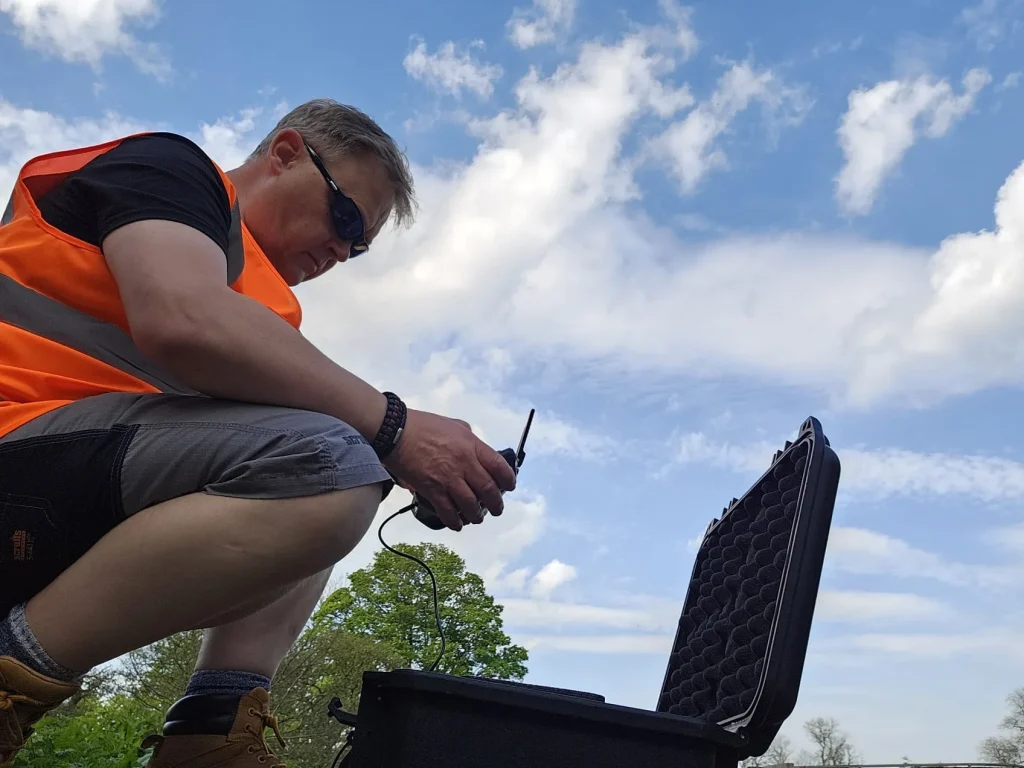
Considerations Before Changing Your DJI Drones 400 Feet Limit
Before adjusting your drone’s altitude limit, you’ll need to contemplate several essential factors that impact both safety and legal compliance.
First, consider the legal implications. While it’s technically possible to fly higher than 400 feet, it’s often illegal without special authorization in many countries, including the US and UK. You don’t want to risk fines or other penalties.
Next, be aware of your drone’s firmware limitations. DJI drones have a hard-coded maximum altitude of 500 meters, which you can’t exceed without modifications. It’s pivotal to understand how your drone measures altitude.
Remember, it’s calculated from the takeoff point, not ground level.
This can be tricky in mountainous areas where you might unintentionally exceed 400 feet above ground level.
Safety should be your top priority. The 400-foot limit exists to prevent conflicts with manned aircraft. By flying higher, you’re substantially increasing risks.
However, in some cases, such as when flying near tall structures, you may be allowed to exceed this limit.
Always check local regulations and obtain necessary permissions before attempting higher flights.
Conclusion
You’ve learned the risks and consequences of flying your drone above 400 feet. Remember, it’s not just about legality; it’s about safety for you and others.
If you need to fly higher, explore proper channels for permits. Don’t alter your drone’s altitude limits without careful consideration.
Always prioritize responsible flying practices, stay informed about regulations, and respect airspace rules. By following these guidelines, you’ll guarantee a safer and more enjoyable drone flying experience.

