
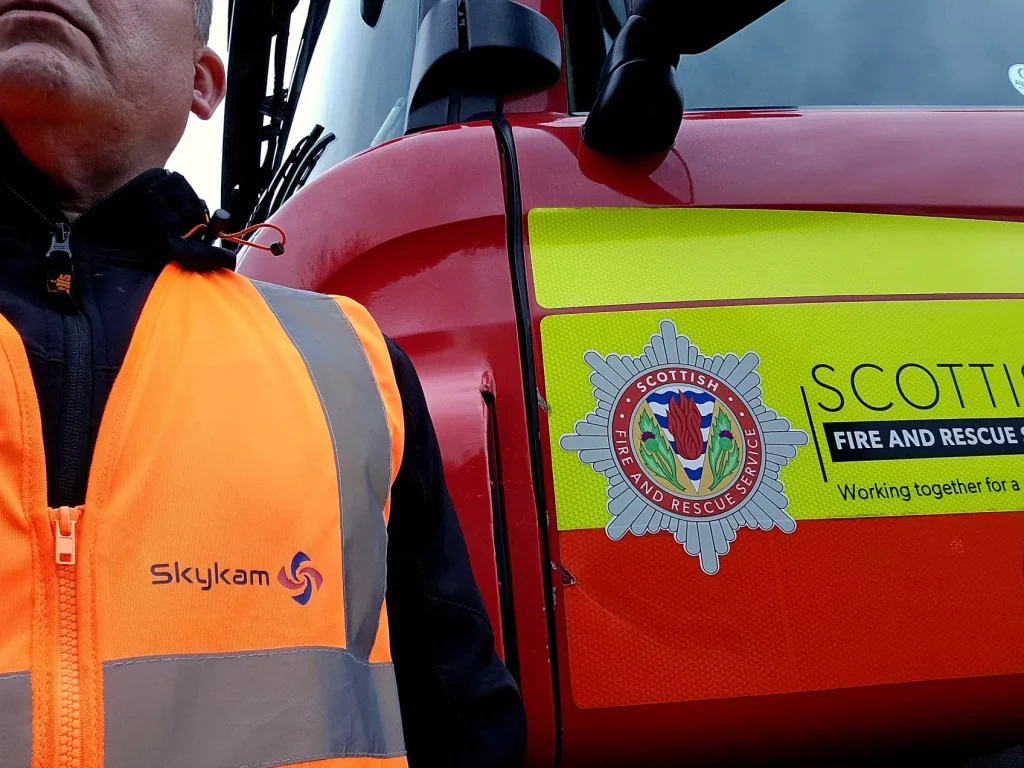
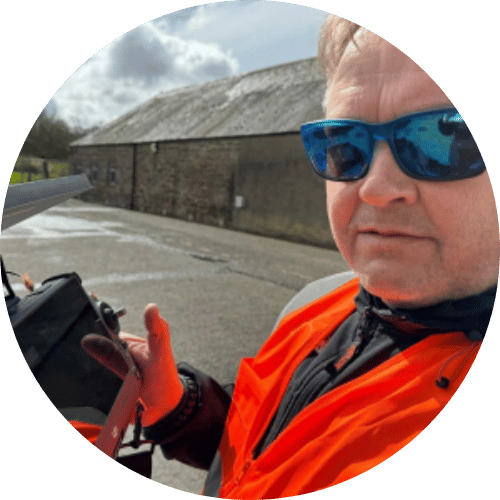
You’re enjoying the freedom of flying your drone when a police officer approaches. Do you know your legal obligations at that moment?
Understanding these powers isn’t just helpful—it’s essential for protecting yourself from fines, equipment confiscation, and potential criminal charges.
The stakes have never been higher, with prison-related drone incidents increasing dramatically from 122 in 2019 to 1,063 in 2023—a nearly ninefold increase over just five years.
30 Second Summary
- Police can order immediate landing of drones and require operators to move away from sensitive areas like airports.
- Officers may seize drones and equipment without a warrant if they reasonably suspect illegal activity.
- Drone pilots must present operator ID, flyer ID, and proof of competency when requested by police.
- Police can question operators about flight activities and demand access to technical flight data for compliance verification.
- On-the-spot fines can be issued for violations like exceeding height limits or flying without required permissions.
Authorities are responding with enhanced enforcement; since June 2016, police worked to secure over 70 drone-related convictions, resulting in more than 240 years of combined prison sentences for offenders.
Let’s examine what happens when law enforcement intersects with your flight plans.
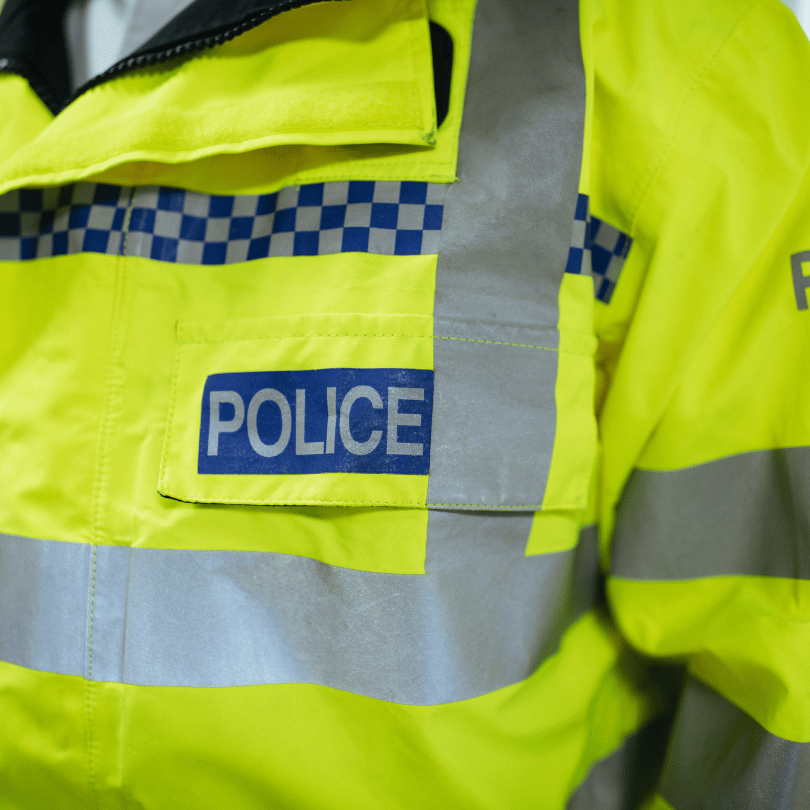
Police officers can legally require drone pilots to:
Land your drone immediately
Police officers wield significant authority to command drone pilots to land their aircraft immediately when suspecting an offense. If you’re flying your drone and an officer approaches with concerns about your operation, you must comply with their instruction to land.
This power enables officers to swiftly address potentially dangerous or illegal drone activities before they escalate. Once your drone is grounded, the officer can then conduct a proper investigation into the suspected violation.
Refusing to land your drone when instructed by police could compound your legal troubles, potentially leading to additional charges beyond the original suspected offense. Even if you believe your operation is perfectly legal, it’s crucial to comply first and address any misunderstandings after your drone is safely on the ground.
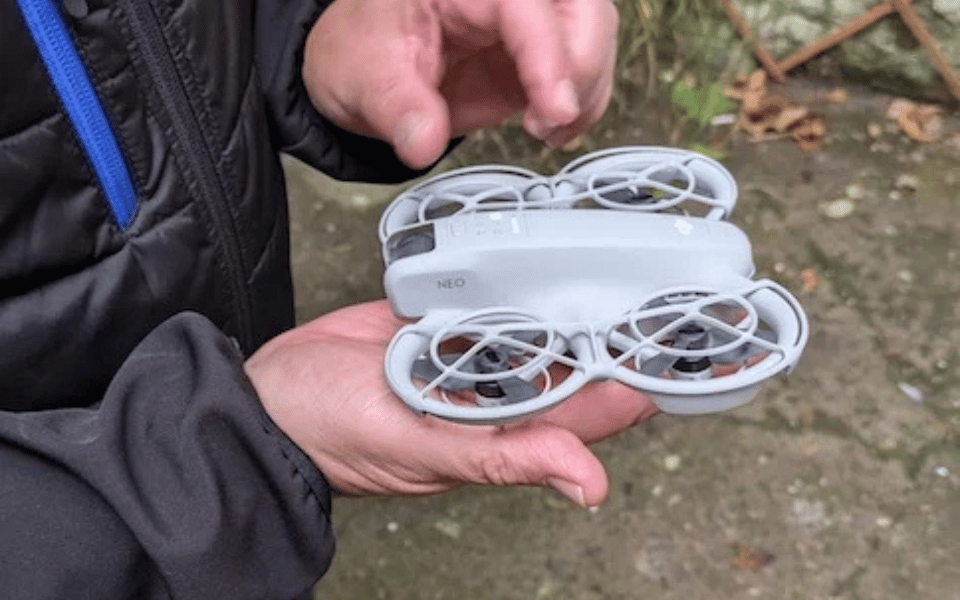
stop and search you or your vehicle
When suspected of drone-related offenses, you may be subject to stop and search procedures by officers who have reasonable grounds for their suspicion. This authority gives police the legal right to examine you, your belongings, and your vehicle if they believe you’re involved in drone misuse.
These powers are particularly significant near sensitive locations such as airports, prisons, and other restricted zones where drone activity poses heightened security risks. If you’re operating your drone in or near these areas, be aware that police have expanded authority to investigate potential violations.
Always comply with an officer’s request to stop and allow a search when asked. Resistance may complicate your situation and potentially lead to additional charges beyond any drone-related offense that prompted the initial stop.
Seizure and Confiscation
If you’re found violating drone regulations, police officers can legally seize your drone and related equipment on the spot. This seizure power extends to any drone components, controllers, or accessories they believe are connected to an offense.
Police don’t need a warrant to confiscate your drone equipment during a stop and search if they have reasonable suspicion. These items may be retained for evidence in potential prosecutions or to prevent further illegal drone activity.
You should be aware that even if charges aren’t immediately filed, police can seize your drone while they conduct their investigation. The items may be returned after the investigation concludes, depending on the circumstances and legal outcomes. Understanding these powers helps you appreciate the serious consequences of drone misuse in the UK.
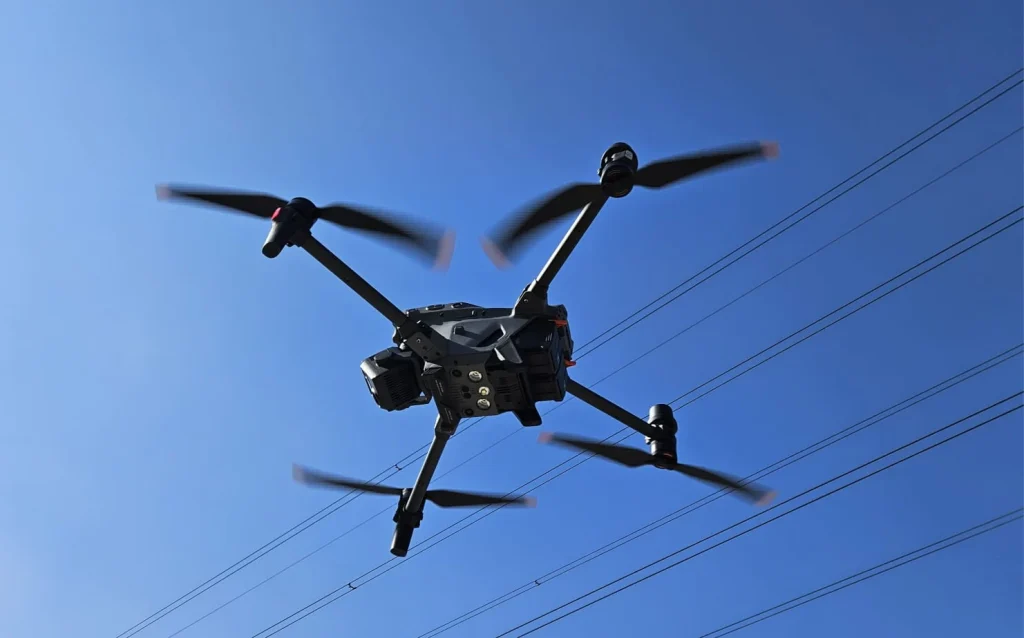
Move away from specific areas
Officers can order you to move away from specific areas when operating your drone if they believe your presence poses a risk to police activities or public safety.
This power allows police to establish temporary no-fly zones in situations where drone operations might interfere with emergency responses, investigations, or crowd management.
You’re legally required to comply with these instructions immediately. Refusal to move your drone operations when directed by police could result in additional charges beyond any initial drone violations.
Police typically issue these orders verbally, so be attentive to uniformed officers approaching you. While officers don’t need to provide detailed justification, they must reasonably believe your drone activity is creating interference or safety concerns before requiring you to relocate.

Police have the authority to request From Drone Pilots:
Your operator ID and flyer ID
Two key identifications must be carried when operating a drone in the UK:
- Your operator ID
- Flyer ID
These documents serve as your legal proof of registration and qualification to fly unmanned aircraft.
Police officers have the explicit authority to demand you present both identifications during any interaction. You’re legally obligated to comply with these requests, as they allow officers to verify who’s responsible for the drone and whether you’re qualified to fly it.
This requirement ensures accountability within the drone community. When approached by an officer, you should promptly provide both your pilot identification (flyer ID) and operator identification documentation. Failure to produce these documents when requested could result in legal consequences, as these checks are part of standard enforcement procedures for drone regulations.
Evidence of any drone flight permissions
Beyond your operator and flyer IDs, you’ll need to provide evidence of any special permissions when flying in regulated areas. If you’re operating near aerodromes, in controlled airspace, or other restricted zones, police officers have the authority to request documentation proving you have authorization to fly there.
These checks help enforce critical no-fly zones and maintain aviation safety. Officers can verify if you’ve obtained the necessary permissions from air traffic control, the Civil Aviation Authority, or other relevant authorities. Keep any authorization emails, permits, or flight plans readily accessible during your flights.
Failure to produce evidence of permissions when flying in restricted airspace could result in your drone being grounded immediately and potentially lead to fines or prosecution under aviation regulations.
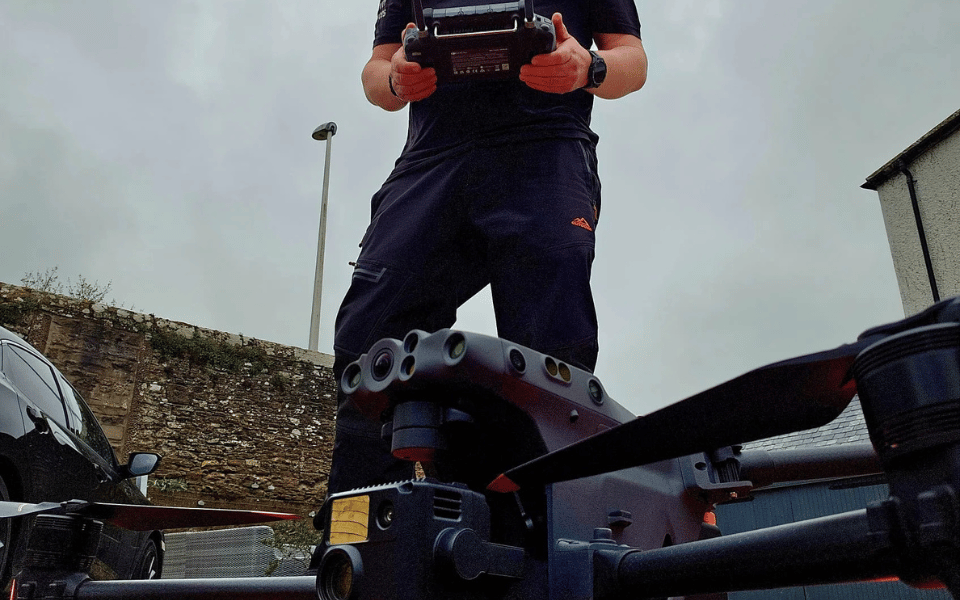
Proof of competency
Police officers can ask to see evidence that you’re qualified to operate your drone. This authority enables them to verify you possess the necessary training and competency to fly safely.
If approached, you’ll need to demonstrate your pilot qualifications appropriate to your drone’s classification and how you’re using it. This typically means showing your Flyer ID and/or Operator ID, or any additional qualifications required like the GVC or A2 Cofc for your specific flight operations.
Being prepared with digital or physical copies of your certifications can make these interactions smoother. Officers use this power as part of their toolkit to ensure drone operators understand and follow safety protocols. It’s advisable to keep your competency documentation readily accessible whenever you’re flying to avoid potential delays or complications during police checks.
Physically examine your drone
Police officers have a legal right to physically examine your drone during an encounter. This inspection power allows them to determine which specific regulations apply to your aircraft based on its classification and capabilities.
During an examination, officers may check your control equipment to verify proper safety mechanisms are functioning correctly. If relevant to a suspected offense, they’re entitled to review any recording devices attached to your drone.
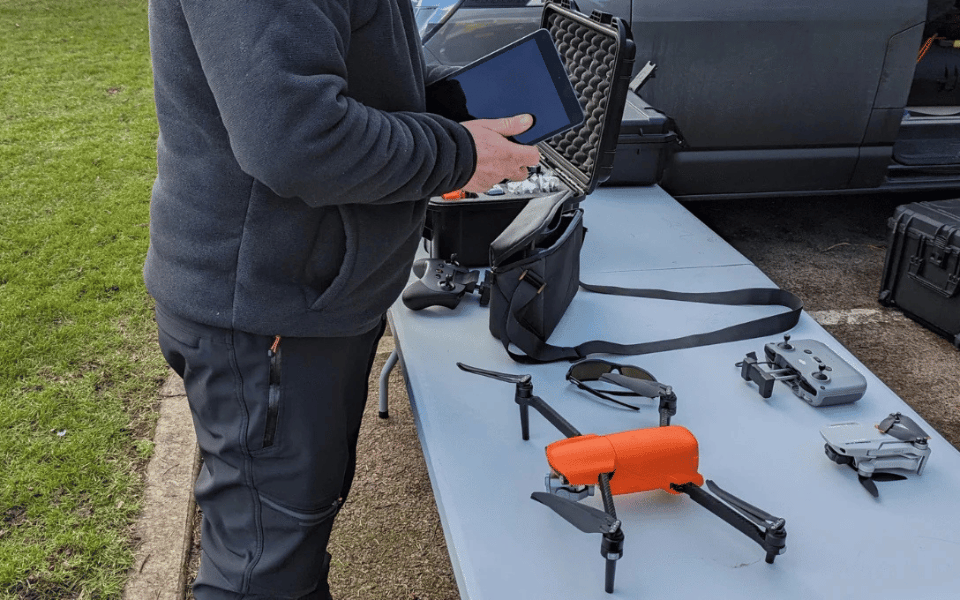
If police are investigating a drone-related incident, they may:
Question you about your activities and intentions with the drone
If an officer suspects you of violating drone regulations, they have the authority to question you about your activities and intentions. You’re legally obligated to answer truthfully, and your responses may be used as evidence in further proceedings.
During questioning, police may ask about your flight purpose, knowledge of local restrictions, and whether you’ve obtained necessary permissions. They’ll likely inquire about your awareness of no-fly zones, maximum altitude limits, and proximity rules regarding people and properties.
Be prepared to provide your operator ID and flyer ID if requested. Remaining calm and cooperative during questioning is advisable, but you maintain the right to legal representation before answering potentially incriminating questions. Remember that providing false information to officers is an offense that carries its own penalties separate from any drone violations.
Take your contact details for follow-up investigation
During an investigation of drone-related incidents, officers will typically request your contact information, including your name, address, telephone number, and email. You’re legally required to provide this information when asked.
These details allow the police to reach you for further questioning, clarification of events, or formal interviews. If your drone was involved in a more serious incident, they might need to contact you regarding potential charges or court appearances.
The police may also verify your information against the CAA’s database of registered drone operators. Remember that under UK law, you must register if your drone weighs over 250g.
Don’t provide false information – this constitutes an offense and could lead to additional charges beyond any drone-related violations.
Request access to flight logs or flight recorder data from your drone or controller
Police officers investigating drone incidents possess the authority to request access to your drone’s flight logs and flight recorder data. This information helps verify your flight path, altitude, speed, and other operational details that may be relevant to their investigation.
Modern drones automatically record extensive telemetry data that can confirm compliance with regulations. If you’re asked to provide these logs, you should cooperate—refusing could escalate the situation unnecessarily. The data may actually help prove your innocence if you’ve been flying responsibly.
You can typically access these logs through your drone’s companion app on your phone or controller. It’s a good practice to regularly back up your flight data, as it serves as evidence of your responsible flying history. Remember that providing accurate information helps officers conclude their investigation more quickly.
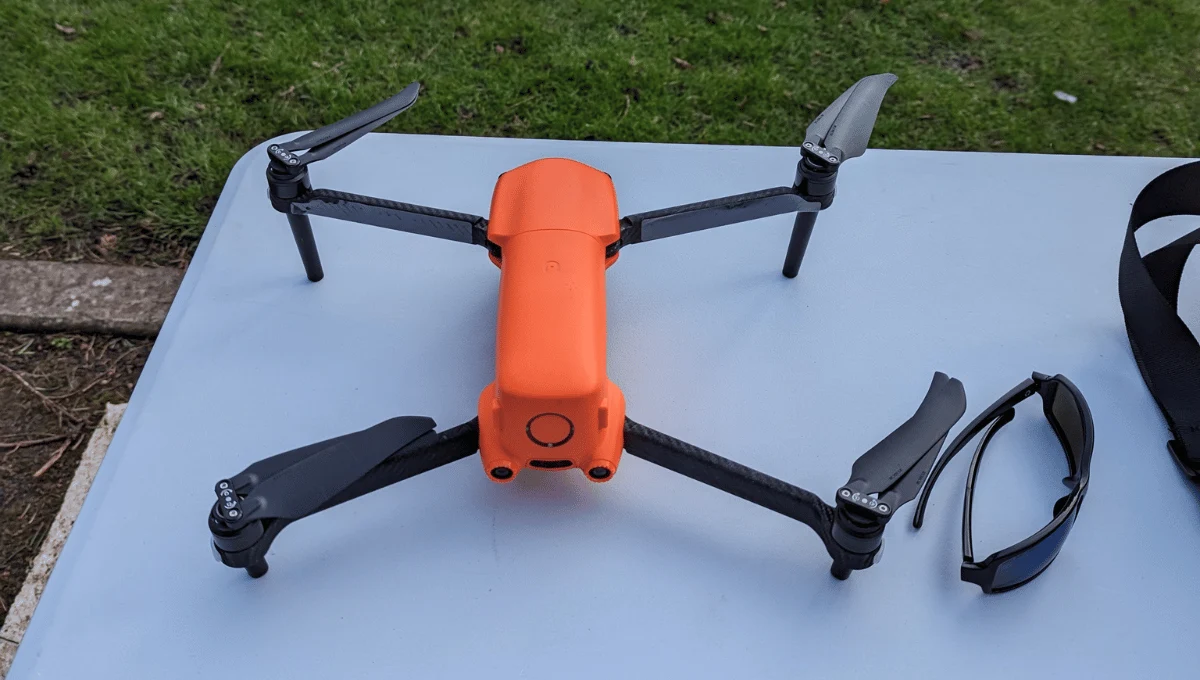
Drone Pilots can face On-the-Spot Fines and Enforcement
While more serious drone infractions can lead to criminal prosecution, authorities have also implemented a system of on-the-spot fines for minor violations. As a drone pilot, you need to be aware that officers can immediately penalize you for several common offenses.
You’ll face immediate fines if you’re caught flying your drone beyond permitted height limits or too close to buildings and structures. Similarly, if you can’t produce evidence of any required permissions or exemptions when requested, officers won’t hesitate to issue penalties.
Additionally, failing to demonstrate your competency as a pilot or provide proof of proper registration can result in immediate financial consequences. These on-the-spot penalties serve dual purposes – they allow for swift enforcement of regulations while also deterring potential violations before they occur.
Conclusion
You’ll need to cooperate fully when approached by police while flying your drone. Keep your registration and permissions handy, as officers can demand immediate landings, identification, and proof of compliance.
Don’t argue if they seize your equipment during investigations—it’s within their rights. Remember that on-the-spot fines are common for violations, and your cooperation will help avoid more serious legal consequences.

