
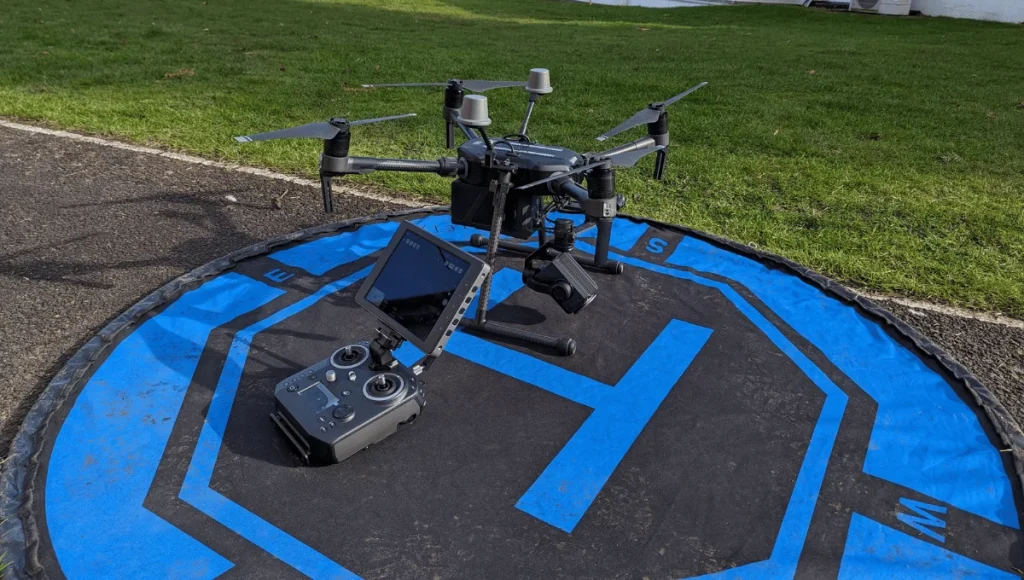

I spend my days out in the field, flying these drones to capture photogrammetry data that gets turned into accurate maps, models, and measurements for clients in construction, drone surveying, mining – you name it.
I’ve seen the drone tech evolve incredibly quickly, and I know firsthand that the drone that looks great on paper doesn’t always cut it when you’re dealing with wind, tricky sites, and demanding photogrammetry accuracy requirements.
Choosing the best drone for photogrammetry isn’t just about buying the latest model.
It’s about understanding the specific demands of the job – the accuracy you need, the size of the areas you’re covering, the conditions you’ll be flying in, and, let’s be honest, the budget you have to work with.
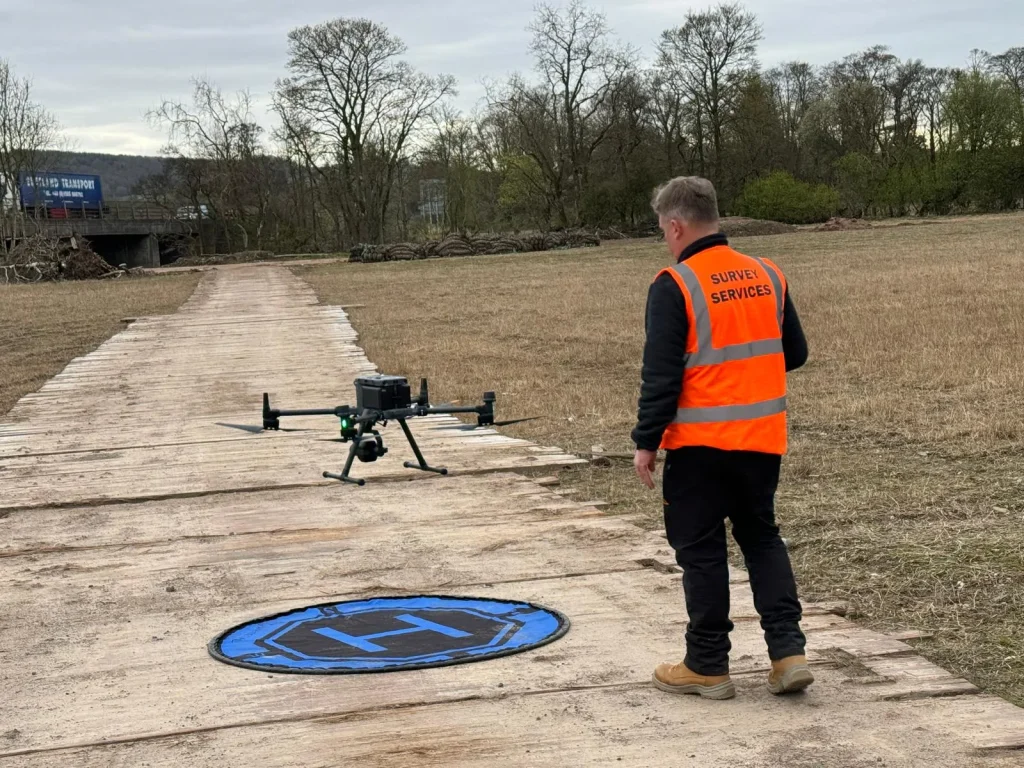
It’s a system:
- The drone
- The sensor (which is critical)
- The software you use to plan flights and process data
- The workflow you follow
Get one part wrong, and the quality of your final photogrammetry deliverables suffers.
This guide is my attempt to cut through the marketing hype and give you some straight talk based on my experience and what I’ve learned using these tools for a living.
DJI Matrice 300 RTK / Matrice 350 RTK: Best Drone for Large-Scale Photogrammetry Mapping 2025
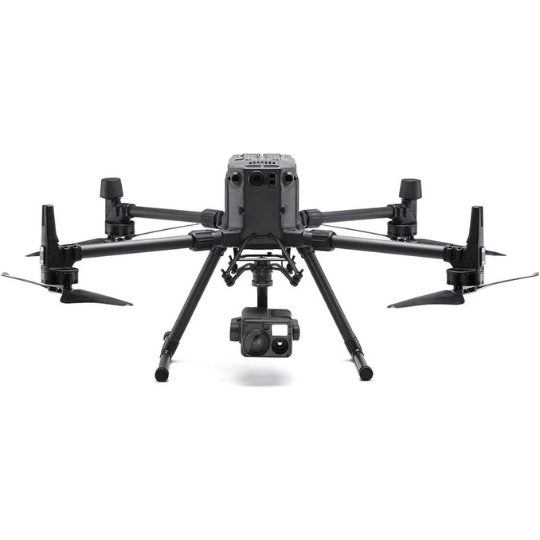
DJI Matrice 300 RTK
Reasons To Buy
- You need the absolute best photogrammetry drone data quality and efficiency achievable with the Zenmuse P1 sensor
- You regularly map very large sites (100+ acres) where its endurance and the P1’s efficiency provide significant time and cost savings
- You require maximum payload flexibility for diverse tasks, potentially including LiDAR (L1), thermal, or future sensors.
- You frequently operate in challenging weather conditions where its robustness and high IP rating are necessary.
When I need the absolute best quality photogrammetry data, need to cover massive areas, or face challenging weather, the Matrice 300 RTK (and its successor, the M350 RTK) is the tool I reach for. This thing is built like a tank, handles wind remarkably well, and offers serious flight time – DJI quotes 55 minutes, but with a survey payload like the P1, I realistically get closer to 30-40 minutes of productive photogrammetry flight, which is still excellent.
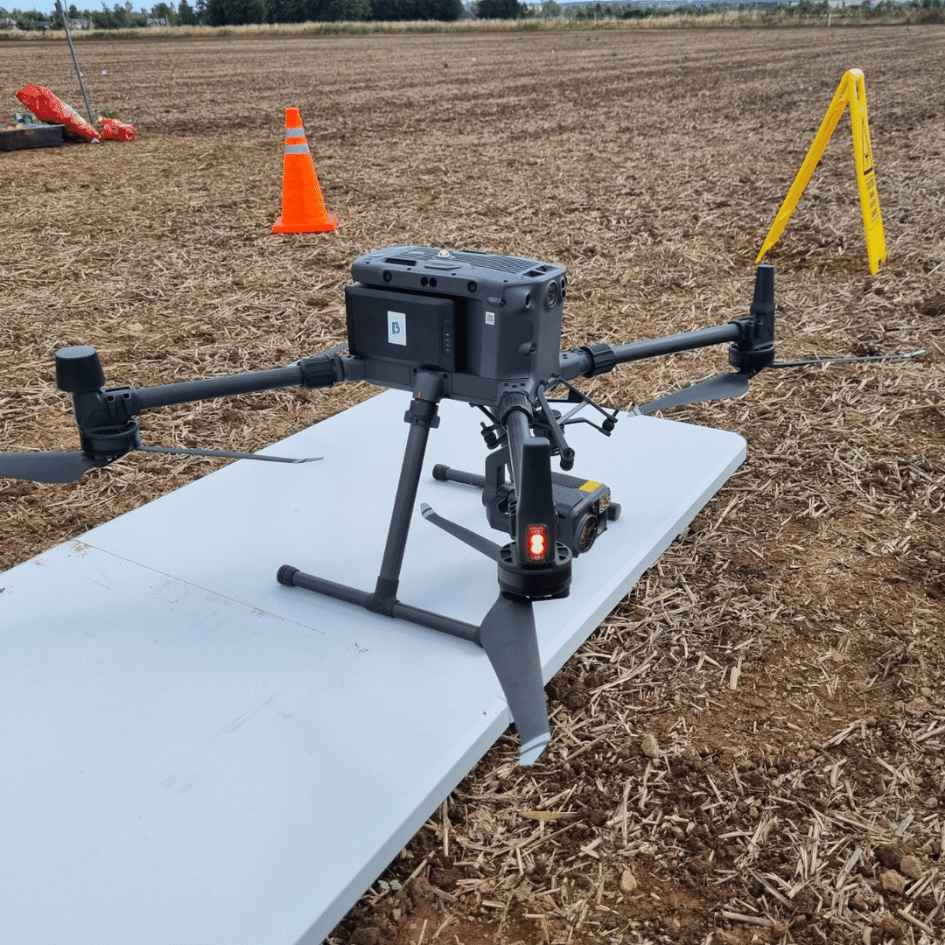
Its biggest advantage is payload flexibility. Pairing it with the Zenmuse P1 camera is where it truly shines for photogrammetry. That 45MP full-frame sensor captures incredible photogrammetry detail and allows for highly efficient mapping of large areas, often achieving centimeter-level accuracy without needing Ground Control Points (GCPs).
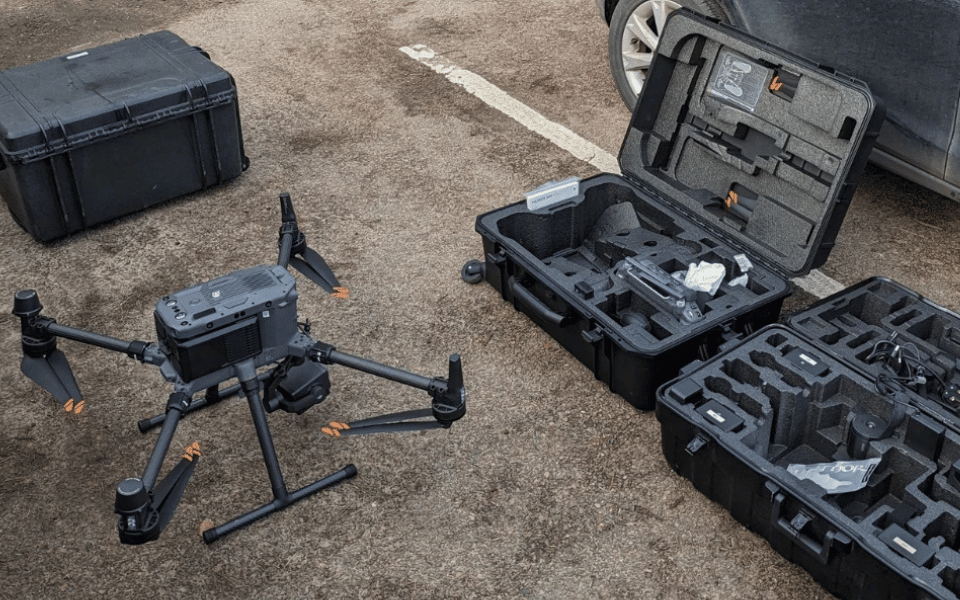
You can also mount LiDAR (like the Zenmuse L1) or multiple sensors simultaneously. It’s a significant investment, no doubt about it – the drone, the P1 sensor, multiple sets of expensive batteries, and the charging station add up quickly. It’s often overkill for smaller, simpler sites, but for large, complex projects or when you need the versatility to swap payloads, it’s unmatched.
The M350 RTK brings incremental improvements like an even better IP rating (IP55 vs IP45 on the M300) and the newer O3 Enterprise transmission, but the core strengths for photogrammetry, especially with the P1, remain the same.
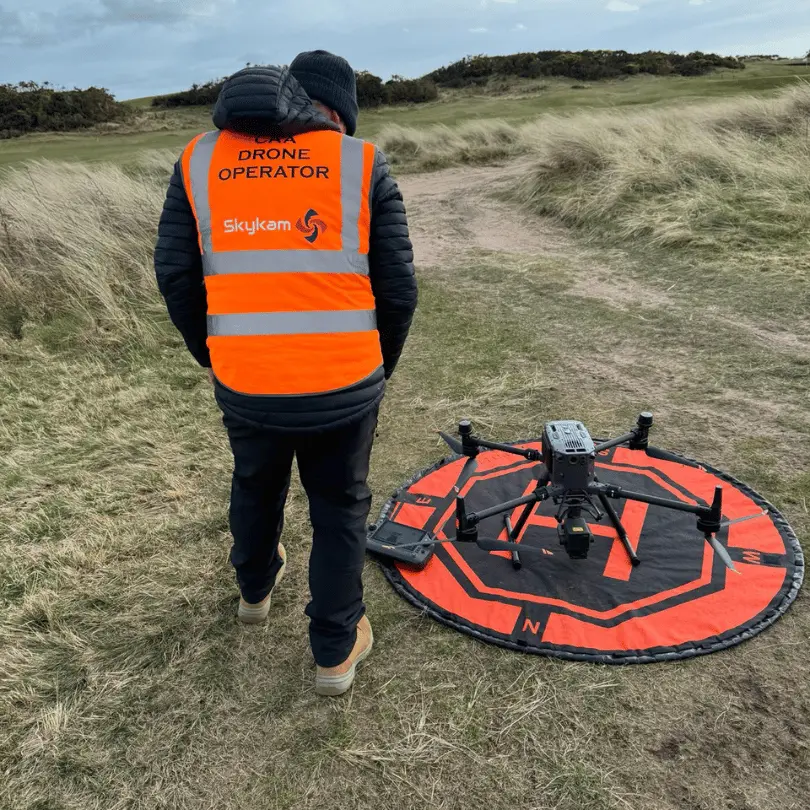
Be aware, it’s a big, noticeable drone, which can sometimes draw unwanted attention on site. The investment in this platform is substantial, reflecting its positioning for high-value, demanding survey tasks where its capabilities translate directly into efficiency gains or enable data acquisition not possible with smaller drones.
The cost isn’t just the drone; it’s the entire ecosystem including the high-end sensor, numerous flight batteries, and the multi-battery charging station needed for continuous fieldwork. The P1 sensor, in particular, is the key component that elevates the M300/350 for photogrammetry; without it, while still a robust platform, its advantages for pure photogrammetry become less distinct compared to other options.
| Feature | Specification |
|---|---|
| Camera Sensor (P1) | 45 MP, Full-Frame (35.9×24 mm) CMOS |
| Shutter Type (P1) | Global Mechanical Shutter (up to 1/2000s) |
| Max Flight Time (M350) | 55 minutes (no payload) ; Approx. 30-40 min practical survey time with P1 |
| RTK/PPK Capability | Yes, Integrated RTK ; Accuracy: 1 cm + 1 ppm (Horizontal), 1.5 cm + 1 ppm (Vertical) |
| Max Payload Capacity (M350) | 2.7 kg |
| IP Rating (M350) | IP55 |
| Approx. GSD @ 100m (P1 35mm) | Approx. 1.3 cm/px (Calculated based on sensor/lens specs, aligns with test data GSD of 1.18cm @ 80m ) |
| Approx. Base Price (£) | M350 Drone Only: ~£8,400 ; Zenmuse P1: ~£5,300. Note: System cost significantly higher with batteries/charger. |
Pros
- Exceptional payload capacity (up to 2.7kg) supports high-end sensors like the Zenmuse P1, L1 LiDAR, or multiple payloads.
- Excellent flight endurance enables coverage of large areas per flight.
- Robust build and high IP rating (IP55) for reliable operation in various weather conditions.
- Advanced 6-directional obstacle sensing and safety features.
- High-accuracy integrated RTK positioning.
- Powerful and reliable transmission system (DJI O3 Enterprise).
- Zenmuse P1 offers outstanding image quality and efficiency (45MP Full-Frame, 0.7s interval, Smart Oblique Capture).
Cons
- Very high total system cost (drone, P1 sensor, multiple batteries, charging station).
- Large and heavy, making it less portable and more complex to transport and deploy.
- Requires significant investment in expensive batteries (TB65) and the BS65 charging station for continuous operation.
- Higher complexity may require more experienced operators compared to smaller drones.
DJI Mavic 3 Enterprise (M3E): Best Overall Drone For Photogrammetry 2025
DJI Mavic 3 Enterprise
Reasons to Buy:
- You need survey-grade RTK accuracy combined with maximum portability and ease of deployment.
- Your typical projects involve small to medium-sized sites (e.g., up to 50 acres)
- You’re looking for a cost-effective way to achieve professional RTK photogrammetry results
- You frequently perform tasks like stockpile volume measurements or construction progress monitoring
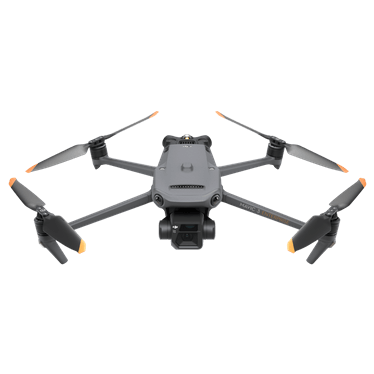
The Mavic 3 Enterprise, or M3E as we call it, has been a game-changer for my day-to-day work. It packs a serious punch for photogrammetry into a drone that folds up small enough to fit in a backpack. I can get it unpacked and in the air in minutes. The key here is the combination of its 4/3 CMOS sensor and a proper mechanical shutter. That large sensor captures great detail, and the mechanical shutter is vital for crisp, distortion-free images while mapping – something many drones in this size class lack.
When you add the optional RTK module , you’re achieving centimeter-level photogrammetry accuracy , drastically reducing or even eliminating the need for ground control points (GCPs) on many sites, which saves a massive amount of time. It’s significantly cheaper and easier to handle than the Matrice series , making it an excellent choice for anyone starting with high-accuracy photogrammetry mapping or for efficiently handling routine jobs like stockpile measurements or construction site progress tracking.
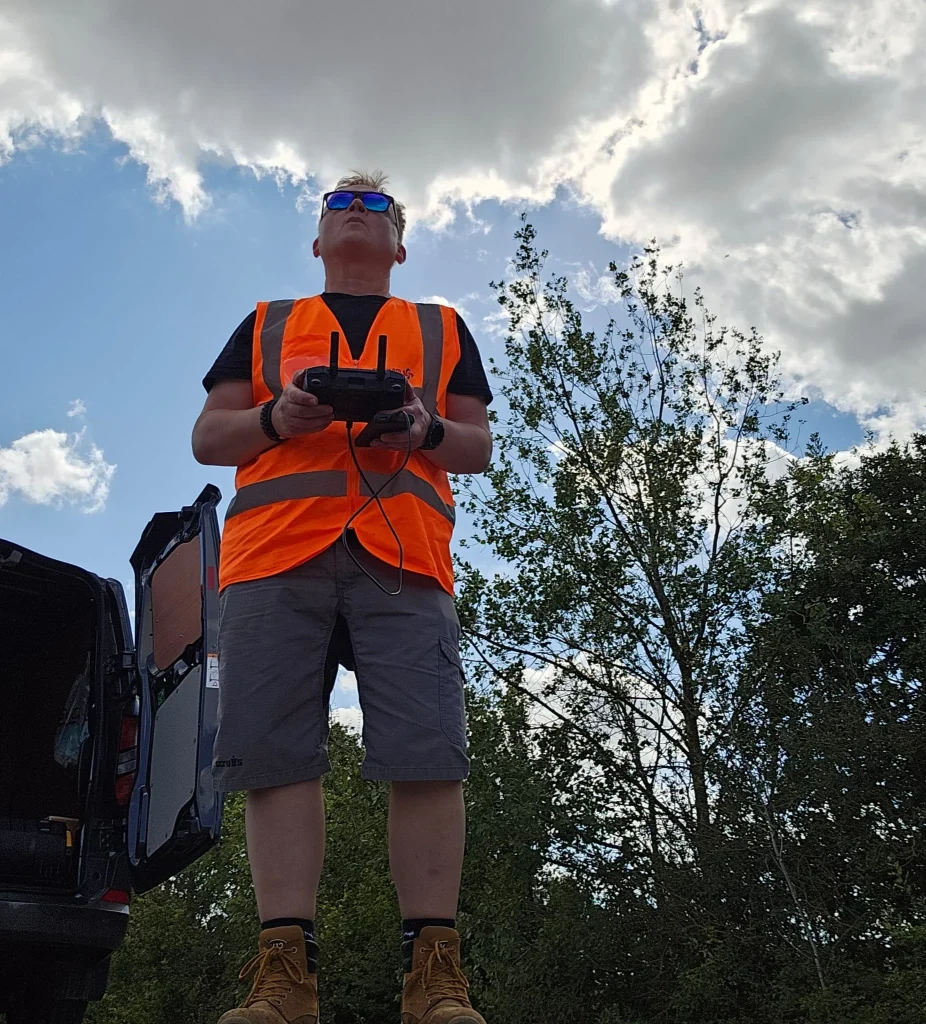
It doesn’t have the Matrice’s weather sealing or payload options, and you need to be mindful of wind , but the quality of photogrammetry data you get for the price and portability is exceptional.
Just make sure you get the M3E (Enterprise) and not the M3T (Thermal) – the thermal version’s RGB camera isn’t suitable for accurate mapping. This drone really lowered the barrier to entry for professional RTK work, making survey-grade photogrammetry results accessible without the huge investment previously required.
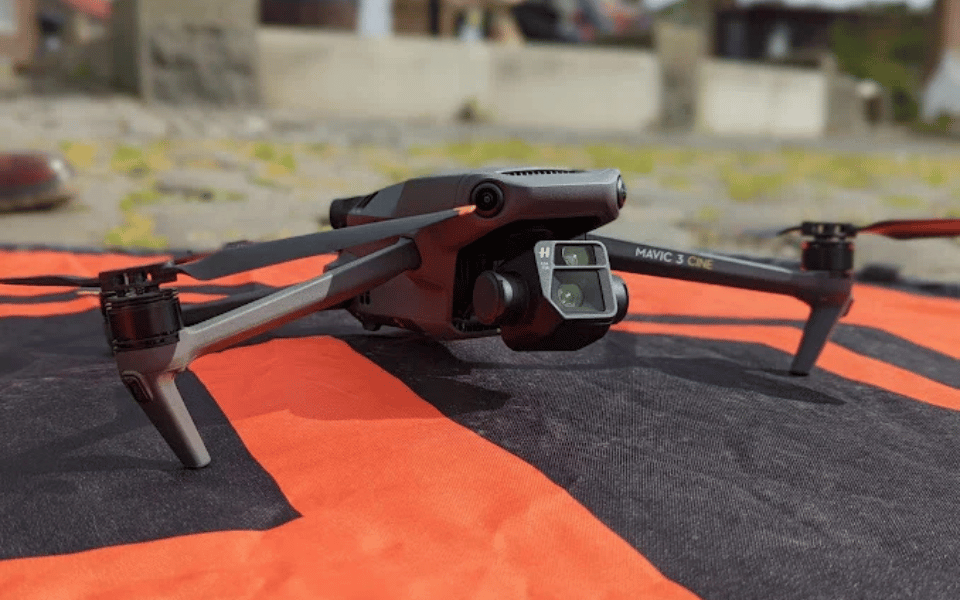
The mechanical shutter inclusion was a clear signal DJI built this specifically with drone surveyors in mind, acknowledging how critical that feature is for avoiding rolling shutter issues during flight.
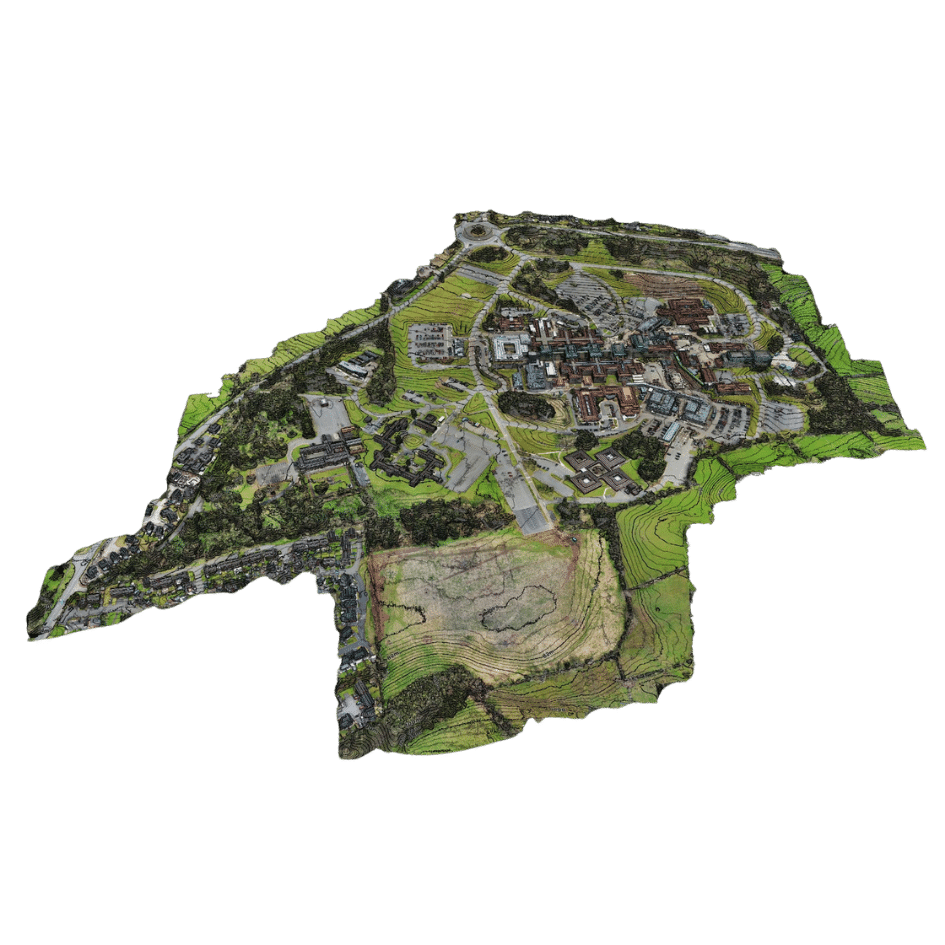
Unlike ground-based surveying, drone photogrammetry provides a bird’s eye perspective that can efficiently and cost-effectively create 3D maps of landscapes, structures, construction sites, mines, quarries, and more in rich detail.
The photorealistic 3D models it produces have a vast array of applications from agriculture to architecture and everything in between.
| Feature | Specification |
| Camera Sensor | 4/3 CMOS, 20 MP |
| Shutter Type | Mechanical (8-1/2000 s) & Electronic |
| Max Flight Time | 45 minutes |
| RTK/PPK Capability | Yes, Optional RTK Module ; Accuracy: 1 cm + 1 ppm (Horizontal), 1.5 cm + 1 ppm (Vertical) |
| Max Payload Capacity | Fixed payload (Camera system + optional RTK/Speaker) |
| IP Rating | None specified |
| Approx. GSD @ 100m | Approx. 2.7 cm/px (Calculated based on sensor/lens specs, matches P4RTK GSD ) |
Pros
- Excellent image quality for its class from the large 4/3 CMOS 20MP sensor.
- Mechanical shutter prevents rolling shutter distortion, crucial for accuracy.
- Rapid 0.7s photo interval boosts mapping efficiency.
- Optional RTK module delivers survey-grade centimeter-level accuracy.
- Extremely portable and quick to deploy thanks to its compact, foldable design.
- Very good flight time (up to 45 mins) allows decent coverage per battery.
- Much more affordable than heavy-lift platforms like Matrice or fixed-wings like Wingtra.
- Includes intelligent flight modes like Terrain Follow and Smart Oblique Capture.
Cons
- Lacks an official IP rating, making it unsuitable for flight in rain or heavy dust.
- Fixed payload system – you cannot change the camera or add other sensors like LiDAR.
- Lower wind resistance compared to larger drones like the Matrice series.
- Sensor resolution is lower than the high-end Zenmuse P1 or Wingtra payloads.
Autel EVO II RTK V3 : Best Non-DJI Photogrammetry Drone
Autel Robotics EVO 2 Pro
Reasons To Buy
- You require a portable, high-accuracy photogrammetr drone and specifically want a non-DJI alternative
- You value the operational freedom offered by the absence of geofencing and forced updates
- Your workflow primarily involves PPK, or you are prepared to fly at slower speeds to mitigate potential rolling shutter effects
- The included large, bright controller screen is a significant advantage for your operations
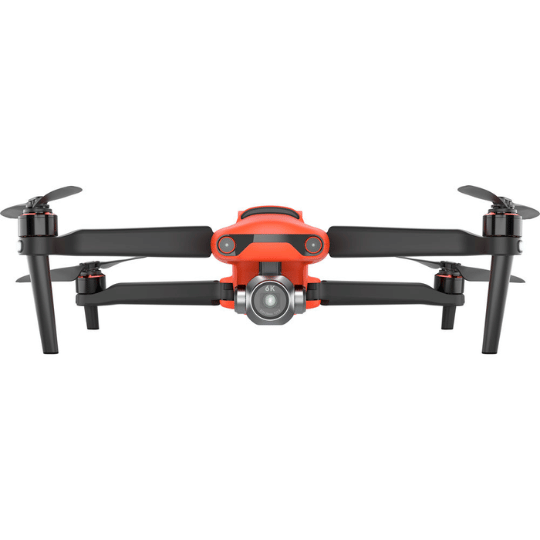
The Autel EVO II Pro RTK V3 is a really solid alternative if you’re looking for high accuracy in a portable package but want to avoid the DJI ecosystem. It mirrors the DJI M3E in many ways: compact, foldable design for easy transport and quick deployment , an integrated RTK module for centimeter-level positioning , and a good quality 1-inch 20MP camera sensor. Flight time is decent at around 36-38 minutes , and it handles wind surprisingly well for its size.
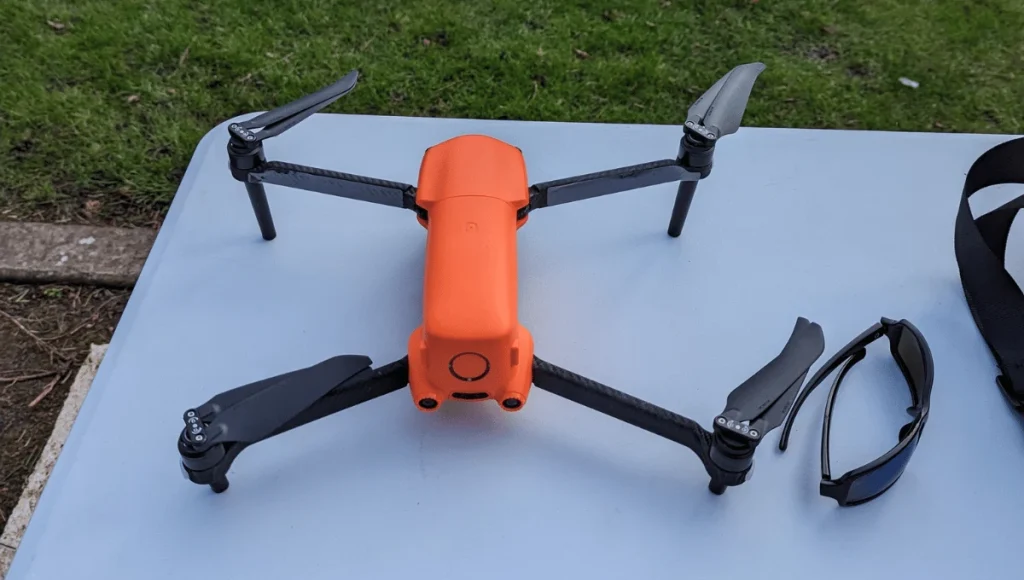
One big draw for me is Autel’s policy of no forced firmware updates and no built-in geofencing restrictions, offering more operational freedom. It also comes standard with the excellent Autel Smart Controller V3, which has a large, very bright screen. The major caveat for photogrammetry, however, is the camera’s electronic shutter.
Unlike the M3E or P4 RTK with their mechanical shutters, the EVO II RTK’s electronic shutter can introduce rolling shutter distortion, especially if you fly faster or lower. This can impact the final accuracy of your models. Some users mitigate this by flying slower, using PPK workflows , or relying on software corrections , and report good results.
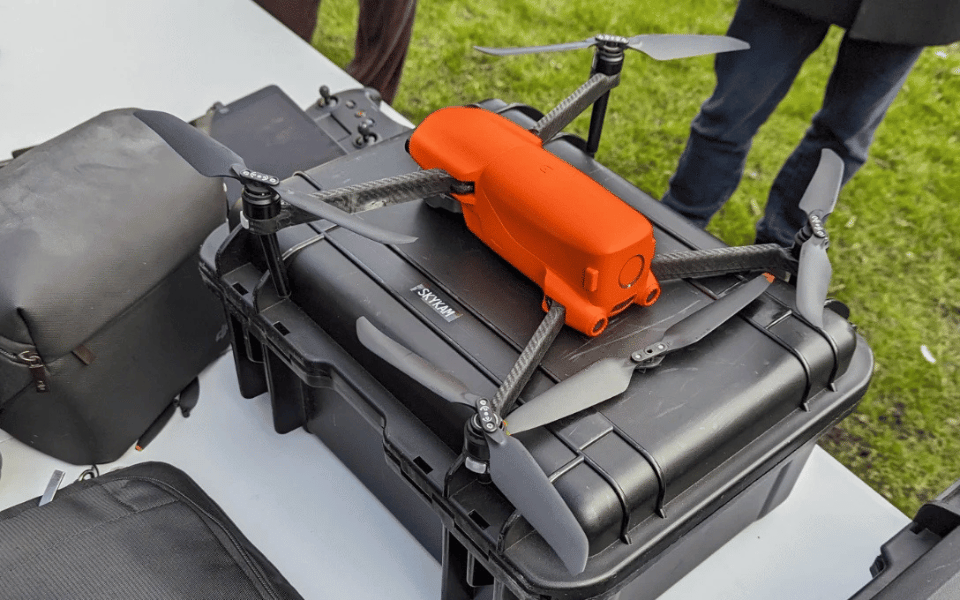
It’s a trade-off: you gain operational freedom and potentially save some cost compared to the M3E, but you lose the inherent advantage of a mechanical shutter for mapping. This positions the Autel as a strong competitor, particularly appealing to users frustrated by DJI’s restrictions, but requires careful consideration of the shutter type’s implications for high-precision work.
| Feature | Specification |
|---|---|
| Camera Sensor | 1-inch CMOS, 20 MP |
| Shutter Type | Electronic Shutter |
| Max Flight Time | 36-38 minutes |
| RTK/PPK Capability | Yes, Integrated RTK module ; Accuracy: 1 cm + 1 ppm (Horizontal), 1.5 cm + 1 ppm (Vertical) ; Supports PPK |
| Max Payload Capacity | Fixed payload (Camera system + RTK module) |
| IP Rating | None specified (Controller is IP43 ) |
| Approx. GSD @ 100m | Approx. 2.7 cm/px (Similar sensor/FOV to P4 RTK) |
| Approx. Base Price (£) | Rugged Bundle (Drone, Controller, 2 Batteries, Case etc.): ~£2,700 – £2,900 |
Pros
- Integrated RTK module provides centimeter-level accuracy and supports PPK
- Good image quality from the 1-inch 20MP CMOS sensor
- Highly portable due to compact, foldable design and rapid deployment time (45s)
- Respectable flight time (36-38 mins) and strong wind resistance (12 m/s or 27mph) for its size
- Operates without DJI’s geofencing restrictions or forced firmware updates
- Includes the excellent Smart Controller V3 with a large (7.9-inch), bright (2000 nits) screen as standard
- Competitively priced for a portable RTK drone solution
- Omnidirectional obstacle avoidance
Cons
- Features an electronic shutter, which introduces the risk of rolling shutter distortion that can negatively impact photogrammetric accuracy compared to mechanical shutters
- No official IP rating
- Payload is fixed; sensors cannot be swapped out for other types (e.g., LiDAR, higher-res camera)
- Autel’s software ecosystem and third-party integrations might be less extensive than DJI’s
DJI Phantom 4 RTK: Best Budget Photogrammetry Drone 2025
DJI Phantom 4 RTK
- You need a reliable, dedicated RTK mapping drone with a mechanical shutter at the most competitive price point
- You value a proven platform with established workflows and wide software support over the latest features
- You are already familiar with the DJI Phantom series operation
- You plan to use the DJI D-RTK 2 Mobile Station as your primary correction source
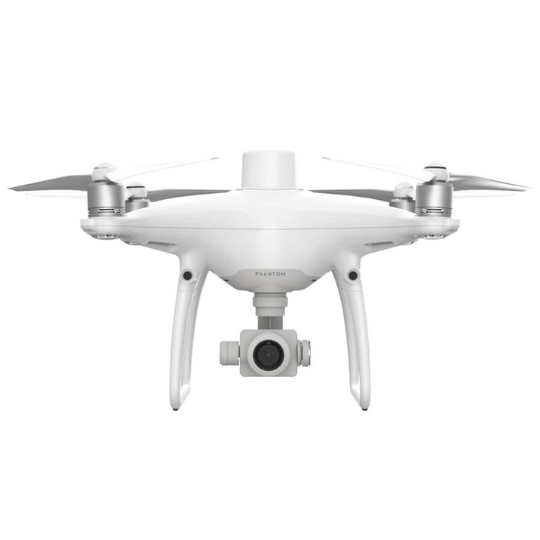
The Phantom 4 RTK (P4 RTK) really opened the door for affordable, high-accuracy drone photogrammetry mapping for many surveyors, myself included. It’s built on the classic, reliable Phantom airframe, which many pilots are familiar with. It features a solid 1-inch, 20MP sensor and, crucially, a mechanical shutter – just like the M3E – which is essential for good photogrammetry data. It achieves a respectable Ground Sample Distance (GSD) of about 2.7 cm at 100 meters.
While it’s definitely older tech now compared to the M3E (better sensor, more portable) or the M300/P1 (payloads, flight time), the P4 RTK is still a very capable machine. You can often find it at a lower price point than the M3E, especially on the used market, making it a great value RTK option. Its integrated RTK significantly cuts down the number of GCPs needed compared to flying a non-RTK drone like the Phantom 4 Pro.
Speaking of the Phantom 4 Pro (P4P), you can use it for mapping , and it shares the same sensor size/resolution as the P4 RTK , but it only has standard GPS accuracy and lacks the mechanical shutter. This means you need to lay out a lot of accurately surveyed GCPs to get decent results, and even then, achieving consistent survey-grade accuracy is challenging.
If your budget can stretch, the P4 RTK is a far better investment for professional photogrammetry than the P4P. The P4 RTK remains relevant because it delivers the core requirements for accurate mapping – RTK and a mechanical shutter – in a proven package at a potentially lower cost than newer alternatives.
| Feature | Specification |
|---|---|
| Camera Sensor | 1-inch CMOS, 20 MP |
| Shutter Type | Mechanical (8 – 1/2000 s) & Electronic |
| Max Flight Time | Approx. 30 minutes |
| RTK/PPK Capability | Yes, Integrated RTK ; Accuracy: 1 cm + 1 ppm (Horizontal), 1.5 cm + 1 ppm (Vertical) |
| Max Payload Capacity | Fixed payload (Camera system + RTK module) |
| IP Rating | None specified (Likely low, standard Phantom build) |
| Approx. GSD @ 100m | 2.74 cm/px |
| Approx. Base Price (£) | Drone + Controller: ~£5,100 – £5,950. Combo with D-RTK 2 Base Station: ~£7,300 – £8,300. |
Pros
- Integrated RTK module provides centimeter-level positioning accuracy
- 1-inch 20MP CMOS sensor delivers good quality images for mapping
- Mechanical shutter eliminates rolling shutter distortion
- Highly proven and reliable platform with a large user base and established workflows
- Often represents the most affordable entry point for a dedicated RTK photogrammetry mapping drone
- Can utilize PPK photogrammetry workflows for potentially improved results, especially using third-party software
Cons
- Based on older Phantom 4 platform technology (sensor performance, flight time, obstacle avoidance) compared to M3E or M300
- Maximum flight time (approx. 30 mins) is less than newer competitors
- Less portable design (non-folding) compared to Mavic or Autel EVO series
Yuneec H520E RTK: Best Modular Hexacopter Photogrammetry Drone
Yuneec h520
Reasons To Buy
- You prioritize the flight stability and motor redundancy offered by a hexacopter design.
- You require the flexibility of swapping between different types of payloads (e.g., high-res RGB, thermal, zoom) on a single RTK-enabled drone outside the DJI ecosystem.
- You need a robust RTK drone platform and prefer the Yuneec control system and ecosystem.
- Operating in environments where the safety margin provided by motor redundancy is a critical requirement.
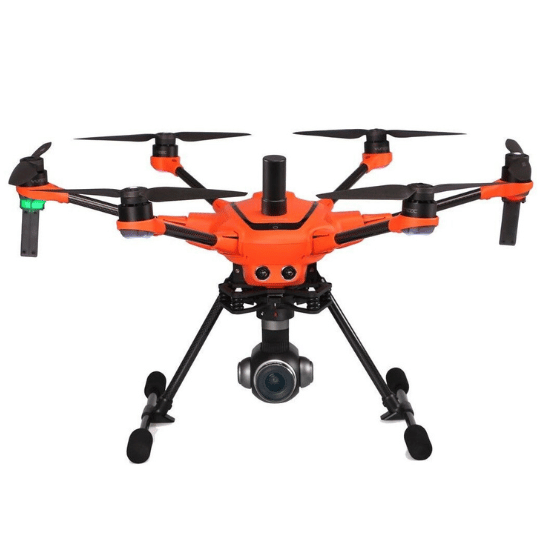
The Yuneec H520E RTK takes a different approach to photogrammetry, offering RTK accuracy on a modular hexacopter platform. The six rotors provide inherent stability, especially in windy conditions, and add a layer of safety with motor redundancy – it can potentially stay airborne even if one motor fails.
The main appeal here is the ability to swap payloads. You can equip it with the E90x camera (1-inch, 20MP sensor) for mapping , or switch to a thermal camera or a zoom camera depending on the job.
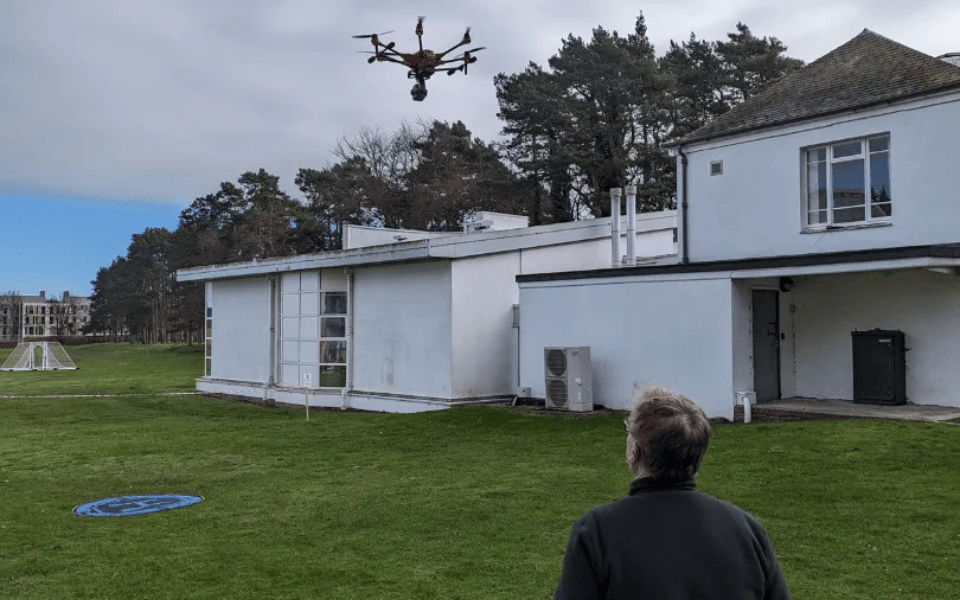
The integrated RTK module delivers the centimeter-level accuracy needed for surveying. Flight time is a bit shorter than some competitors, listed at up to 28 minutes , but the platform’s stability and modularity are its key selling points. Similar to the Autel, however, the primary mapping camera, the E90/E90x, uses an electronic rolling shutter.
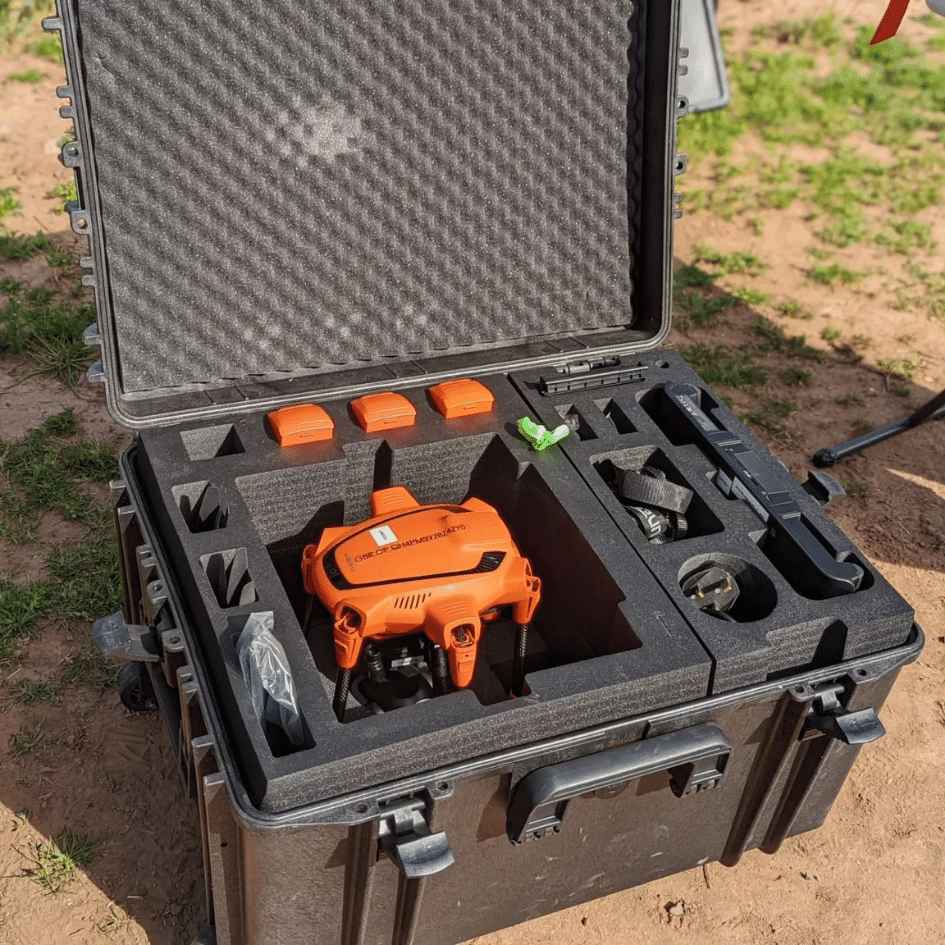
This again presents a potential drawback for achieving the highest drone photogrammetry accuracy compared to drones with mechanical shutters. It’s a robust, stable choice, particularly attractive if you need the flexibility of swapping payloads on a non-DJI RTK platform, or if the added redundancy of a hexacopter is a critical factor for your operations.
The choice involves weighing the benefits of modularity and hexacopter stability against the shorter flight time and the E90x camera’s electronic shutter.
| Feature | Specification |
|---|---|
| Camera Sensor (E90x) | 1-inch CMOS, 20 MP |
| Shutter Type (E90x) | Electronic Rolling Shutter |
| Max Flight Time | Up to 28 minutes (payload dependent) |
| RTK/PPK Capability | Yes, Integrated RTK module ; Accuracy: 1 cm + 1 ppm Horizontal / 2 cm + 1 ppm Vertical ; Supports PPK |
| Max Payload Capacity | Not specified, but supports various Yuneec payloads like E90x (~300-350g) , E10T/TvX thermal (~350g) , E30Z/Zx zoom |
| IP Rating | None specified |
| Approx. GSD @ 100m | Approx. 2.7 cm/px (Similar sensor/FOV to P4 RTK) |
| Approx. Base Price (£) | H520E RTK Drone + Controller + 2 Batteries: ~£4,100. E90x Camera: ~£1,100. Total system cost around £5,200+ |
Pros
- Hexacopter design provides enhanced stability, particularly in wind, and motor redundancy (5-rotor fail-safe capability).
- Modular, hot-swappable payload system allows for using different cameras (e.g., E90x 20MP RGB, E10T/TvX thermal, E30Z/Zx zoom) on the same airframe.
- Integrated RTK module ensures high-precision positioning for accurate mapping.
- Supports PPK workflows for post-processing accuracy.
- Reported good performance in windy conditions.
- Includes the ST16E controller with a built-in 7-inch screen.
- Provides a robust RTK platform alternative outside the DJI ecosystem.
Cons
- The primary high-resolution mapping camera (E90/E90x) utilizes an electronic rolling shutter, which can introduce distortions and potentially limit accuracy compared to mechanical shutter systems.
- Maximum flight time (up to 28 minutes) is shorter than many quadcopter competitors.
- Larger and less portable than foldable quadcopters like the M3E or EVO II RTK.
- Available payload options, while modular, might not match the highest-end capabilities of DJI’s Zenmuse line (e.g., no full-frame sensor equivalent to the P1).
- May have a smaller user community and less third-party software/accessory support compared to DJI platforms.
WingtraOne GEN II: Best Drone for Long Range Photogrammetry Mapping
WingtraOne GEN II | Best Long Range Photogrammetry Drone
- Your primary work involves regularly photogrammetry mapping very large areas (e.g., 200+ acres / 100+ hectares) where its coverage efficiency offers significant ROI.
- You frequently undertake long linear corridor mapping projects (roads, pipelines, railways).
- Maximizing flight endurance and area covered per flight are your absolute top priorities.
- You need the flexibility of VTOL for launch/landing combined
The WingtraOne GEN II is in a class of its own. It’s a Vertical Take-Off and Landing (VTOL) fixed-wing drone, meaning it takes off and lands straight up and down like a multirotor but flies long distances efficiently like an airplane. This hybrid design is brilliant for mapping. You get the operational ease of not needing a runway , which is a major limitation for traditional fixed-wings, combined with incredible endurance and speed.
This thing is built specifically for large-scale surveying and photogrammetry mapping, and it absolutely excels at it. Corridor mapping projects like roads, railways, or pipelines are its bread and butter , and it can cover hundreds of hectares in a single flight. It carries high-quality payloads, including options like a 61MP full-frame Sony sensor or even LiDAR , and uses Post-Processed Kinematic (PPK) positioning for high accuracy without relying on a constant real-time data link.
This preference for PPK makes sense for the long-range flights it’s designed for, where maintaining a constant RTK link could be challenging. It’s a serious investment, easily matching or exceeding a fully kitted Matrice 350/P1 system, and it’s purely a mapping tool – you can’t use it for close inspections or tasks requiring hovering.
But if your core business is efficiently photogrammetry mapping vast areas or long corridors, the WingtraOne’s performance is hard to beat. Its specialization is its strength; it does one job (large-scale mapping) extremely well, but lacks the versatility of a multirotor.
| Feature | Specification |
|---|---|
| Camera Sensor (MAP61) | 61 MP, Full-Frame RGB |
| Shutter Type | Mechanical Shutter |
| Max Flight Time | Up to 59 minutes |
| RTK/PPK Capability | Yes, Integrated PPK standard ; Accuracy: Down to 2 cm Horizontal / 4 cm Vertical (with MAP61, no GCPs) |
| Max Payload Capacity | 800 g (Payloads are integrated systems like MAP61, RGB61, LiDAR) |
| IP Rating | IP54 |
| Approx. GSD @ 100m | Approx. 2.2 cm/px (Calculated from 2.7 cm/px @ 120m spec ) |
| Approx. Base Price (£) | High (Typically quote-based, likely £20,000 – £30,000+ for a full mapping system). |
Pros
- Unmatched mapping efficiency and coverage due to fixed-wing flight (e.g., 460 ha @ 2.7 cm/px GSD with MAP61)
- VTOL capability enables takeoff and landing in confined areas (2m x 2m minimum) without needing a runway.
- Offers very high-resolution payload options, including 61MP full-frame RGB sensors (MAP61, RGB61) and a LiDAR option.
- Excellent flight endurance (up to 59 minutes) maximizes coverage per flight.
- High-accuracy PPK system achieves centimeter-level results without GCPs and is robust against signal loss.
- Good wind resistance suitable for various conditions.
- Specialized flight planning features like corridor mapping enhance efficiency for linear projects.
- IP54 rating provides some weather resistance.
Cons
- Very high initial investment cost.
- Highly specialized for mapping; cannot hover, perform close-up inspections, or carry diverse third-party payloads.
- Fixed-wing flight requires more open space for the transition phase and flight operations compared to multirotors.
- May have a steeper learning curve for pilots accustomed only to multirotors.
- Payloads are proprietary to the Wingtra system.
Factors for Choosing the Right Photogrammetry Drone
I’ve learned there are several key factors that determine which drones perform best for photogrammetry surveys.
Maximize Flight Time & Range
First and foremost is flight time – you need ample battery life to cover the required area efficiently. I always opt for drones that can fly for at least 30 minutes per battery.
Drones transmission range is also critical, allowing you to survey larger sites without loss of signal.
Prioritize Camera Quality
Of course, you need a high resolution camera with a wide dynamic range and a quality lens to capture crisp, accurately-exposed aerial imagery.
I insist on at least a 1-inch CMOS sensor and a lens with a wide field of view.
Select Global Shutter Cameras
Global shutter cameras are preferred for photogrammetry because they capture the entire image simultaneously. This avoids distortion caused by rolling shutter cameras that capture images line-by-line.
Rolling shutter can skew fast moving objects.
Drones Equipped with RTK Modules
RTK modules provide centimeter-level GPS positioning vital for precision photogrammetry. RTK corrects location data in real-time during flight for accurately geotagged images.
Majority of customers are going to want to photogrammetry model to at-least centimetre accuracy
Confirm Software Compatibility
Indepth Factors for Choosing the Right Photogrammetry Drone
There are several important factors to consider when selecting the best drone for photogrammetry.
Making the right choice can mean the difference between a successful project and a costly mistake, from the flight time of the drone to the quality of the image data to the type of sensor required for accurate photogrammetry.
Flight Time
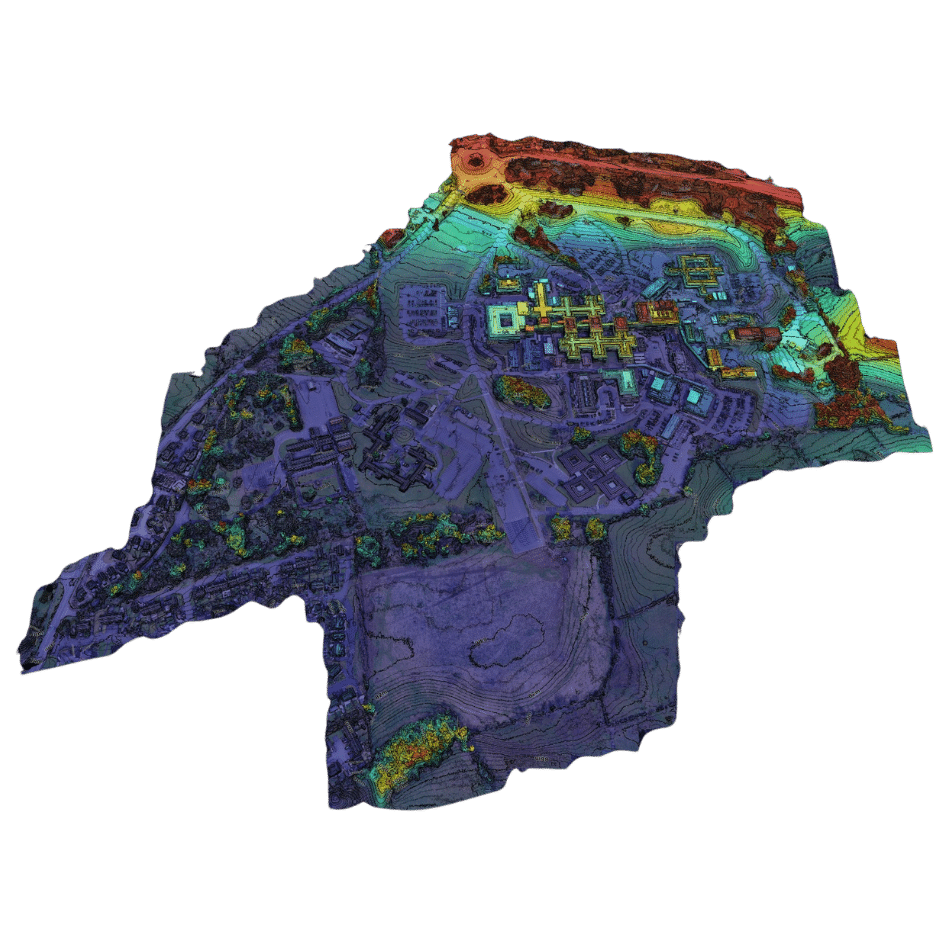
Flight time is an important factor to consider when selecting the best drone for photogrammetry. It refers to how long a drone can fly on a single charge of its battery. Flight time is critical for photogrammetry because it directly affects a drone’s ability to capture high-quality aerial data.
Longer flight times enable larger survey areas to be covered in a single flight, increasing the drone’s overall productivity. Shorter flight times, on the other hand, can limit the amount of data that can be collected and make the process more time-consuming.
When choosing a drone for photogrammetry, make sure that the flight time is adequate for your needs and that multiple battery options are available for longer surveys.
Transmission Range
Transmission range refers to the maximum distance that the drone’s remote controller can transmit signals to the drone.
This is an important factor to consider when choosing a drone for photogrammetry, as it affects the area that the drone can cover and the amount of data that can be captured in a single flight.
If the transmission range is limited, the drone may not be able to reach the desired location or capture sufficient data, which can impact the accuracy and usefulness of the photogrammetry results.
A larger transmission range allows the drone to fly further, which can be especially useful in large or remote areas where it may be challenging to capture data using other methods.
It also provides more flexibility in terms of flight planning and reduces the risk of losing contact with the drone during the flight.
Quality of The Drone’s Camera
When considering the quality of a drone’s camera for photogrammetry, there are several key factors to take into account.
Dynamic Range
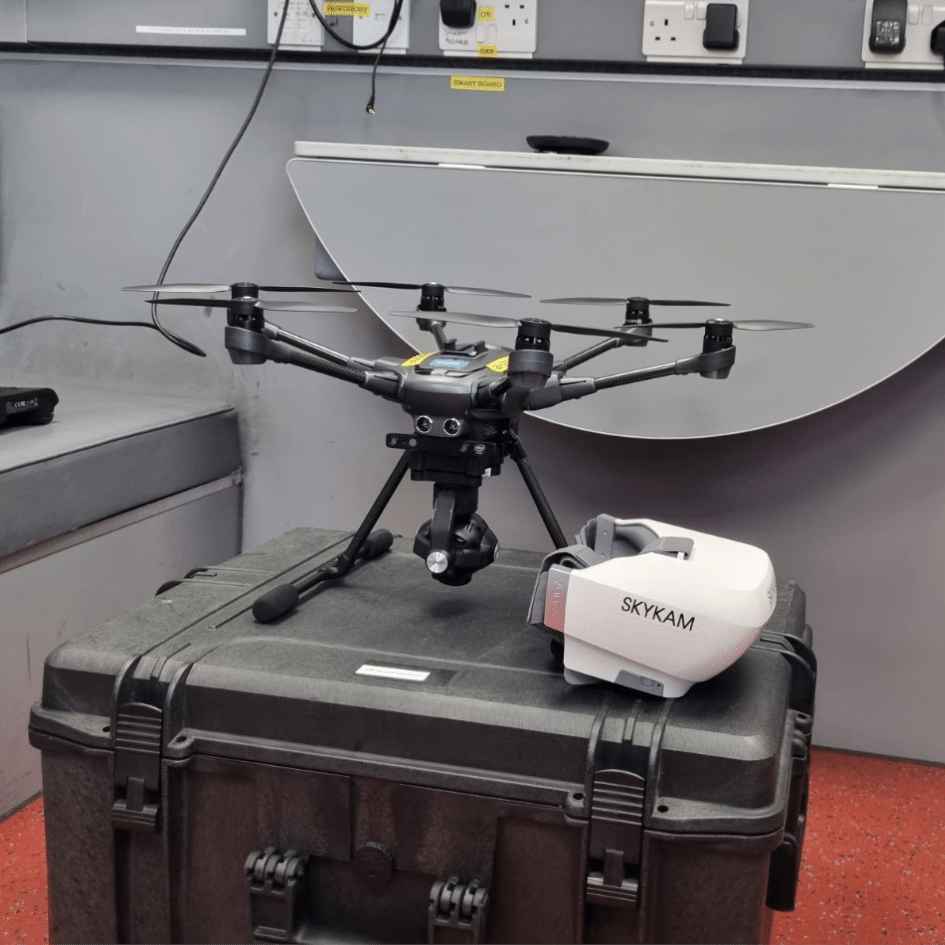
The dynamic range of a camera refers to the range of brightness levels that it can capture in a single image. The greater the dynamic range, the better the camera captures details in both bright and dark areas of the scene.
This is especially important in photogrammetry because it helps to ensure that the final images used for mapping and analysis accurately represent the real-world environment, with no areas of underexposure or overexposure that can distort the data.
A camera with a wide dynamic range can also handle varying light conditions, such as shadows and reflections, which can be difficult to capture with photogrammetry.
The ability to control exposure and focus settings is also important, as it allows for more precise and accurate imaging.
You can ensure that your photogrammetry results are accurate and useful by selecting a drone with a high-quality camera with a wide dynamic range.
Lens Quality
An ideal lens for photogrammetry should have high resolution and a wide field of view. This ensures that the images captured are clear and detailed, and that a larger area is captured in each shot.
In photogrammetry, it is important to have a lens with a high MTF to ensure accurate measurement and representation of the captured images.
MTF measures the lens’s ability to resolve fine details in an image and is expressed as a series of lines per millimeter (lp/mm).
A high MTF number indicates a lens that can produce sharp, detailed images.
Global Shutter vs. Rolling Shutter
Global Shutter and Rolling Shutter are two different types of image capture methods used in photography and videography. In photogrammetry using drones, the choice between the two will impact the quality and accuracy of the images captured for the creation of maps and 3D models.
Global Shutter captures the entire image at once, ensuring that every part of the image is captured in the same moment in time. This makes it ideal for photogrammetry, as it minimizes distortion caused by motion or fast-moving objects.
Rolling Shutter, on the other hand, captures images line by line, meaning that different parts of the image are captured at slightly different moments in time.
This can cause distortion when capturing fast-moving objects or in situations where the drone is moving quickly, as the image can appear “skewed.”
It is recommended to use a camera with a Global Shutter instead of an electronic shutter for the best accuracy and results. Most consumer drones come with an Electronic Shutter.
Aperture
A lens with a large aperture, usually represented by a low f-number, allows more light to enter the camera.
This means that a large aperture lens will produce brighter images in low-light conditions, which is important for photogrammetry purposes.
Additionally, a large aperture lens will provide a shallower depth of field, making it easier to create detailed images with a sharp subject and blurred background.
This is particularly useful in photogrammetry, where it is important to capture a clear and detailed image of the subject for accurate measurements and analysis.
Some of the best camera lenses for drone mapping are those that are specifically designed for aerial mapping, as they provide the sharpness, resolution, and detail required for photogrammetric processing.
Photogrammetry Accuracy
Photogrammetry accuracy is important in drone photogrammetry because it determines the level of detail and precision of the aerial data captured by the drone.
The accuracy of photogrammetry is measured in terms of ground sample distance (GSD), which is the distance between two pixels in the aerial image that represents a specific point on the ground.
A lower GSD value indicates higher accuracy and a more detailed image.
There are several factors that affect photogrammetry accuracy, including the quality of the drone’s camera, the type of sensor used, and the flight conditions.
The camera quality impacts the image quality and resolution, while the type of sensor determines the accuracy of the data captured by the drone.
Flight conditions, such as weather, wind, and lighting, can also affect photogrammetry accuracy by altering the way that the drone captures images and data.
Photogrammetry Software Compatibility
One important factor to consider when making your purchase is software compatibility.
Your photogrammetry drone and the software you use to process, analyse and utilise the data captured by the camera, need to work together seamlessly. Otherwise, you may end up with wasted time, resources, and effort.
There is a number of drone mapping software available:
- Pix4D (£260/ month)
- Dronedeploy (£499/ month)
- Opendronemap (£FREE/ month)
- Maps Made Easy (£0-£50/ month)
- AgiSoft (£179/ month)
- Simactive (£250/ month)
- 3DF Zephyr (£149-£3,000/ month)
Not only do you need to consider your own software, but it’s also important for the drone pilot to factor in your requirements for seamless integration into clients’ existing tools and workflow.
With the right drone and software compatibility, you can ensure the accuracy and efficiency of your photogrammetry results.
RTK vs PPK
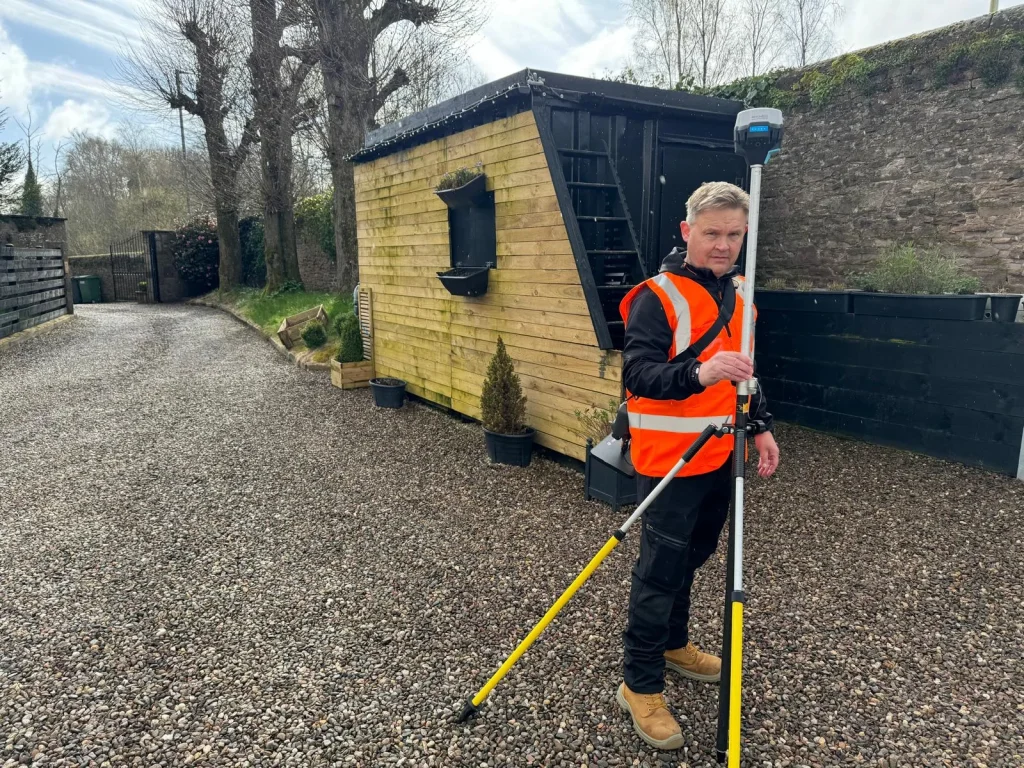
RTK (Real-Time Kinematic) and PPK (Post-Processed Kinematic) are both GPS technologies that can be used for photogrammetry purposes.
RTK provides real-time exact position information that allows for high-precision data collection in real-time, while PPK processes the data after the flight to achieve a highly accurate level of accuracy.
The choice between RTK and PPK will depend on the specific needs and requirements of the photogrammetry project.
For example, if real-time data accuracy is a priority, RTK may be the better choice, while PPK may be more suitable for larger projects that require the highest level of accuracy.
Ultimately, the choice between RTK and PPK will depend on factors such as project size, accuracy requirements, and budget.
Fixed-wing drone VS Multicopter
A key decision to make is between a fixed-wing drone and a multicopter. Fixed-wing drones have a longer flight time and are better suited for covering large areas quickly, while multi copters offer more stability and are better suited for capturing detailed images of smaller areas.
Each type of drone has its own set of benefits and limitations, so it’s important to weigh up the specific requirements of the project and choose the type of drone that will best meet those needs.
Best Photogrammetry Drone For Beginners
The DJI Phantom 4 Pro V2.0 is a great option for beginners in photogrammetry. It was first released in 2016 and since then has remained a popular choice for commercial aerial mapping.
The Phantom 4 Pro is equipped with a 1-inch 20-megapixel CMOS sensor and a mechanical shutter that eliminates rolling shutter distortion.
The drone also has obstacle avoidance, 4K video capabilities at 60 frames per second, and a range of 4.3 miles.
The Phantom 4 Pro can be paired with DJI’s Ground Station Pro software (GSPro), which is free acquisition software that offers a wide range of opportunities for mapping.
The GSPro software is considered a preferred option among professionals in the industry due to its well-tested and vetted functionality.
The Phantom 4 Pro is still considered the gold standard for cost effective consumer-level UAVs in the drone industry and is a great option for beginners looking to get into photogrammetry.
Best Commercial Grade Photogrammetry Drone
The DJI Matrice 300 RTK with Zenmuse P1 payload is the best commercial grade photogrammetry drone currently available. It features a 45 Megapixel full-frame CMOS sensor with a mechanical global shutter, making it an ideal choice for photogrammetry mapping missions.
It can map up to 3km² per flight which is 5-10x more efficient than the Phantom 4 RTK, and is capable of achieving 3 cm horizontal and 5 cm vertical accurate data without using ground control points.

The system is also equipped with TimeSync 2.0 to ensure millisecond synchronization of system data, and is compatible with the DJI DL Lens set (24mm, 35mm, 50mm). The DJI matrice comes with an RTK module for centimetre level accuracy.
It can carry multiple payloads, such as lidar (light detection and ranging) systems, multispectral cameras and high resolution camera.
As a drone service provider, it’s crucial to choose a drone that is compatible with different types of cameras to expand your services and not limit yourself to just one industry.
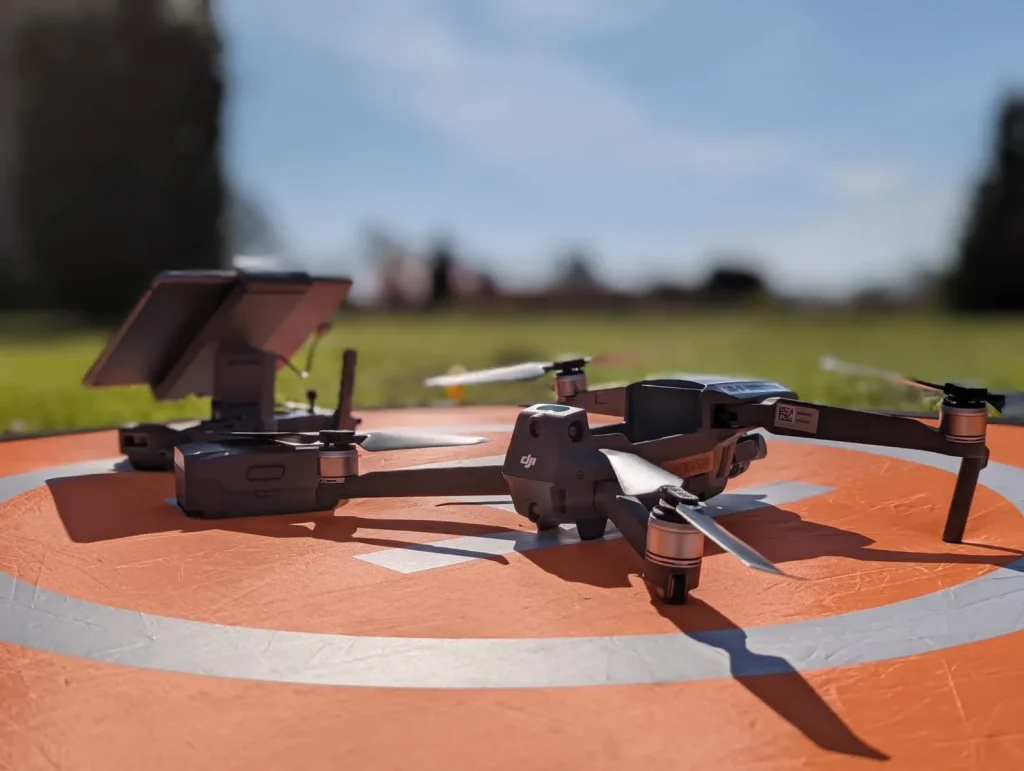
Cheapest Drone for Photogrammetry
The DJI Mavic 2 Pro is an excellent choice for anyone looking for an affordable entry-level drone for photogrammetry.
This drone has been around for a few years and is now available second-hand for just £500, making it one of the most budget-friendly options on the market.
Despite its age, the Mavic 2 Pro remains a powerful drone that can deliver high-quality images for mapping and 3D modeling purposes.
The Mavic 2 Pro is equipped with a 20-megapixel 1-inch sensor from Hasselblad, one of the most trusted names in the photography industry, which ensures that every image captured is of the highest quality.
This drone also boasts a compact design that makes it easy to transport, and its long flight time provides ample opportunities to capture images from the air.
Whether you’re just starting out with photogrammetry or are looking for an affordable option to add to your collection, the DJI Mavic 2 Pro is an excellent choice.
Its combination of affordability, image quality, and performance make it a standout option for anyone looking for a budget-friendly drone for photogrammetry.
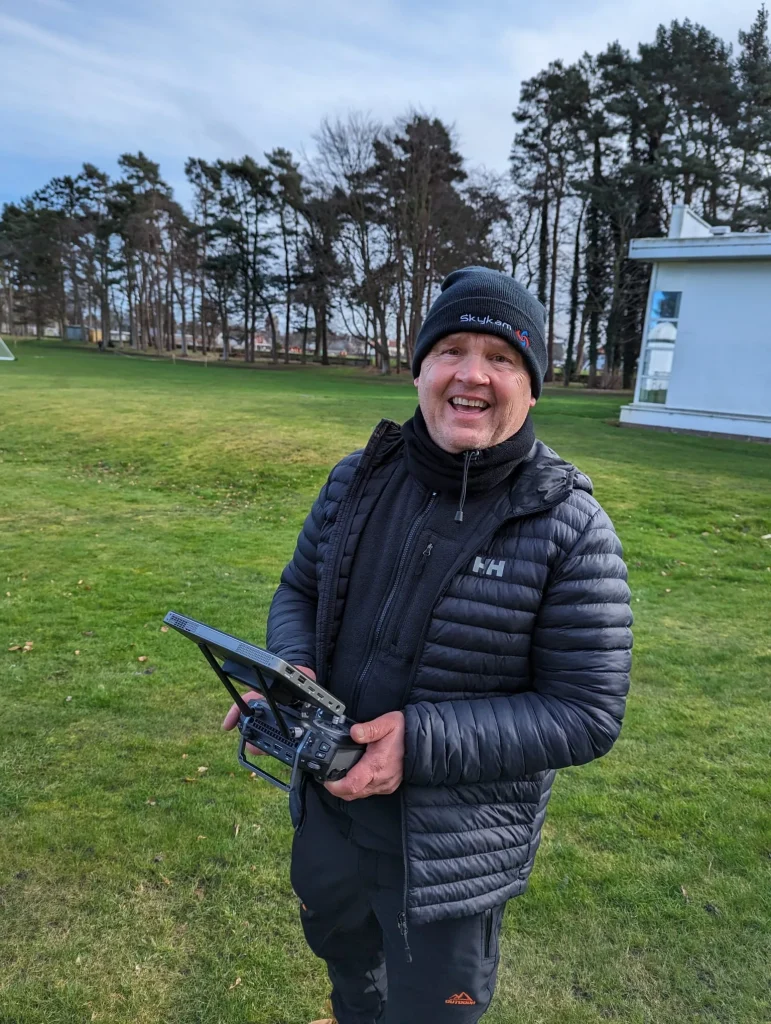
Most Expensive drones for photogrammetry
The WingtraOne is a high-end drone specifically designed for photogrammetry and mapping purposes. With a cost of around £20,000, it is one of the most expensive options on the market, but for those looking for the best in terms of accuracy and precision, the WingtraOne is a must-consider.
Featuring fixed-wing flight and robust payloads, the WingtraOne excels in drone topographic surveys, offering unparalleled accuracy and efficiency.
This drone is not the most versatile, as it cannot map structures while hovering, but for those focused on topographic surveys, the WingtraOne is the best solution.
In conclusion, if you’re looking for the best in terms of accuracy and precision for survey grade photogrammetry, the WingtraOne is an excellent choice, despite its high cost.
The initial investment may be substantial, but the speed of output and decrease in man-hours and subsequent costs make it a smart investment in the long run.
Conclusion
So, there you have it – a rundown of some of the best drones for photogrammetry from my perspective as someone who uses these tools day in, day out. As you can see, there’s no single “magic bullet” drone that’s perfect for every job. The Matrice 300/350 RTK with the P1 sensor is the king for flexibility and sheer quality on large, demanding projects, but comes with a royal price tag. The WingtraOne is an efficiency monster for covering huge tracts of land or long corridors, but it’s a specialized tool. The Mavic 3 Enterprise has brilliantly packaged high accuracy and a mechanical shutter into a portable, relatively affordable unit, making it a fantastic daily driver for many sites.
The Phantom 4 RTK remains a reliable, proven workhorse and a great value entry into RTK mapping. And the Autel EVO II RTK and Yuneec H520E RTK offer compelling non-DJI alternatives, each with unique strengths like operational freedom or modularity, though both currently rely on electronic shutters for their primary mapping cameras.
The key takeaway is always to match the tool to the task. Think critically about the accuracy you need, the typical size and nature of your projects, the conditions you fly in, your budget for the entire system (not just the drone), and any future needs like LiDAR or thermal.
The technology is constantly moving forward. We’re seeing more AI integrated into flight planning and data processing, promising smarter, more automated workflows. Battery technology continues to improve, pushing flight times longer. BVLOS operations are slowly becoming more feasible, opening up possibilities for truly large-scale mapping. And LiDAR is becoming more accessible on drone platforms, offering advantages in vegetated areas or for capturing fine details. These trends will undoubtedly shape the drones we’ll be considering in the years to come.
My final piece of advice? Do your homework. Talk to other operators if you can. Consider renting or getting a demo before committing to a large purchase. Invest in proper training, not just for flying safely and legally, but also for mastering your chosen photogrammetry software and workflows. And remember to budget for the whole system – drone, batteries, charger, base station or NTRIP, software, computer, insurance, training. It all adds up.
Ultimately, the best drone for your photogrammetry work is the one that lets you consistently, reliably, and efficiently capture the accurate data your clients need, fits your budget, and suits the way you work.
Good luck out there, and fly safe.

