

Cruise vacations offer stunning seascapes and port vistas that beg to be photographed. It’s no surprise that many travelers are eager to bring drones along to capture epic aerial footage of their ship and destinations.
But can you bring a drone on a cruise ship? The answer is more complicated than you might think.
There are widespread misconceptions, varying policies by cruise lines, and strict rules about if and where you can fly.
In this comprehensive guide, we’ll clear up the confusion and walk you through everything you need to know – from cruise line drone policies and enforcement to tips for responsible flying (if allowed at all).
We’ll cover which cruise lines permit drones (hint: only a few, and with big caveats) the do’s and don’ts of bringing one onboard, what happens if you violate the rules, and alternatives for capturing great footage.
Cruise Line Drone Policy Quick Overview
To clear up the confusion, here’s a quick-reference table of drone policies for many cruise lines, from the big players to some boutique operators. This summarizes whether you can bring a drone on board, and under what conditions. (Remember, no line allows actual drone flights on the ship — any usage is typically restricted to land/off-ship only.)
| Cruise Line | Drone Policy Summary |
|---|---|
| Royal Caribbean | Allowed to bring onboard. Drones can be brought for use on land only, outside port areas. Must be stored in your stateroom on the ship. No flying on the ship at any time. If you do, staff will confiscate the drone until the end of the cruise and issue a conduct warning (you could even be disembarked for onboard use). Not allowed at Royal Caribbean’s private islands (e.g. Perfect Day at CocoCay). |
| Celebrity Cruises | Allowed to bring onboard. Same policy as Royal Caribbean (Celebrity is owned by the same company). Drones may be used only off the ship, away from port areas. Must be stored in cabin onboard. No onboard flight permitted – violations can result in confiscation, a warning, or even early disembarkation. Guests are fully responsible for following local drone laws at ports. |
| Carnival Cruise Line | Allowed to bring onboard for port use only. Drones must be declared and entrusted to the Chief Security Officer on embarkation. The drone is held by ship security and can be checked out by you when in port (and checked back in when you return). Absolutely no use on the ship itself. Carnival’s policy explicitly lists drones under “Items for Port Use Only” and forbids flying onboard for safety reasons. |
| Norwegian Cruise Line (NCL) | Not allowed. Drones are on NCL’s list of prohibited items. Passengers are not permitted to bring drones onboard any Norwegian ship for the safety of other guests and the vessel. If found, it will be confiscated. No exceptions are advertised for port use. |
| Princess Cruises | Not allowed. Princess (a Carnival Corp brand) explicitly prohibits drones (a.k.a. UAVs or remote-controlled aerial devices) in its luggage policy. Such items will not be allowed or stored onboard with no exceptions. In other words, you cannot bring a drone at all – if found, it will be confiscated and you must arrange to store it off the ship or dispose of it before embarkation. |
| Holland America Line | Not allowed. Holland America bans drones and similar remote-controlled flying devices on all its ships. They are listed as prohibited items for safety and security reasons (just like Princess, since HAL is also under Carnival Corporation). Don’t pack one, as it will be caught in screening and held or denied. |
| Disney Cruise Line | Not allowed. Disney does not permit guests to bring drones onboard. For the safety of all guests, Disney’s policy prohibits drones and other electrical flying devices; if found in luggage, the drone will be confiscated and held (delaying your luggage delivery) and you’ll be asked to leave it at home next time. |
| MSC Cruises | Not allowed. MSC (Mediterranean Shipping Company) prohibits drones on their ships. Their security may search and confiscate any dangerous items, and MSC explicitly lists drones alongside weapons, flammables, etc., as items that will be removed and not returned. In short, you cannot bring one or it will be taken away. |
| Cunard Line | Not allowed. Cunard’s policy is very strict: “Any remotely controlled or autonomously flying devices, toys or aerial drones” are forbidden. All baggage is screened, and if you are found with a drone, security may permanently confiscate it. Cunard isn’t likely to give it back at the end, so definitely leave your drone at home for their cruises. |
| P&O Cruises | Not allowed. P&O (UK) also clearly bans “any remotely controlled or autonomously flying devices, toys or drones” as prohibited items. You will not be allowed to bring it on board at all. Expect confiscation at the port if you try. |
| Viking Cruises | Allowed to bring (with caution). Viking’s policy is a bit ambiguous – they list drones as prohibited to operate from the ship, implying you can pack a drone onboard but cannot fly it on the vessel. In practice, you should check directly with Viking before your cruise. If allowed, plan to use it only during shore excursions where legal. |
| Hurtigruten | Discouraged/Usage banned. Hurtigruten (expedition cruises) doesn’t explicitly ban bringing a drone in luggage, but they do not permit any passenger drone use during the voyage. Their concern is safety, wildlife disturbance, and privacy. Essentially, even if you brought one, you would not be allowed to launch it on or off the ship during their nature-focused expeditions. |
| Marella Cruises (TUI) | Not allowed. Marella (formerly Thomson/TUI Cruises) classifies drones as prohibited items and does not allow them onboard. They consider drones a safety risk/inconvenience and will confiscate them at boarding. |
| Fred. Olsen Cruise Lines | Not allowed. Fred Olsen prohibits drones or any type of flying object, regardless of size. If they find one in your luggage, they will hold it and return it at the end of the cruise (assuming it’s legal to return). Illegal items won’t be returned, of course, but a drone would simply be held in lock-up until you disembark. |
| Virgin Voyages | Not allowed. Virgin Voyages does not allow drones aboard their ships (which they call “Lady Ships”). Even if you plan to only fly it in port, Virgin’s official FAQ says no – they will confiscate any drones found in luggage. Some travelers report that Virgin makes no exceptions, so leave it or risk losing it for the trip. |
| Seabourn / Silversea / Regent / Oceania | Not allowed. Most luxury and boutique lines follow similar prohibitions. For example, Seabourn (Carnival’s luxury brand) lists drones as banned items in their policies, and Regent Seven Seas and Oceania (owned by Norwegian Cruise Line Holdings) adhere to parent company rules, meaning drones are not permitted onboard. These smaller luxury ships generally do not allow drones in order to maintain safety and a peaceful atmosphere. |
Table: Drone policies of various cruise lines (as of latest available info). Always double-check your cruise line’s policy before you sail, as rules can change.
As you can see, the majority of cruise lines do not allow drones to be brought onboard at all. Only a handful (Royal Caribbean, Celebrity, Carnival, Viking in certain cases) will let you pack a drone, and even those strictly forbid using them on the ship.
All lines share the stance that drone flights from the ship are prohibited for safety, no matter what
Step-by-Step Guide to Bringing a Drone on a Cruise (If Permitted)
So you’ve confirmed that your cruise line will allow you to bring your drone along for port use. To ensure everything goes smoothly, follow these steps:
1. Verify the Policy Before You Pack
Double-check your cruise line’s official policy on drones just before your trip, as rules can change. Look on their website under prohibited items or ask your travel agent.
Make sure you have documentation (like a printout or screenshot of the policy) in case the port security or ship staff seem unsure – it helps to politely show, “According to your policy, I can bring this for port use.”
For example, have Carnival’s rule or Royal Caribbean’s FAQ handy.
2. Pack Your Drone Properly
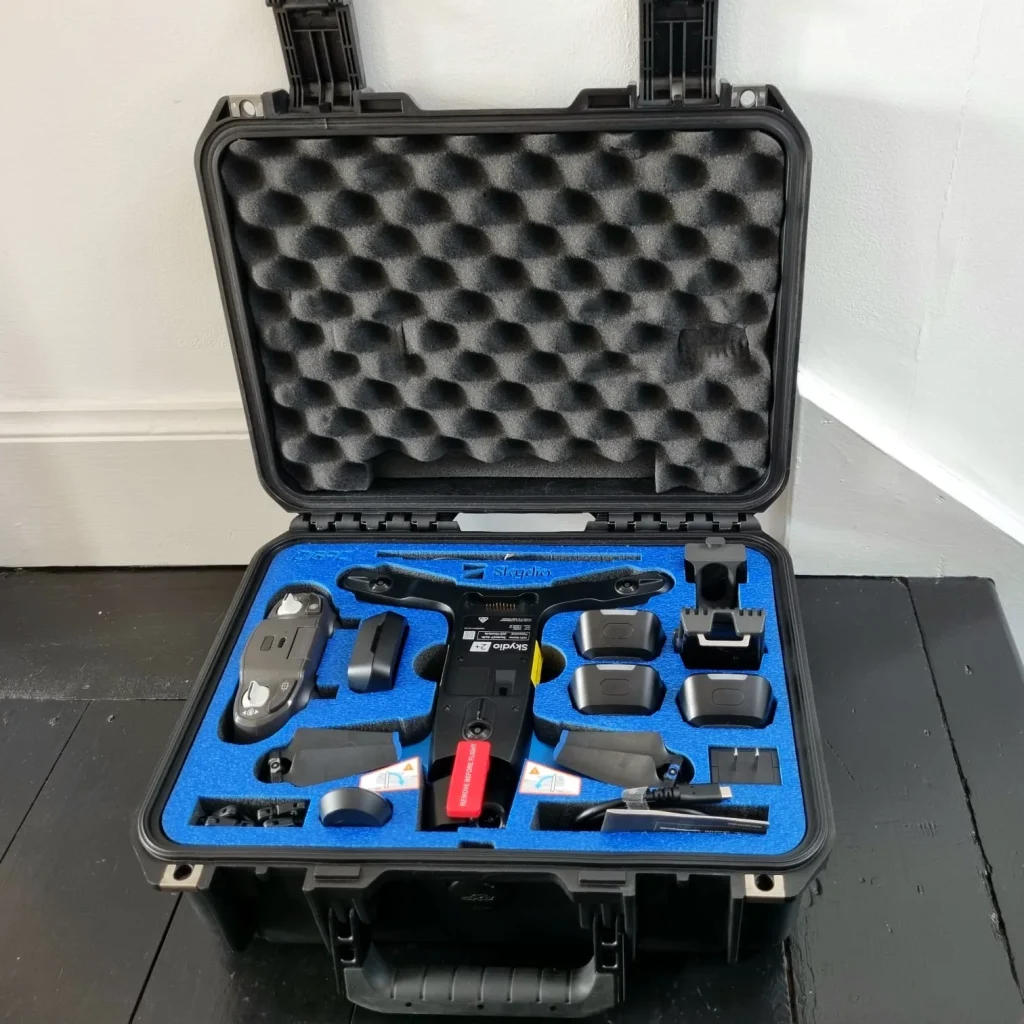
Always pack your drone in your carry-on luggage, not in checked bags. Most cruise lines and airlines require that lithium batteries be in carry-on for safety.
Remove the batteries from the drone and pack them in LiPo-safe bags if you have them. Ensure the drone is powered off and protected – a sturdy case or at least cushioning is key, as your bag may be handled roughly.
Also pack any small tools (screwdrivers, etc.) you might need for propellers, but be aware sharp objects might get noticed by security too – keep them minimal and explain if asked.
3. At Embarkation, Declare the Drone
When you arrive at port security to board, proactively declare your drone to the staff if your cruise line requires it. On Carnival, for instance, you must hand it over to the Chief Security Officer at boarding.
Approach a security officer and say you have a drone per their policy for port use, and ask where to check it in. They’ll tag it with your details and store it safely.
Even if the line doesn’t explicitly require hand-over (like Royal Caribbean lets you keep it in cabin), it’s not a bad idea to mention it at the security scan so they don’t freak out when they see it.
Honesty upfront saves time – if you try to hide it and they find it, it may arouse more suspicion than simply stating it openly.
4. Get Clarification On Usage Days
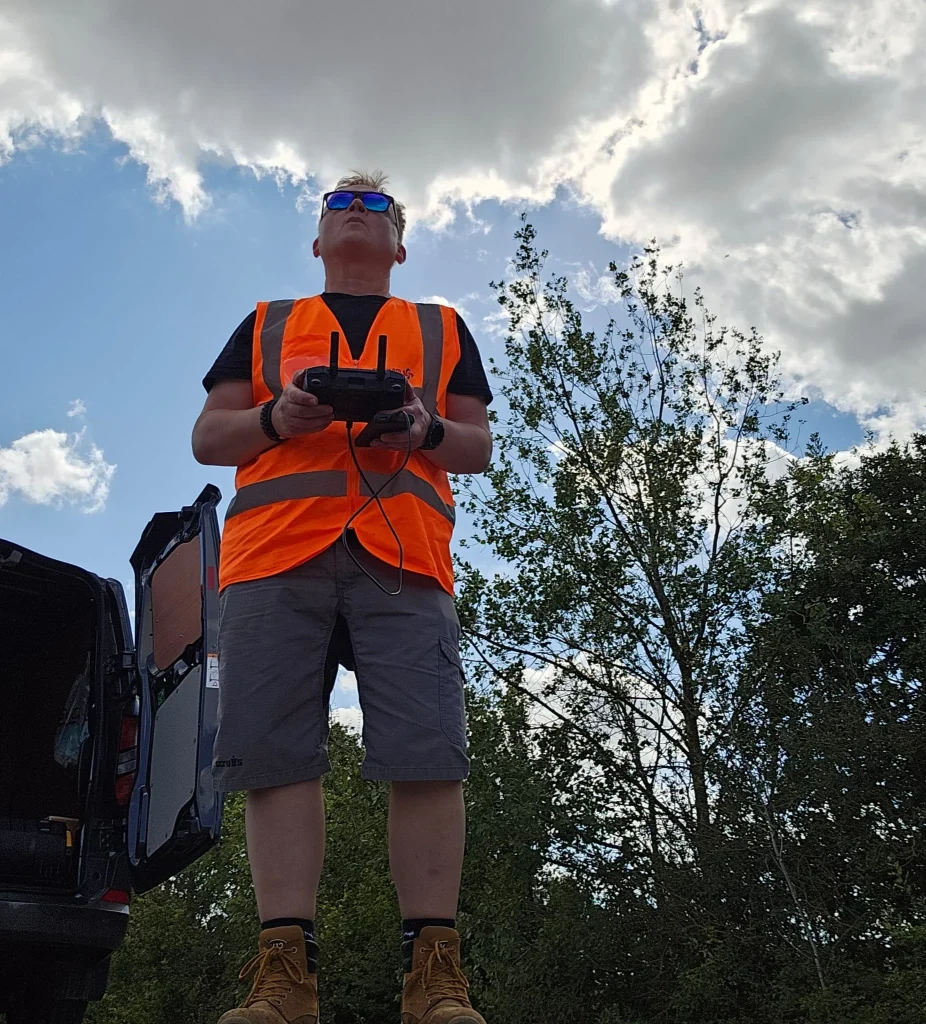
Upon boarding (or at the guest services desk early on), ask how to go about using the drone in port. Each line might have a slightly different procedure:
- For Carnival, you’ll arrange with security to check it out on port days. They might tell you to come to a specific location (often the security office or gangway) when the ship is docked to sign it out. Allow a few extra minutes before you disembark to do this paperwork.
- For Royal Caribbean/Celebrity, since you keep the drone in your stateroom, you don’t need to check it out with security each time. However, you should still only take it out off the ship and away from port property. If you want to be extra cautious, you could inform security at the gangway “I’m taking my drone out to use on shore, per policy.” They might appreciate it, and it alerts them that the drone leaving the ship is expected (so they don’t worry you’re about to launch it from the pier).
- For Other lines that allow by exception (Viking, etc.), definitely confirm the process with the ship’s staff. They may want to hold it like Carnival, or they may say “just keep it in your cabin, and don’t use onboard.” Knowing the process avoids confusion later.
5. Only Fly Off-Ship in Appropriate Areas
This is critical – when you get to a port of call, research and obey local drone laws before flying.
Don’t assume you can launch in the cruise terminal or right at the dock – many ports (especially in the Caribbean and Europe) have restrictions near the port. It’s best to walk a good distance away from the ship and any crowds.
Find an open, legally permitted area (a park, beach, or high viewpoint away from people) to take off. Use your drone responsibly (more tips on this below). Never attempt to launch from the ship’s deck or your balcony while in port – just because the ship is stationary doesn’t make it allowed.
Treat the ship as a strict no-fly zone at all times, as per the cruise rules.
6. Be Mindful of Time and Battery when Flying in Port
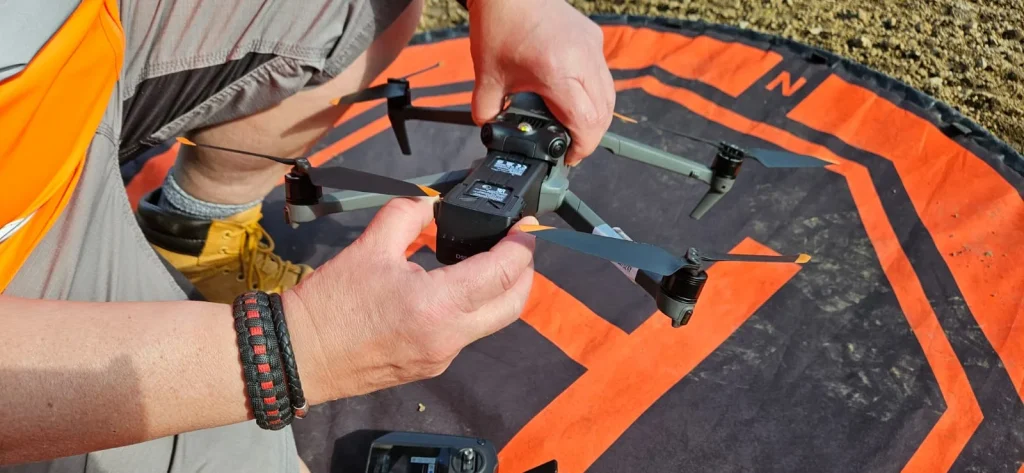
When using the drone on shore, keep an eye on the time – you don’t want to miss the all-aboard time because you were busy trying to get that perfect aerial shot!
Also be mindful of your drone’s battery; don’t push the limits over water or inaccessible areas. It’s wise to bring it back with plenty of battery to spare, as unexpected winds can reduce flight time.
Losing a drone in a foreign country or into the ocean is not only a bummer, it could also violate those environmental rules we mentioned if it falls in the water.
7. Returning to the Ship
After you’re done flying at a destination, pack your drone back in its case before you re-enter the port area or crowd. When going through port security to get back on the ship, be ready to show that your drone is powered off and secured.
If your cruise line requires checking it back in (Carnival’s does), go directly to the designated security point once onboard to turn it in. If you keep it with you (RC/Celebrity style), just go straight to your cabin and stow it safely.
Do not stop and review your footage with the drone out in a busy area on the ship; wait until you’re in your room. You don’t want someone to mistakenly think you’re about to fly indoors!
8. Repeat for Each Port (if applicable)
For multiple port stops, you’ll follow the same routine: check it out as needed, use on land responsibly, check it in after.
If you decide not to use it at a particular port, that’s fine too – it can just stay in storage or in your room.
9. Disembarkation Day
As mentioned, retrieve your drone from security if it was being held. Do this early on the final morning if possible, to avoid the rush. Have your ID and cabin number info. Once you have it back, pack it in your carry-off bag carefully so it’s safe during travel home.
Following these steps will help ensure that if you do bring a drone, you won’t run afoul of the rules and you’ll actually get to use it where it’s allowed. It might seem like a lot of procedure, but it’s worth it if capturing aerial footage legally is a priority for you.
Avoid these General Misconceptions and Confusion About Drones on Cruises
It’s easy to see why there’s confusion around bringing drones on cruises.
One common misconception is that because drones are popular travel gadgets, cruise lines must allow them just like cameras or laptops. In reality, most major cruise lines ban passengers from using drones on the ship outright and many even forbid bringing them onboard at all.
Travelers often hear mixed anecdotes – for example, someone might boast about flying a drone from a ship’s deck (which is against the rules) or mention that “X cruise line didn’t say anything about my drone.”
Such stories spread on forums and social media, leading others to think it’s generally okay to pack a drone.
Another source of confusion is the difference between bringing a drone versus flying a drone on a cruise. Some lines will let you carry a drone in your luggage for use in port, but none of them allow you to actually fly it while on the ship at sea.
This nuance causes misunderstandings – a traveler might hear “Oh, Carnival allows drones” and assume they can launch it from the sun deck, which is false. In reality, Carnival only lets you bring a drone to use off the ship at port and otherwise holds it in custody.
There’s also confusion because policies have changed over time.
A few years ago, some cruise lines were silent on drones, and passengers occasionally snuck them onboard. Today, cruise lines have very explicit rules. For instance, at the time of writing, only three of the eight largest cruise companies permit passengers to even bring drones onboard (and only for off-ship use).
If you’re basing your plans on outdated information or someone else’s experience, you could be in for a surprise at the port security checkpoint.
Bottom line: Don’t assume you can freely bring or use a drone on a cruise just because you’ve seen cool YouTube videos or heard a friend’s story. The rules are actually quite strict and vary by cruise line. Next, we’ll look at why these policies exist and why they differ across companies.
Why Do Cruise Lines Ban Onboard Drone Use?
If you’re wondering why you can’t just sneak up to the top deck and quickly launch your drone for a sunset shot, consider the cruise lines’ perspective. The primary reasons given for banning drone use onboard are safety and security:
Risk of Injury or Damage
A drone buzzing over a crowded pool deck could crash into passengers, or slam into the ship’s structure (antennas, funnels, lifeboats) causing damage.
Cruise lines have cited fears of drones “crashing into a guest or damaging the ship” as justification for the ban. Even a small drone with spinning rotors can hurt someone if it malfunctions or a gust of sea wind knocks it off course.
Privacy and Nuisance
Nobody on vacation wants a drone hovering over them while they sunbathe or dine on deck. Cruise ships are essentially private property with thousands of guests, so privacy is a concern.
Lines worry that one guest’s drone could become an annoyance or invade the privacy of others (imagine a drone filming people on their balconies without consent). It’s simpler to forbid flying entirely rather than police “polite” usage.
Security and Regulatory Issues
Cruise ships have strict security zones, especially around the bridge (navigation center) and restricted areas. A drone could potentially be seen as a security threat – in fact, some port authorities and maritime regulations treat unauthorized drones as potential hazards.
There are even marine radio frequency regulations that drones might violate, according to some experts. Rather than navigate complex regulations (which could vary by country or port), cruise lines just say “no drones onboard.”
Wildlife and Environment
Particularly on nature-focused cruises (like Alaska or Galápagos), drones could disturb wildlife. Even at sea, seabirds might be attracted or disturbed by a drone.
The environmental aspect also comes into play: if a drone falls overboard, it becomes litter in the ocean. Carnival noted that a drone lost at sea would violate international maritime pollution laws and their own environmental rules.
No cruise line wants to be responsible for that.
Guest Compliance and Experience
Lastly, from a practical standpoint, if they allowed drones onboard for use, they’d have to enforce a lot of rules (where can you fly? only at certain times? altitude limits? etc.).
That’s a headache for crew and staff, and if someone misbehaves, it could ruin the cruise for others. By banning use, the policy is clear and easier to enforce. Some lines feel it’s not worth the risk to the overall guest experience to allow even one person flying a drone on deck, hence the hardline rules.
All these reasons explain why even the most permissive lines only allow drones for off-ship use. No guest-operated drones are allowed to take off from or land on the ship itself on any major cruise line
Deep Dive: Cruise Line Drone Policies Explained

Royal Caribbean & Celebrity Cruises
These lines are a bit more drone-friendly in principle. Royal Caribbean explicitly states guests may bring drones to use on land outside the port area. While the ship is sailing or docked, your drone must stay in your cabin. Flying it from the ship or at their private destinations (like CocoCay or Labadee) is forbidden.
If you violate this and try to fly onboard, crew will confiscate your drone until the cruise is over, issue you a formal warning under the Guest Conduct Policy, and potentially even kick you off at the next port (at your own expense). Celebrity, owned by the same parent company, has identical rules – bring it for land use only, no flying on the ship, or face confiscation and possible disembarkation.
Both lines also remind guests that you’re responsible for following local drone laws and that they take no responsibility if authorities confiscate your drone or if you cause an incident on shore.

Carnival Cruise Line
Carnival’s policy is slightly different in that they will hold your drone for you during the cruise. Carnival allows drones in your luggage only if you hand it over to the Chief Security Officer when you board.
They log it, keep it in a secure area, and then you can request it when the ship is in port so you can take it ashore. Once you return, you check it back in.
You are never allowed to operate it on the ship. Carnival’s brand ambassador (John Heald) publicly explained that for safety reasons – not risking a crash into guests or the ship – they “cannot allow people to be flying drones over the ship.”
So, Carnival tries to accommodate drone enthusiasts by letting you use it off-ship in port if local laws allow, but they manage possession of it the whole time. If you forget to declare a drone and security finds it in the X-ray, expect to be pulled aside and your drone taken until disembarkation (some passengers have learned this the hard way). It’s always best to voluntarily declare it at boarding to avoid any trouble.

Norwegian Cruise Line (and affiliates Regent & Oceania)
NCL takes a hard no-drone stance. Their published FAQ bluntly says “Guests are not permitted to bring drones onboard for safety”, lumping drones in with hoverboards and other gadgets they ban. If you show up with one, NCL security will confiscate it at the checkpoint.
There’s anecdotal evidence that if you insist, they might arrange to hold it for you until the end of the cruise (similar to Carnival’s hold policy), but officially they don’t encourage this. NCL’s luxury sister lines (Regent Seven Seas Cruises and Oceania Cruises) follow the same approach – on their websites and cruise documents, drones are on the list of prohibited items, period. These lines don’t offer an official “port use” exception to guests.
Princess Cruises, Holland America, Cunard (Carnival Corp family)
These lines all prohibit bringing drones. They often use very strict wording. For example, Princess says no drones or remote-controlled aerial devices are allowed and there are “no exceptions” – you as the guest are responsible for storing it ashore or disposing of it before embarkation if you somehow brought one.
Cunard warns that if they find a drone in your bag, it “may be permanently confiscated”, not just held for later. Holland America similarly lists drones as not allowed at all.
So for any of these lines, you should absolutely leave the drone at home, or you risk losing it forever or having to scramble last-minute to send it back with someone.

MSC Cruises
MSC, a major European line, has a clear ban as well. They explicitly include drones in examples of dangerous items alongside firearms and explosives (that tells you how seriously they take it).
MSC states confiscated dangerous items “will be confiscated and not returned”.
It’s unclear if they’d truly keep a guest’s expensive drone forever, but the policy suggests they might. It’s not worth testing – if you bring one, you likely won’t touch it again until you’re home (if returned).

Disney Cruise Line
Disney’s family-oriented ships also say no to drones. They frame it as part of their ban on electrical appliances or devices that could pose a hazard.
If they find a drone in your suitcase, they’ll pull it and hold it until you disembark, which might also delay your luggage delivery on embarkation day. Disney urges guests to “please leave these items at home” – good advice if you’re sailing with Mickey.

Smaller and Boutique Lines (Viking, Hurtigruten, Virgin, etc.)
Viking’s ocean and river cruises have a unique wording – drones are not allowed to be operated from the ship. This implies you can pack one (since they mention it in the context of operation), but you cannot use it onboard. In practice, many guests interpret this as Viking allowing drones in luggage for use on land, similar to Royal Caribbean’s rule.
However, because Viking’s policy is a bit vague, it’s wise to double-check with them ahead of time. Hurtigruten (known for expedition cruises in polar regions) doesn’t explicitly ban the drone hardware, but they ban all usage during the voyage – given their expeditions focus on wildlife and remote areas, they likely would confiscate or ask you not to bring one to avoid any temptation to launch and disturb the environment.
Virgin Voyages, a newer line, outright does not allow drones at all, aligning with the majority. Other luxury boutique lines like Seabourn, Silversea, and Azamara all generally forbid drones as well (often buried in a prohibited items list or FAQ). They prefer to maintain a refined atmosphere without buzzing gadgets, and they follow the safety-first mentality.
In summary, if your cruise line isn’t explicitly listed as allowing drones (with restrictions), assume they are banned. Only a few lines welcome you bringing one, and even then it comes with homework for you (local laws) and the absolute rule that it stays grounded while the ship is in motion or in port.
Enforcement and Confiscation: How Cruise Lines Police Drone Rules
How will the cruise line know if I packed a drone? You might be thinking of tucking it in your suitcase and hoping for the best. Be aware that cruise lines have airport-style security screening for all luggage and carry-ons at boarding.
Here’s how enforcement typically works:
Baggage X-Rays and Inspections
When you arrive at the port and your bags go through security (both checked luggage and carry-on), the scanners will easily spot a drone (they look like obvious mechanical devices with batteries). If the line bans drones, security will flag it.
Depending on the line, either you’ll be asked to surrender it on the spot or they might pull your bag aside for you to open. For lines like Princess, Disney, NCL, etc., expect them to take the drone and associated parts (controller, batteries) immediately and tag them to be held until the end of the cruise.
On Carnival, if you hadn’t declared your drone yet, this is the point where they’ll inform you of the policy and take it to the Chief Security Officer’s custody. Trying to sneak it through is not advisable; you won’t get past the X-ray, and it just creates an awkward situation.
Embarkation Confiscation
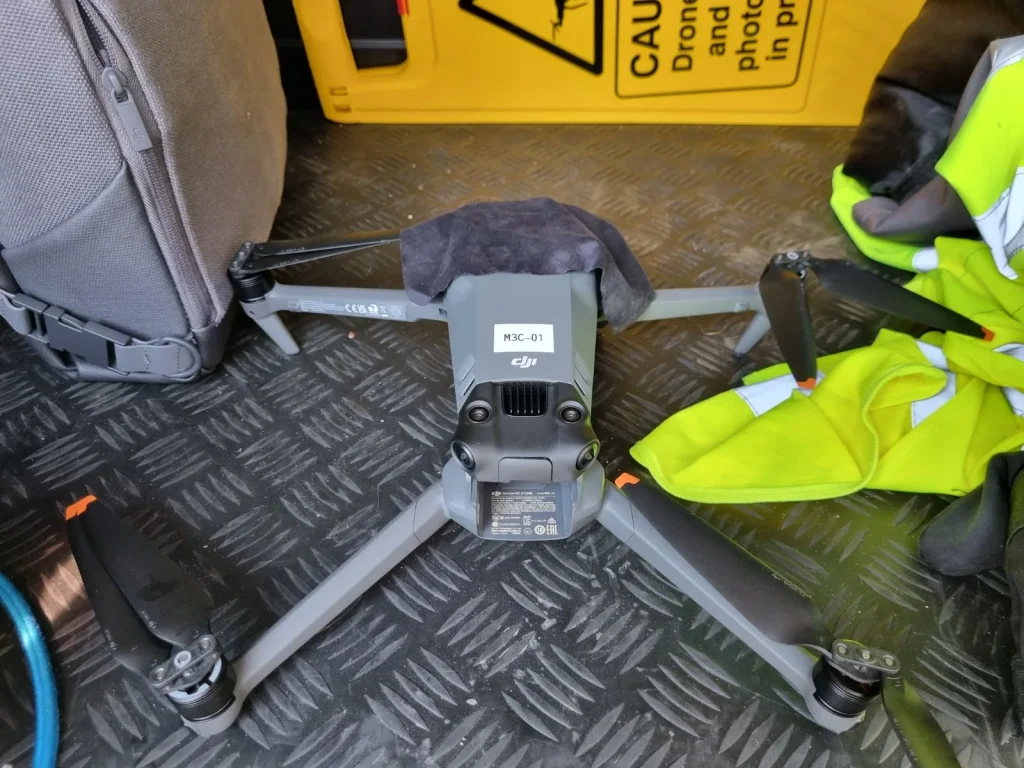
If a drone is found in a no-drone line, typically they will confiscate it and give you a receipt or note so you can reclaim it later (or they might simply hold it without one, logging it in their system against your cabin). Some lines might allow a last-minute alternative, like taking it back to your car (if you’re local and drove to port) or surrendering it to someone not boarding, but that’s often not practical.
Generally, they’ll keep it safe until you disembark.
Remember Cunard’s warning that prohibited items “may be permanently confiscated” – while most lines do return items, they reserve that right. Don’t risk a beloved drone on the assumption you’ll get it back.
Onboard Monitoring
Let’s say you are on a cruise line that allowed you to bring the drone (RC, Carnival, etc.). You’ve followed the rules so far. The next enforcement point is during the cruise itself. Security staff and cameras are plentiful on a ship.
If you attempt to launch your drone on the ship, even just over your balcony or on a quiet deck, someone will notice – either other passengers (who may report it) or crew who see it or catch you on CCTV.
The response will be swift: security will confiscate the drone. Royal Caribbean’s policy states “Drones used on the ship will be confiscated until the end of the cruise” and you’ll get a misconduct warning. Carnival also will not return a drone to you if you were caught using it onboard in violation of the rules (and they might add additional consequences since you broke their safety policy).
Essentially, the moment you hit that takeoff button on the ship, consider your drone gone for the remainder of the trip.
Port Checks
What about using it off the ship? If you’re on an allowed line and you take the drone out at a port of call, note that port security in some countries might also screen you and your bags when returning to the ship.
They will see the drone as you bring it back in.
Since the cruise line already knows you have it (you declared it or they tagged it), this is usually fine – they’ll just ensure you hand it back to ship security (Carnival’s check-in procedure, for example).
But if you were on a line that wasn’t supposed to allow it at all and somehow you got it off and on at a port, you could get caught in a random bag check by port security and then ship security will definitely take it then. Also, many ports themselves ban drone flights in the port area (even outside the ship), so local authorities could stop you if you try to launch near the ship or in restricted zones.
Always move away from port facilities (and crowds) before flying, and ensure it’s legal (more on that in a bit).
Disembarkation
When your cruise is over, you can retrieve any confiscated drone from security. Typically, the night before or morning of disembarkation, announcements or instruction sheets will remind guests with checked items (like alcohol or electronics held by security) to pick them up at a specific location.
Bring your ID and receipt if provided. Be patient – often a staff member will individually return items to guests one by one. Make sure you don’t leave without it!
In almost all cases, you will get your drone back as you exit the ship, provided it was a legal item just against policy. (If for some reason a drone was considered contraband or evidence in an incident, that’s different, but such cases are extremely rare.)
In practice, most travelers who accidentally violate the policy just end up with the drone confiscated until end of cruise, a stern lecture from security, and maybe a warning note. It’s not common to hear about people being kicked off solely for a drone – because most people don’t attempt to fly them onboard given the clear rules.
But the key takeaway is: the policies are actively enforced. Don’t expect to “get away with it” – assume that if you have a drone in a no-drone situation, it will be discovered, and if you fly when you shouldn’t, you will be stopped.
Next up, if your cruise line does allow drones (or you’re determined to bring one), how do you go about it the right way? Let’s walk through that.
Risks and Consequences of Bringing a Drone on a Cruise
Bringing a drone on your cruise, even if allowed, comes with certain risks and potential consequences. It’s important to be aware of them so you can decide if it’s worth it and proceed cautiously:
Confiscation of Your Drone
As discussed, if you violate cruise policies, the ship’s security will confiscate your drone. If it was outright not allowed and you brought it anyway, you’ll lose access to it for the whole trip (and maybe permanently in a worst-case scenario).
If you used it irresponsibly on an allowed cruise, same result – it’s taken until voyage end. This means you lugged it along for nothing and might stress the rest of the cruise about getting it back. There’s always a small risk of damage or loss when items are confiscated (though rare, it could happen).
Fines or Legal Trouble in Port
Different countries have different penalties for breaking drone laws. This can range from fines (which could be hundreds or thousands of dollars) to even temporary detainment by police if you did something very against the law (like flying in a restricted zone). For example, flying a drone in certain countries without a permit can incur on-the-spot fines. In extreme cases, customs officers might impound the drone.
The cruise line will not intervene on your behalf if you get into legal trouble on shore for drone usage. You’re on your own, and you might even have to abandon the cruise if authorities don’t let you go in time.
Liability for Damage or Injury
If your drone malfunctions or you make an error and it hits someone or something, you are liable. On a cruise, if (hypothetically) you flew it and it hit a guest on the ship, you could face serious personal liability for injury.
Even on land, if it injures a bystander or damages property (say, crashing through a window or hitting a parked car or boat), you would be responsible. Some countries might treat it as a criminal negligence matter, others just civil damages – either way, it’s a vacation nightmare. Make sure you have insurance for your drone if you’re flying in public, and always fly very carefully to avoid this risk.
Violation of Cruise Contract
When you purchase a cruise, you agree to a ticket contract that includes following all rules and not endangering the ship or others. If you break the rules (like the drone policy), you could technically be considered in breach of contract. Carnival, for instance, ties the no-drone rule into their passenger conduct and environmental compliance clauses.
Violating these could result in you being disembarked and/or banned from the cruise line on future trips. It’s rare, but it’s a stated consequence.
So the risk isn’t just this trip – it could affect your ability to cruise with that company again if you were deemed a serious offender.
Environmental Impact – Loss of Drone
If your drone goes into the sea (which can happen due to a strong gust, bird strike, pilot error, etc.), not only is it gone and your investment with it, but you’ve also created electronic waste in the ocean. Cruise lines take environmental rules seriously; as mentioned, throwing or losing objects overboard is against international maritime law.
While they likely won’t prosecute a guest for an accidental drone loss, it certainly would be embarrassing and could get you a stern talking-to. Plus, it’s not great for the environment or the image of drone hobbyists.
The risk of loss over water is significant anytime you fly near the ocean – many pilots have seen their drones do a “water landing” never to be recovered.
The Hassle Factor
On a less dramatic note, consider the personal risk of hassle and stress.
Bringing a drone means you have an extra bag or case, you have to worry about charging batteries, you might stress about security each time, and you have to constantly be mindful of rules. This mental overhead can detract from the carefree vacation vibe.
If anything goes wrong (like you forget to check it in and security calls you, or you have a close call flying), it can create anxiety. Some travelers ultimately feel it wasn’t worth the trouble – as one cruiser quipped after going through the process, they might “just go get an action camera” next time instead, since the stress of drones wasn’t worth it.
No Usage if Plans Change
Another risk is that you end up carrying the drone and never using it. Weather could be bad at every port (windy or rainy, grounding your drone).
Or perhaps the local authorities in each stop have restrictions you didn’t anticipate (e.g., suddenly there’s a temporary ban due to an event, or you need a permit you couldn’t get in time). Or maybe the ship changes itinerary (it happens) and goes to alternate ports where you don’t have permission.
In these cases, you lugged the drone for nothing – aside from maybe some cool table display in your cabin. It’s a risk to consider: if you won’t have at least one sure-thing opportunity to fly, you may decide it’s not worth bringing at all.
Despite these risks, many people still choose to bring drones and often have successful experiences. The key is to mitigate risks by obeying rules, being prepared, and having a backup plan. In the next section, we’ll discuss some alternatives to drones for capturing memories – which might be appealing if the above sounds too daunting.
Real-Life Experiences and Case Studies
Hearing about others’ experiences can help set expectations for bringing a drone on a cruise. Here are a few real-world anecdotes – some successful, some cautionary:
Successful Port Flight – Caribbean Cruise
One cruiser on a Royal Caribbean ship brought his DJI drone (with the line’s permission) and waited for an ideal moment at a quiet beach in St. Maarten. He launched from the sand and captured stunning footage of his ship anchored offshore, framed by blue water and green hills.
He noted that he flew early in the morning when hardly anyone was around, and the local authorities didn’t mind since he was outside the port itself.
He followed all the rules – didn’t fly over people, kept line of sight, and landed as soon as a few beachgoers started to arrive. The result was a gorgeous video that became a cherished memory. He shared that the key was doing homework on the local laws (St. Maarten allows drones recreationally in most areas) and being very respectful of timing and people.
This positive case shows it’s definitely possible to use your drone and get great shots if you plan it right.
Close Call with Confiscation – Carnival Cruiser
A traveler on Carnival tried to do things by the book but learned a lesson. On embarkation day, he packed his drone in carry-on but did not declare it, thinking he could just keep it in his stateroom and only use it off-ship. Security spotted it on the x-ray and immediately pulled him aside.
As he described it, “You would have thought I had Scarface-level contraband” by how fast security descended on him. They confiscated the drone and batteries on the spot despite his protests that he only wanted to use it at ports. He didn’t get it back until the morning of disembarkation, effectively missing any chance to use it.
He later learned Carnival required declaration and likely would have held it for port use if he had checked it in properly. His takeaway posted online was that the paperwork and advance permissions needed (especially if traveling internationally with a drone) made it more trouble than it was worth.
This case underlines: know the procedure and always declare when required, or you risk a total confiscation for the whole cruise.
Attempt to Fly Onboard – Don’t Try This
There are a few stories floating around about people who foolishly attempted to launch a drone from the ship. One rumor (perhaps apocryphal, but often mentioned) is of a passenger who launched a drone from their balcony during a sailaway party to film the scene.
Within moments, ship security and officers were alerted. Not only was the drone promptly taken when it returned to the balcony, but the passenger was confined to their cabin for the rest of that day and given a formal warning. In some versions of the story, the person was put off at the next port; in others, they were allowed to stay after apologizing, but the drone was kept by the captain until the end.
Whether or not these specific tales are true, they align with the stated policies: if you fly from the ship, expect swift and serious action. It’s not worth testing – every forum has commenters urging others not to even think about it, as there’s zero tolerance.
Enthusiast Skipping the Drone – Opting for Simplicity
On the Cruise Critic forums, a seasoned cruiser who owns a drone talked about leaving it at home for cruises. His reasoning was that between the ship restrictions and many port regulations, he would only realistically use the drone on one or two ports in a 7-day cruise. Instead, he brought a mirrorless camera with a good wide lens and got excellent shots from land.
He said he did not regret the decision, as he spent more time enjoying the cruise rather than worrying about the gear. Many others chimed in agreement that unless the cruise itinerary has very specific opportunities (like a private island where you know you can fly on the beach away from people – a rarity), a drone often isn’t as useful on a cruise as it might be on a land trip.
The “Influencer” Family – Etiquette Matters
Another anecdote shared on Reddit described “some wannabe YouTuber and his fam” on a cruise who had a drone. During a guided excursion in port (with a group of fellow passengers), this person launched their drone to film the scenery.
It ended up bothering others on the tour because it was noisy and kept photobombing the landscape. Fellow travelers were annoyed they couldn’t take pictures without the drone in the way. This story illustrates that even if you have permission and opportunity, how you use your drone affects those around you.
The outcome here was just irritation and a bit of social scolding, but it reminds us that drone users need to be considerate. The original poster of that story pleaded, “if you do get your drone on board, please be courteous to others.”. Good advice.
Case of Permanent Confiscation
One of the more extreme cases mentioned (through a friend of a friend type story) was on a British cruise line (P&O Cruises).
A passenger packed a drone despite the line’s clear ban. Security caught it and informed the guest it would be held until the end. However, because the guest had also brought along some other contraband items (a taser, which is illegal), the authorities got involved at the next port. In the end, the drone was not returned due to “security reasons” – essentially, it was confiscated alongside the truly illegal item.
While this is not a typical scenario, it shows that if you pair a drone with any other violation, you could lose it for good. And some lines like Cunard might not give it back regardless. So, compliance across the board keeps you out of such compounded trouble.

FAQ: Common Questions About Drones on Cruise Ships
Can I bring a drone on Cruise Line?
Why are drones banned on cruise ships?
What if I don’t fly it on the ship? Can I just keep it and use on land?
Should I take my drone in carry-on or checked luggage when boarding the cruise?
Will the cruise ship security return my drone to me after the cruise?
What happens if I accidentally fly my drone off the deck (or it falls) into the ocean?
Can I fly my drone at the cruise line’s private island (like CocoCay, Labadee, Castaway Cay)?
I have a really small drone (mini), or a toy – do the same rules apply?
If I’m a licensed drone pilot or professional photographer, can I get special permission?
Hopefully these Q&As clear up the most common doubts. When in doubt, always choose the cautious path – better to leave something behind than have it cause headaches on your vacation.

