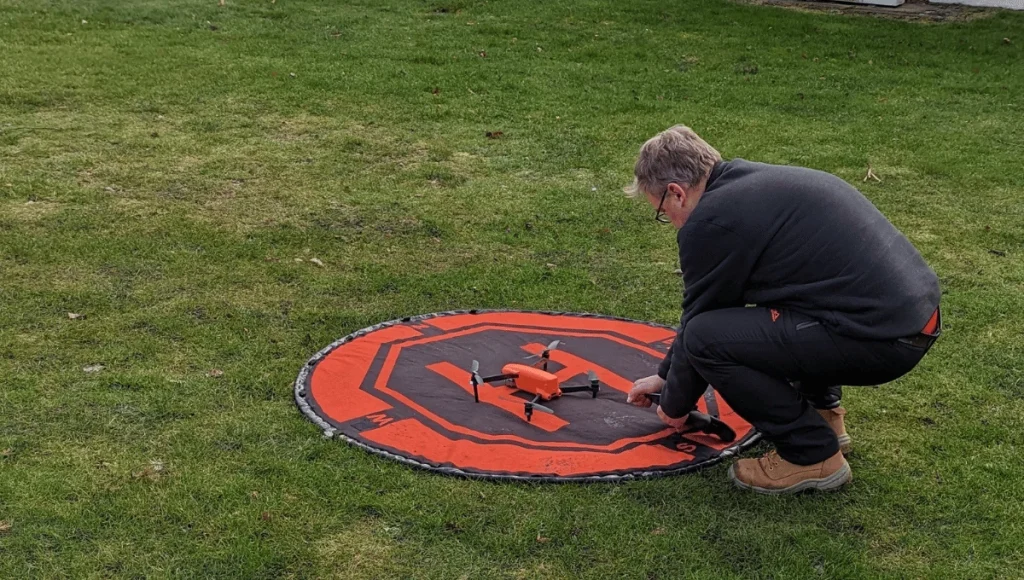
Flying a drone in UK public parks seems simple but comes with several legal considerations you need to understand.
Whether you’re capturing aerial footage or simply enjoying your hobby, knowing these regulations prevents hefty fines and potential legal troubles.
Parks offer great open spaces for drone enthusiasts, but some protected locations and National Parks maintain strict no-fly policies that might surprise you.
30 Second Summary
- Flying a drone in UK public parks is generally permitted, but subject to CAA regulations and local bylaws.
- Drones must stay 50m from people and 150m from residential areas for those weighing 250g or more.
- Registration with the CAA is mandatory for drones 250g+ or with cameras, requiring Operator and Flyer IDs.
- Many parks have specific drone restrictions, like the New Forest National Park’s complete prohibition.
- Always check local regulations beforehand, maintain visual line of sight, and respect privacy and wildlife.
Yes, You Can Fly a Drone in UK Public Parks
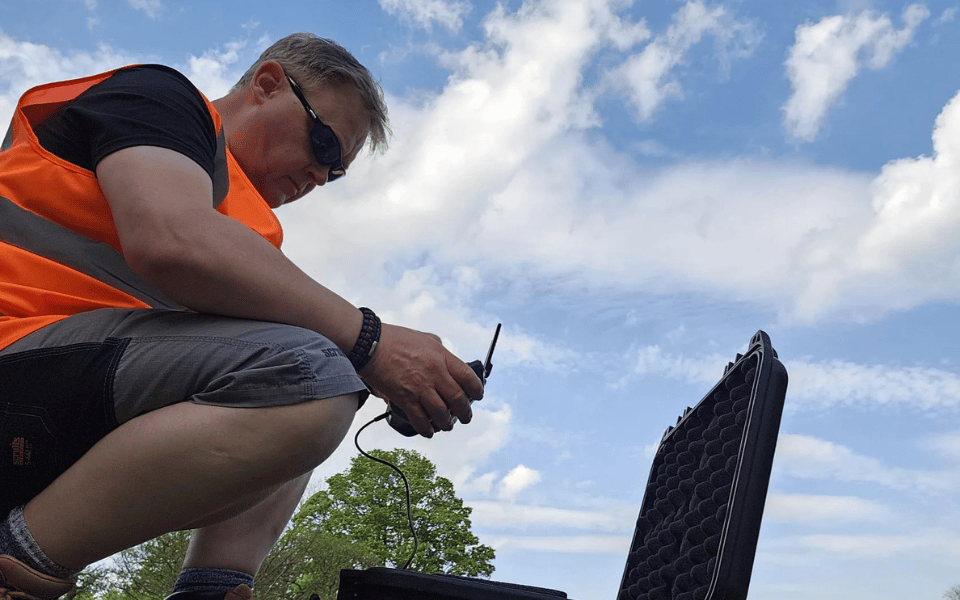
Flying drones in UK public parks is permitted, but you’ll need to navigate several important restrictions. The UK’s drone regulations prioritize safety and privacy while still allowing recreational pilots to enjoy public spaces.
When flying in parks, you must keep your drone within your visual line of sight at all times. This ensures you maintain control and can respond to potential hazards immediately. You’re also required to maintain a safe distance from people and buildings, which protects both property and bystanders from potential accidents.
Remember to respect others’ privacy while operating your drone. Avoid filming people without permission, and be mindful of creating noise disturbances. Following these guidelines allows you to enjoy drone flying while sharing public park space responsibly with others.
Legal Requirements Include Height Limits and Visual Line of Sight
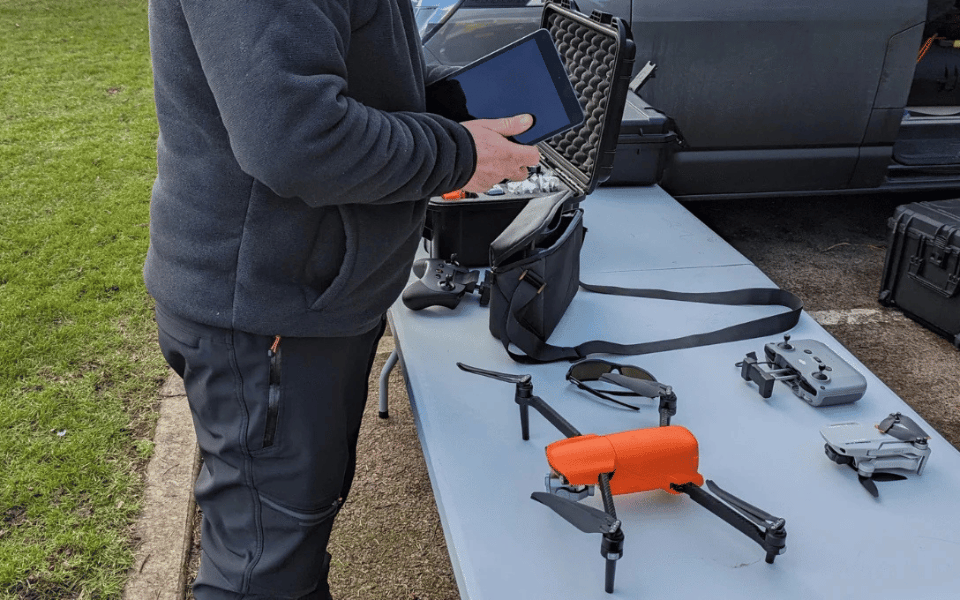
The UK’s drone regulations establish specific legal parameters that all operators must follow in public parks. When flying your drone, you must never exceed the maximum altitude of 400 feet (120 meters) above the surface. Violating this height restriction could result in substantial fines of up to £2,500.
Additionally, maintaining visual line of sight with your drone is mandatory throughout your entire flight. This means you must be able to see your drone with your own eyes at all times, without using binoculars or solely relying on camera feeds. Flying beyond visual range can lead to fines up to £2,000, as recently demonstrated when a Wirral man was penalized for flying his drone out of sight while filming Bramley Moore stadium.
Distance Restrictions from People and Built-up Parks Must Be Observed
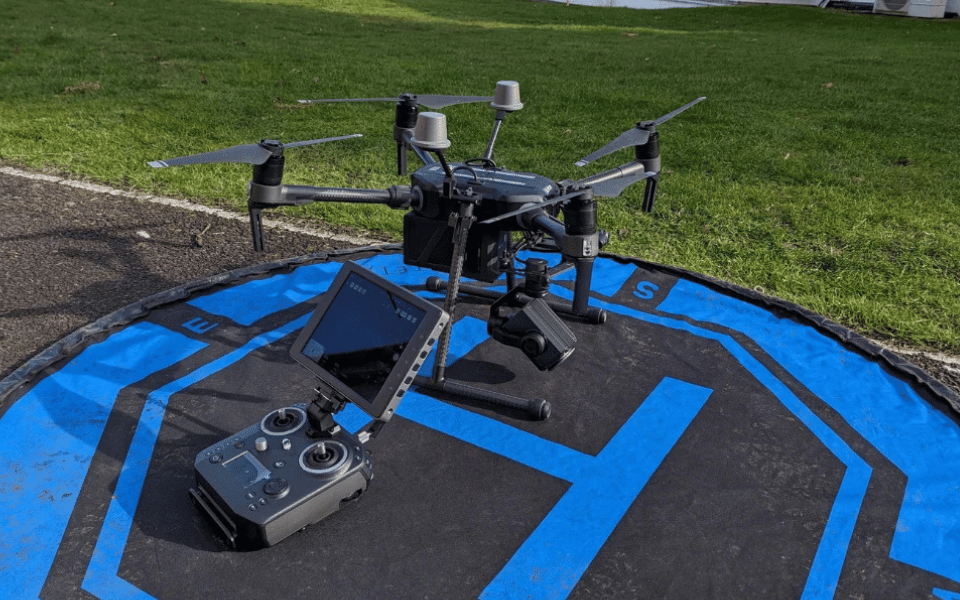
When operating your drone in a UK public park, strict distance requirements apply for public safety. You must maintain at least 50 meters between your drone and any people not participating in your flight operation. This buffer zone helps prevent accidents and protects bystanders.
For drones weighing 250g or more, additional restrictions apply. You’ll need to keep your aircraft at least 150 meters away from residential, commercial, and industrial areas. This requirement aims to minimize noise disruption and privacy concerns for nearby buildings and their occupants.
Failing to observe these distance requirements isn’t just unsafe—it’s expensive. Violations can result in fines up to £3,000. Always plan your flight path carefully to ensure you can maintain these mandatory separation distances throughout your entire flight.
Drone Registration and Permission Requirements Apply
Anyone hoping to fly a drone in UK public parks must navigate specific registration procedures before takeoff. If your drone weighs 250g or more or features a camera, you’ll need to register it with the Civil Aviation Authority (CAA) regardless of where you plan to fly.
Registration involves obtaining an Operator ID, which costs £10.33 and remains valid for one year. You’ll also need a Flyer ID, which is free and lasts for five years. Both identifications are mandatory for legal operation.
Beyond CAA requirements, many parks and protected areas implement their own regulations. You may need to secure special permission from local authorities before flying in these locations. Always check park-specific rules before your visit to avoid potential fines or legal issues.
Beware Parks With Protected Airspace and National Parks Prohibit Drone Flying
Numerous protected areas across the UK maintain strict no-drone policies that you’ll need to consider before planning your flight. The New Forest National Park, for instance, explicitly prohibits drone flying under its byelaws.
Forestry England, which manages Crown Lands in the New Forest, only grants drone permissions in very limited scenarios – primarily for documentary filming, operational purposes, and scientific research. You won’t typically receive approval for recreational flights.
Similarly, the National Trust properties generally don’t permit personal drone use on their lands. These restrictions exist to protect wildlife, preserve visitor experiences, and maintain the natural character of these special environments.
Before flying in any park or protected area, you should always check the specific rules governing that location to avoid penalties.
Conclusion
You can fly your drone in UK public parks, but you’ll need to follow strict rules. Don’t exceed 400 feet, keep your drone in sight, and stay 150 meters from buildings if your drone weighs over 250g. Remember to register with the CAA when required and check local regulations before flying, as many protected areas completely prohibit drone use.

