
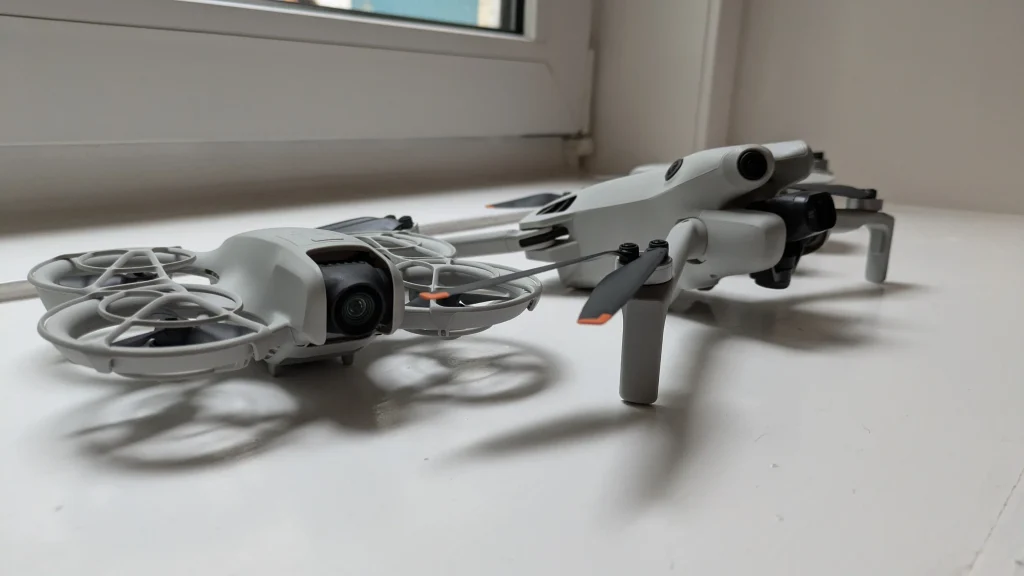

I’m Jamie, a professional drone pilot who runs Skykam UK’s largest drone service. I have been eagerly anticipating DJI’s Neo release and have put in the hours comparing it with my previous go-to recommendation – the DJI Mini 4 Pro.
After extensive testing, I’ve found distinct advantages to each drone.
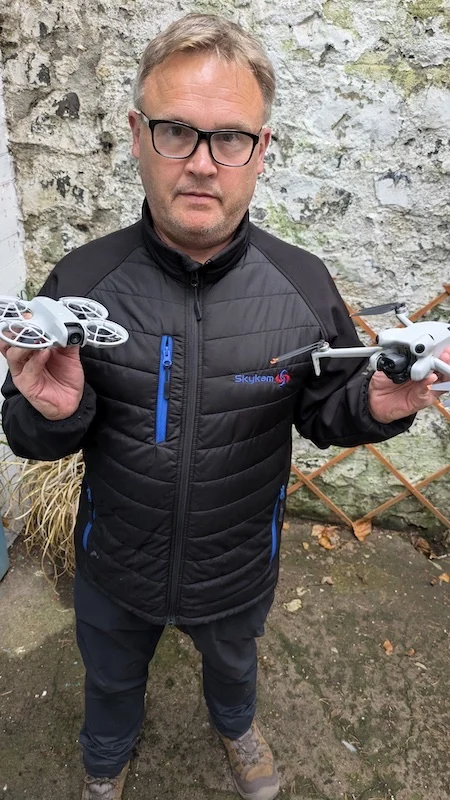
The DJI Neo excels in portability, weighing just 135 grams, making it ideal for spontaneous flights. It’s user-friendly for beginners, can be launched from your hand, but its footage can be slightly grainy, especially in low light.
In contrast, the Mini 4 Pro offers superior image quality with its 48MP sensor and greater flight range. It handles wind better and features obstacle avoidance, providing peace of mind for less experienced pilots.
DJI Neo: Newest, Easiest Drone Yet
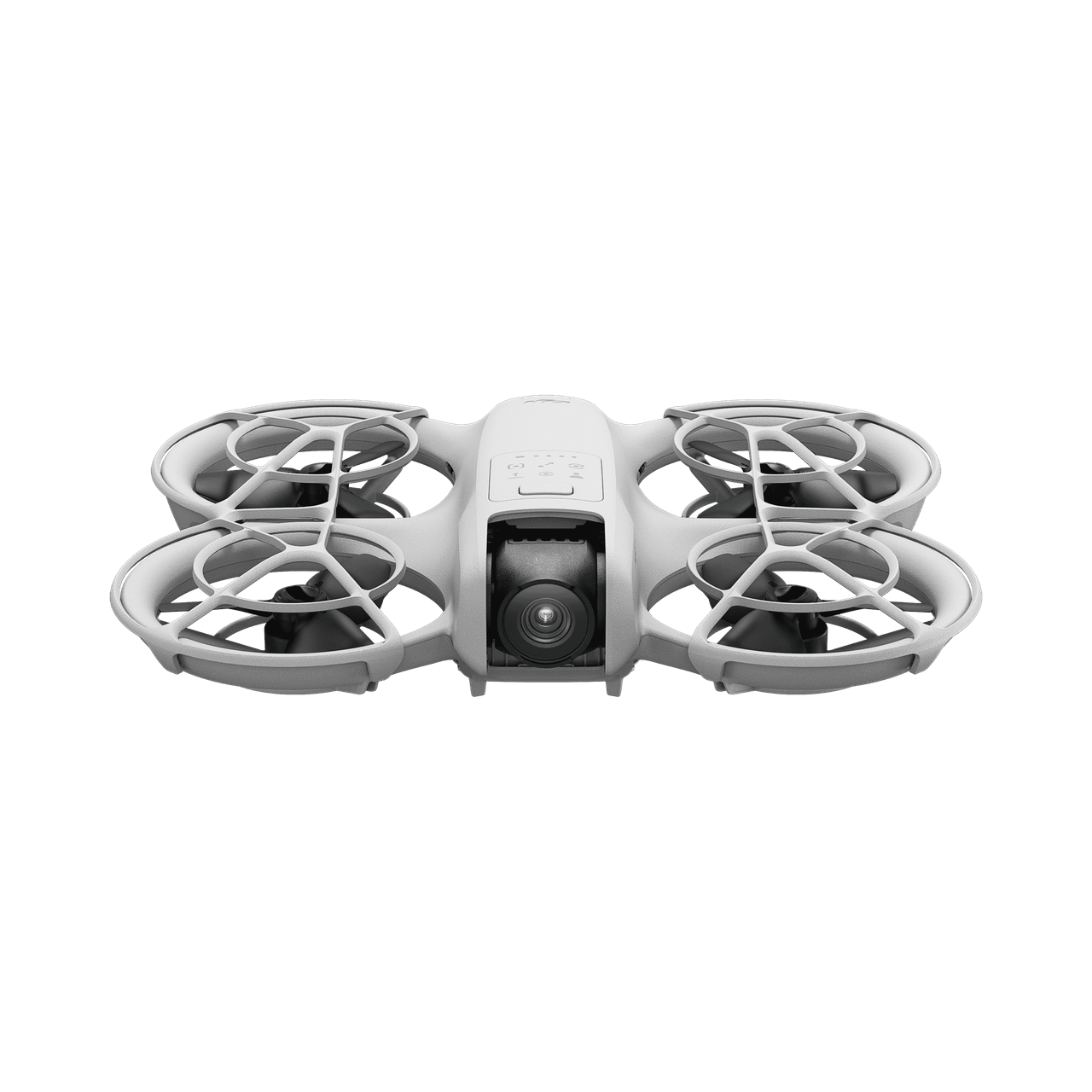
The Specs
- Weight: 135g
- Camera: 12 MP, 4K 30fps
- Flight Time: 18 Minutes
- Max Distance: 7Km
- Obstacle Avoidance: Downward Sensor Only
- No license required in the UK or USA for recreational flights
DJI Mini 4 Pro: Superior Flight, Safety, and Imagery
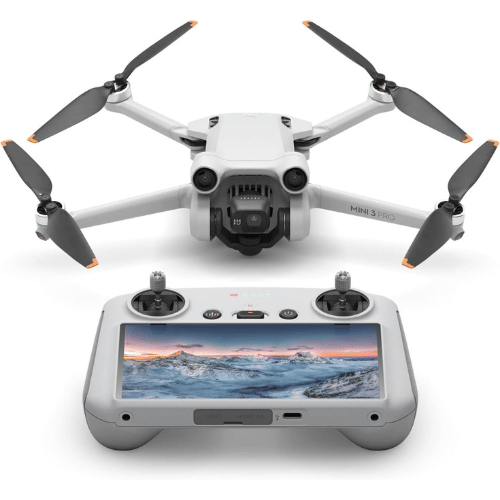
The Specs
- Weight: <249g
- Camera: 48 MP,4k 60fps
- Flight Time: 34 Minutes
- Max Distance: 20 Km
- Obstacle Avoidance: Omnidirectional
- No license required in the UK or USA for recreational flights
While both drones are noisy, the Neo is particularly so.
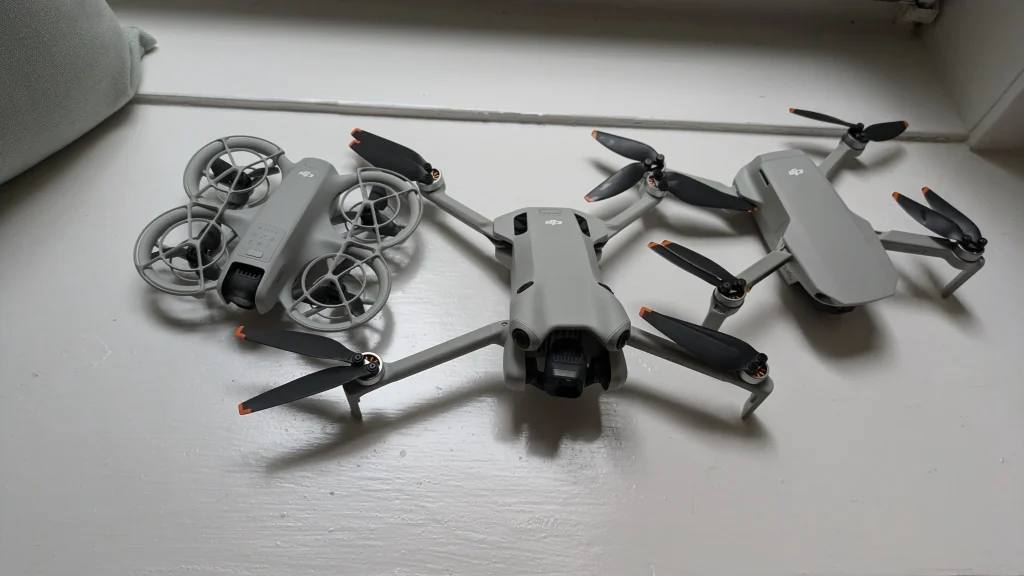
| Feature | DJI Neo | DJI Mini 4 Pro |
|---|---|---|
| Weight | 135g | 249g |
| Flight time | 18 mins | 34 mins |
| Camera | 12MP/4K30fps | 48MP/4K60fps |
| Transmission range | 7km | 20km |
| Obstacle avoidance | None | Omnidirectional |
For casual social media clips, the Neo is a solid choice. However, for the full drone experience, the Mini 4 Pro is the way to go.
There’s certainly more to unpack about these aerial wonders, but these key differences should help guide your decision based on your specific needs.
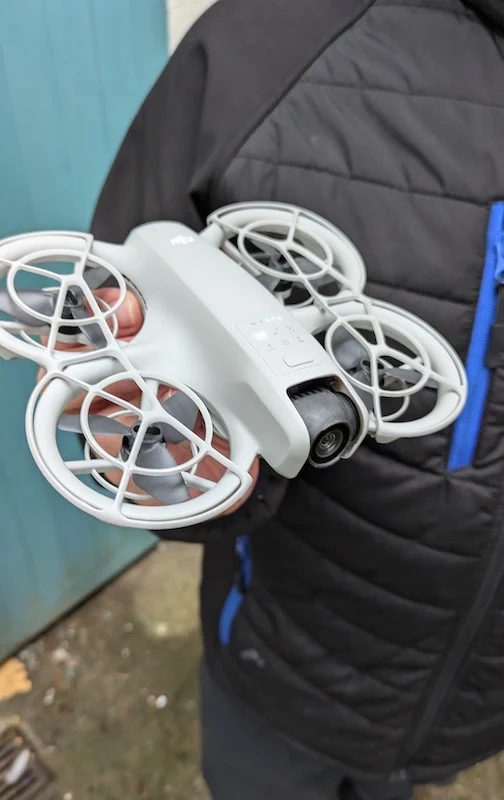
Pocket-Sized Power: DJI Neo vs. Mini 4 Pro
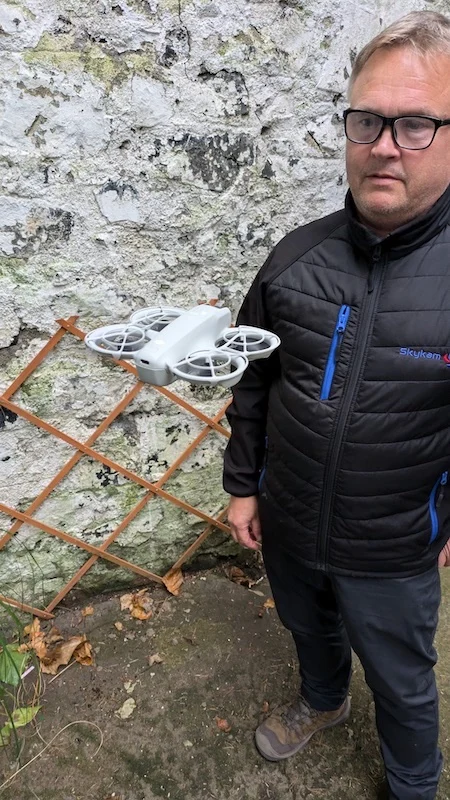
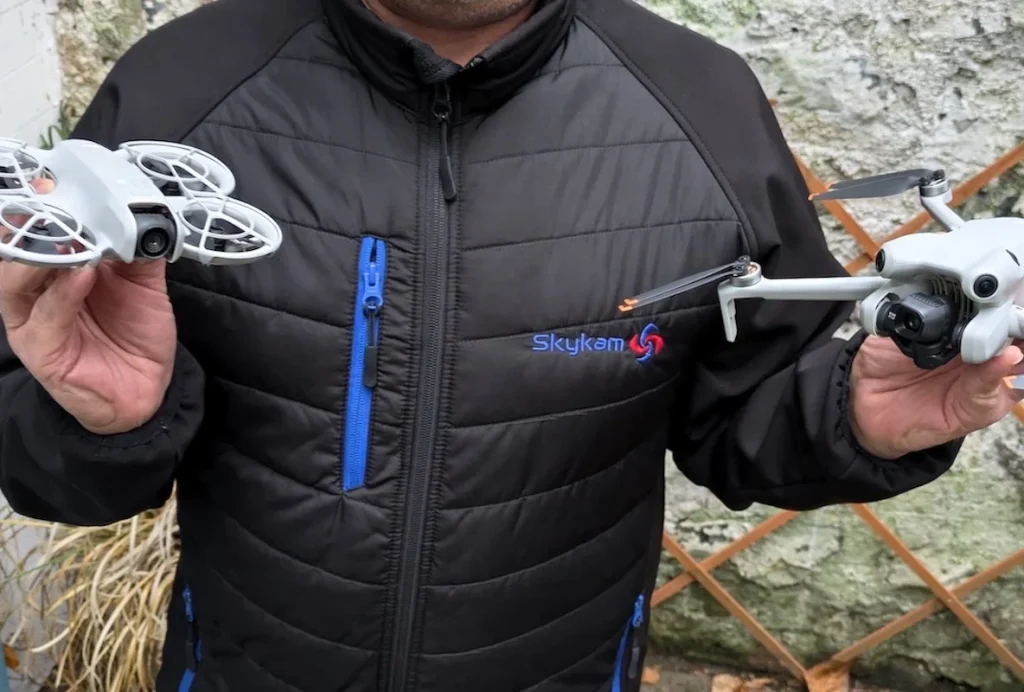
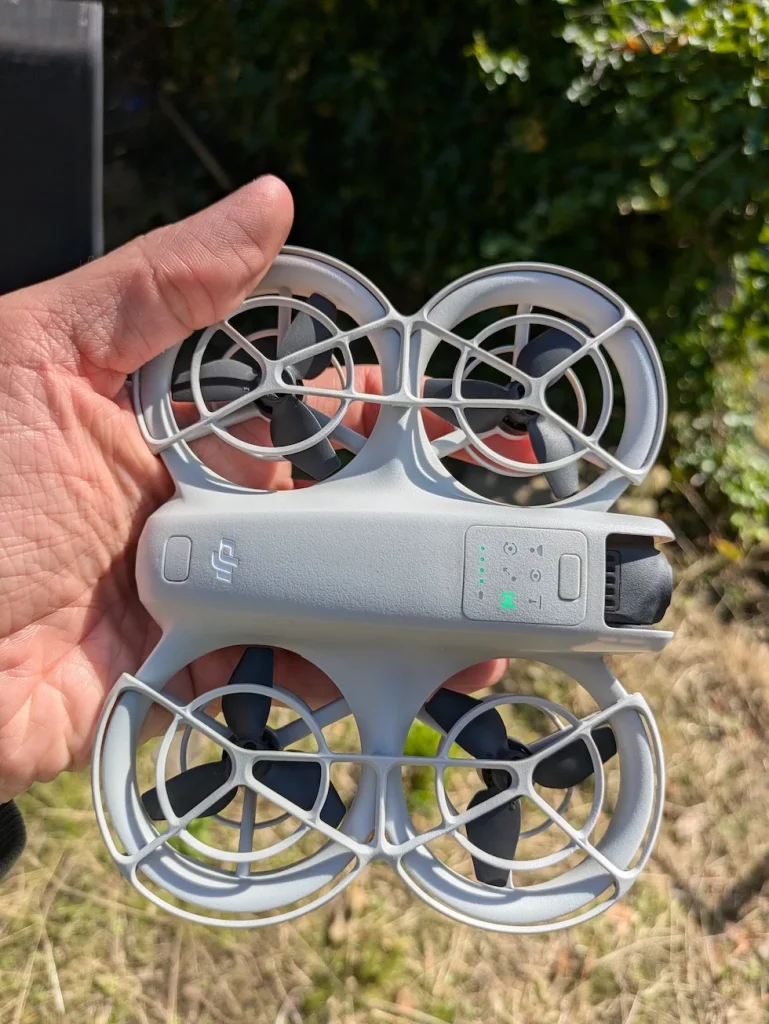
When it comes to portability, the DJI Neo is the clear winner in my book. At just 135 grams, it’s a featherweight compared to the Mini 4 Pro’s 249 grams. While both drones are impressively light, the Neo takes it to another level. I’ve found that every gram counts when you’re hiking or traveling, and the Neo’s ultra-light design makes a noticeable difference.
| Specification | DJI Neo | DJI Mini 4 Pro |
|---|---|---|
| Size (folded) | 130 x 157 x 48.5 mm | 148 x 94 x 64 mm |
| Size (unfolded) | N/A | 298 x 373 x 101 mm |
| Weight | 135 g | < 249 g |
The Mini 4 Pro isn’t exactly heavy, mind you. It’s cleverly designed to weigh just under the 250-gram threshold that requires registration in many countries. This means you can still enjoy advanced features without the hassle of paperwork.
But the Neo? It’s in a league of its own.
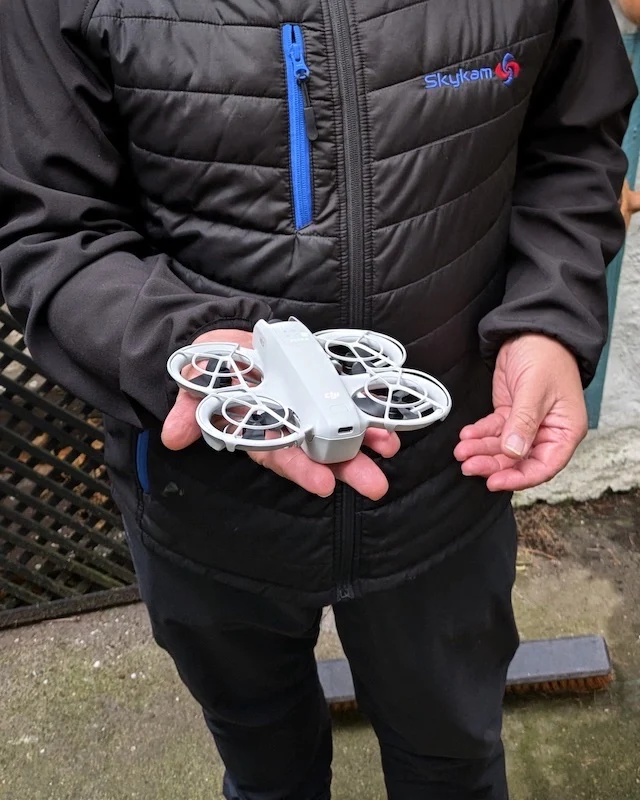
I’ve slipped it into my literal jacket pocket and almost forgotten it was there!
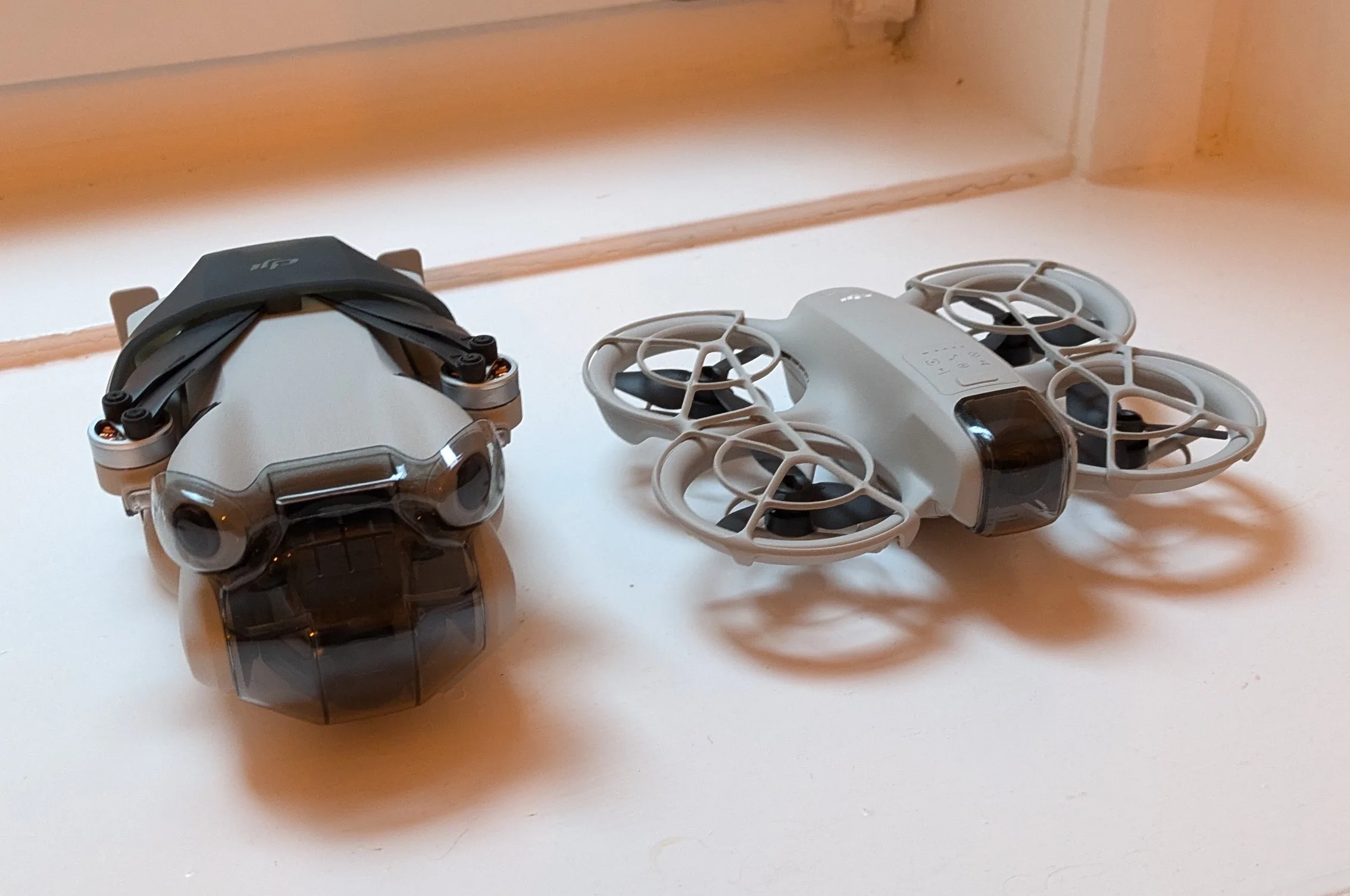
For beginners or those intimidated by drones, the Neo’s lighter weight can be less daunting. It feels more approachable, like a high-tech toy rather than a serious piece of equipment.
That said, the Mini 4 Pro’s slightly heavier build allows for a larger battery and more advanced features, which might be worth the trade-off for some users.
If you’re constantly on the move or love impromptu photo sessions, the Neo’s incredible portability is hard to beat. I’ve taken mine on quick hikes where I wouldn’t have bothered with a heavier drone.
However, if you’re after more advanced features and don’t mind a bit more weight, the Mini 4 Pro is still an excellent, portable choice.
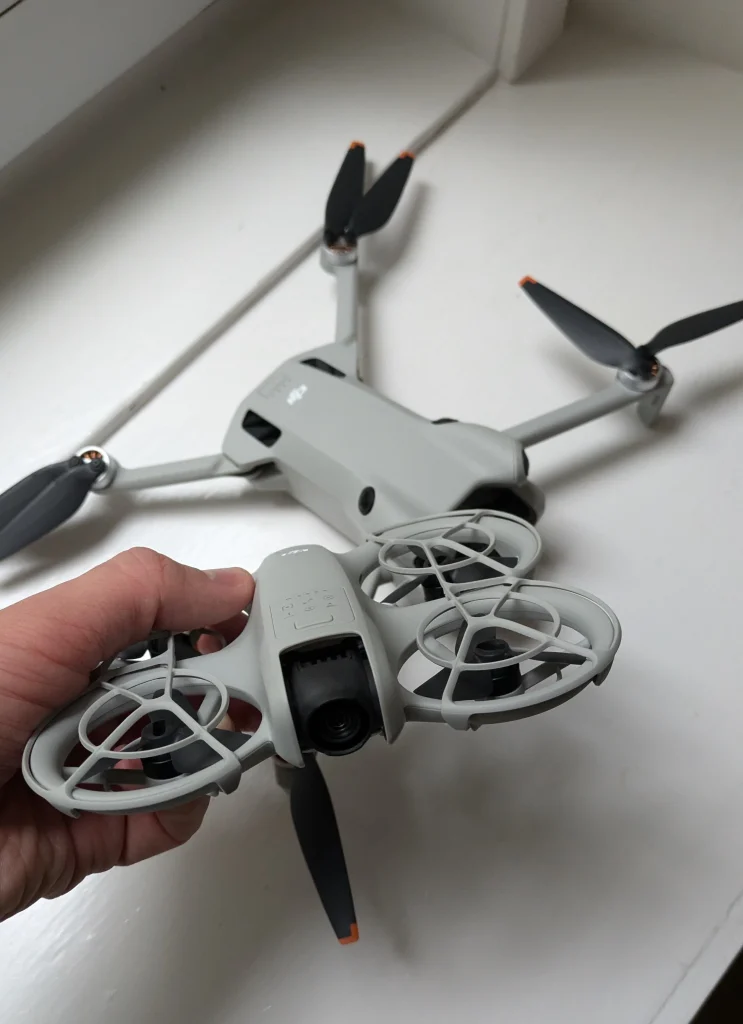
The DJI Neo Camera Was Quiet Grainy VS DJI mini 4 Pro’s Camera
Examining the footage from both drones, I quickly noticed a significant difference in image quality. The DJI Neo’s footage appeared quite grainy, especially in low-light conditions, vs the Mini 4 Pro produced crisp, clear images.
This difference isn’t surprising when you consider the specs.
The Mini 4 Pro’s larger 1/1.3-inch CMOS sensor with 48 megapixels simply outclasses the Neo’s 1/2-inch 12-megapixel sensor.
When I took both drones out for a sunset flight, the Mini 4 Pro captured stunning details and colors, while the Neo struggled with noise in the shadows.
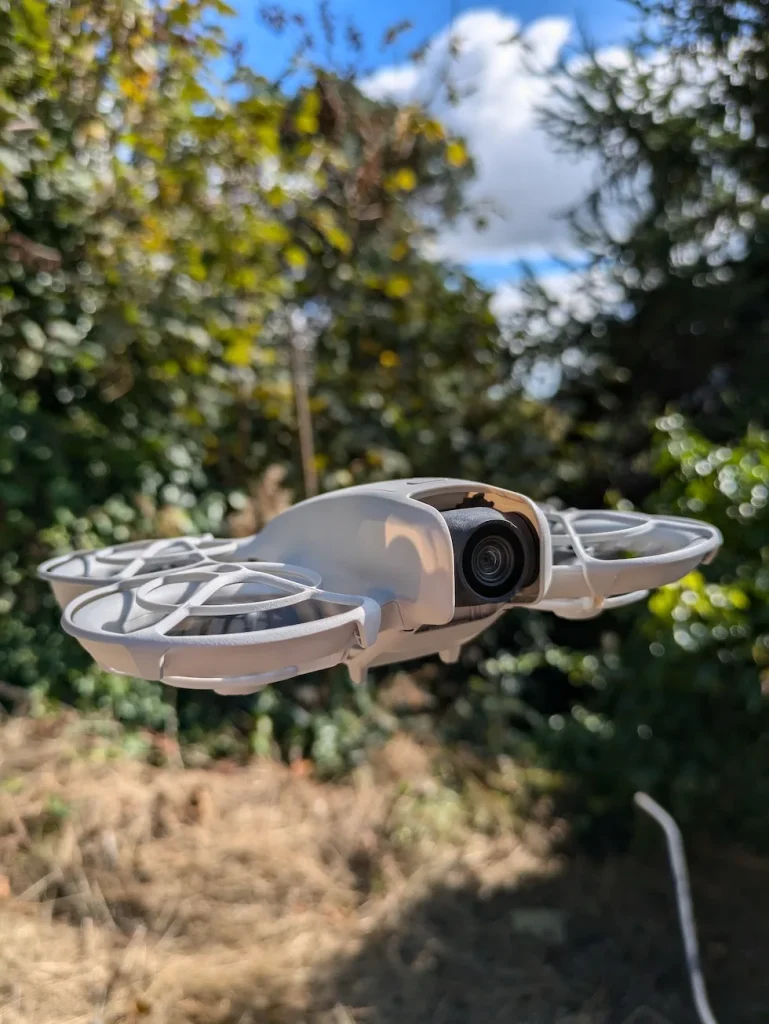
You’ll also appreciate the Mini 4 Pro’s wider f/1.7 aperture compared to the Neo’s f/2.8. This means better low-light performance and more control over depth of field.
If you’re into post-processing, the Mini 4 Pro’s 10-bit D-Log M and HLG color profiles are a game-changer. They give you much more flexibility in editing, allowing you to really make your footage pop.
| Feature | DJI Neo | DJI Mini 4 Pro |
|---|---|---|
| Image Sensor | 1/2-inch sensor | 1/1.3-inch CMOS |
| Max Image Size | 12 MP | 48 MP |
| Max Video Resolution | 4K @ 30fps | 4K up to 100fps |
| Lens | FOV: 117.6°, 14mm equivalent | FOV: 82.1°, 24mm equivalent |
| Aperture | f/2.8 | f/1.7 |
| ISO Range | 100-6400 | Not specified in results |
| Photo Format | JPEG | JPEG/DNG (RAW) |
| Video Format | MP4 | MP4 (H.264/H.265) |
The Neo doesn’t offer these advanced color options.
Don’t get me wrong – the Neo isn’t a bad drone.
It’s more affordable and still captures decent footage for casual use.
But if image quality is a priority for you, the Mini 4 Pro is the clear winner. Its superior sensor, advanced features, and better low-light performance make it the go-to choice for aspiring aerial photographers and videographers.
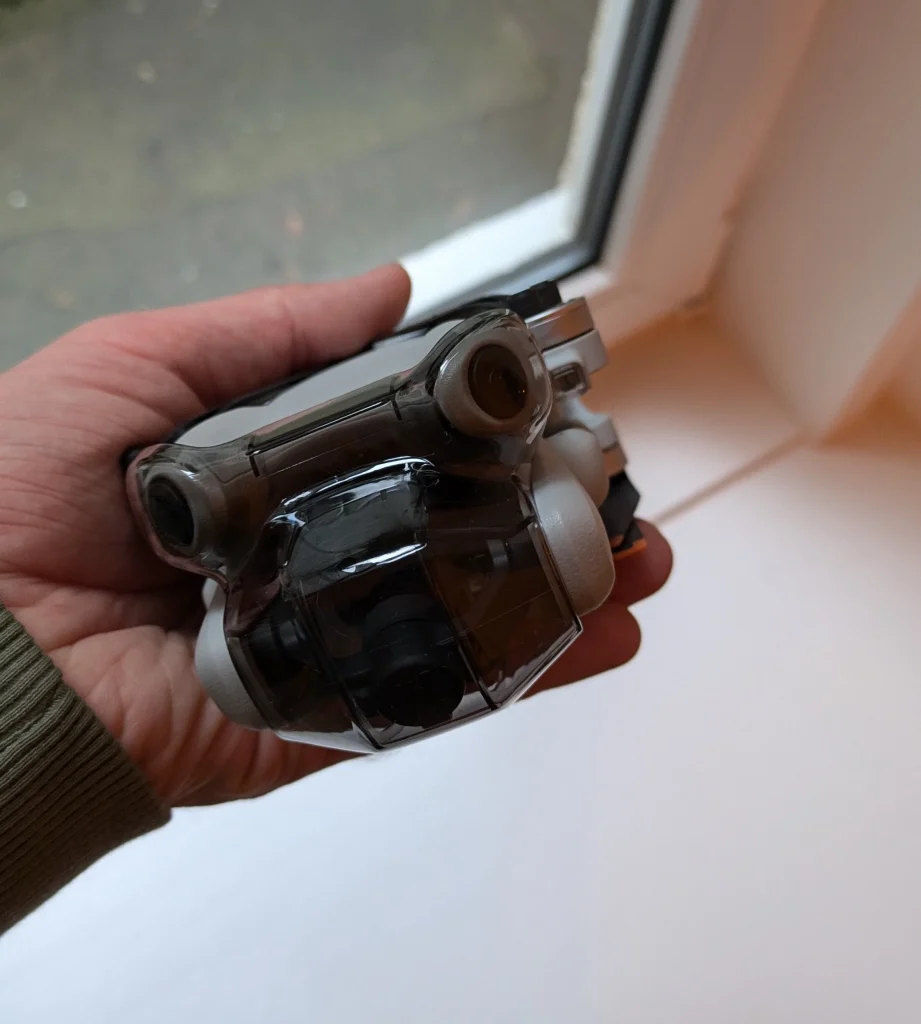
Why I Prefer the Mini 4 Pro’s Range Over the DJI Neo
One of the most liberating aspects of flying the DJI Mini 4 Pro is its impressive range.
With a maximum transmission distance of 20 km (FCC) or 10 km (CE), it gives me the freedom to explore vast areas and capture stunning aerial footage from afar.
I’ve found this especially useful when I’m shooting landscapes or following subjects over long distances.
The Mini 4 Pro’s range really opens up new creative possibilities that I just can’t achieve with drones like the DJI Neo.
| Specification | DJI Neo | DJI Mini 4 Pro |
|---|---|---|
| Max Flight Distance | 7 km | 18 km (with Intelligent Flight Battery) |
| Max Transmission Distance | Up to 10 km (FCC) | FCC: 20 km |
Speaking of the Neo, its range isn’t too shabby at 10 km (FCC) or 6 km (CE), but it’s noticeably more limited. While it’s still great for most everyday flying, I’ve encountered situations where I wished for that extra reach.
It’s worth noting, though, that when using the Neo’s palm control or mobile app control modes, you’re restricted to a 30-meter altitude and 50-meter distance. These limits can feel pretty constraining if you’re used to the Mini 4 Pro’s freedom.
I feel comfortable flying the mini 4 pro out over a lake to capture a sunset, something I wouldn’t have attempted with the Neo.
If you’re trying to decide between these two drones and range is a priority, the Mini 4 Pro is hands-down the better choice.
It’s given me the confidence to push my aerial photography further, literally and creatively.
I Feel Safer Flying the Mini 4 Pro vs. the DJI Neo
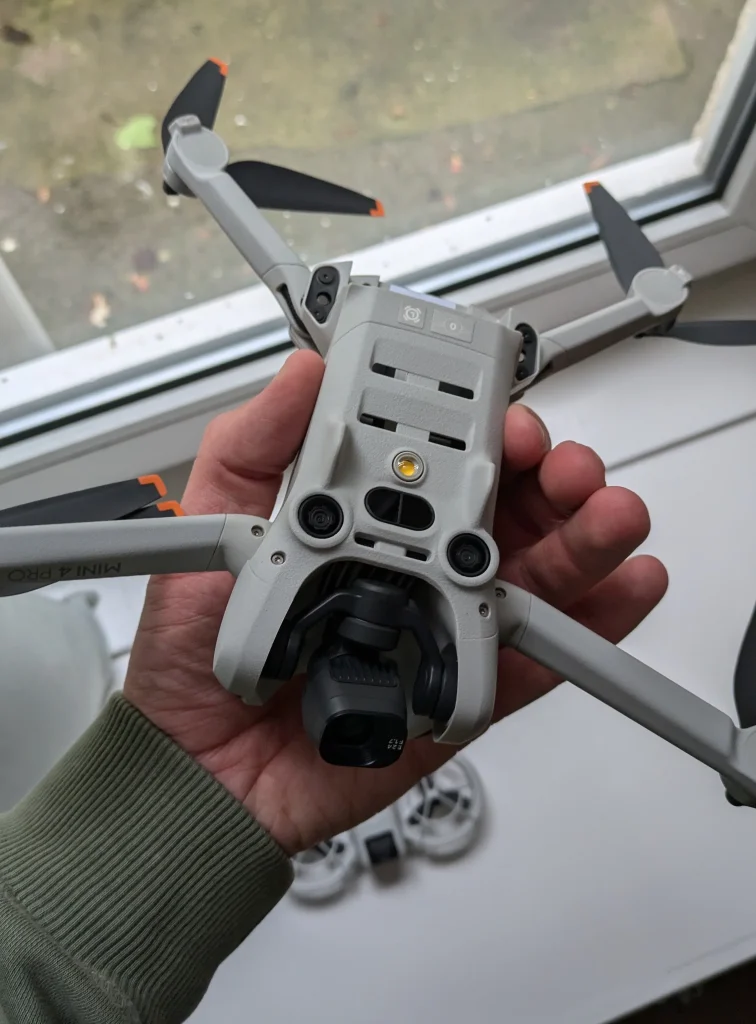
If you’re like me and sometimes worry about crashing your drone, this feature will give you peace of mind. The Mini 4 Pro’s omnidirectional sensors can detect obstacles in all directions, making it much safer to fly, especially in tricky environments.
The front sensors can spot obstacles up to 18 meters away, with a wide field of view. This means you can focus more on getting that perfect shot instead of constantly scanning for potential hazards.
It’s like having an extra set of eyes watching out for you!
| Feature | DJI Neo | DJI Mini 4 Pro |
|---|---|---|
| Obstacle Sensing | Downward only | Omnidirectional |
| Sensor Type | Binocular vision system + Infrared sensing system (downward) | Binocular vision system (all directions) |
| Directions Covered | Downward only | Forward, Backward, Left, Right, Upward, Downward |
| Advanced Features | None | APAS (Advanced Pilot Assistance Systems) |
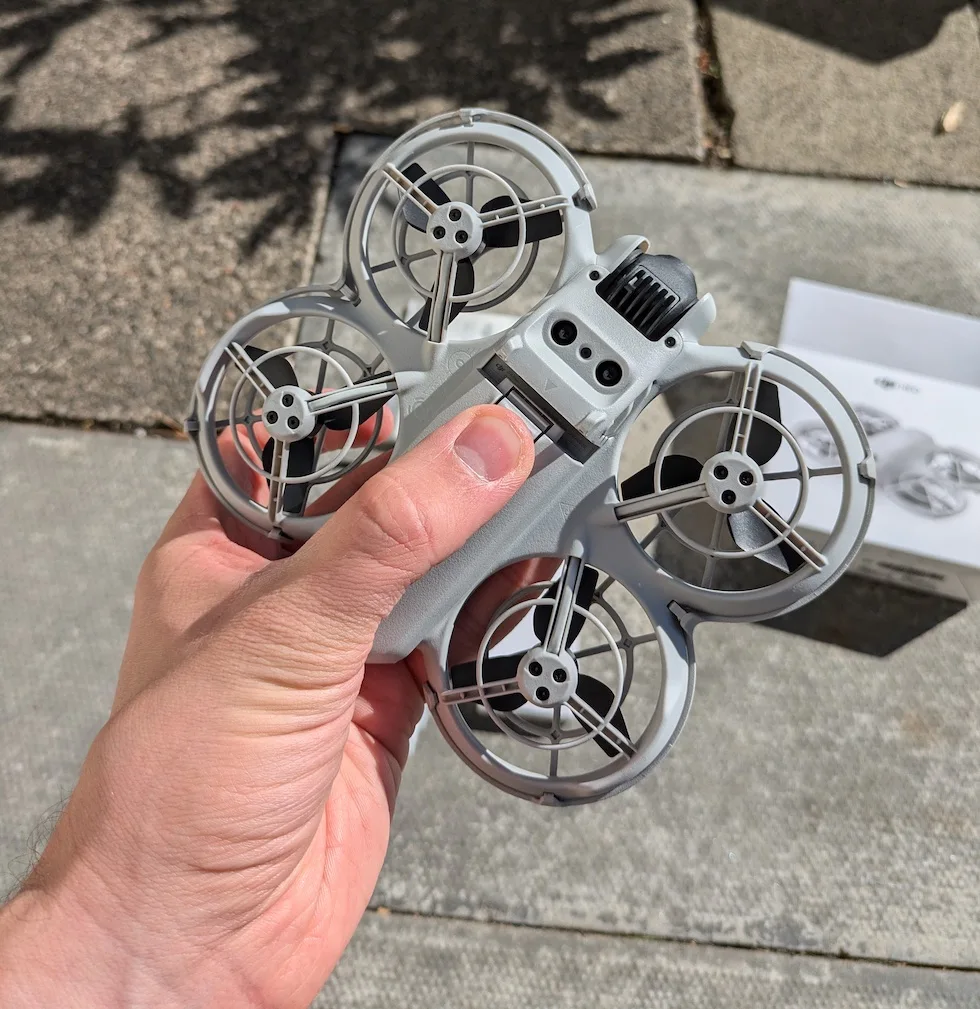
In contrast, the DJI Neo doesn’t have any obstacle avoidance capabilities.
When I flew it, I’d to be much more careful and attentive. It’s not impossible to fly safely, but it does require more skill and concentration. If you’re a beginner or just want a more relaxed flying experience, the Mini 4 Pro is definitely the way to go.
I have flown my Mini 4 Pro through a dense forest. The obstacle avoidance system kicked in multiple times, preventing collisions I might not have avoided on my own. It’s reassuring to know that even if you make a mistake, your drone has your back.
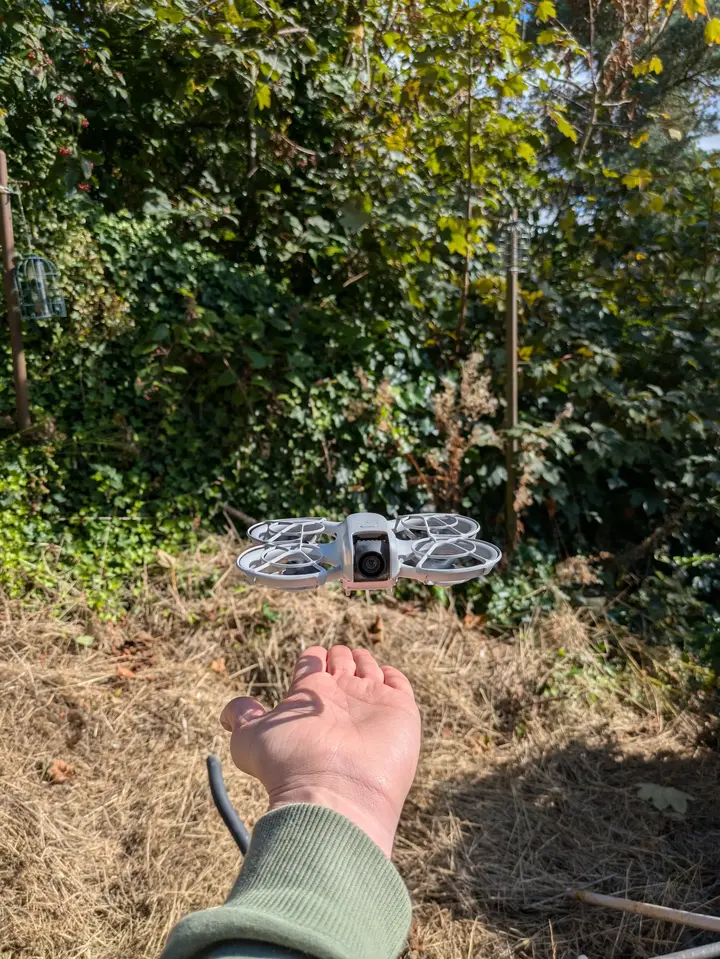
Mini 4 Pro Stays Steady VS DJI Neo Struggles in Gusts
While the Mini 4 Pro’s obstacle avoidance system is impressive, it’s not the only feature that sets it apart from the DJI Neo.
The Mini 4 Pro boasts a wind resistance of 10.7 m/s (about 24 mph), while the Neo lags behind at 8 m/s (18 mph). This mightn’t seem like a big difference, but trust me, it’s huge when you’re up in the air.
I’ve flown both drones, and the Mini 4 Pro handles breezy conditions like a champ, while the Neo starts to struggle even in mild gusts.
Here’s the deal: the Neo’s lower wind resistance means it has to work harder to stay stable, which drains the battery faster.
You’ll notice this especially if you’re trying to capture that perfect sunset shot and a breeze kicks up. The Mini 4 Pro, on the other hand, keeps steady and lets you focus on getting the shot.
For beginners, this difference is even more critical.
The Mini 4 Pro’s higher wind resistance gives you a larger margin of safety, making it more forgiving if you’re still getting the hang of things.
It’s like having training wheels that actually work in real-world conditions.
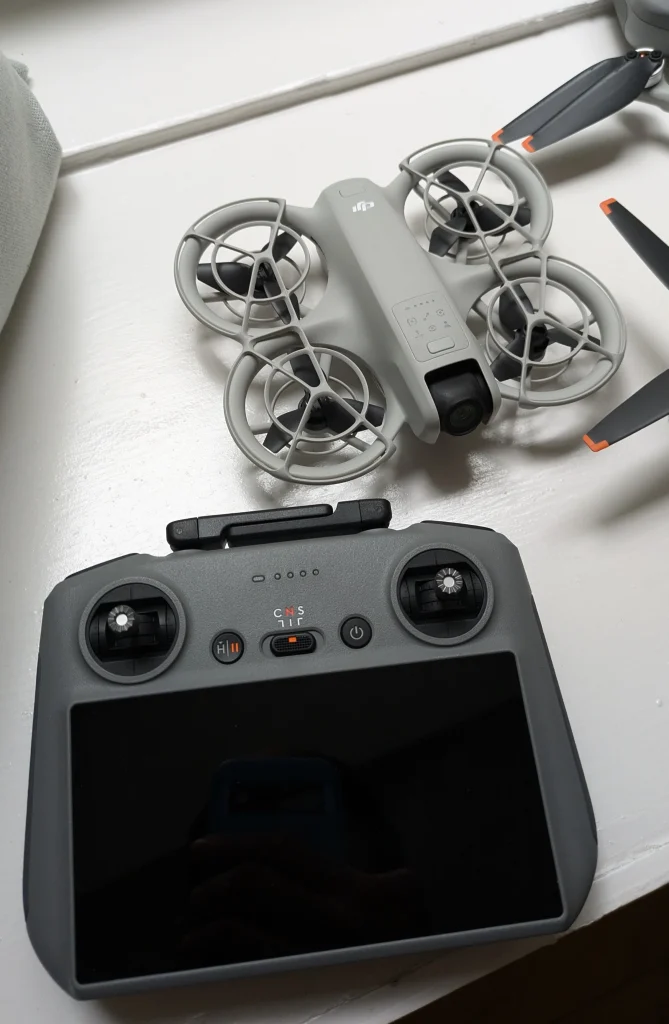
I Prefer the Mini 4 Pro’s Expandable Storage Over the DJI Neo’s Fixed Capacity
When I compared the DJI Mini 4 Pro vs the DJI Neo storage.
The Neo comes with 22GB of internal storage, which sounds impressive at first. It’s enough to get you started and can be convenient for quick flights.
However, here’s the catch: that 22GB is all you get.
There’s no option to expand it with a microSD card. I learned this the hard way when I filled up the Neo’s storage during a weekend trip and had to spend precious time transferring files to my laptop.
On the flip side, the Mini 4 Pro only has 2GB of internal storage, which isn’t much.
But don’t let that fool you! It supports microSD cards up to 512GB, giving you the potential for massive storage expansion. This feature was a game-changer for me during a multi-day shoot.
I simply swapped out memory cards and kept flying without missing a beat.
For beginners, the Neo’s fixed storage might seem simpler.
| Feature | DJI Neo | DJI Mini 4 Pro |
|---|---|---|
| Internal Storage | 22GB | 2GB |
| Expandable Storage | None | Yes, via microSD card |
| microSD Card Support | Yes | Yes |
| microSD Card Requirements | UHS-I Speed Grade 3 rating or above | UHS-I Speed Grade 3 rating or above |
| Total Potential Storage | 22GB | 2GB + Unlimited microSD card capacity |
| User Experience | Simplified, no need to manage external cards | Requires management of microSD cards |
| Flexibility | Limited to internal storage | Highly flexible with expandable storage |
But trust me, you’ll appreciate the Mini 4 Pro’s flexibility as you grow more comfortable with drone photography and videography. The ability to expand your storage means you can capture more 4K footage without constantly worrying about running out of space.
In my experience, the Mini 4 Pro’s expandable storage makes it more versatile for various shooting scenarios. Whether you’re planning long flights or multi-day adventures, it’s got you covered.
I’ve Learned the Hard Way: Mini 4 Pro’s Subtlety vs. DJI Neo’s Disruptive Noise
Drone noise levels can make or break your flying experience. Trust me, I’ve learned this the hard way. When I first started flying drones, I didn’t think much about noise.
But after a few flights, I realized just how important it is, especially if you’re planning to use your drone in public spaces or nature settings.
Both of these drones are pretty impressive, but there’s a noticeable difference when it comes to noise.
The Mini 4 Pro is generally quieter than the Neo, and I can tell you from experience, it makes a big difference.
The Mini 4 Pro’s quieter operation is due to its advanced propeller design and aerodynamic frame. When I’m out flying the Mini 4 Pro, I feel less self-conscious about disturbing others.
It’s perfect for capturing those serene nature shots without scaring away wildlife or annoying nearby hikers.
On the other hand, the Neo is a bit louder. Don’t get me wrong, it’s still a capable drone, but that extra noise can be limiting.
I’ve had a few awkward moments when flying the dji Neo in parks, with people turning to look at the source of the buzzing.
If you’re new to drones or planning to fly in populated areas, the Mini 4 Pro’s quieter operation might be for you.
It’s less likely to attract unwanted attention and provides a more pleasant flying experience overall.
Just remember, whichever drone you choose, always be mindful of your surroundings and local regulations.
Neither Drones Requires A License In UK or USA
One of the most appealing aspects of both the DJI Mini 4 Pro and DJI Neo: you don’t need a license to fly them in the UK or USA for recreational use. This is a huge plus for beginners like me who want to start flying without the hassle of paperwork.
The reason behind this is their weight.
The Mini 4 Pro weighs 249 grams, while the Neo is even lighter at 135 grams.
Both fall under the 250-gram threshold, which exempts them from many regulations that apply to heavier drones. When I first started, this was a relief!
However, don’t get too excited. You’ll still need to register your drone if it has a camera, which both these models do. And of course, you’ll need to follow local flying rules. It’s not a free-for-all in the sky, folks!
The Mini 4 Pro, being just under the weight limit, offers more advanced features while still maintaining this regulatory advantage. I’ve found it to be a great balance of capability and convenience.
The Neo, being significantly lighter, might be easier to handle for absolute beginners.
In my experience, this license-free status has been perfect for newcomers. It’s made it so much easier to get into drone flying without feeling overwhelmed by taking in-person courses or online classes and exams!
If you’re torn between these two models, consider how important advanced features are to you versus absolute ease of use for beginners. Either way, you’ll be up in the air without a license headache!
I Recommend the DJI Neo for Drone Newbies and Social Media Video makers
I’m confident in recommending the DJI Neo for beginners or those unfamiliar with drone controllers. After extensively comparing it to the Mini 4 Pro, I’ve found that the Neo truly shines when it comes to ease of use and accessibility.
At just 135 grams, it’s incredibly lightweight and portable. I can easily slip it into my pocket, making it perfect for spontaneous flights. One feature I absolutely love is its hand-launch capability.
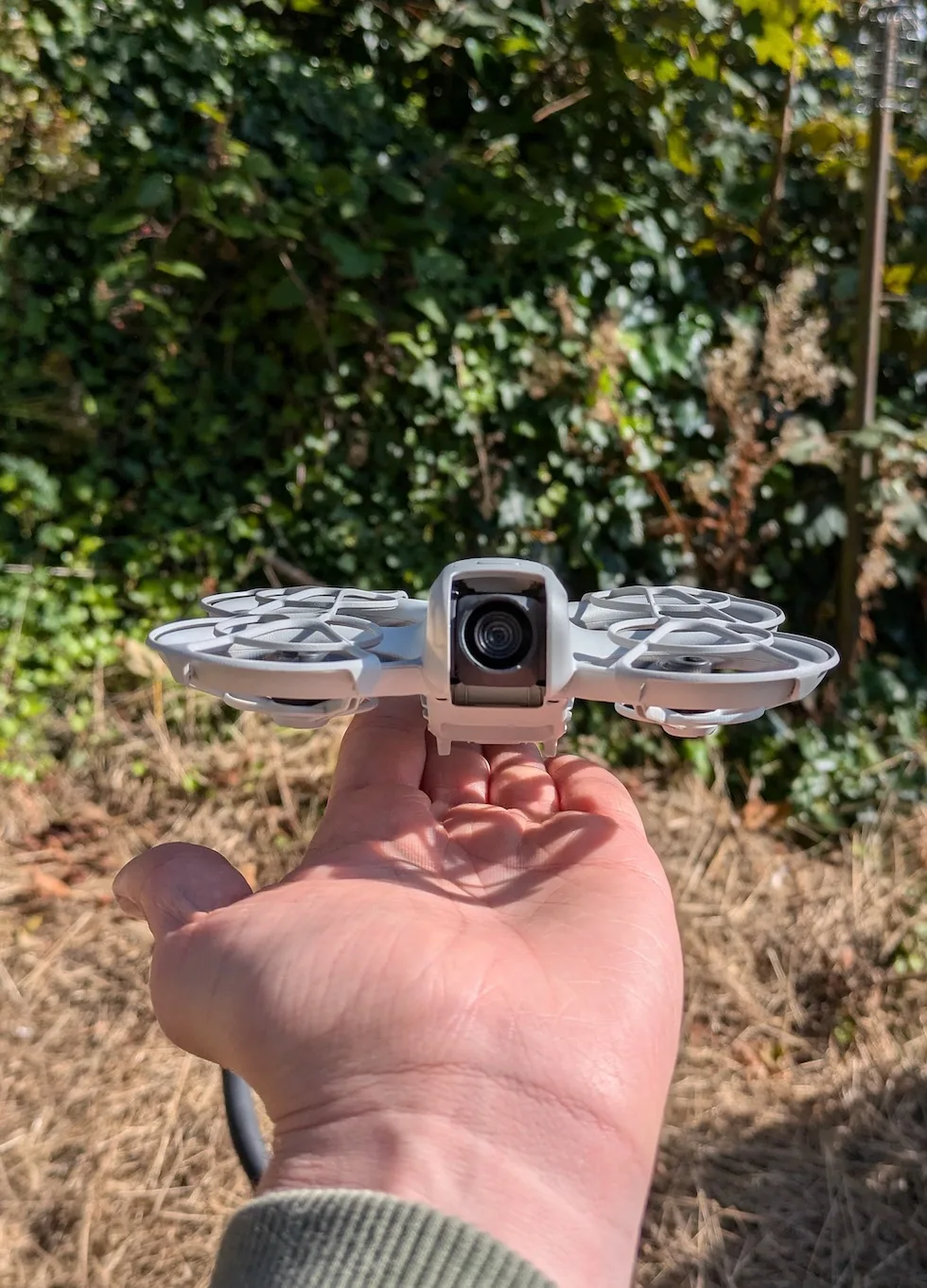
Trust me, when you’re just starting out, being able to launch from your palm is a game-changer. It takes away the stress of traditional takeoffs and gets you in the air quickly.
The Neo’s simplified controls and user-friendly interface are a breath of fresh air. When I first started flying drones, I felt overwhelmed by complex settings and buttons. The Neo eliminates that intimidation factor, allowing you to focus on enjoying the flight experience.
While it may not boast the advanced features of the Mini 4 Pro, it offers everything you need for capturing great social media clips or personal snippets. I’ve found that the Neo’s design prioritizes getting you airborne with minimal fuss.
It’s perfect for those casual flights where you want to capture a quick video of your hike or a family gathering. If you’re looking to dip your toes into the drone world without drowning in technicalities, the DJI Neo is your best bet.
I Choose the DJI Mini 4 Pro for Serious Drone Enthusiasts
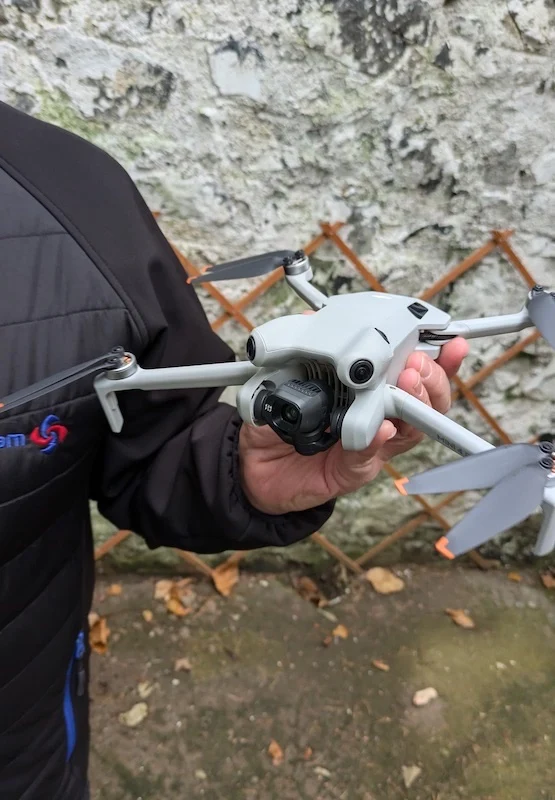
I’ve found the DJI Mini 4 Pro to be the go-to choice for enthusiasts craving a more immersive flying experience. If you’re ready to invest time in honing your skills and want a drone that’ll grow with you, this is the one to consider.
With its larger 1/1.3-inch CMOS sensor and 48 megapixels, you’ll capture stunning images, even when the light’s not ideal. I’ve taken some breathtaking sunset shots that simply weren’t possible with my previous drone.
The 4K video at 60fps is silky smooth, perfect for those cinematic sweeping landscapes you’ve been dreaming of.
But here’s the thing: the Mini 4 Pro isn’t just about pretty pictures.
It’s built for adventure. With a whopping 20 km transmission range and 34-minute flight time, you can explore further and longer.
Now, I’ll be honest – there’s a slight learning curve.
The omnidirectional obstacle sensing system is fantastic for avoiding trees (trust me, I’ve tested it), but it takes practice to use effectively. You’ll need to dedicate time to master the controls and features.
In short, if you’re after a drone that offers professional-grade capabilities in a compact package, and you’re willing to put in the effort to learn, the DJI Mini 4 Pro is your best bet. It’s not just a toy; it’s a tool for creative expression and exploration.
DJI Neo: Newest, Easiest Drone Yet
Why I Love The DJI NEO
- More Affordable entry-level option for beginners
- Ultra-lightweight and compact for easy portability
- Palm takeoff/landing capability without remote controller
- Simple operation with automated shooting modes
- No license required in the UK or USA for recreational flights
DJI Mini 4 Pro: Superior Flight, Safety, and Imagery
Why I Love The DJI Mini 4 Pro
- Superior camera with higher resolution and frame rates
- Longer flight time for extended aerial sessions
- Longer transmission range for farther flights
- Advanced Obstacle avoidance for safer flyin
- No license required in the UK or USA for recreational flights
DJI Mini 4 Pro VS DJI Neo Summary
After testing both drones, I’d say the DJI Neo is great for beginners wanting quick social media clips, while the Mini 4 Pro offers more advanced features for enthusiasts.
The Neo’s portability is a plus, but it struggles in wind and has grainier footage.
The Mini 4 Pro’s obstacle avoidance and longer range are impressive, though it takes more practice to master. Consider your skill level and intended use when choosing.
Either way, you’ll have fun capturing amazing aerial shots!

