
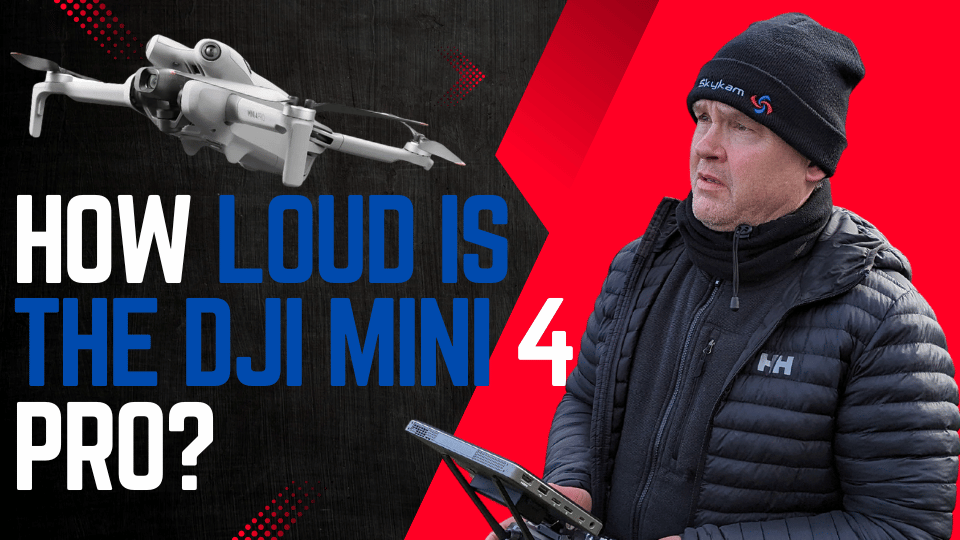

The DJI Mini 4 Pro operates at 67 dB(A) during hover, which is comparable to normal conversation. This noise level is a significant improvement over its predecessor, the Mavic Air, which produces 76 dB(A). You’ll find the Mini 4 Pro quieter in flight, causing less disturbance to wildlife and people.
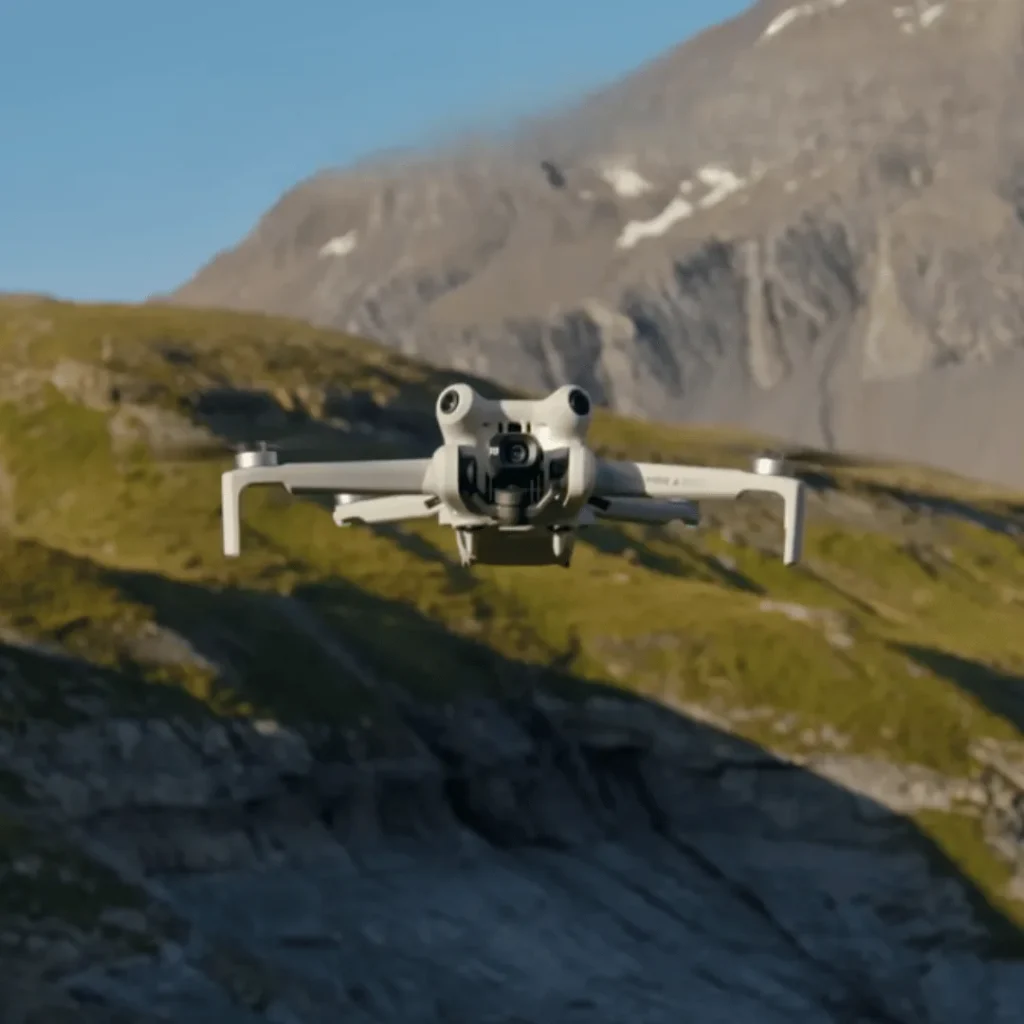
Its ground operation is even quieter at 51 dB(A), similar to a library’s ambiance. While the drone lacks built-in noise reduction features, you can explore aftermarket propellers for further noise reduction.
Consider flying at lower speeds and altitudes to minimize noise impact. Understanding these noise characteristics will help you plan your flights more effectively.
Noise Levels
When it comes to noise levels, the DJI Mini 4 Pro operates at varying decibels depending on its flight stage.
You’ll notice different sound intensities as you use your drone in various scenarios.
On the ground, when your Mini 4 Pro is on the ground with its propellers running, you’ll hear about 51 dB(A) of noise. This is relatively quiet, similar to a low conversation in a library.
Once you lift your drone to a height of 1.5 meters (about 5 feet), the noise level increases to 67 dB(A). This is comparable to the sound of a normal conversation or background music.
It’s important to note that DJI’s official noise level for the Mini 4 Pro, as measured for C1 classification, is 81 dB. This is likely the maximum noise level under specific conditions.
To put these numbers in perspective, 50-60 dB is considered moderate noise, 60-70 dB is equivalent to normal conversation levels, and 70-80 dB is similar to a vacuum cleaner or busy traffic.
Keep in mind that these noise levels may affect how you use your drone. In quiet areas or during early morning flights, you might want to be mindful of the noise to avoid disturbing others. Additionally, understanding these noise levels can help you plan your flights and choose appropriate locations for takeoff and landing.
Comparison to Other Drones
When comparing the DJI Mini 4 Pro to its predecessor, the Mavic Air, there’s a noticeable difference in noise production during hover.
The Mavic Air generates 76 dB(A) while hovering at a height of 1.5 meters.
In contrast, the Mini 4 Pro produces only 67 dB(A) under the same conditions. This 9 dB(A) reduction is significant, as it means the Mini 4 Pro is considerably quieter than the Mavic Air.
To put this into perspective, a decrease of 10 dB is generally perceived as halving the loudness.
So, the Mini 4 Pro is nearly half as loud as the Mavic Air.
This reduction in noise can make a big difference in various situations.
You’ll find the Mini 4 Pro’s quieter operation beneficial when flying in noise-sensitive areas.
It’s less likely to disturb wildlife, people, or attract unwanted attention.
This can be particularly useful for aerial photography or videography where minimal disturbance is crucial.
The lower noise level also means you can fly the Mini 4 Pro in more locations without causing a disturbance.
t’s an advantage for both recreational and professional use, allowing you to capture footage in situations where a louder drone might be problematic.
When choosing a drone, consider the noise factor alongside other features.
The Mini 4 Pro’s quieter operation gives it an edge in situations where discretion is important.
Noise Reduction Features
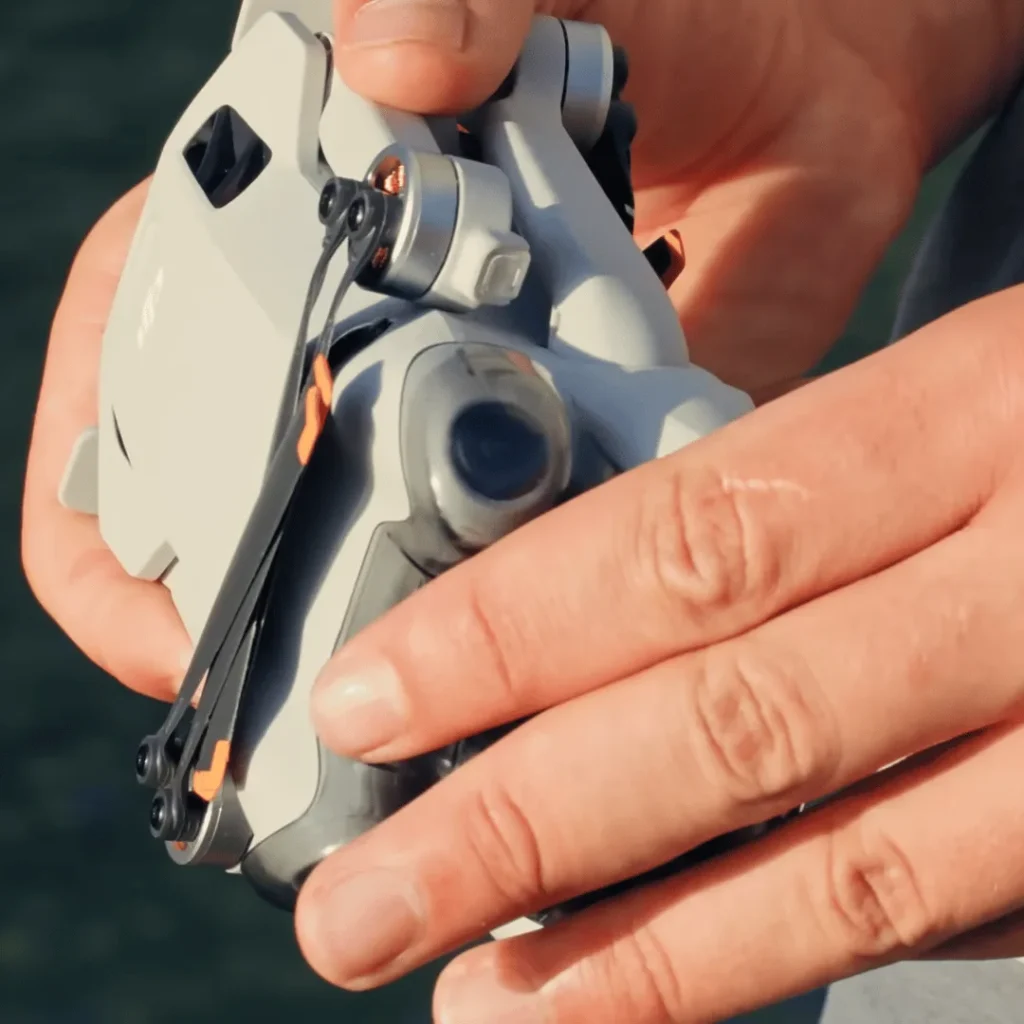
Despite lacking built-in noise reduction features, the DJI Mini 4 Pro can benefit from aftermarket accessories designed to minimize sound output. If you’re looking to reduce the noise level of your Mini 4 Pro, there are options available to help you achieve this goal.
One such option is the MasterAirScrew SUPER STEALTH Upgrade Propellers. These aftermarket propellers are specifically designed for the DJI Mini 4 Pro and claim to offer a noticeable reduction in noise levels.
According to the manufacturer, these propellers can decrease the drone’s noise output by approximately 2 decibels (dB). This reduction can make a significant difference in how others perceive your drone’s noise, especially in quieter environments.
It’s important to note that while these propellers aim to reduce noise, they’re also designed to maintain the drone’s efficiency. This means you won’t have to sacrifice performance for a quieter flight experience.
To further reduce noise, you can also consider flying your Mini 4 Pro at lower speeds and altitudes when possible. Additionally, choosing flight paths that avoid areas where noise might be particularly noticeable or disruptive can help minimize any potential disturbances.
When considering these propellers, keep in mind that proper installation and balance are crucial for optimal performance and safety.
While the DJI Mini 4 Pro may not have built-in noise reduction features, these aftermarket solutions and flying techniques can help you achieve a quieter flight experience. By implementing these strategies, you can enjoy your drone while being mindful of noise concerns.
Factors Contributing to Noise
Several key factors contribute to the noise produced by the DJI Mini 4 Pro during flight. Understanding these elements can help you appreciate the engineering behind this compact drone and how DJI has worked to minimize its acoustic footprint.
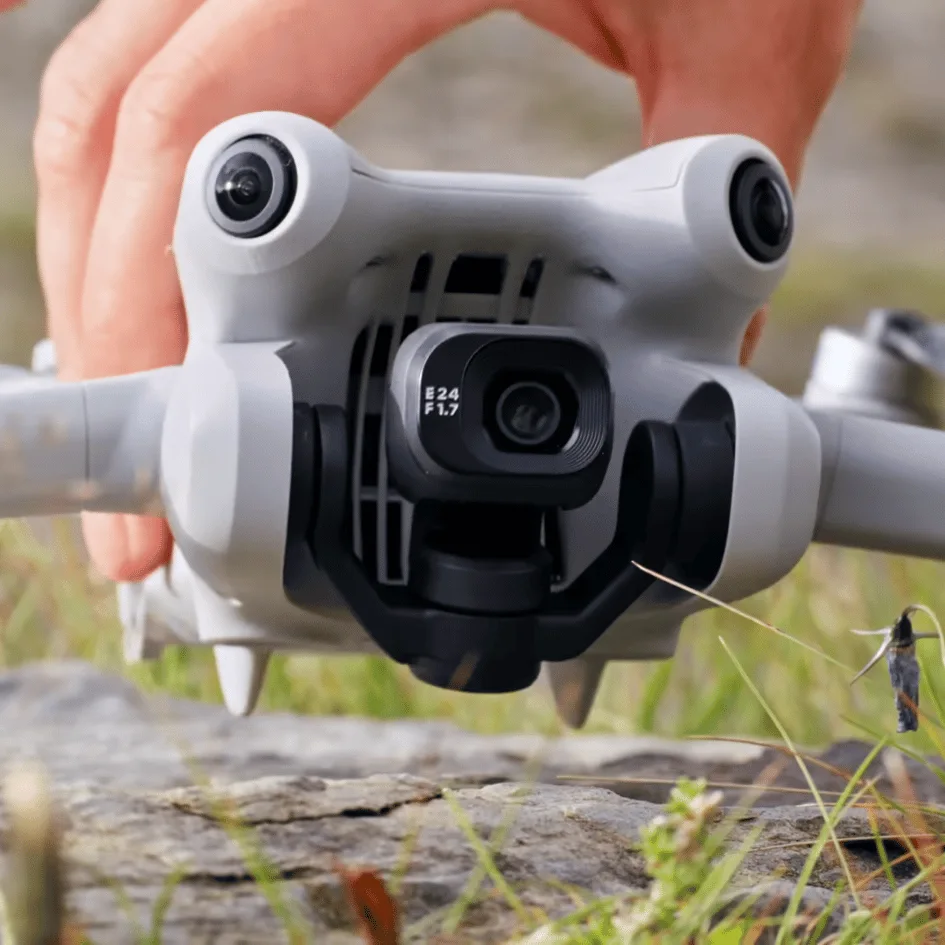
First, let’s consider the propeller design. The shape, size, and material of the propellers significantly impact the drone’s noise level. DJI has likely fine-tuned these aspects to strike a balance between thrust efficiency and noise reduction.
You’ll notice that the Mini 4 Pro’s propellers are designed to cut through the air with minimal turbulence, which helps keep noise down.
Next, motor efficiency plays a crucial role. More efficient motors generate less heat and vibration, resulting in quieter operation. DJI has probably incorporated advanced motor technology to optimize performance while minimizing noise output.
This means you’ll experience a smoother, quieter flight without sacrificing power.
The aerodynamic frame design is another important factor. A streamlined body reduces air resistance and turbulence, which in turn lowers noise levels.
You’ll see that the Mini 4 Pro’s compact and sleek design isn’t just for looks – it’s a functional choice that contributes to its overall noise profile.
It’s worth noting that DJI has likely spent considerable time and resources balancing these factors. They’ve aimed to create a drone that performs well while keeping noise to a minimum. As a result, you’ll find that the Mini 4 Pro offers a flying experience that’s both powerful and relatively quiet compared to many other drones in its class.
Environmental Impact
While the Mini 4 Pro’s noise levels are influenced by its design, the drone’s environmental impact extends beyond its immediate acoustic footprint.
When you’re operating your Mini 4 Pro, it’s important to consider how its sound affects different environments.
In urban areas, you’ll find that the drone’s noise often blends in with the existing ambient sounds. The hustle and bustle of city life, including traffic, construction, and general urban activity, can mask the drone’s buzz. This means you’re less likely to disturb residents or wildlife in these settings.
However, don’t assume your drone will always go unnoticed. Some quiet urban spaces, like parks or residential areas, might still be sensitive to the added noise.
In contrast, when you’re flying in rural or natural settings, the Mini 4 Pro’s sound becomes more noticeable. The quieter background of these areas allows the drone’s noise to stand out more prominently. This increased audibility can potentially impact wildlife or disturb the peace of nature enthusiasts.
To minimize your environmental impact, consider flying during less sensitive times of the day and avoid areas where animals are known to nest or gather.
Conclusion
You’ve learned about the DJI Mini 4 Pro’s noise levels, how it compares to other drones, and its noise reduction features.
You now understand the factors that contribute to drone noise and its environmental impact.
To minimize disturbance, choose quiet flying locations, maintain your drone, and follow local regulations.
Remember, while the Mini 4 Pro is relatively quiet, it’s still important to be considerate of others when flying.
With this knowledge, you can enjoy your drone responsibly.

