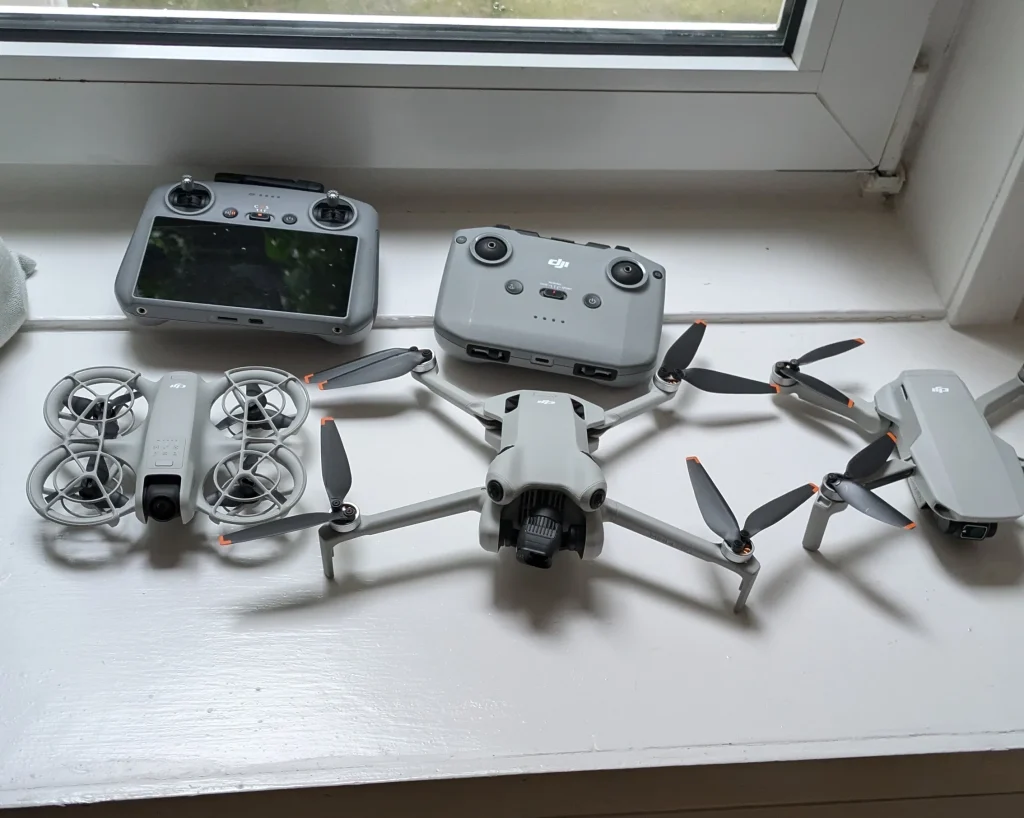
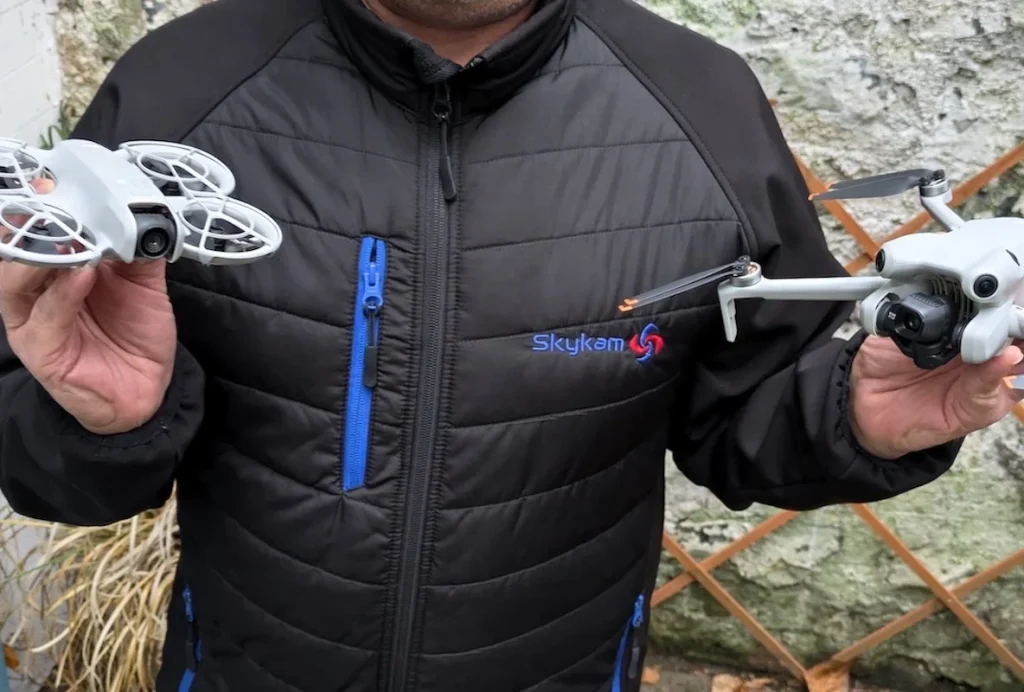
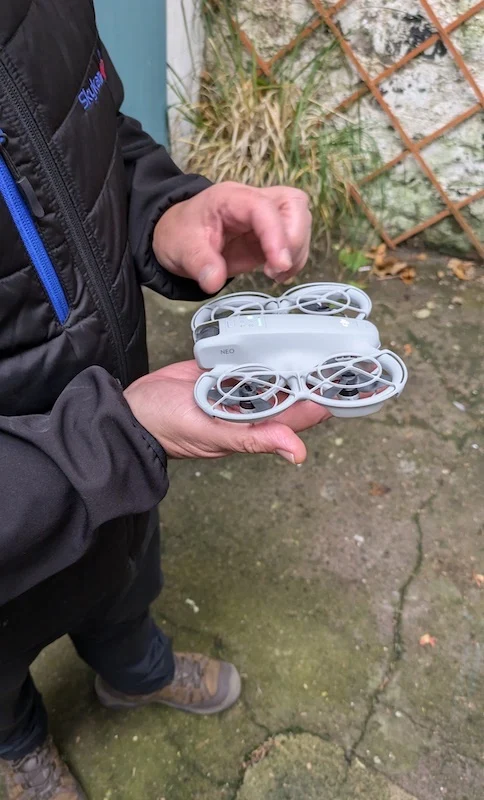
Hey there! James here, As a licensed drone pilot who runs a UK drone service, I’ve learned a lot about drone laws. If you’re flying a drones under 250g drone like the DJI Mini 2, 3, 4 Pro, or the new DJI NEO, there are some specific rules you need to follow.
Let me share what you need to know to do step-by-step to fly sub 250g drones legally in the UK.
UK’s 2024 Drone Laws For Drones Under 250g
- Always keep your drone within visual line of sight
- The maximum allowed flying height is 400 feet (120m) above the surface
- Do not fly directly over crowds of people
- Do not fly in restricted airspace, including near airports and airfields
- Do not fly over Sites of Special Scientific Interest (SSSIs) or Special Areas of Protection (SAPs)
- Drones under 250g can be flown with no minimum horizontal distance from uninvolved people (but not crowds)
- You can fly with no minimum horizontal distance from built-up areas
- You can fly sub 250g drones in residential, recreational, commercial, and industrial areas
- Pilots must be at least 12 years old to fly a drone with a camera solo
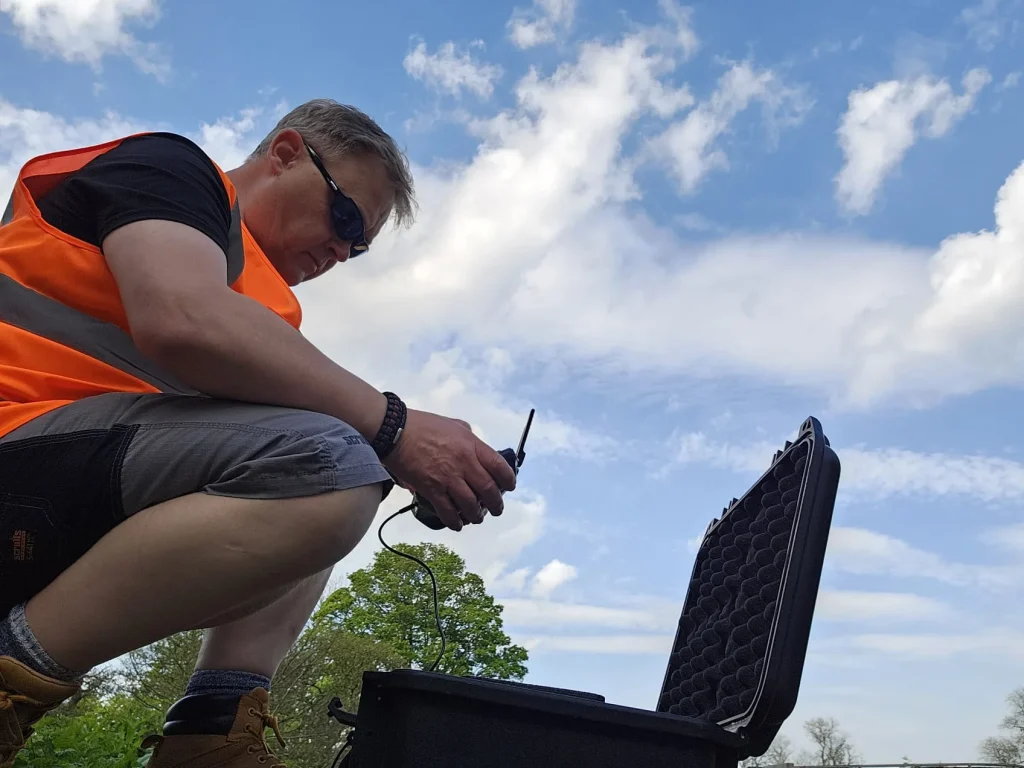
What You Need To Legally Fly A 250g Drone In the UK
For sub-250g drones in the UK, you don’t need a license, but you’ll still need to obtain an Operator ID from the CAA for £11.13 annually if your drone has a camera.
While not legally required, it’s recommended to get a free Flyer ID as well.
Remember to visibly label your drone with your Operator ID, unless it’s classified as a toy drone, which is exempt from this requirement.
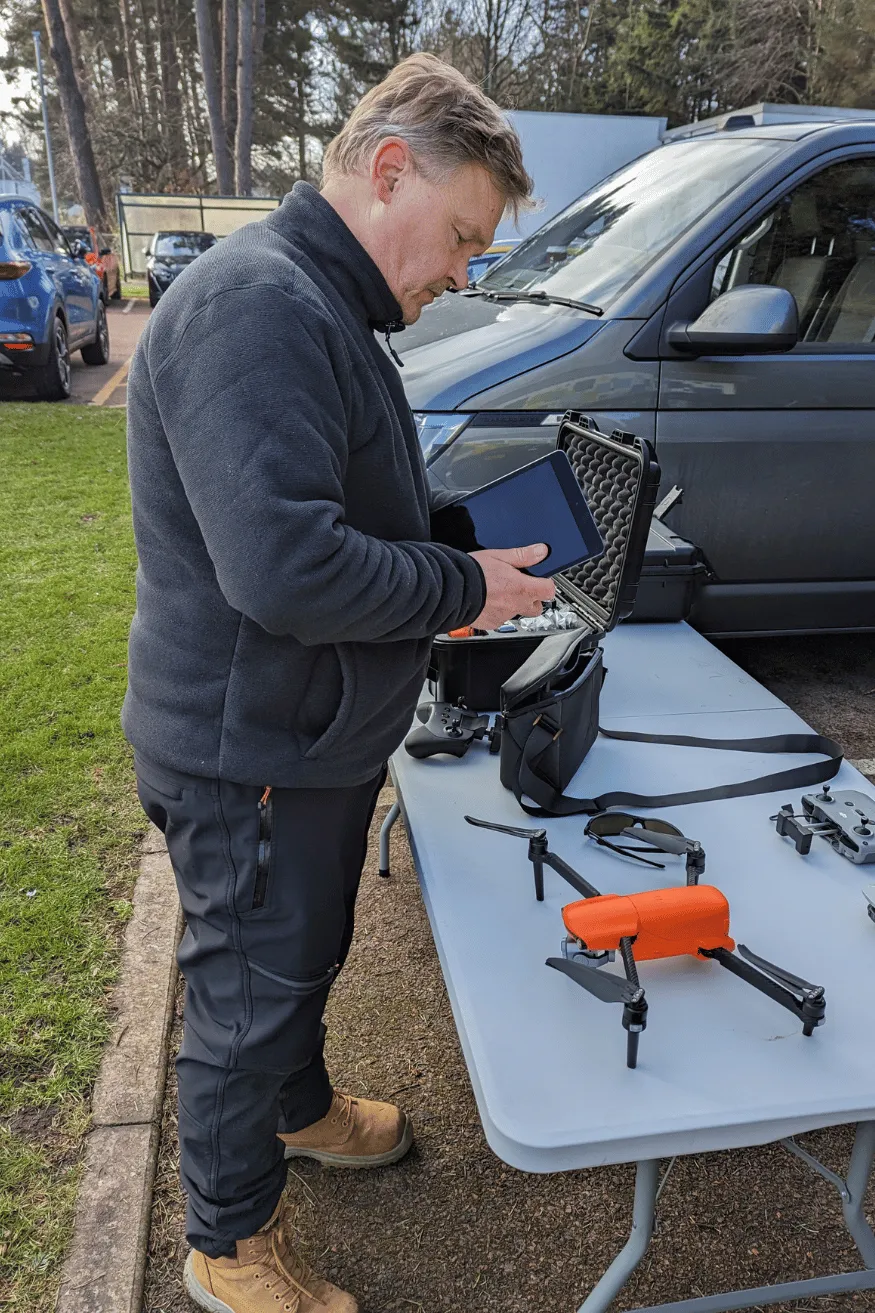
You Legally Need A Drone Operator ID That Costs £11.13
You do not need a license to fly a drone under 250g, but you will need to register for an operator ID if the drone is equipped with a camera. A drone operator ID is a unique identification number issued by the Civil Aviation Authority (CAA) to individuals who are responsible for a drone.
This applies to all camera-equipped drones, except those classified as toys. The Operator ID costs £11.13 and is valid for one year.
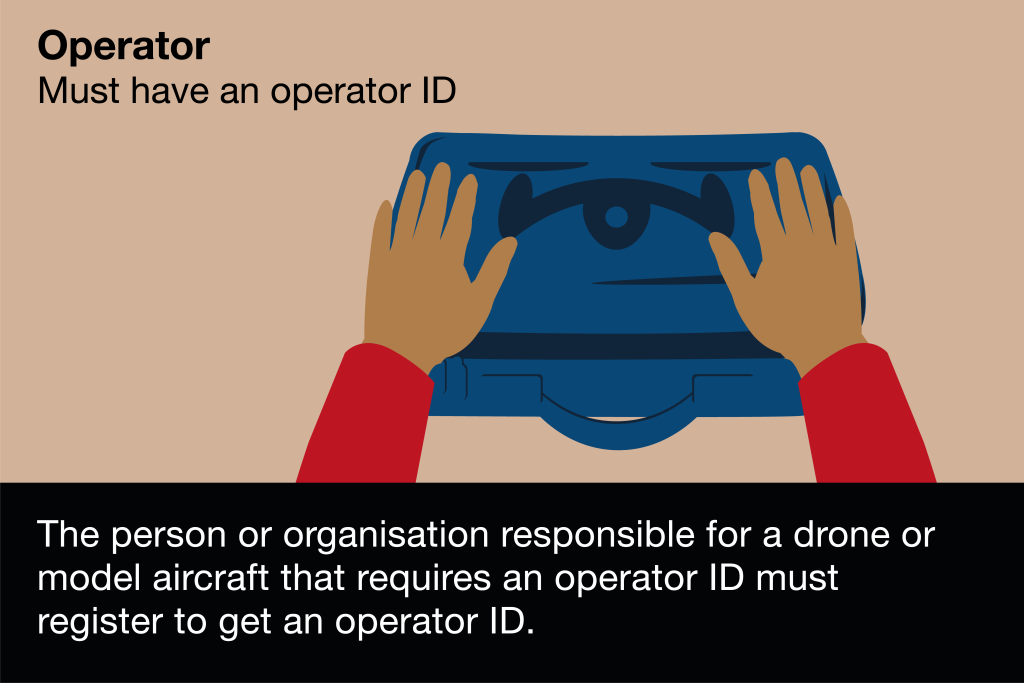
To get your Operator ID, you’ll need to visit the Civil Aviation Authority (CAA) drone registration website at register-drones.caa.co.uk.
Start by clicking the “Start” button under the “Before you start” section. You’ll then provide your personal details, including your email address, which you’ll need to verify.
You Can Check My Full: Step-By-Step Guide To Getting Your Drone Operator ID
After completing the registration process, you’ll pay the £11.13 fee.
Once payment is processed, you’ll receive an email containing your Operator ID.
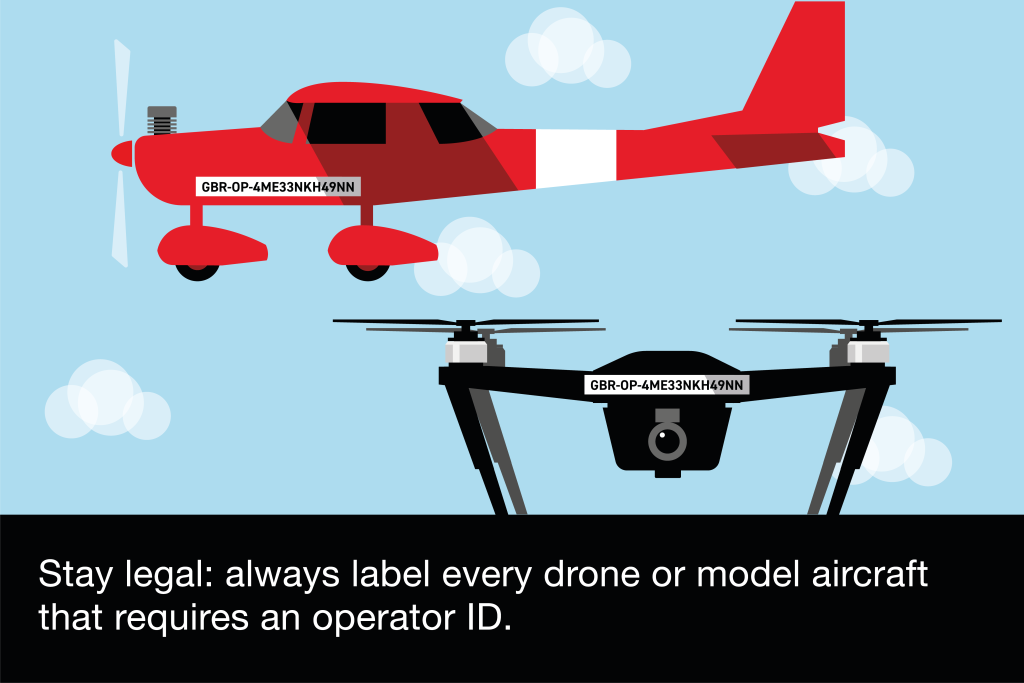
Put Your Drone Operator ID On Your 250g Drone
After getting your operator ID, It’s crucial to label your operator ID on every 249g drone for which you’re responsible.
The labeling process is straightforward but crucial for identification and accountability.
Use your Operator ID, not your Flyer ID, to label your drone.
Write it in clear, block capital letters that are taller than 3mm. Place the label on the main body of the aircraft, ensuring it’s visible from the outside or within an easily accessible compartment that doesn’t require tools to open.
I recommend these Because
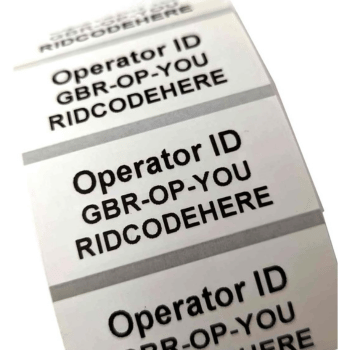
- They’re waterproof and durable, so I know my ID will stay readable no matter the weather conditions I fly in.
- I can fly with peace of mind, knowing they comply with CAA UK regulatory requirements for drone operators.
- I appreciate how the clear background and black text provide excellent readability without ruining my drone’s look.
Make sure the label is secure and protected from damage.
You’ll need to label all drones you’re responsible for with your Operator ID, even if multiple people fly them. The good news is that you can use the same Operator ID for all your drones and model aircraft.
You may want to consider using specially made drone labels that meet the UK requirements. These labels often come with a 3mm font size and an additional line for extra information.
A Flyer ID Is Recommended But Not Legally Reguired
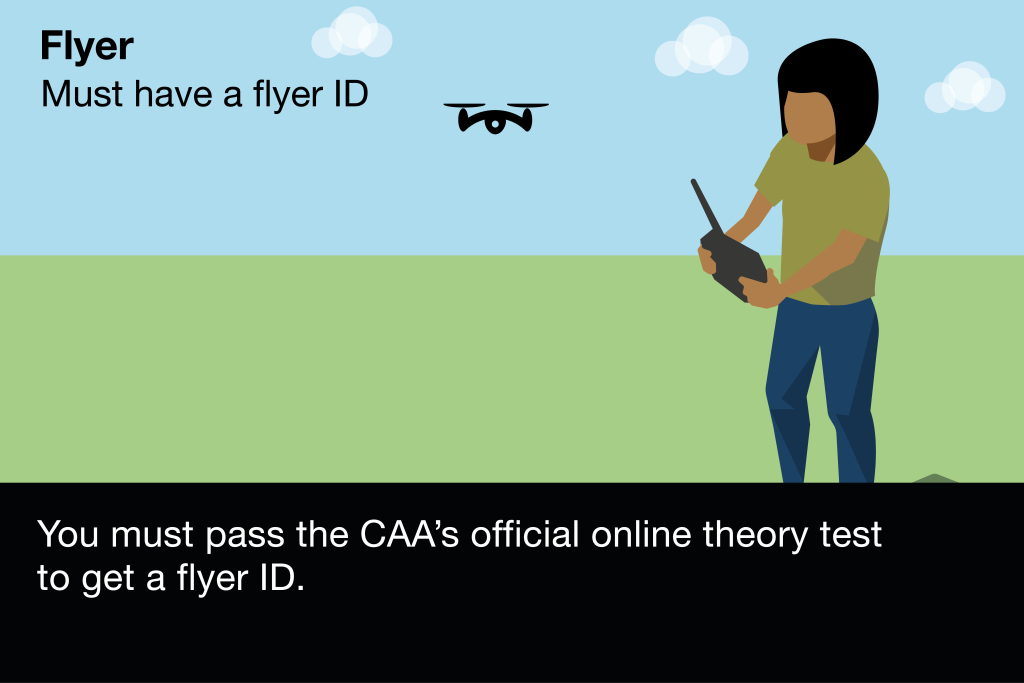
While obtaining a Flyer ID isn’t legally required for sub-250g drones in the UK, it’s highly recommended. The Civil Aviation Authority (CAA) offers this free certification to ensure you understand safe and legal drone operation.
Even though you’re not obligated to get one for your lightweight drone, it’s a valuable resource that provides essential information about responsible flying.
To get your Flyer ID, visit the CAA’s drone registration website and create an account. You’ll need to study the Drone Code, which outlines crucial safety guidelines and regulations.
Then, take the online theory test, which is open-book and designed to reinforce your knowledge of safe drone practices.
The Flyer ID is valid for five years and doesn’t cost anything.
You Can Check My Full: Answers Guide To The Flyer ID Drone Test
Toy drones exempt from Operator ID requirement
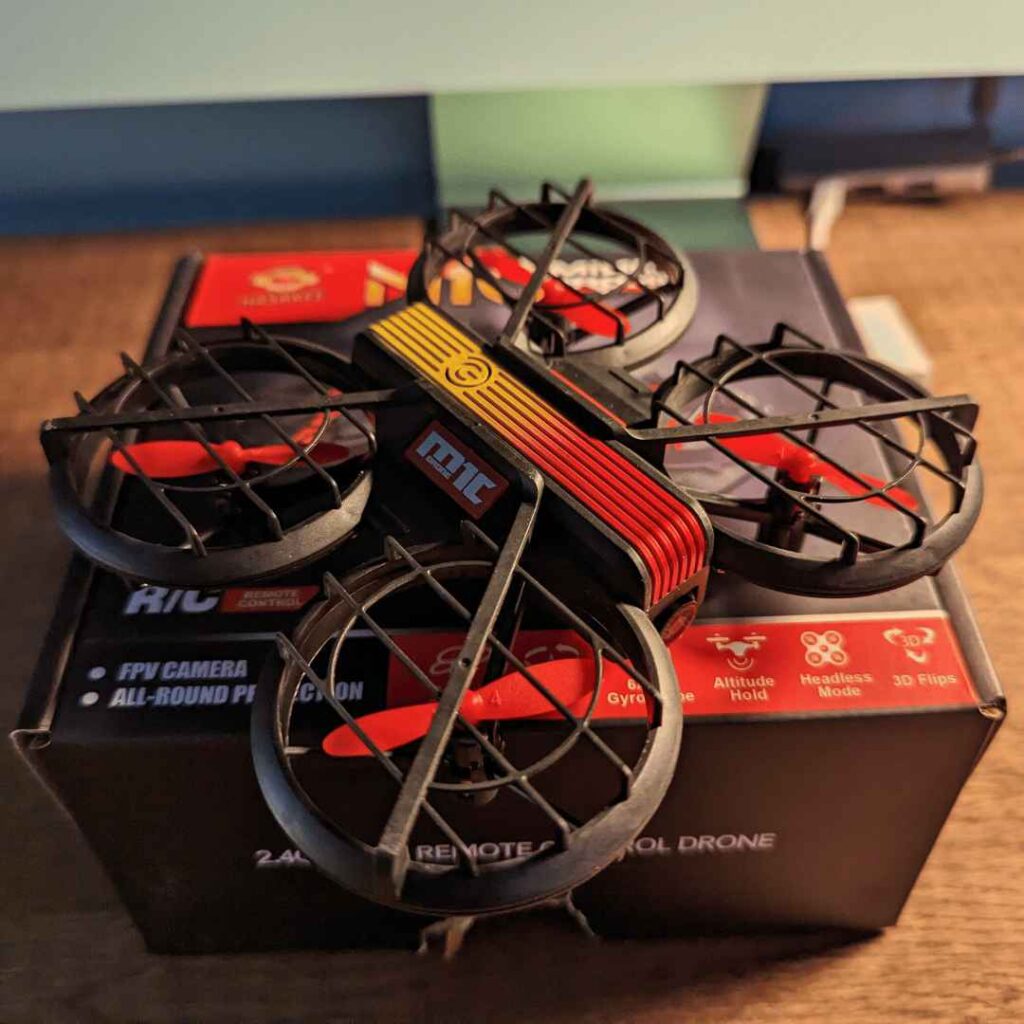
Many toy drones fall into a special category that exempts them from the Operator ID requirement in the UK. These are typically lightweight devices intended for use by children under 14 years old, with limited performance capabilities.
If your drone weighs less than 250g and doesn’t have a camera, you’re in luck – you don’t need to register for an Operator ID or obtain a Flyer ID.
This exemption makes it easier for kids and hobbyists to enjoy flying small, simple drones without the bureaucratic hassle of registration.
However, it’s crucial to remember that even if you don’t need to register, you’re still bound by the rules of the Drone and Model Aircraft Code, commonly known as the “Drone Code.”
UK’s 250g Drone Laws Explained
Always keep your drone within visual line of sight
Keeping your sub 250g drone in sight isn’t just good practice—it’s the law. As a drone pilot, you’re required to maintain visual line of sight (VLOS) with your aircraft at all times. This means you must be able to see your drone directly without using binoculars, telescopes, or other visual aids.
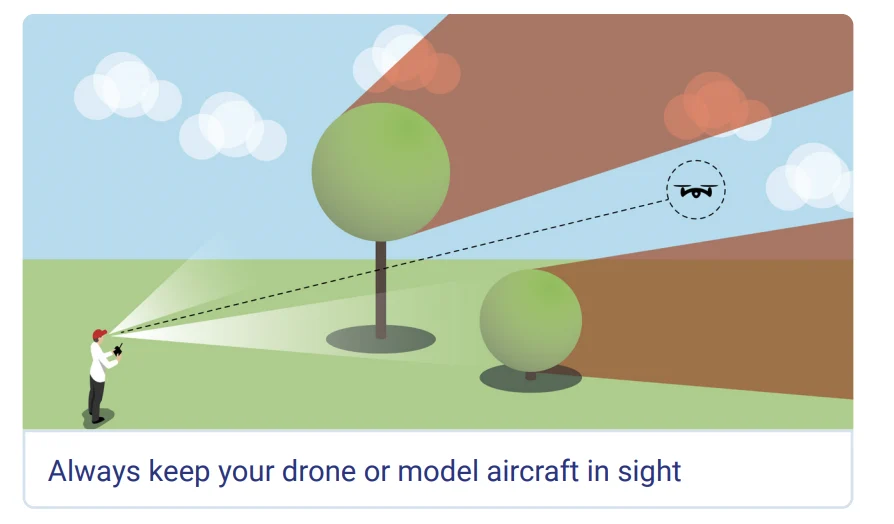
To comply with this regulation, ensure you can visually determine your drone’s orientation and position throughout its flight. Keep it close enough to see clearly and control its path to avoid collisions. Factors like the drone’s size, color, lighting, weather conditions, and terrain will affect your ability to maintain VLOS, so adjust your flight distance accordingly.
While flying, constantly assess your ability to see the drone clearly. Be prepared to bring it back closer if visibility becomes compromised due to changing conditions or distance.
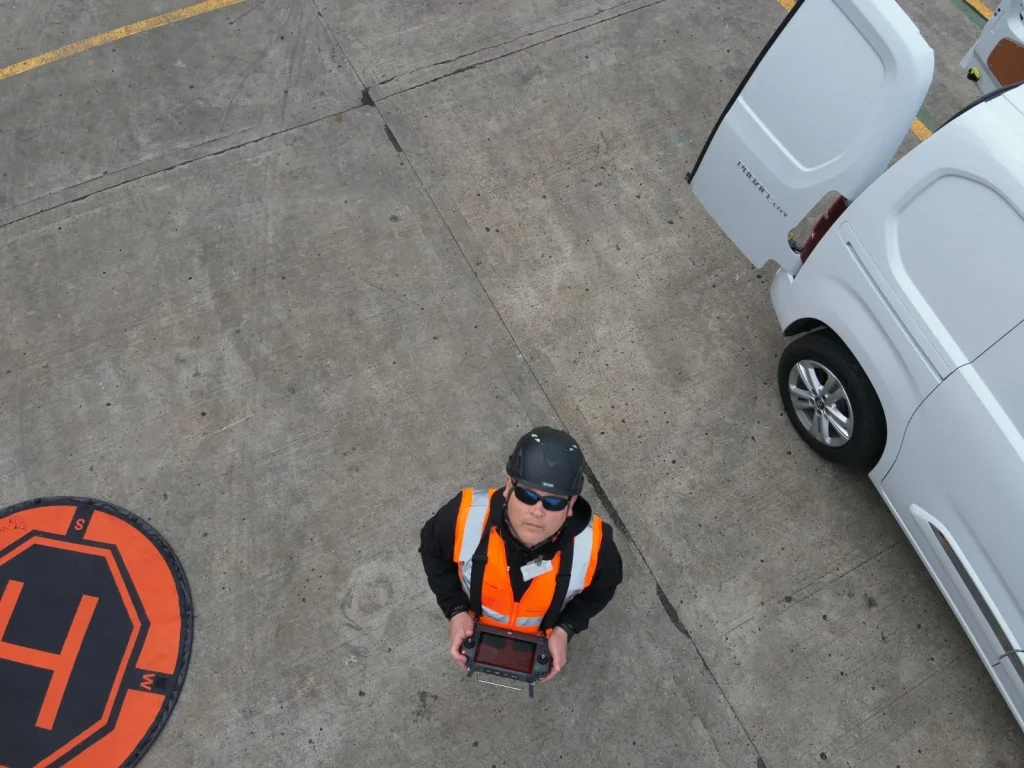
Remember, seeing your drone as a dot in the sky doesn’t count as proper VLOS—you must be able to visually determine its orientation and monitor its surroundings at all times.
If you’re using first-person view (FPV) equipment, you’ll need a competent observer next to you who maintains VLOS with the aircraft. FPV alone doesn’t satisfy the VLOS requirement.
Consider using a drone with bright colors or additional lighting to enhance visibility, especially in challenging conditions or when flying larger drones that can be operated at greater distances.
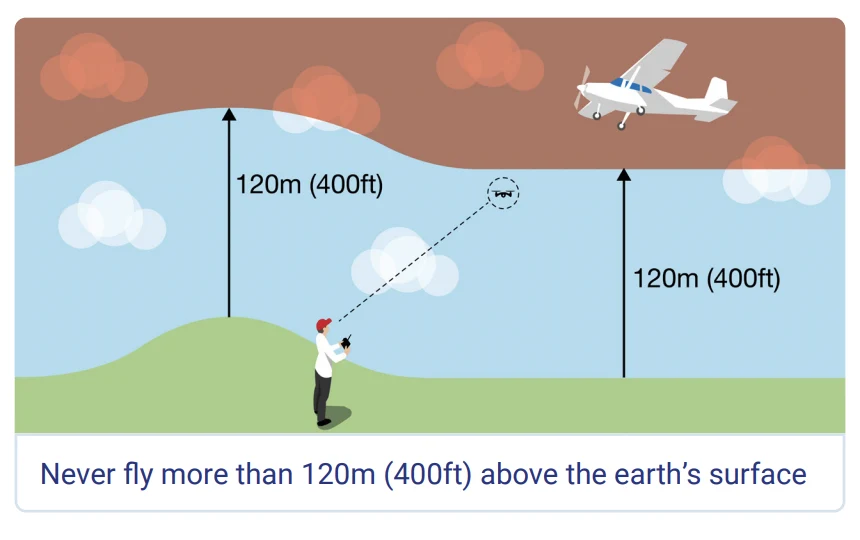
The maximum allowed flying height is 400 feet (120m) above the surface
In the UK, drone laws stipulate that you must never fly your drone more than 400 feet (120 meters) above the closest point of the earth’s surface.
This rule applies to all drone flights, whether you’re flying for fun or business.
To ensure you’re staying within the legal limit, make use of your 250g drone’s built-in altitude limiters. All of DJI’s mini drones series come equipped with software that allows you to set a maximum altitude. By using this feature, you can prevent accidentally exceeding the 400-foot limit.
Keep a constant eye on your drone’s altitude using the controller’s display or app. This real-time monitoring will help you stay aware of your drone’s position relative to the ground.
Remember that when flying over hills, mountains, or cliffs, you’ll need to adjust your flight path to maintain the 120-meter limit from the closest surface point.
Familiarize yourself with how your drone looks at 400 feet altitude. This visual cue will help you gauge height even without relying on instruments.
Additionally, be mindful of environmental factors like wind and air pressure, which can affect your drone’s altitude. Be prepared to make adjustments as needed.
Do not fly directly over crowds of people
One of the most critical rules for drone pilots in the UK is to avoid flying directly over crowds of people. This regulation applies to all drones, regardless of their size or weight, including those under 250g. It’s designed to protect people in areas where they can’t easily move away due to crowd density, such as shopping centers, sports events, concerts, festivals, and beaches.
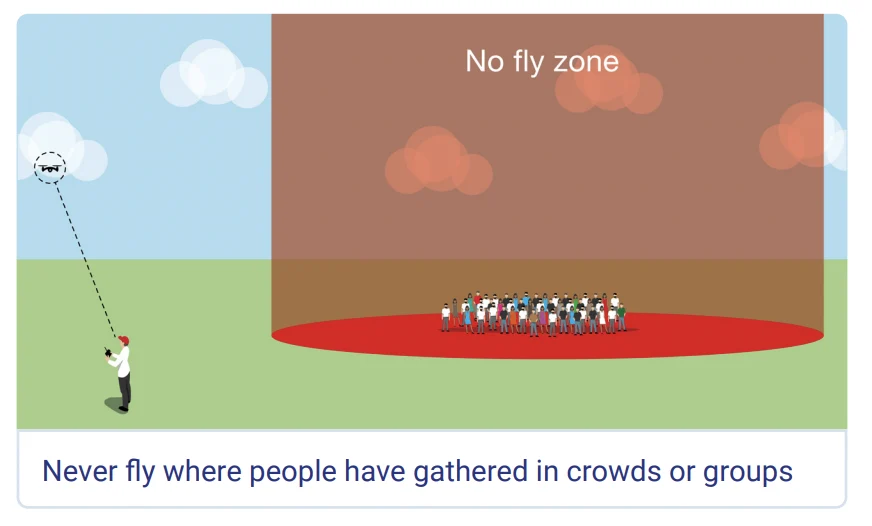
To comply with this law, you’ll need to plan your flight path carefully. Always avoid flying over crowded areas, even if you’re operating at a higher altitude than the minimum required distance. Use your drone’s camera feed or map features to identify and steer clear of crowds before and during your flight.
If you unexpectedly encounter a crowd while flying, immediately alter your course to go around them rather than over them.
For events or locations where crowds are likely, you might need to obtain special permissions from the Civil Aviation Authority if drone footage is necessary.
Do not fly in restricted airspace, including near airports and airfields
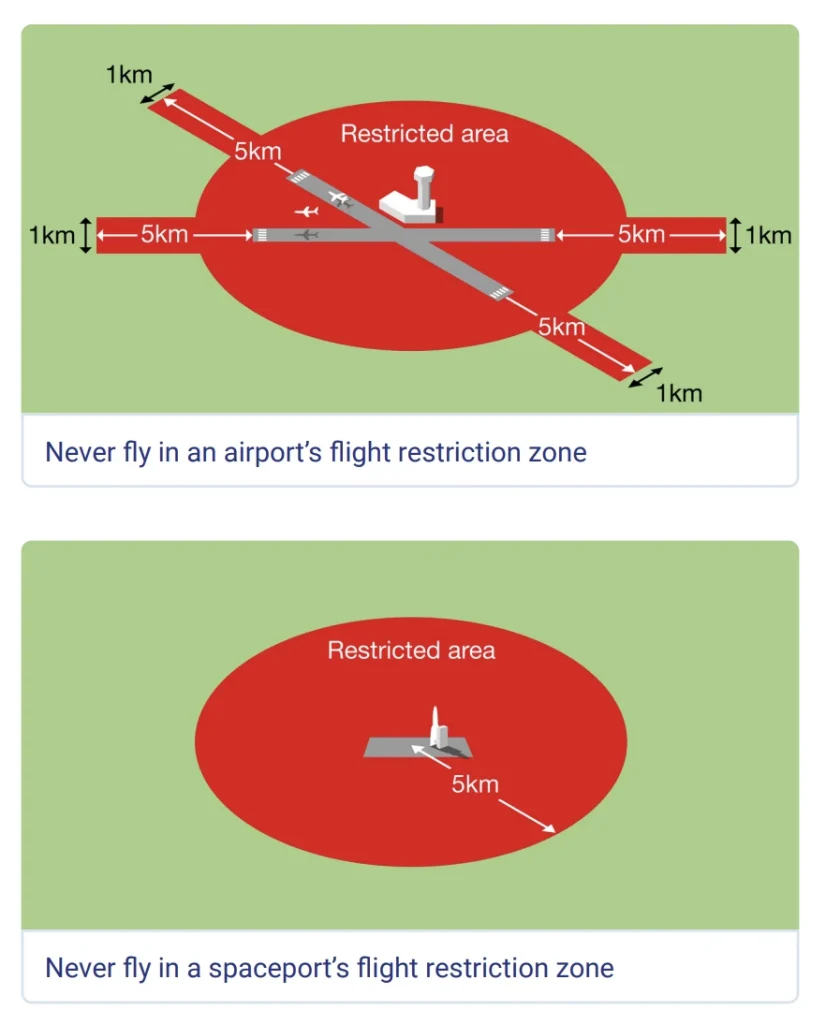
When it comes to flying drones in the UK, restricted airspace is strictly off-limits. This includes areas around airports, airfields, nuclear facilities, and other designated zones. You’re prohibited from flying within 5km of any UK airport or within the Flight Restriction Zone (FRZ) of a protected aerodrome without proper permission.
To comply with these regulations, always check for airspace restrictions before your flight. Use official sources like the NATS website or approved drone apps for accurate information. If your planned flight path is near an airport or within controlled airspace, you must contact the local Air Traffic Control (ATC) and request permission to fly.
Be aware of temporary airspace restrictions that may be implemented for events or emergencies. Avoid flying in Prohibited Areas, Restricted Areas, or Danger Areas at all times.
If possible, use a drone with built-in geofencing technology, which can help prevent you from accidentally entering restricted airspace.
Do not fly over Sites of Special Scientific Interest (SSSIs) or Special Areas of Protection (SAPs)
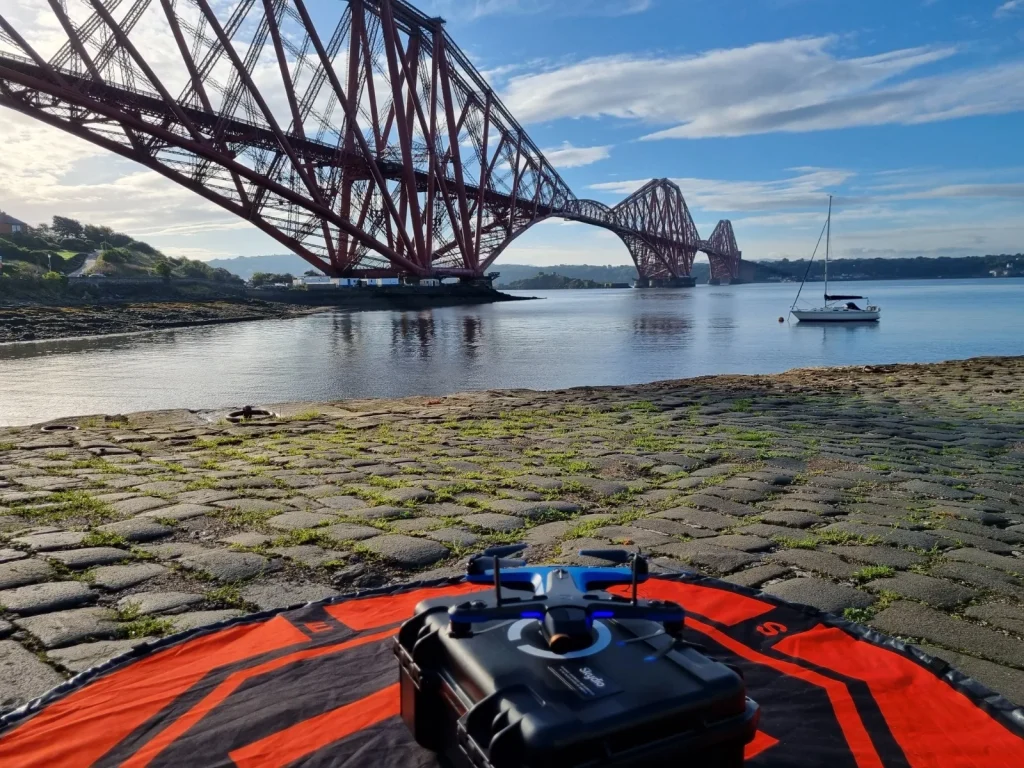
When flying your sub-250g drone, you must avoid Sites of Special Scientific Interest (SSSIs) and Special Areas of Protection (SAPs) without proper consent. This law safeguards sensitive ecosystems, wildlife, and culturally significant areas.
To comply, always check for SSSIs and SAPs in your planned flight area before taking off.
Use official resources like Natural England, Natural Resources Wales, NatureScot, or the Northern Ireland Environment Agency websites. You can also utilize drone flight planning platforms and apps that integrate SSSI information, such as Altitude Angel’s services, to identify these protected areas during your pre-flight planning.
If you need to fly near or over an SSSI or SAP for a specific purpose, contact the relevant authority (e.g., Natural England) to obtain permission and any necessary licenses beforehand. When flying near these areas, maintain a safe distance to avoid disturbing wildlife or ecosystems, even if you’re not directly over the protected site.
Be aware that some SSSIs may have specific bylaws or restrictions. Always look for local signs and adhere to any posted guidelines.
Drones under 250g can be flown with no minimum horizontal distance from uninvolved people (but not crowds)
If you’re flying a drone weighing less than 250g, you’ll find more flexibility in how close you can fly to uninvolved individuals. This law allows you to operate without a minimum horizontal distance from people, but it’s crucial to understand the nuances and limitations.
First, ensure your drone’s weight, including any batteries, doesn’t exceed 249g. Accurate measurement is essential for compliance. Although there’s no minimum distance requirement, always prioritize safety and courtesy.
Maintain a reasonable distance from uninvolved people when possible, even if you’re not legally obligated to do so.
Remember, this exemption doesn’t apply to crowds.
You must still avoid flying over or near densely populated areas or gatherings. Use your drone’s camera feed to monitor your surroundings and adjust your flight path if people unexpectedly enter the area.
Don’t forget that other drone laws still apply. You must maintain visual line of sight and not fly above 400 feet, even with sub-250g drones.
You can fly with no minimum horizontal distance from built-up areas
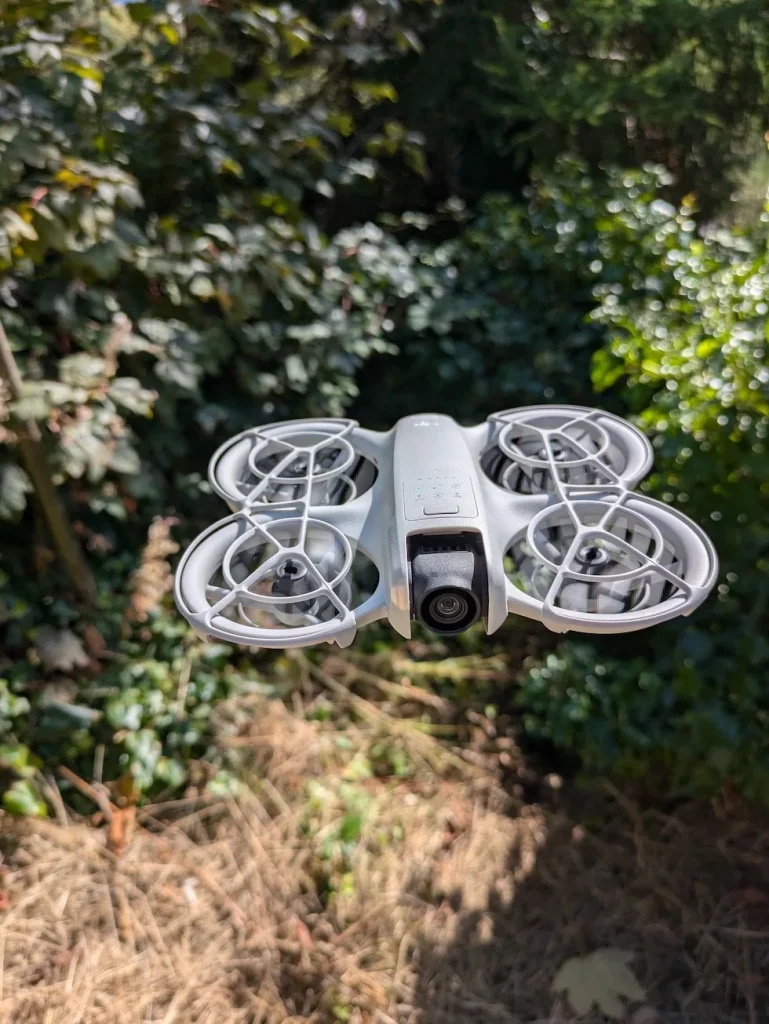
The law now allows you to fly without a specific minimum horizontal distance from towns, cities, and densely populated zones. This flexibility doesn’t mean you can ignore other crucial drone regulations, though.
You’re still required to maintain visual line of sight with your drone and avoid flying over crowds or assemblies of people. Safety should always be your top priority. Before taking off near buildings or in urban areas, conduct a thorough risk assessment. Look out for potential hazards like power lines, antennas, and unexpected obstacles that could interfere with your flight.
When flying near buildings, be mindful of privacy concerns. Don’t capture footage of private property or individuals without their consent. Make use of your drone’s obstacle avoidance systems, if available, to help you navigate safely around structures and maintain a safe distance from buildings and people.
Consider using “cinematic mode” or similar settings that limit your drone’s speed. This can make it easier to control your aircraft in confined spaces and reduce the risk of collisions.
Remember that local bylaws or temporary restrictions may still apply in certain areas. Always check for any additional regulations specific to your flight location before taking off.
You can fly in residential, recreational, commercial, and industrial areas
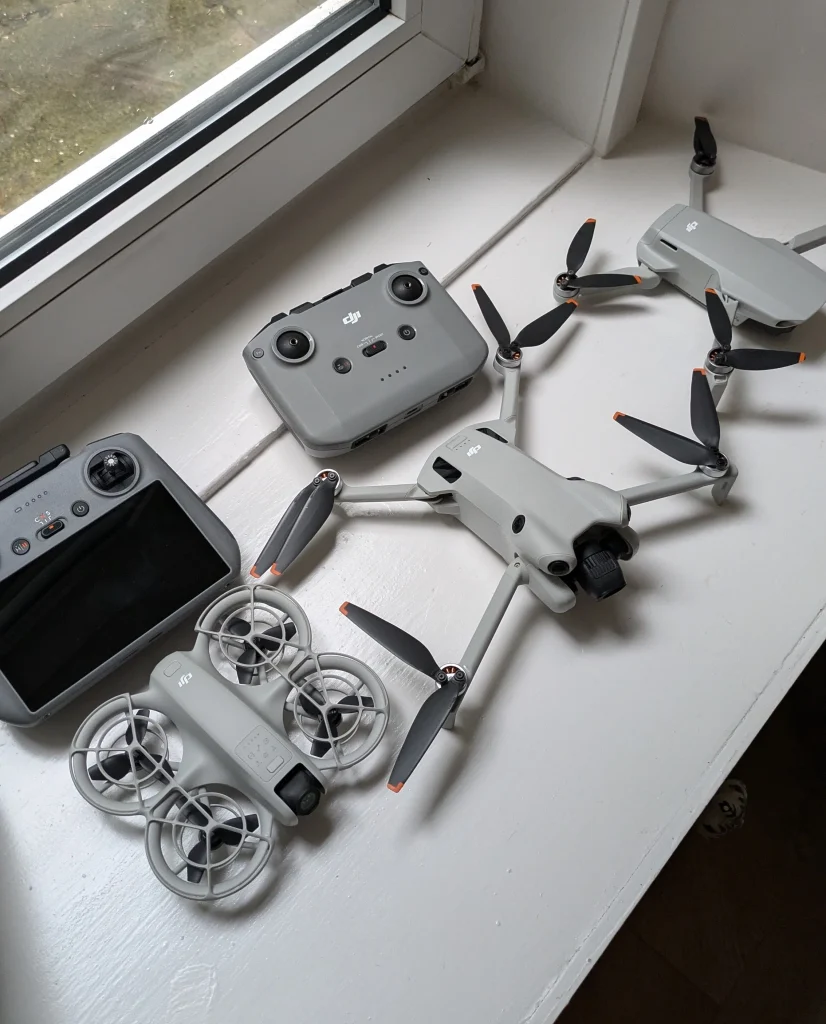
Sub-250g drone pilots in the UK enjoy expanded flying opportunities across various urban and industrial landscapes. The law allows you to fly your lightweight drone in residential, recreational, commercial, and industrial areas, as long as you’re operating within allowed airspace and not violating any local bylaws.
Before taking flight, it’s crucial to check for airspace restrictions using official sources like the NATS website or approved drone apps. This step ensures you’re flying in permitted areas and helps you avoid potential legal issues.
Additionally, research local bylaws and regulations specific to your intended flight location, as some areas may have extra restrictions on drone use.
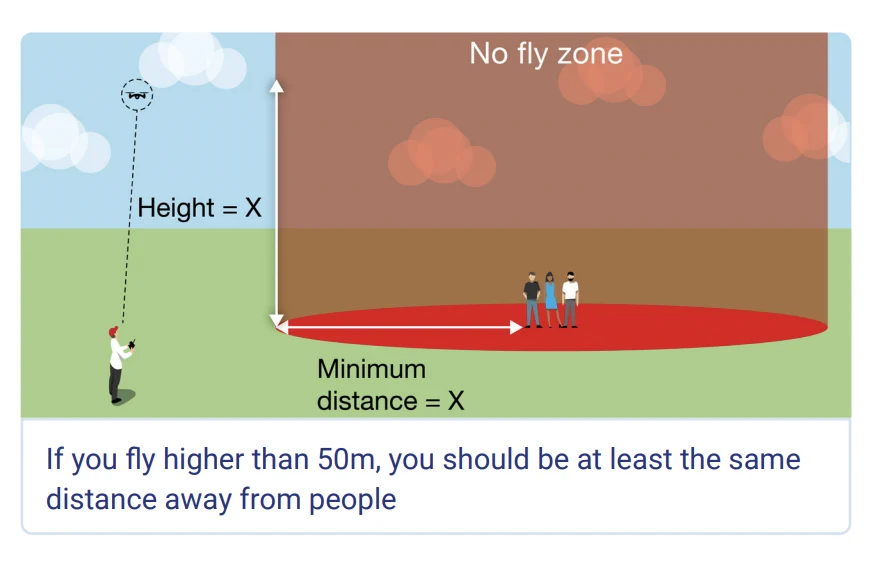
While flying in these diverse settings, you must maintain a minimum distance of 50m from uninvolved people. Never fly over crowds, even if you’re higher than 50m. This rule helps protect public safety and privacy.
Although sub-250g drones offer more flexibility in these areas, you should always prioritize safety and be mindful of privacy concerns. Remember that just because you can fly in these locations doesn’t mean you should disregard common sense and courtesy.
Pilots must be at least 12 years old to fly a 250g drone with a camera solo
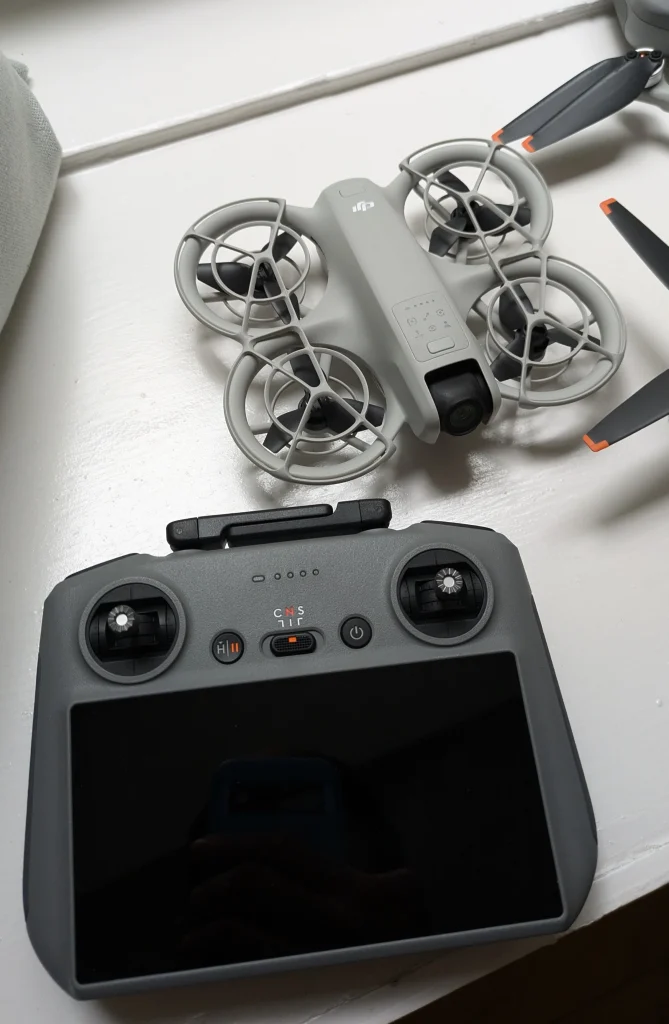
If you’re planning to fly a drone with a camera, you must be at least 12 years old to operate it solo. This rule ensures that pilots have the maturity and responsibility required to handle these devices safely and legally.
If you’re under 12, don’t worry – you can still fly camera drones, but you’ll need direct adult supervision. An adult must take responsibility for the flight and ensure compliance with all drone regulations. This supervision helps younger pilots learn proper drone operation while maintaining safety standards.
For drone pilots aged 12 and above, it’s essential to complete the necessary training and obtain the appropriate operator ID and flyer ID from the Civil Aviation Authority (CAA) before taking to the skies. These credentials demonstrate your understanding of drone laws and safety procedures.
To comply with this age restriction, always carry proof of age when flying your camera-equipped drone. Authorities may request this information, so it’s best to be prepared.
Download Drone Assist For Permissions Information
- You’ll easily spot no-fly zones and hazards, ensuring safe flights.
- You can quickly submit flight plans, promoting airspace safety.
- Its “Fly Now” feature enables efficient pre-flight checks.
- As the UK’s top drone app, it provides reliable, up-to-date information.
Download Altitude Angel (Drone Assist) To Check For Flight Restrictions
To check for flight restrictions, download the Altitude Angel app and use its map interface.
Enter your flight location and review the airspace restrictions, including drone no-fly zones and temporary flight restrictions (TFRs).
You’ll also be able to identify controlled airspace, ensuring you’re aware of all relevant restrictions before taking off.
You can also visit it on desktop here: Drone Safety Map
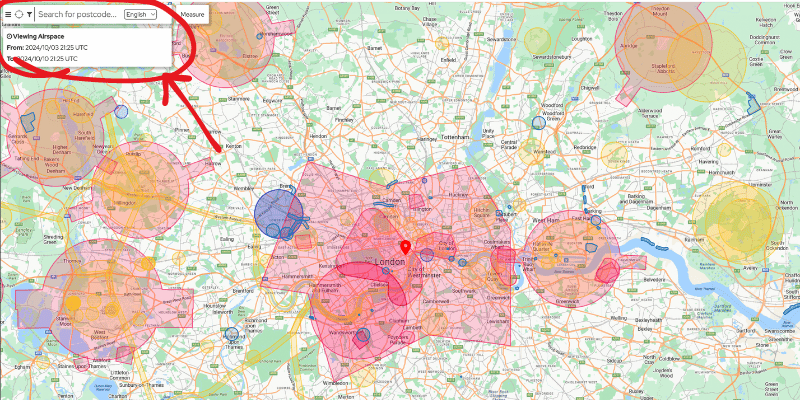
1. Enter Your Flight Location
Altitude Angel, a popular flight planning app, is essential for checking drone flight restrictions in the UK. Once you’ve downloaded the app, you’ll need to input your intended flight location to get accurate information about any restrictions in that area.
To enter your flight location, you have two options.
The first is to manually type your desired location into the app’s search bar. This method is ideal if you’re planning a flight in advance or want to check restrictions for a specific area you’re interested in visiting.
Alternatively, you can use your device’s GPS functionality to pinpoint your current location. This option is particularly useful if you’re already at your intended flight site and want to quickly check for any restrictions in the immediate vicinity.
2. Review Airspace Restrictions
Once you’ve entered your flight location, Altitude Angel will display a detailed map with color-coded zones representing various airspace classifications.
It’s crucial to understand what each color means before you fly your drone.
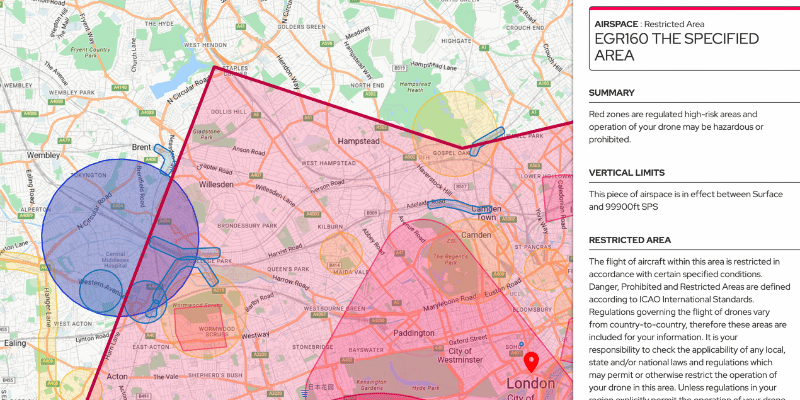
Red Zones
Red zones typically indicate no-fly areas. You’ll want to avoid these completely, as flying in these areas is prohibited.
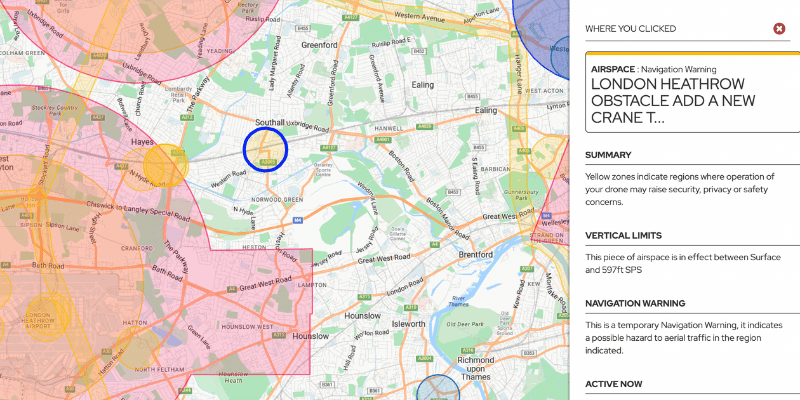
Yellow Zones
Yellow zones require extra caution or permissions. If you’re planning to fly in a yellow zone, you may need to take additional steps or obtain specific authorizations.
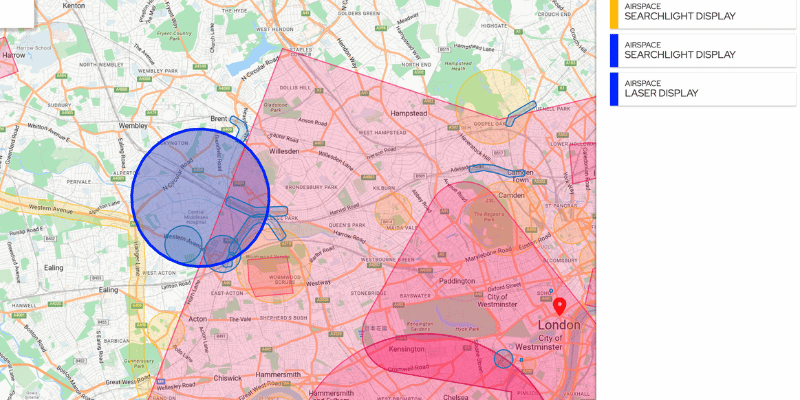
Blue Zones
Blue zones often represent controlled airspace, such as areas around airports. You’ll need to be particularly careful in these areas and may need to obtain clearance before flying.
Look for a color-coded legend within the app that explains what each color represents. This will help you interpret the map accurately.
3. Locate Drone No-Fly Zones
Now that you understand how to interpret the color-coded zones, it’s time to focus on specific no-fly areas.
When examining your drone flight map, pay close attention to clearly marked restricted areas. These no-fly zones are crucial to identify and avoid for safe and legal drone operation.
Look for airports, which are typically depicted as large circular or oval shapes centered on runways. Military installations are often shown as polygonal areas with distinct boundaries. O
ther sensitive locations may include government buildings, prisons, or nuclear facilities. These are usually represented by defined areas with specific icons or labels.
These restricted zones are prominently marked on most drone flight apps and maps. They’re designed to be easily identifiable, often with additional information available when you tap on them.
It’s essential to familiarize yourself with these symbols and markings before each flight.
4. Check for Temporary Flight Restrictions (TFRs)
Drone pilots must stay vigilant about Temporary Flight Restrictions (TFRs. These short-term limitations can significantly impact your flight plans, so it’s crucial to check for them before every flight.
Altitude Angel’s app is an invaluable tool for this purpose, as it updates in real-time to show any temporary restrictions.
When using the app, you’ll notice various types of TFRs displayed on the map. Event-based TFRs often appear as distinct overlays, while emergency TFRs are typically marked with warning symbols or bright colors to grab your attention.
Time-limited restrictions feature a clock icon or date information.
Look for a dedicated section in the app that lists current TFRs, providing details about their duration and reasons. This information helps you make informed decisions about when and where to fly safely.
5. Identify Controlled Airspace
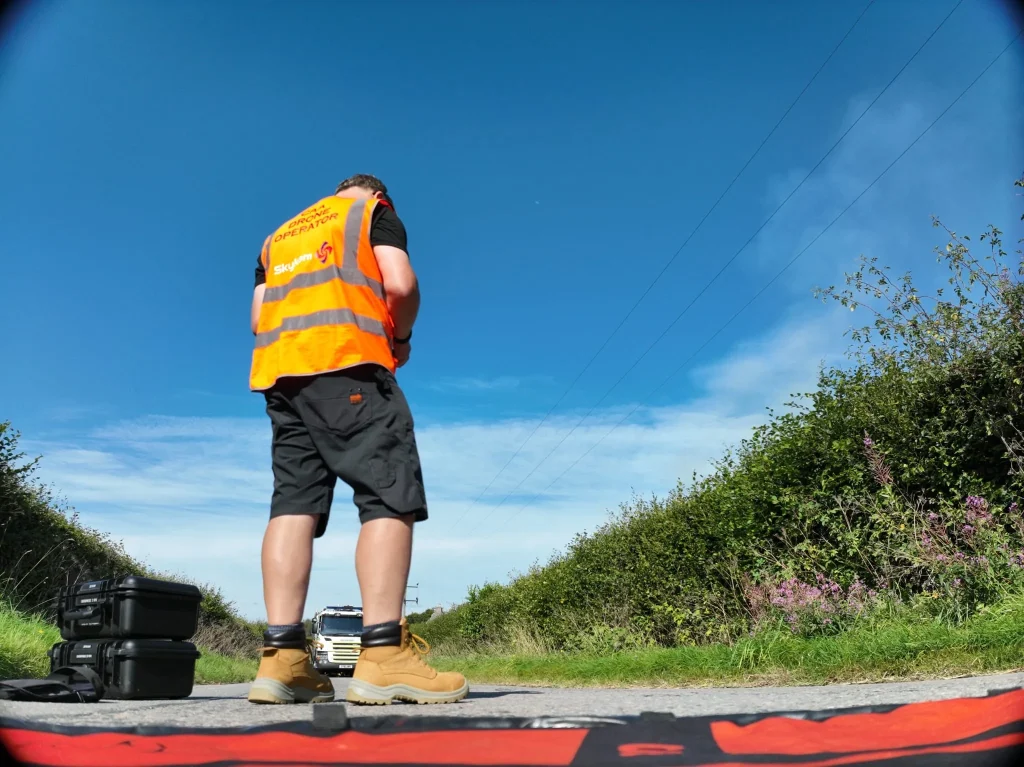
Understanding controlled airspace is crucial for safe drone operation. When planning your flight, you’ll need to identify any controlled airspace in your intended area. Controlled airspace is typically represented on maps using different shades or patterns, making it easier for you to spot potential restrictions.
You’ll want to look for various classes of airspace, labeled from A to G, each with its own set of rules and regulations.
Pay close attention to altitude restrictions, which are often indicated by numbers showing the maximum allowed heights for drone flights.
Around airports, you’ll notice Air Traffic Control (ATC) zones, usually depicted as circular or stepped circular shapes. These areas require explicit permission from ATC before you can fly your drone.
6. Spot Potential Ground Hazards
Beyond airspace considerations, spotting potential ground hazards is essential for safe drone operation. As a drone pilot, you must be acutely aware of your surroundings and potential obstacles that could interfere with your flight.
Drone Assist, a valuable tool for UK pilots, can help you identify these hazards before you even take off.
When planning your flight, use Drone Assist to scan your intended area for potential ground hazards. The app will highlight buildings, power lines, and other obstacles that might pose a risk to your drone. This information is crucial for planning a safe flight path and maintaining visual line of sight with your aircraft.
Don’t rely solely on the app, though. Always conduct a visual inspection of your surroundings before takeoff. Look for trees, antennas, or temporary structures that mightn’t be included in the app’s database.
Pay attention to moving hazards as well, such as vehicles or pedestrians.
7. Plot Your Flight Path and Submit
After thoroughly assessing potential hazards and restrictions, it’s time to plot your flight path. Utilizing the Altitude Angel app, you’ll be able to map out your drone’s route with precision and ease.
This powerful tool allows you to consider all the factors you’ve identified during your assessment, ensuring a safe and compliant flight.
Once you’ve plotted your course, you have two options: schedule a future flight or use the ‘fly now’ feature for immediate operations. This flexibility allows you to plan ahead or take advantage of spontaneous opportunities when conditions are ideal.
As you plot your path, the app will automatically detect if your intended route intersects with any approval areas. If it does, don’t worry – the app will guide you through the process of requesting the necessary permissions.
This streamlined approach takes the guesswork out of compliance, helping you navigate the regulatory landscape with confidence.
Conclusion
You’ve learned the key rules for flying a sub-250g drone in the UK. Remember, you don’t need a license, but you must follow safety guidelines. Keep your drone in sight, under 400 feet, and away from crowds and restricted areas. Check local bylaws and use the Altitude Angel app to verify flight restrictions. If you’re at least 12, you’re good to go. Enjoy flying responsibly and safely in the UK’s skies!

