
The UK’s drone laws in 2025 can seem complex, but they are designed to keep everyone safe. As of 2025, the Civil Aviation Authority of the United Kingdom (CAA), the nation’s governing body for aviation matters, has implemented a comprehensive and robust set of drone laws.
These regulations are designed to promote the safe, responsible, and lawful operation of drones across the United Kingdom, encompassing various types of drone usage, from recreational to commercial applications.
UK Drone Laws 2025
Drones are not permitted to fly higher than 400 feet (120 meters)
This height restriction prevents interference with manned aircraft and maintains safe airspace separation. All drone flights must stay below this ceiling to ensure aviation safety.
- Set altitude limits in drone settings
- Monitor height display during flight
- Consider ground elevation
- Maintain visual reference points

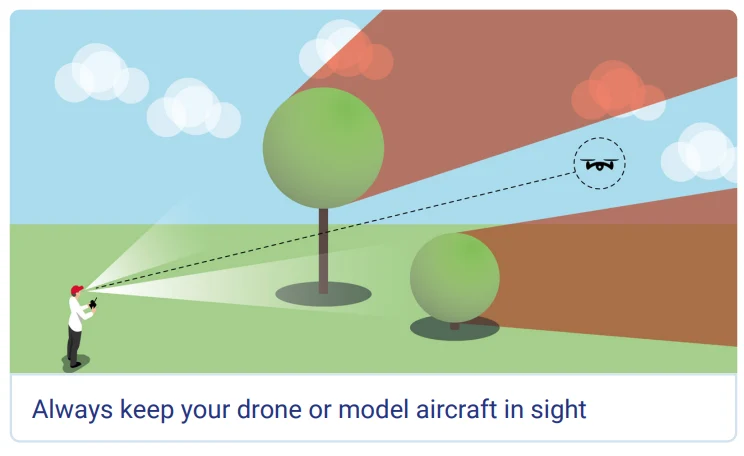
Operators must maintain a line of sight with their drone at all times
Maintaining visual contact ensures immediate response to potential hazards and maintains operational control. First-person view (FPV) equipment alone is not sufficient for compliance.
- Choose clear weather conditions
- Avoid flying behind obstacles
- Keep drone within visible range
- Use a spotter if needed

Permission is required before flying in restricted airspace
Access to restricted airspace requires explicit authorization from relevant authorities. Operators must plan ahead and obtain necessary permissions before flight.
- Check airspace classification
- Submit permission requests
- Wait for authorization
- Keep documentation on hand

Do not fly your drone within a 5-kilometer radius of airports.
This critical safety zone protects aircraft during takeoff and landing phases. The restriction applies to all types of airports and airfields.
- Check airport locations
- Measure distances accurately
- Use aeronautical charts
- Enable geofencing if available
A minimum distance of 50 meters must be maintained from uninvolved persons
This safety buffer protects members of the public not involved in drone operations. The distance must be maintained horizontally from any person.
- Assess crowd conditions
- Choose quiet flying areas
- Monitor public movement
- Plan emergency landing zones
Drones below 250 grams are permitted to fly closer and over people
Lightweight drones have more flexible operating rules due to their reduced risk profile. However, operators must still exercise caution and responsibility.
- Verify drone weight with batteries
- Maintain documentation of weight
- Exercise reasonable caution
- Monitor wind conditions

Drones weighing 250 grams or more must be operated at least 150 meters away from parks, industrial areas, residential zones, and other built-up locations.
Heavier drones require greater separation from populated areas to ensure public safety. This distance requirement applies to any residential, commercial, or industrial zones.
- Map out built-up areas
- Measure distances accurately
- Plan flight paths carefully
- Document flight locations
If a drone is equipped with a camera, the operator must register for an Operator ID with the CAA.
Camera-equipped drones require official registration to ensure operator accountability and privacy protection. Registration must be renewed annually.
- Complete CAA registration
- Display Operator ID on drone
- Keep documentation current
- Understand privacy laws

Insurance is mandatory for commercial drone use.
Commercial drone operators must maintain appropriate insurance coverage throughout their operations. This includes public liability and equipment coverage.
- Obtain comprehensive coverage
- Review policy details
- Keep insurance current
- Carry proof of insurance

Compliance with these regulations is required during both daytime and nighttime operations.
All drone regulations apply regardless of time of day or lighting conditions. Night operations require additional safety measures and equipment.
- Install appropriate lighting
- Check weather conditions
- Plan for visibility changes
- Use night safety equipment
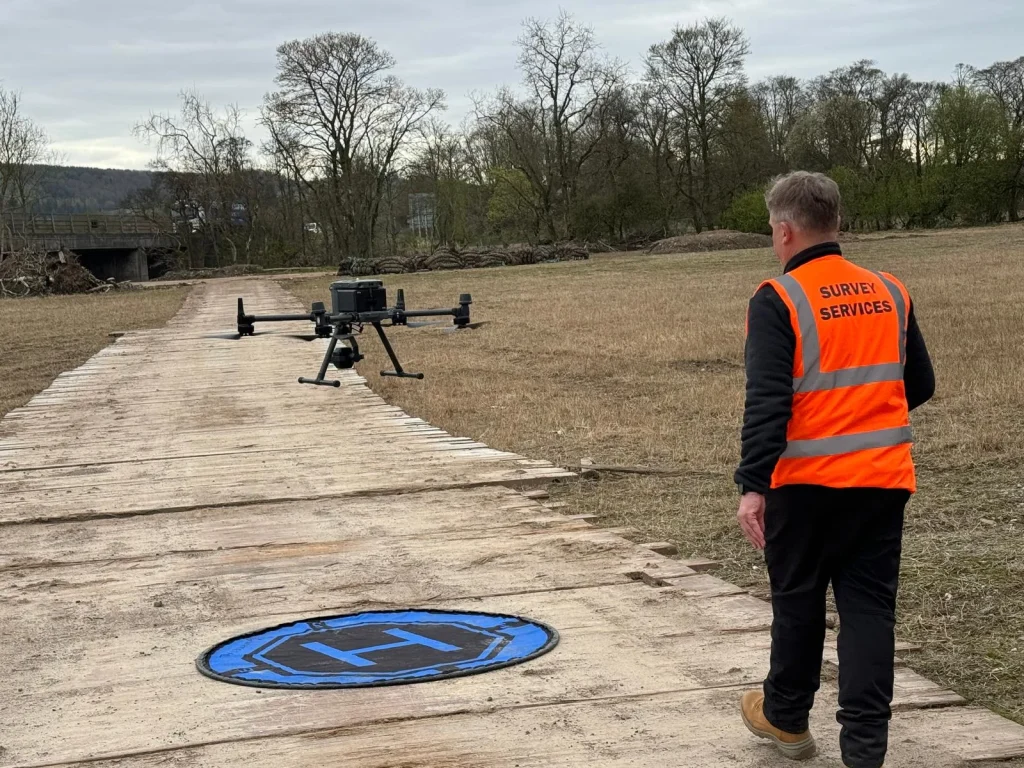
UK Drone Registration and Licencing Laws 2025
One of the first legal checkpoints for flying drones in the UK is registration. This involves two types of IDs: Operator ID (for the person responsible for the drone) and Flyer ID (for the person flying it).
Who Needs to Register A Drone In UK?
In the UK, if you own or are responsible for a drone or model aircraft weighing 250g or more, or any drone with a camera (unless it’s a toy), you must register with the CAA before flying outdoors.
| Type of drone or model aircraft | Flyer ID | Operator ID |
|---|---|---|
| Below 250g / toy | ❌ | ❌ |
| Below 250g / not a toy / no camera | ❌ | ❌ |
| Below 250g / not a toy / with camera | ❌ | ✅ |
| 250g or above | ✅ | ✅ |
Example: A 249g mini dji drone with a camera needs registration, while a tiny 100g toy drone without a camera does not.
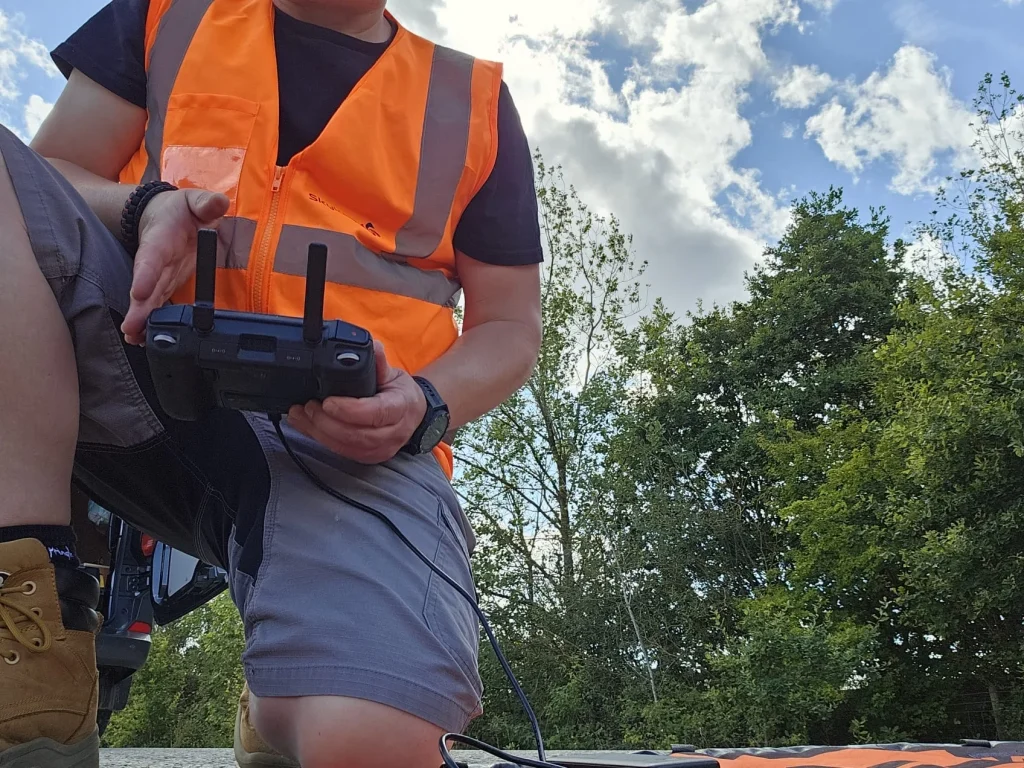
Operator ID vs. Flyer ID
These are two different roles:
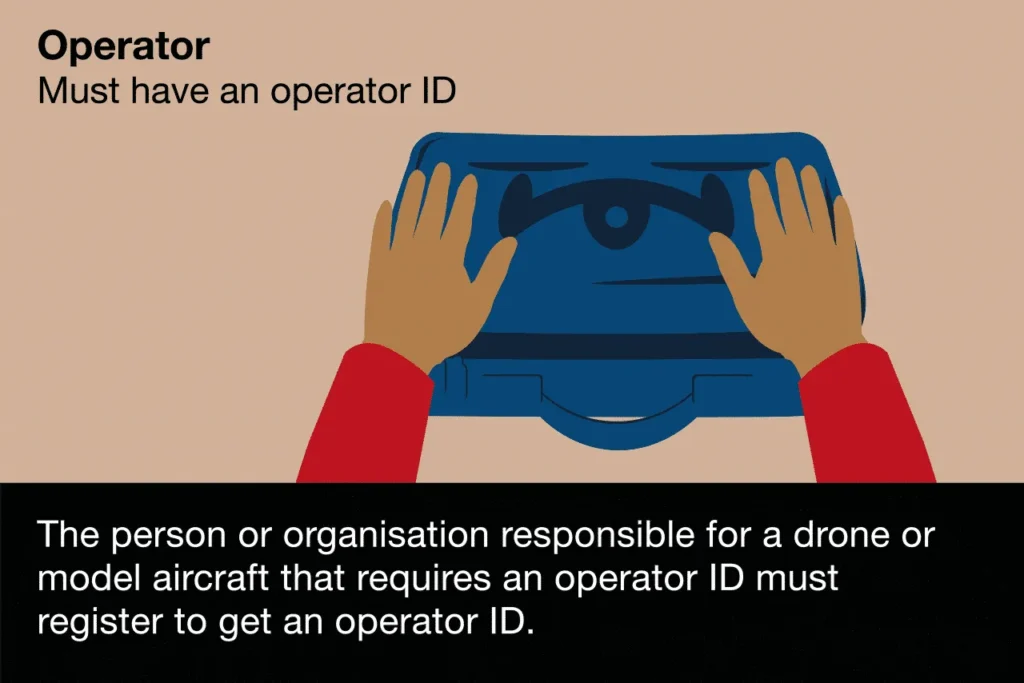
Operator ID
This is obtained by the drone’s owner or the person responsible for managing the drone’s use. Think of the operator as the manager of the drone.
You must be 18 or over to get an Operator ID (if younger, a parent/guardian must register as the operator on your behalf). The Operator ID is what you put on your drone as a label.
You only need one Operator ID for all your drones – it’s tied to you, not to each drone. The Operator ID needs to be renewed every 12 months (1 year) and currently costs £11 per year to renew.
| Registration | Cost | Valid for |
| Operator ID | £10 | 1 year |
| Flyer ID | £0 | 5 years |
Renewal
It’s important to renew on time; flying with an expired Operator ID is treated as no registration, which is illegal. The system usually sends reminders, but mark your calendar.
Example: If Alice has two drones, she registers once and gets Operator ID OP-12345. She labels both drones with OP-12345. She renews it each year online.
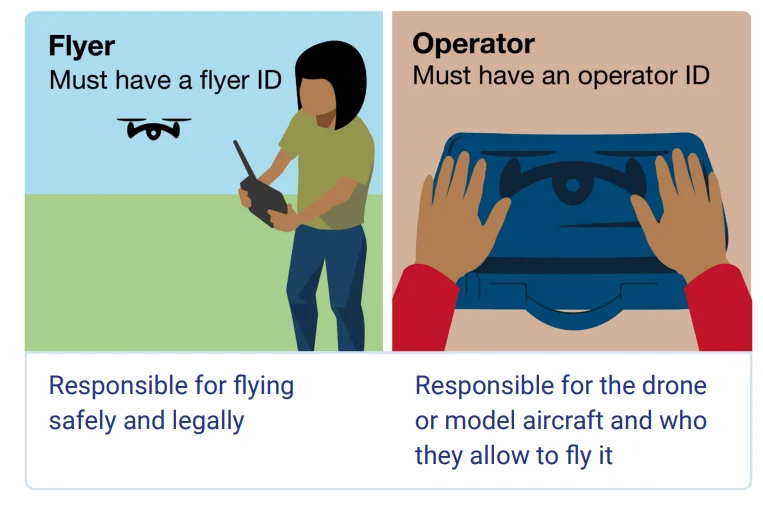
Flyer ID
This is obtained by the person who will actually fly the drone (the “remote pilot”).
To get a Flyer ID, you need to pass an online theory test about drone safety and rules. The test is the same for hobbyists and basic users – it’s free and done on the CAA’s Drone and Model Aircraft Registration and Education Service (DMARES) site.
The Flyer ID shows you’ve learned the drone code and passed the test. Anyone 13 or older can get a Flyer ID by themselves (children under 13 must have a parent help them).
A Flyer ID is valid for 5 years before you need to re-take the test.
Not every situation legally requires a Flyer ID (for example, sub-250g drones as mentioned), but if your drone is 250g or above, the person flying must have a Flyer ID by law.
If you’re flying in the Specific category or higher-risk scenarios, a valid Flyer ID (and often additional certification) will be expected.
Example: Bob (age 14) wants to fly his dad’s 300g drone. Bob can study the Drone Code and take the online test to get his Flyer ID. Since Bob is 14, his dad will register as the Operator (because Bob is under 18), but Bob can be the flyer with his own Flyer ID.
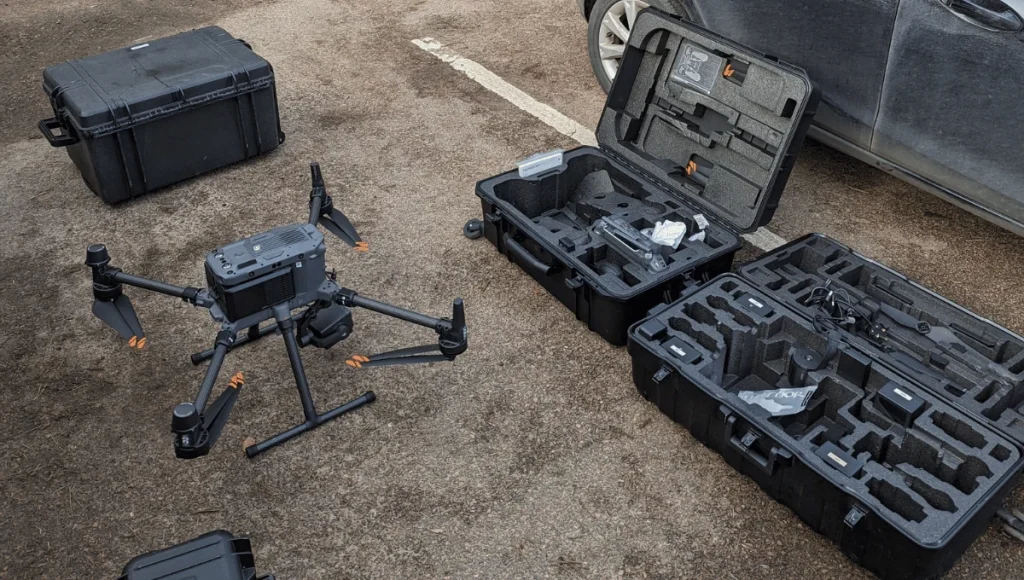
Operator ID and Flyer ID – Both Needed?
In many cases, yes, you need both.
Typically, one person (or organization) registers as the operator, and anyone who will fly needs to have a Flyer ID.
For a solo hobbyist adult, this means you’ll have an Operator ID (for yourself) and a Flyer ID (for yourself).
For a child, a parent would be Operator and the child would get the Flyer ID.
Most people get both at the same time on the CAA’s registration website.
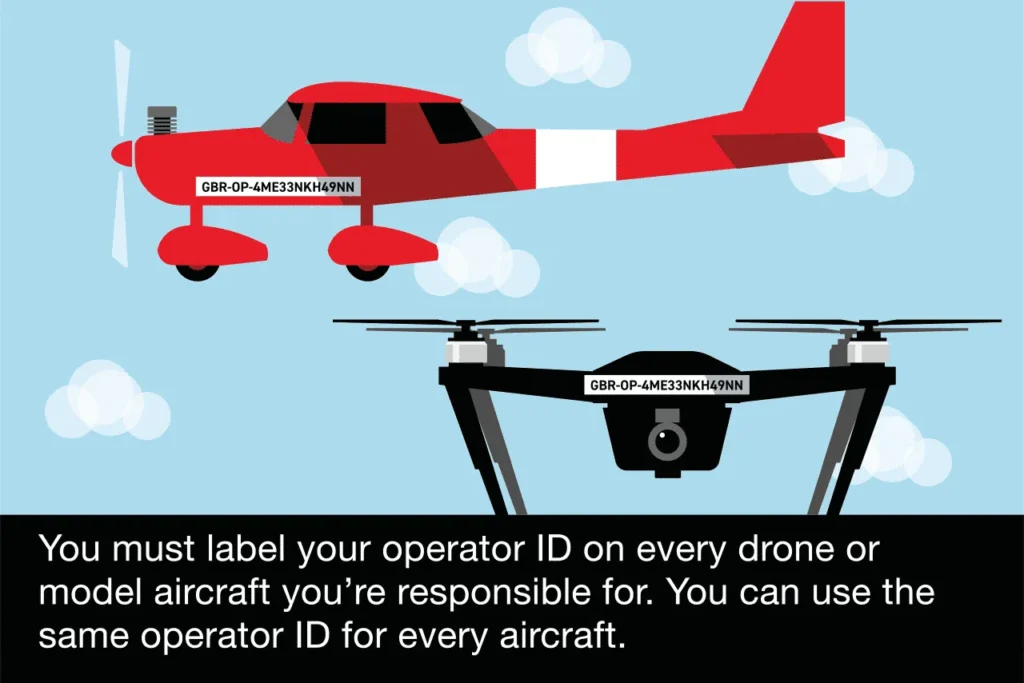
You Must Legally Label Your Drone In The UK
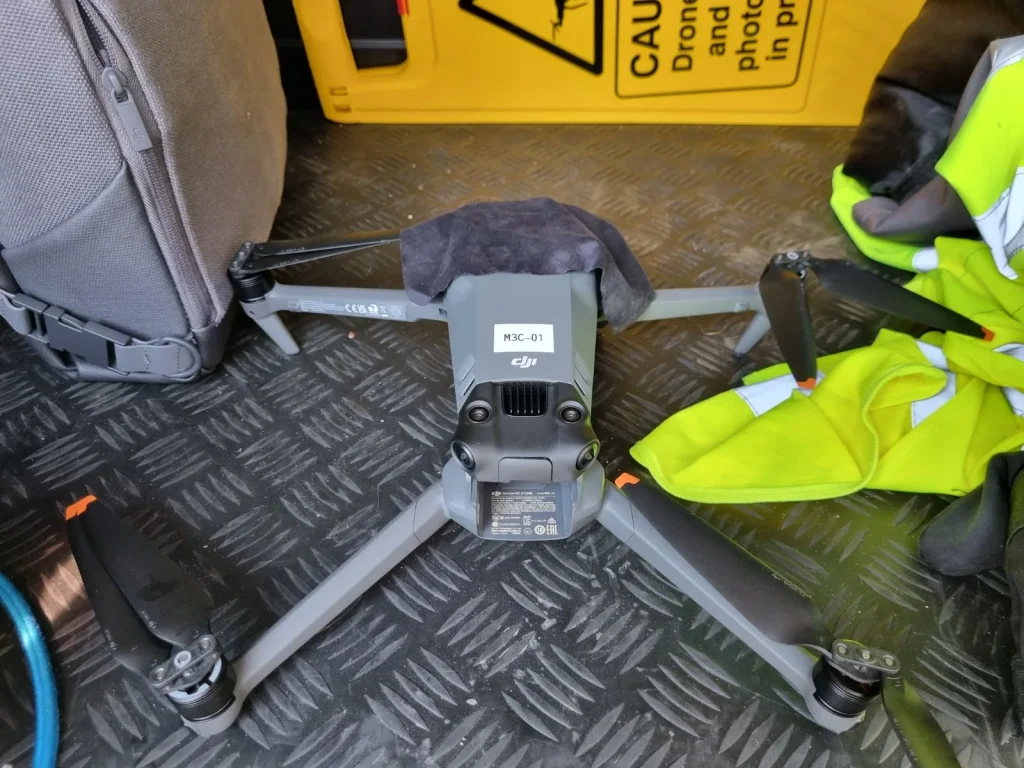
To ensure your following the UK’s 2025 drone laws, label your drones and model aircraft with your operator ID. This unique number identifies you as the drone code, aircraft operator and aids in accountability.
To label your drones and model aircraft, you should make sure that the operator ID is visible from the outside of the aircraft, or within a compartment that can easily be accessed without using a tool.
Labelling Your Drone:
- Write your Operator ID in clear, block letters at least 3mm tall.
- Attach the label securely to the aircraft’s main body, ensuring visibility from the outside or easy accessibility within a compartment.
- Protect the label from damage and maintain legibility throughout the drone’s lifespan.
- Repeat this process for each drone or model aircraft under your responsibility, using the same Operator ID.
Remember to use your operator ID, not your flyer ID, when labeling your drones and model aircraft. The operator ID identifies you as the responsible party, while the flyer ID pertains to the pilot.
Age Restrictions & Supervision
As noted, Operators must be 18+. Flyers can be as young as 13 (or even younger, if supervised).
Children under 13 are allowed to fly drones only if they have a Flyer ID (with adult help to get it) and they are supervised by someone age 16 or over when flying.
Essentially, if the child is under 13, an adult should always be watching and ready to take control if needed.
- Ages 13–17: Can register for their own Flyer ID and fly unsupervised once they have it, but they cannot act as an Operator. A parent/guardian must hold the Operator ID for the drone they use.
- Under 13: Must be supervised and have an adult register as the Operator.
There is no minimum age for actually flying under the law now (the 2021 update removed the previous minimum age 14 for pilots).
So even a young child can fly as long as the rules above are met (adult operator and supervision).
Drone Operational Categories In UK
The UK’s drone regulations are built around risk-based rules. This means what you’re allowed to do depends on where you fly, how you fly, and the size/weight of your drone, rather than just why you’re flying (recreational vs commercial).
Since 2021, the UK has aligned it’s drone laws with a framework of three categories of operations:
| Category | Type of flying |
|---|---|
| Open A1 and A3 | Basic, low-risk flying |
| Open A2 | More risk than A1 and A3 |
| Specific | Moderate-risk flying |
| Certified | High-risk, complex flying |
Open Category – Low-Risk Flights
Most hobbyist flights (and some simple commercial flights) fall into the Open category.
These are considered relatively low risk because they use lighter drones and stay away from people and sensitive locations.
If you fly in the Open category and follow all its rules, you don’t need special permission from the CAA for each flight.
The Open category is further split into subcategories (A1, A2, A3), which we’ll touch on shortly.
In general, Open category flying means:
- You stick to unrestricted areas (not flying in no-fly zones or near crowds).
- You keep your drone under 25kg and follow basic safety rules (height limit, line-of-sight, distance from people).
Example: Flying a 500g drone in a park or countryside, away from people, is an Open category operation.
Specific Category – Medium/Higher Risk Flights
If your intended flight is riskier, such as flying a heavier drone over a town or in controlled airspace, you’ll likely fall into the Specific category.
These operations require an Operational Authorization from the CAA.
To fly under this category, you need to apply for permission (usually with a safety case or standard scenario) before flying.
The Specific category covers:
- Flying in built-up urban areas with a heavier drone.
- Flying beyond Open category limits, such as:
- Beyond visual line of sight (BVLOS) under specific conditions.
- Flying closer to people than normally allowed, if approved.
Most commercial drone work that isn’t straightforward will be in the Specific category.
For instance, a construction company using a drone over a construction site in a town center would need Specific category authorization.
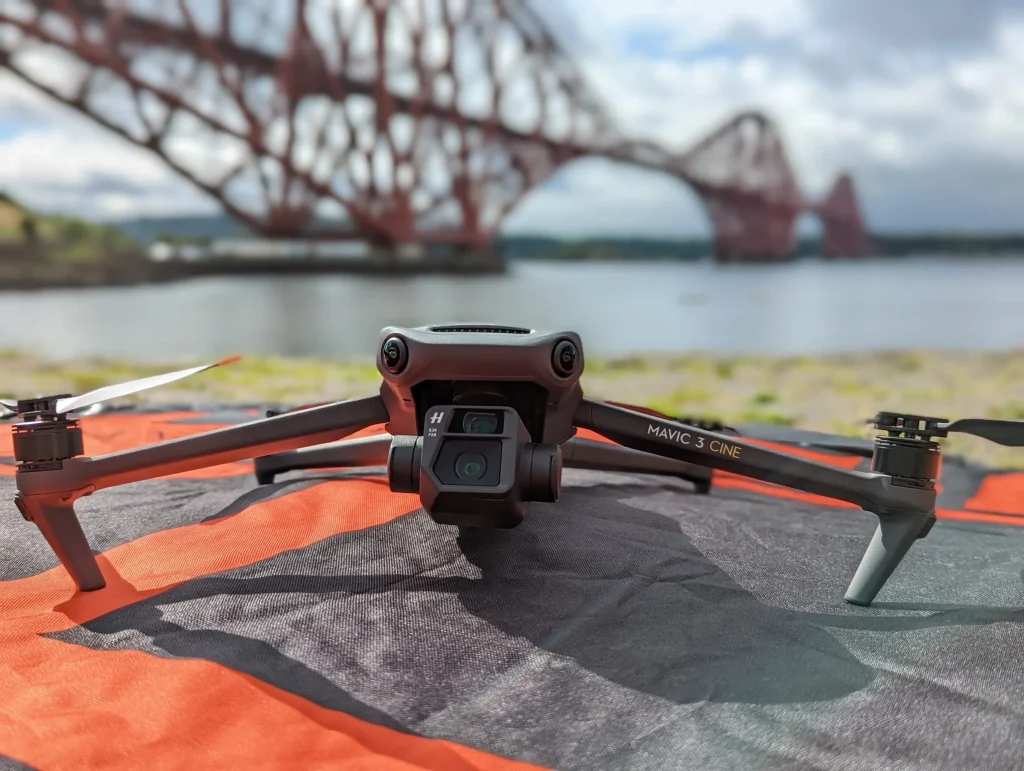
To fly under this category, pilots often need more training (such as a GVC certificate) and must follow an approved operations manual.
Certified Category – High-Risk Complex Operations
This is the category for the highest risk operations, similar to traditional aviation.
It includes flights with very large drones, carrying dangerous goods, and future operations like passenger-carrying drones (air taxis).
Drones in this category must be certified like manned aircraft, and operators must also obtain certification.
Currently, this category is mostly theoretical for everyday users.
It is primarily used by specialists, such as:
- Large drone delivery projects.
- Aircraft-grade drone operations.
If a drone operation poses a serious risk to many people (such as flying a heavy drone over a city center or operating autonomous drone taxis), it falls under the Certified category.
These require CAA oversight, similar to piloted aircraft, including:
- Strict maintenance protocols.
- Manufacturing standards.
- Pilot licensing comparable to traditional aviation.
As of 2025, most hobbyists will not deal with the Certified category.
Think of this as the equivalent of a commercial airline in the drone world.
Open Category Subcategories (A1, A2, A3)
Within the Open category, the rules differ based on subcategory:
- A1 (Fly “over” people): This is for very small drones, usually under 250g, which are allowed to fly over people (but not crowds). With a sub-250g drone in A1, you can fly in residential areas and even over uninvolved people momentarily – but you must avoid open-air assemblies of people.
- A2 (Fly “close to” people): This is for drones under 2kg that are allowed to fly closer to people, but not over them. To use A2, you need extra training (A2 Certificate of Competency, see Training section). With A2 and the proper training, you can fly a drone up to 2kg in weight as close as 30 meters to uninvolved people (or 5m in low-speed mode for drones that have that feature) under current rules.
- A3 (Fly “far from” people): This is the default for larger drones in the Open category. It means you should be well away from people and residential areas. Specifically, you should not fly in or near residential, commercial, industrial, or recreational areas, and keep at least 50 meters horizontal distance from any uninvolved people. Essentially, A3 is “fly in wide open spaces only”. Many standard consumer drones (if you have no extra certificate) fall under A3 if they weigh more than 500g or so.
| Drone Weight | Subcategory | Operational restrictions | Drone operator registration | Remote pilot competence | Remote pilot minimum age |
| Under 250 Grams | A1 (can also fly in subcategory A3) | May fly over uninvolved people (should be avoided when possible) No flight over assemblies of people | No, unless camera / sensor on board and a drone is not a toy | Read carefully the user manual | 16*, no minimum age if drone is a toy |
| Under 900 Grams | A1 (can also fly in subcategory A3) | No flight expected over uninvolved people (if it happens, overflight should be minimised) No flight over assemblies of people | Yes | Read carefully the user manual Obtain a ‘Proof of completion for online training’ for A1/A3 ‘open’ subcategory by:Completing the online training Passing the online theoretical exam | 16* |
| Under 4kg | A2 (can also fly in subcategory A3) | No flight over uninvolved people Keep a horizontal distance of 30 m from uninvolved people (can be reduced to 5 m if the low-speed function is activated) | Yes | A2 CofC License | 16* |
| Under 25kg | A3 | Do not fly near people Fly outside urban areas (150 m distance) | Yes | A2 CofC License | 16* |
Understanding these categories helps you know what you can or cannot do with your drone. Most beginners with a small drone will be in the Open category, subcategory A1 or A3, depending on the drone weight.
Key point: If you stay within the Open category rules, you won’t need special permission for each flight. If you need to do something outside those rules, you must look at Specific category and get authorization.
Commercial Drone Laws vs. Recreational Drone Laws 2025
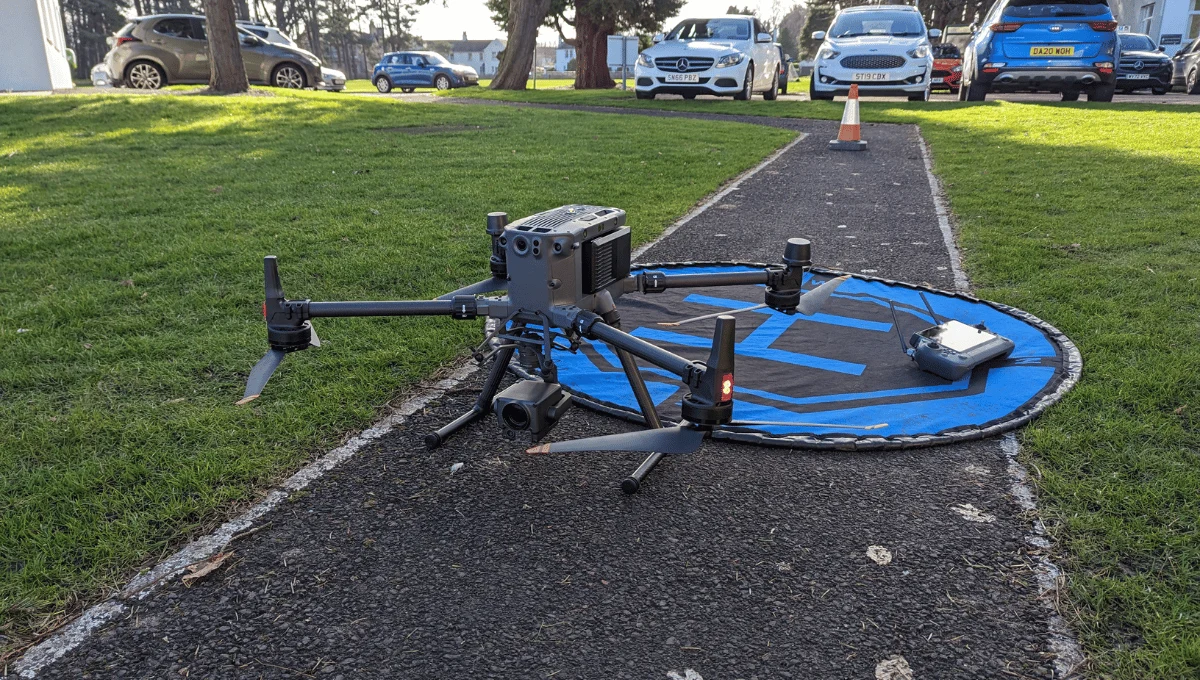
The UK no longer distinguishes between commercial and recreational drone flights in terms of basic legal requirements.
This means even hobbyists have to register if they meet the weight/camera criteria. Even professionals don’t need a separate “commercial license”.
In the past, there was a PfCO required for commercial use – that’s gone.
Now it’s all about the categories (Open/Specific).
The only extra requirement for commercial operators is insurance (more on that later) and possibly needing Specific category authorization for certain activities.
So, whether you’re flying for fun or money, the registration rules are the same.
UK Drone Licences and Drone Regulations
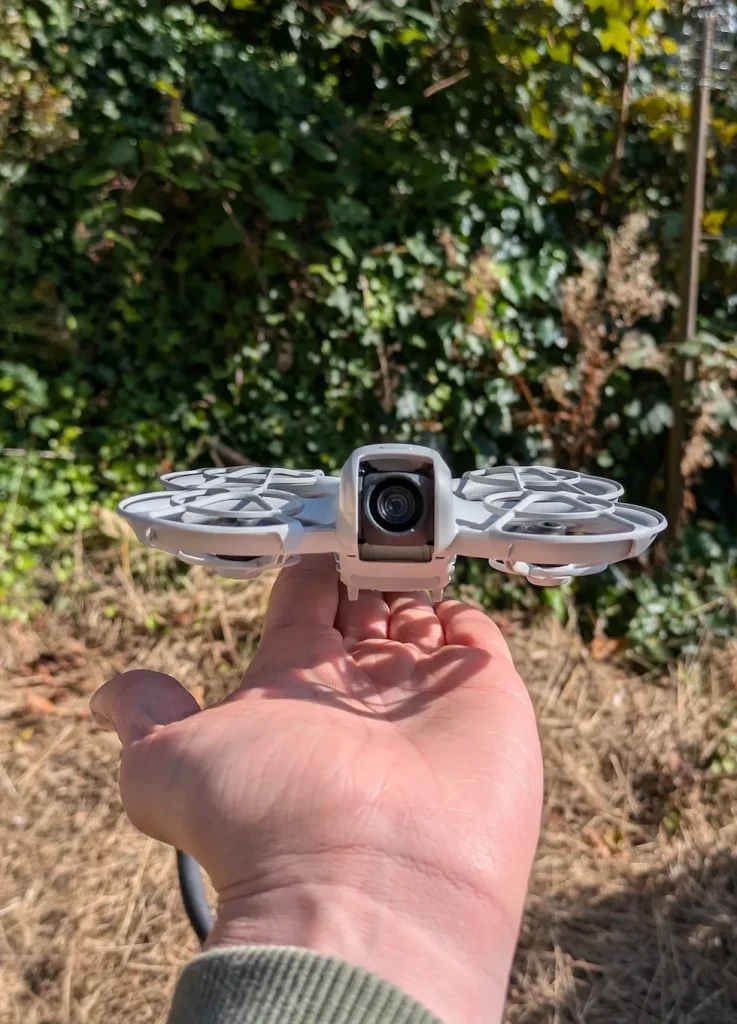
Besides registration, you might wonder what kind of training or tests you need to legally fly a drone in uk. For beginners, the primary requirement is the online theory test we mentioned (to get your Flyer ID).
But as you venture into more advanced flying – larger drones, flying near people, or commercial operations – additional training comes into play.
There are 2 types of Drone Licences In UK
- A2 Certificate of Competency Drone License
- General Visual Line of Sight Certificate (GVC) Drone License
- Permission for Commercial Operations (PfCO) Drone License [No Longer Valid]
| Drone License Type | Description | Validity | Applicable Operations | Renewal Process |
|---|---|---|---|---|
| A2 CofC | A qualification that allows drone pilots to operate legally in more demanding locations and closer to uninvolved people. | 5 years | A2 subcategory of the Open category, both commercial and recreational drone pilots. | Complete a training course and pass a qualification exam. |
| GVC | A remote pilot competency qualification for flying drones weighing up to 25 kg in built-up areas. | 5 years | Most VLOS operations within the Specific category. | Complete a refresher course with a training provider every 5 years. |
| PfCO (No Longer Valid) | A certification previously required for commercial drone operations in the UK. Replaced by the GVC in January 2021. | N/A | N/A | N/A |
Basic Online Training (Drone Code and Flyer ID Test)
The CAA provides free online training modules as part of the Drone and Model Aircraft Code, which covers all fundamental rules.
After reviewing the learning material, you take a multiple-choice test. Passing this test grants you a Flyer ID.
This is the minimum knowledge requirement for flying anything 250g or above. Even if you fly a lighter drone, taking this training is highly encouraged – it covers critical safety info like hazard avoidance, airspace rules, and etiquette.
A2 Certificate of Competency (A2 CofC) Drone Licence UK
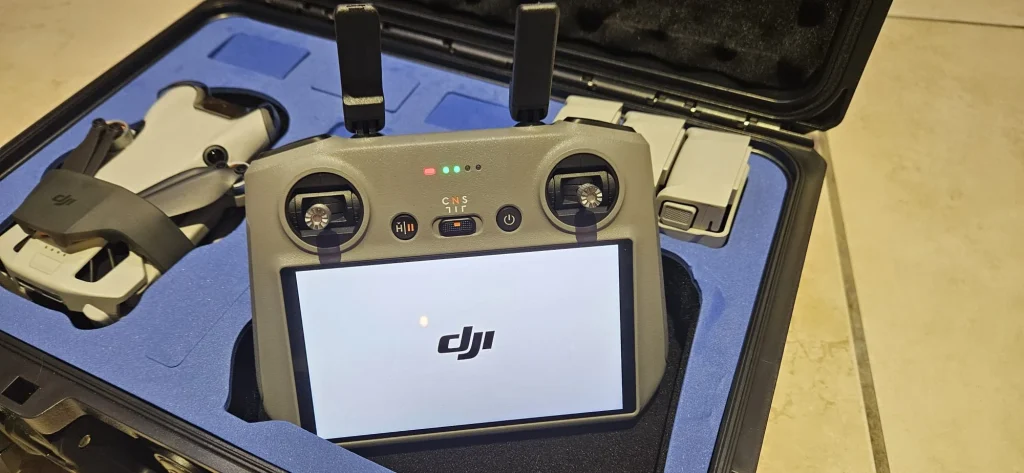
This is an extra qualification for the Open category that became available with the new regulations.
Why get an A2 CofC?
If you want to fly a drone that weighs more than 250g and up to 2kg closer to people (in subcategory A2), you need the A2 CofC.
For example, say you have a 1kg drone and you want to fly in a park where there are sometimes people walking.
- Without A2 CofC: You’d have to keep 50m away from all people (A3 rules), which might be very limiting.
- With A2 CofC: You could fly as close as 30m to people (or even 5m in low-speed mode for drones that support it), as long as you adhere to A2 subcategory rules.
What is involved?
The A2 CofC involves some additional self-paced study (often an online course through a CAA-recognised training organization) and a theoretical exam you must pass.
There’s usually no formal practical flight test for A2 CofC, but you are expected to do some self-practical training and declare that you have practical flying experience.
This means practicing flying safely on your own in A3 conditions to build skill.
The course covers topics like meteorology, flight performance, and more detailed regulations.
Validity
An A2 CofC is valid for 5 years.
After that, you’d need to renew (likely by re-taking a test under whatever the current standards are).
Who offers A2 CofC training?
Many drone training companies (Recognised Assessment Entities – RAEs) offer A2 CofC courses online or in-person.
For instance, Heliguy, UAVHub, and others are RAEs that can train and certify you. Always choose a CAA-recognised provider.
General Visual Line of Sight Certificate (GVC) Drone Licence
If you want to operate in the Specific category (medium/higher risk ops), you will likely need a GVC.
This is a more advanced certification that demonstrates you can operate drones safely under more complex scenarios.
It typically involves a more in-depth theory course and a practical flight skills assessment.
Once you have a GVC, you can apply to the CAA for an Operational Authorisation (which replaced the old “PfCO” permission).
This authorisation, combined with your GVC, allows you to fly in ways the Open category wouldn’t (e.g., flying a heavy drone in an urban area for surveying, or flying beyond visual line of sight in a special scenario).
Training
GVC courses are offered by RAEs and usually last a few days.
You’ll learn about:
- Air law
- Navigation
- Flight planning
- Risk assessment
- Human factors
You’ll also create an Operations Manual for your drone activities as part of the course.
Then, you’ll take a theory exam and complete a practical flight test with an examiner.
Outcome
With a GVC, you can submit your application to CAA for an Operational Authorisation.
UK’s Rules For Drone No Fly Zones 2025
Not everywhere is fair game for drone flights. The UK has specific geographical restrictions – some written into UK drone law, others in local rules – that you need to know before you fly.
This section explains where you can (or can’t) fly your drone:
Airports and Airfields (Flight Restriction Zones)
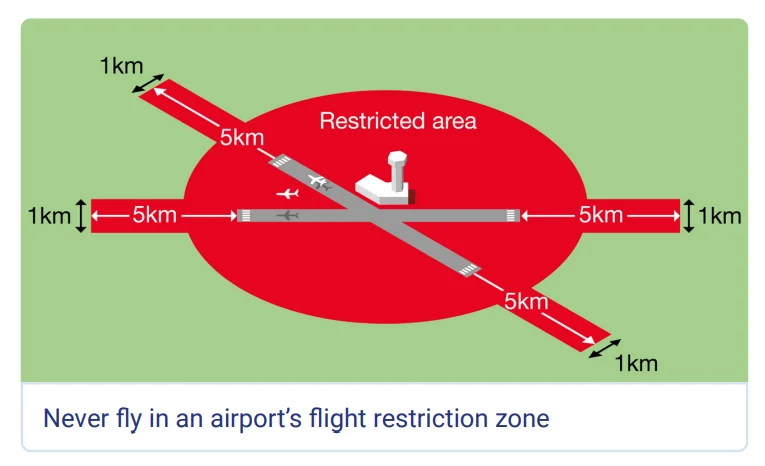
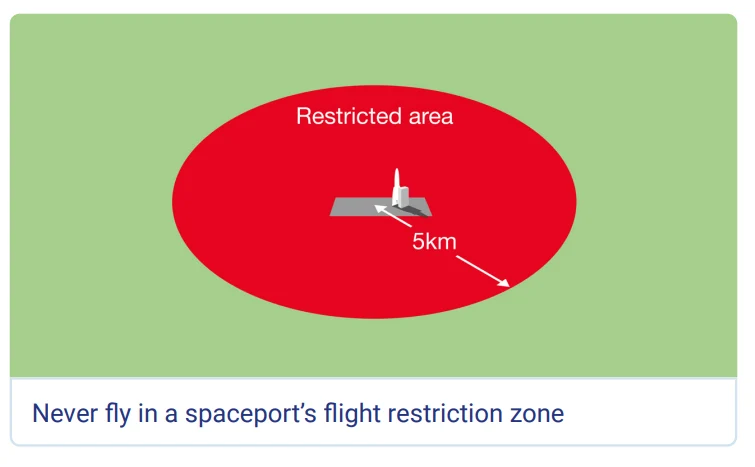
All major airports and airfields have a Flight Restriction Zone (FRZ) around them.
By law, you cannot fly any drone in an airport’s FRZ without permission. Typically, an airport FRZ extends in a circle with a radius of 2-2.5 nautical miles (~5km or 3.1 miles) from the runway, plus along the flight approach paths.
For example, around Heathrow or Manchester Airport, there’s a large no-drone zone.
If you need to fly near an airport (e.g., work on a building site just outside the airport fence), you must get prior permission from the airport’s Air Traffic Control or management.
Never risk flying near airports – drones can cause shutdowns, and you could face serious prosecution (even imprisonment).
In 2023, Gatwick Airport reported hundreds of drone incursions in its FRZ, prompting calls for tougher enforcement.
Heliports and Smaller Airfields
Similar rules apply to protected aerodromes, which include heliports and smaller airports – they also have FRZs, though sometimes slightly smaller.
Always check the maps on your drone safety app for any aerodrome FRZs near you.
Even hospital heliports have restrictions (often a 1km zone).
If you’re in a city, be aware of hospital or police helicopter bases.
Prisons and Security-Sensitive Sites
It’s illegal to fly over or near prisons.
Prisons are designated no-fly zones (usually with a 1km restricted zone around them) due to security risks.
Drones have been used to smuggle contraband, so enforcement is taken very seriously.
Other sensitive sites include:
- Military bases
- Power plants
- Nuclear facilities
- Royal residences
- Some government buildings
These might be covered by the Air Navigation Order or other legislation that prohibits drone flights.
Many of these will appear on drone maps as red zones.
For example, you cannot fly near the Tower of London or military training grounds without permission.
Always check your app or the CAA’s airspace restrictions site for these zones.
Nature Reserves and National Parks
There isn’t a blanket UK law banning drones in national parks or nature reserves, but many of these areas have local rules.
Wildlife Disturbance
It’s against the law to disturb certain wildlife.
For example, disturbing nesting birds or protected species can lead to fines under wildlife protection laws.
Drones can startle animals, so avoid flying low over nature reserves or during sensitive seasons.
Some seals, birds, or wild horses can be badly affected by drone noise.
National Trust / English Heritage Properties
The National Trust bans take-off or landing of drones on their property without permission.
If you’re on their land, they can ask you to stop.
Always seek permission for drone use in such areas – sometimes you can get it for special projects, but casual flying is often not allowed.
National Parks
National parks might have guidelines – e.g., Snowdonia National Park requests people not to use drones because of safety and wildlife protection.
While not always a law, disobeying could result in park rangers intervening.
It’s best to contact the park authority if you need to fly there.
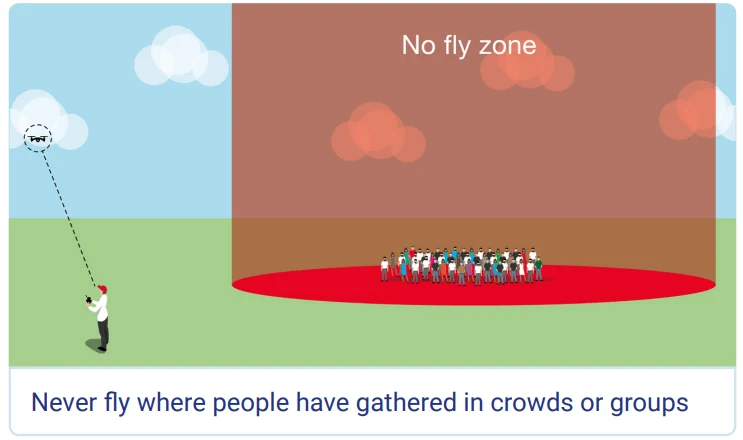
Urban Areas and Crowded Places
By default under the Open category, you should not fly over uninvolved people and never over crowds.
A crowd or open-air assembly is usually defined as any group of people without enough space to move away quickly if a drone malfunctions.
Illegal examples:
- Concerts
- Sporting events
- Rallies
- Busy beaches
Even with a tiny drone, you must avoid crowds.
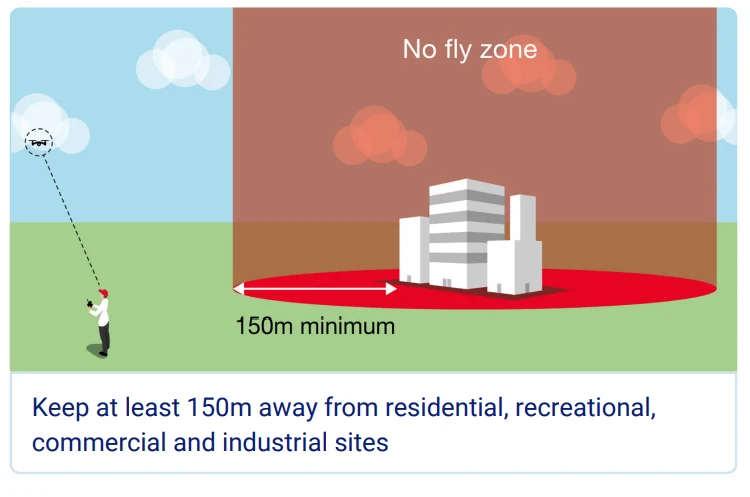
Residential Areas
You can fly in residential areas under certain subcategories.
- A1 category (sub-250g drones): You can fly in residential areas and over people’s private property (while respecting privacy).
- A3 category (drones 250g+ without A2 CofC): You cannot fly in residential areas.
- A2 CofC (if obtained): You can fly in residential areas but must maintain safe distances (e.g., 50m from uninvolved people unless using low-speed mode).
Stadiums and Events
Drone flights are often temporarily restricted during major events.
For example, big football matches, concerts, or New Year’s celebrations might have a temporary no-fly zone.
It’s also illegal to fly over open-air assemblies of 1,000+ people.
Don’t plan on getting drone footage of a festival or marathon without special permission – it’s not allowed.
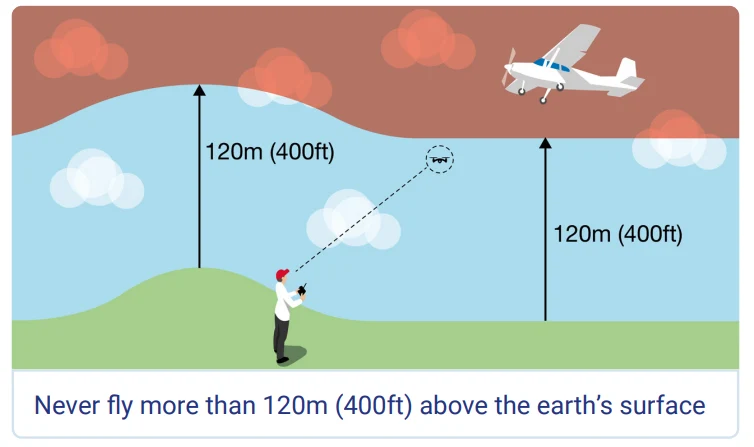
Height Limits
The maximum legal altitude is 120 meters (400 feet) above ground level.
This applies everywhere in the UK, except if you have specific permission to go higher (which is rare and requires CAA approval).
The 120m limit ensures a buffer between drones and manned aircraft, which usually fly at 500 feet or higher outside of takeoff/landing.
Tip: Set the altitude limit in your drone’s app to 120m to avoid exceeding it.
Distance Limits (Horizontal Distance)
Under new rules, horizontal distance requirements depend on your drone category:
| Category | Minimum Distance from People |
|---|---|
| A1 (small drones) | No specific limit, but no hovering over crowds |
| A2 (with A2 CofC) | 50m (can reduce to 30m, or 5m in low-speed mode) |
| A3 | 50m from people, 150m from residential areas |
In practice, for hobby flying, always try to keep a safe buffer from people.
If someone walks into your flight area, maneuver away or land. Safety first.
Local Council and Land Permissions
The law covers airspace, but taking off and landing depends on property ownership.
If you’re on public land (like a city park), the local council may have its own rules or a permit system.
Some councils allow drone flying, others ban it without written permission.
Always check the council website for drone policies. If none are posted, contact them.
For organized events, you’d need:
- Permission from the event organizer
- Possibly an Operational Authorisation from the CAA
Emergencies and Temporary No-Fly Areas
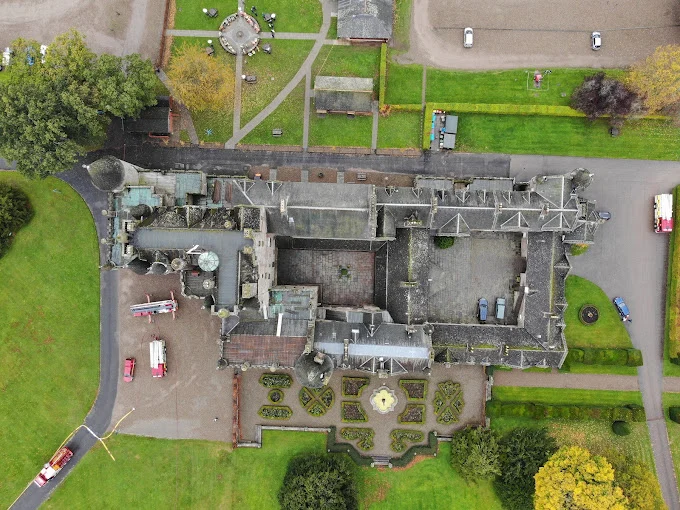
In an emergency (e.g., large fire, chemical spill, search-and-rescue), police can establish a temporary flight restriction.
You must not fly in those areas to avoid hindering emergency helicopters or responders.
If you see emergency activity (flashing lights, helicopters overhead), land your drone immediately.
There have been cases of drones almost colliding with police and air ambulance helicopters – penalties are severe.
Controlled Airspace and ATZ
Controlled airspace isn’t automatically off-limits beyond the FRZ, but if you plan to fly high (which you shouldn’t above 120m anyway), be cautious.
Some areas have Air Traffic Zones (ATZ) around smaller airfields, which might extend further than expected.
Check your drone safety apps before flying.
Remember, violating airspace restrictions can lead to heavy fines or worse. The UK authorities and even airports have begun using drone detection systems (they can detect and track drones and controllers electronically), so just because you think no one is watching, your drone might still be spotted. Fly responsibly to stay out of trouble.
Recent UK Drone Law Changes and Updates for 2025
Drone regulations are evolving alongside technology. Here are some of the recent changes and updates as of 2025 that drone pilots should be aware of:
Extended “Transition” Period for Drone Classes (Until 2026)
The UK has its own approach to drone classifications.
The EU introduced drone class marks (C0, C1, C2, etc.), but the UK decided not to adopt them until at least January 2026.
The “transitional” rules that started in 2021 have been extended to 1 January 2026.
For pilots, this means you don’t need to worry about whether your drone is class marked or not in the UK right now.
We continue to use the legacy weight-based categories (A1/A2/A3 with weight thresholds like 250g, 500g, 2kg, etc.).
Keep an eye on Uk drone laws in 2025 changing in the later half, as the CAA and government will review the regulations.
They might implement a new scheme or extend the transition further.
For now, the current uk drone rules remain in place through 2025.
Remote Identification (Remote ID) Plans
Remote ID is a technology that allows drones to broadcast their identity (like your registration number) and location to other devices.
Think of it as an electronic license plate that can be picked up by police or even the public via an app.
While the EU and U.S. have started requiring Remote ID on drones, the UK is still deciding how to implement it.
In 2023, the CAA held a consultation about Remote ID and is still in the design phase of rolling it out.
They are considering a rule that drones must have Remote ID enabled in order to take off.
As of 2025, Remote ID is not yet mandatory in the UK, but this could change soon.
Drone manufacturers like DJI have included Remote ID support in new models due to other countries’ requirements.
Your drone might already be capable of it.
Be prepared that in the near future, you may need to update your drone’s firmware or attach a Remote ID module when the UK finalizes its regulations.
Increased Enforcement Powers and Fines
The government has been moving toward stricter enforcement of drone laws, especially after high-profile incidents (like the 2018 Gatwick Airport shutdown).
In late 2024, it was reported that police will be given new powers to issue fixed penalty notices (on-the-spot fines) for certain drone offenses.
This means that for minor infractions (like flying without registration, or using a drone in a restricted area without intent to endanger), police could fine you directly without a long court process.
Expect less tolerance for breaking the rules – authorities can and will take action, and now they have more tools to do so swiftly.
More serious offenses (e.g., flying near an airport, endangering aircraft, repeat violations) would still lead to prosecutions, larger fines, or even prison sentences.
Privacy and Data Protection Emphasis
Privacy remains a major concern as drone use grows.
The UK’s data protection laws (UK GDPR and Data Protection Act) apply to photos or videos taken with your drone.
In practical terms, this means you should not film people where they expect privacy without consent.
For example, flying over someone’s private property or peeking into windows is not only impolite – it could be illegal.
The CAA’s Drone Code advises pilots to:
- Use your drone’s camera only where you have a right to fly.
- Avoid hovering over private property.
- Inform people if they are being filmed when possible.
With drones becoming more common, people are also more aware of their rights.
The Information Commissioner’s Office (ICO) has guidance for hobbyist drone users.
If you plan to use a drone for surveillance or in a commercial context involving personal data, you may need to register with the ICO as a data controller.
For casual users, just respect privacy – it keeps people supportive of drones rather than annoyed by them.
New Airspace Classes and UTM Development
The UK is exploring new systems for Unmanned Traffic Management (UTM) and airspace use for drones.
For example, the concept of Atypical Air Environments is being developed to allow beyond visual line of sight (BVLOS) operations in low-risk areas or corridors.
Additionally, trials for drone corridors (specific routes monitored by technology) are underway.
In 2024, the government looked at:
- Establishing more no-fly zones (e.g., prisons and critical infrastructure).
- Harmonizing drone rules with international standards.
While these changes might not affect casual flights now, they show the direction of drone regulation – more integration into airspace with digital tools and defined rules.
Drone Technology Legal UK Requirements (2025 Onwards)
Drones are becoming smarter, and some features are being discussed as future requirements.
Geo-Fencing
Many drones already have built-in no-fly zone databases (e.g., DJI drones won’t take off near airports unless unlocked).
While not yet a legal requirement, regulators encourage manufacturers to include safety features like these.
Collision Avoidance
There’s no law requiring obstacle avoidance sensors, but they can help prevent accidents.
For higher-category operations (Specific/Certified), regulators might mandate safety tech in the future.
If you’re buying a new drone, consider one with good sensors – it could meet future safety standards.
Electronic Conspicuity
Beyond Remote ID, some experts are discussing drones carrying beacons or transponders that help manned aircraft detect them.
For example, a device could broadcast to aircraft, saying “Hey, I’m a drone here at these coordinates”.
While not required yet, pilots doing advanced operations sometimes voluntarily equip their drones with these.
The CAA is examining options for integrating drones into shared airspace.
Environmental and Wildlife Protection
New guidelines are emerging to protect wildlife from drone disturbances.
While not part of dedicated drone law, enforcement of existing laws (like the Wildlife and Countryside Act) has increased.
For example, if a drone causes protected birds to abandon their nests, the pilot could be prosecuted.
In 2025, expect more awareness campaigns about drone noise and wildlife.
Some local laws might restrict drone use during breeding seasons.
Always check if an area is sensitive to wildlife (some drone apps might show reserves, but not always).
As a best practice, avoid flying low over animals and keep away from bird nesting sites.
Similarly, be considerate of noise – early morning or late-night drone flights in quiet neighborhoods could lead to complaints.
Insurance and Accountability
Insurance has been mandatory for commercial drone operators.
If you fly a drone for business, you must have third-party liability insurance under UK rules.
For hobbyists, insurance is not required by law, but it is strongly recommended.
Some EU countries are moving toward requiring insurance for high-end hobby drones, and the UK might follow.
For now, if you’re just flying for fun, insurance is your choice.
However, joining a model flying association or drone hobbyist club often includes basic liability insurance.
With drone incidents increasing, don’t be surprised if insurance requirements expand in the future.
For peace of mind, consider public liability insurance (some home insurance add-ons cover drones).
The uk regulatory landscape in 2025 is one of refinement and enforcement. The rules established in late 2020 and 2021 are largely the same, but the authorities are now focusing on enforcing them (with fines and tech like Remote ID) and filling in the gaps (like how to handle advanced flights, safety tech, etc.).
As a drone pilot, the best thing you can do is stay informed: whenever you get a new drone or before trying something new, double-check the latest guidelines on the CAA website and make sure you’re aware of any new requirements.
We’ve included a Resources section at the end where you can find official info to stay updated.
UK Drone Compliance and Enforcement Laws
It’s important to understand that drone rules are not just suggestions – they’re enforceable laws. Here we’ll outline what can happen if you break the rules and what measures are in place to ensure compliance:
Fines and Penalties
Flying a drone illegally can result in serious consequences.
For minor offenses (like failing to register, or flying a small drone in a restricted area), you could receive a fine – often up to £1,000 for violations such as not having an Operator ID or Flyer ID when required.
More serious offenses, such as flying in a way that endangers aircraft or people, carry much stiffer penalties.
For example, endangering an aircraft (flying near an airport flight path) can result in an unlimited fine and up to 5 years in prison under the Air Navigation Order and related laws.
Under new proposals, police may issue on-the-spot fines (Fixed Penalty Notices) for certain drone infractions.
This could include fines for:
- Not producing proof of registration.
- Flying in a restricted area without permission.
- Ignoring police instructions regarding your drone.
Always keep in mind – when you fly, you are legally responsible. The CAA states that enforcement action can be taken against the remote pilot, the operator, or both, depending on who is at fault.
Police and Law Enforcement
Drone policing has increased.
Police officers have the authority to ask drone operators for their Operator ID and Flyer ID.
They can also demand you land your drone if you are suspected of breaking the rules.
With new laws, they can confiscate your drone if an offense is suspected (to inspect flight logs for evidence).
Some police units are specially trained for drone-related incidents, particularly around sensitive sites and airports.
If a member of the public calls in a drone complaint, officers might respond.
Always be polite and cooperative if approached – often, if it’s a misunderstanding and you’re flying legally, you can clear it up by showing your IDs and explaining your flight.
Drone Detection Systems
Many major airports now have drone detection systems.
These can detect radio frequencies or even the electronic signature of drones.
Some systems can triangulate the drone’s position and the pilot’s controller.
There have been cases where airport security or police tracked a pilot using these systems.
Additionally, mobile detection systems (like drone detector vans) exist.
For high-profile events (such as major sports matches or state events), police may deploy these to catch unauthorized drones.
With Remote ID on the horizon, authorities will soon be able to identify drones and operators in real-time.
Anti-Drone Technology
Authorities also have tools to stop drones.
These range from radio frequency jammers (which can knock a drone out of the sky or force it to land) to drone-catching drones and net guns.
The average hobbyist is unlikely to encounter these unless flying in protected airspace.
For example, UK prisons use anti-drone measures to combat contraband drops.
If your drone gets caught by one of these, you’ll almost certainly be facing legal consequences.
Insurance Requirements
For commercial operations, it is mandatory to have appropriate insurance.
Commercial drone pilots must have Public Liability Insurance that meets EU Regulation EC 785/2004 (which the UK retained after Brexit).
This insurance covers damage to third parties in case your drone causes injury or property damage.
If you’re a freelancer doing aerial photography or a business using drones, operating without insurance is not only illegal but also financially risky.
Some jobs or authorities may require proof of insurance before allowing you to fly at a site.
For hobbyists, insurance is not required by law, but it’s highly recommended.
Consider joining a drone organization like BMFA or FPV UK, which includes insurance in membership.
Alternatively, you can purchase dedicated drone insurance, which is affordable for hobby flying.
If something goes wrong (e.g., your drone crashes into a car or injures someone), insurance provides protection.
However, if you fly recklessly or illegally, insurance may not cover you – it is not a license to take risks.
Reporting and Accountability
The CAA expects drone pilots to report serious incidents or near-misses.
- If a drone has a near-miss with an aircraft, it’s classified as an Airprox and should be reported to authorities.
- If your drone crashes in a public area and could have hurt someone, you should report it.
This helps authorities track safety issues and shows you’re taking responsibility.
If you witness dangerous drone use, you can report it.
For non-emergency situations, the advice is to call the police non-emergency number (101).
For a serious, immediate danger (like a drone near an airport runway or a large crowd), call 999.
Police are tasked with enforcing drone laws and will respond accordingly.
Operator Accountability
The registered Operator (the person with the Operator ID) is legally accountable for how the drone is used.
If you lend your drone to a friend and they fly recklessly, you as the Operator could still be held responsible.
Operators are expected to ensure any remote pilot using their drone follows the rules.
If you’re the Operator, you should:
- Brief anyone flying your drone on the legal requirements.
- Check they have a Flyer ID (if needed).
If an incident occurs, authorities may sanction both the pilot and the operator.
Digital Record-Keeping
For commercial operators, logging your flights is best practice.
This includes recording:
- Flight locations.
- Flight times.
- Maintenance performed on the drone.
While not required in the Open category, keeping records can help prove compliance with regulations.
For example, a GPS log can show you were flying under 120m, or a maintenance log can prove that a hardware failure caused a crash rather than negligence.
For Specific category operations, maintaining detailed flight logs is usually part of your authorization conditions.
In essence, the UK takes drone laws seriously. As long as you follow the rules we’ve covered, you shouldn’t have to worry about enforcement action. But do know that if you break the rules, there’s a good chance of being caught, and penalties can range from fines to confiscation of your drone, and worst-case, criminal charges. The best defense is simple: fly legally, fly safely, and use common sense.
In conclusion, flying drones in the UK can be a rewarding experience as long as you fly within the law and with respect for others. 2025’s regulations are quite accommodating for hobbyists and provide a clear path for those who want to go professional. By following the guidelines – registering, training, checking airspace, and respecting limits – you’ll ensure that you’re flying safely and legally. The sky is literally the limit for what you can do with drones, but always temper your excitement with the rules we’ve covered.
Fly safe, have fun, and always stay informed. The world of drones is evolving, and by being a responsible pilot, you’re contributing to a future where drones are a welcomed and beneficial part of everyday life. Happy flying!
UK Drone Laws FaQ
Do I need to register my drone under 250g?
Where can I fly My Drone without special permission?
Below 120m altitude and within line-of-sight wherever you fly.
At least 50m away from uninvolved people if your drone is 250g or more (or you’re operating under A3 rules). Basically, don’t hover near people not involved in your flying.
Outside of No-Fly Zones: This includes staying clear of airport flight restriction zones (typically a 5km radius), and other published restricted areas (prisons, military, etc.). Use apps like Drone Assist to see these zones on a map.
Not over crowds or events: Anywhere there’s a concert, rally, sports event, or densely crowded beach/street – consider that off-limits without special permission.
If you are in a town or city: stick to open areas like large parks and keep your distance from buildings and people. Many people also use their back gardens for a quick flight of a tiny drone – that’s okay if you ensure you’re not bothering neighbors or peeking on them (and the drone is under 250g ideally). Always check local council rules; some parks allow drones, others don’t.
No special permission is needed for most recreational flights that fall in the Open category and outside restricted airspace – just follow the Drone Code. Special permission (like CAA Operational Authorisation) is only needed if you want to do things outside those rules (e.g., fly in central downtown, above crowds, etc.).
How do I get commercial authorization for aerial photography (like real estate or weddings)?
If you’re filming a wedding, consider that a crowd (guests) are present. Flying over people at an event likely pushes it out of the Open category. In such cases, you’d need a Specific category Operational Authorisation from the CAA. To get that, you typically obtain a GVC certificate through a training provider, then apply to the CAA. The application includes your operations manual and risk assessment for such operations. Once approved, you have an authorisation that might let you fly in closer proximity to people than the Open rules allow, as long as you follow your operations manual.
In short: 1) get trained (A2 CofC for simpler operations, GVC for more complex), 2) get insurance, 3) apply for CAA Operational Authorisation if required (after GVC). The CAA will grant an authorisation if you show you can operate safely. This effectively is what people think of as a “commercial license.”
Additionally, you might need landowner permission for take-off/landing at the site. For example, a wedding on private property – get the owner’s okay. For real estate, coordinate with the homeowner.
Many professionals in UK also register as a company with Drone Safe Register or similar directories to signal they have the credentials. Not a legal step, but good for business.
Always adhere to what your authorisation allows. If it doesn’t allow flights over open-air assemblies, don’t do it. You can request specific permissions for one-off jobs via the CAA if needed, but that’s more for unique cases.
Can I fly my drone at night?
What are the penalties for breaking drone laws?
The payload doesn’t make your drone fly unsafely. If it’s too heavy, the drone might struggle or behave unpredictably.
If you’re in the Open category, your drone with payload must still be within the category’s conditions (e.g., under 25kg total, and if you’re using A1 or A2 subcategory, note that adding weight might change which subcategory you can use).
Attaching things like weapons or anything hazardous is absolutely illegal. Common sense applies.
If you plan to use accessories like a loudspeaker, sprayer, or other non-camera payload (e.g., for agriculture), check if there are specific rules (spraying chemicals might require special permission from other agencies).
For most hobbyists, adding a GoPro or a brighter light is fine. Just remember any camera = not a toy, so registration required if not already.
How high can I fly my drone UK?
These FAQs address some of the most common questions beginners have. If you have a question not covered here, be sure to consult the CAA resources or ask in a comments below.
Fly safe and legally, and you’ll find drone flying to be an enjoyable hobby or profession for years to come!
Resources and Further UK Drone Laws Reading
To help you continue learning and to verify official UK drone laws for 2025, here are some useful resources:
- Civil Aviation Authority (CAA) – Drone and Model Aircraft Code: The official UK Drone Code published by the CAA. It’s a concise set of rules and guidelines that every pilot should know by heart. Link: CAA Drone & Model Aircraft Code website – covers all basic rules, great for beginners (and it’s what the test is based on).
- CAA Registration and Education Service: This is the portal where you register for Operator and Flyer IDs, take the online test, and find official information on requirements. Link: CAA Register Drones website – includes step-by-step for getting your IDs, info for children under 13, and how to label your drone.
- CAA “Flying in the Open Category” Guide: Detailed guidance on what you can do in the Open category (A1/A2/A3), including requirements for each. Link: CAA Open Category Guide – outlines the limitations for recreational and most basic commercial flights.
- CAA “Specific Category” and Operational Authorisation Info: If you think you need to go into Specific category, read this. Link: CAA Specific Category Guide – explains the process to get permissions, and what qualifications like GVC you might need.
- Recognised Assessment Entities (RAEs) – Drone Training Providers: The CAA maintains a list of RAEs (training organizations) that offer courses like A2 CofC and GVC. Some well-known ones:
- UAVHub – Offers online A2 CofC and GVC courses, high-rated (was among first RAEs).
- Heliguy – Provides training and has useful blogs (we cited their content) on UK drone law and training.
- COPTRZ – Offers training and has blogs about commercial drone use (like their “UK Drone Laws 2024” guide).
- The UAV Academy, Flyby Technology, FPV UK (for hobbyist club training), etc.
Check the CAA site for the latest RAE list to ensure a provider is recognized. Link: CAA RAE Information – explains what RAEs are and often points to where to find one.
- Drone Assist App (by NATS): Official app for checking airspace and ground hazards. Available on iOS and Android. It’s an essential tool each time you fly.
- UAV Forecast: Website and app to check weather conditions specifically from a drone’s perspective (wind at different altitudes, GPS satellite info, etc.).
- DroneSafe Register: A platform/community in the UK with information for hobbyists and a directory of qualified pilots. They often post updates on rules and safety tips.
- UK Model Flying Associations:
- BMFA (British Model Flying Association): For those flying model aircraft or drones in club environments. Members operate under a special Authorisation that provides some exemptions to standard rules (like higher altitudes in designated zones, etc.). BMFA also provides insurance.
- FPV UK: Focused on First Person View drone flying and racers. Also offers members insurance and an Authorisation for FPV beyond visual line of sight (with a spotter).
- SAA (Scottish Aeromodellers Association) and LMA (Large Model Association) for specific communities in the UK. These associations have codes of conduct and lots of experience to share – great for further learning and safe flying practices.
- CAA SkyWise Alerts: Sign up for the CAA’s SkyWise email alerts for drones to get notifications about regulation changes or noteworthy news. Link: SkyWise – Drones Category – you can customize it to send you drone-related updates.
- UK Government Drone Policy Page: Occasionally, the Department for Transport or Home Office publishes updates or consultations. Check the GOV.UK website for “drone consultation” or “drone bill” if you hear about potential law changes (like the Police powers for drones, etc.).
- Community Forums and Groups:
- DJI Forums: If you have a DJI drone, their forums have a section for UK where people discuss local rules and experiences.
- Reddit r/drones: A large online community. While global, you can often find UK-specific threads or ask questions – many experienced pilots hang out there.
- Local Facebook Groups: Many towns or regions have a “<Area> drone group” where people share safe flying spots and advice, which can be helpful (and also a way to meet up for group flying days).
- Further Reading – House of Commons Library Briefing: For those interested in the background and development of drone laws, the UK Parliament’s research briefing “Civilian Drones” (updated periodically) is a thorough document. It covers policy development, incidents like Gatwick, and future considerations from a policy perspective.
Using these resources will help you verify the information in this blog and keep up with any changes. Regulations can change, so it’s wise to refer back to official sources regularly.

