
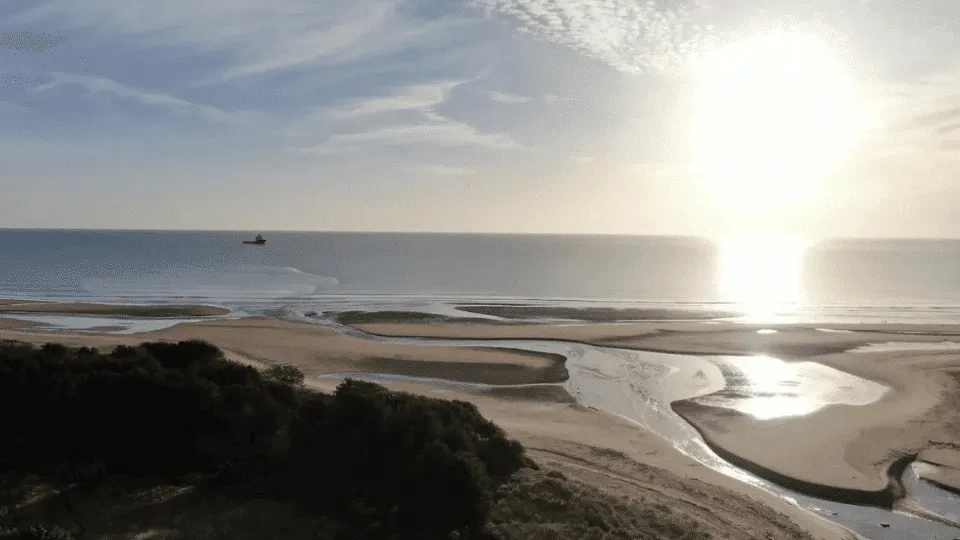

If you’re planning to fly your drone at a UK beach, you’ll find plenty of opportunities – but you’ll need to navigate some important rules first.
While The Crown Estate welcomes drone pilots at hundreds of coastal locations, you can’t simply launch your aircraft anywhere you’d like. Local restrictions, safety guidelines, and seasonal wildlife considerations will determine whether your chosen spot is suitable for drone flight.
30 Second Summary
- Flying drones is permitted on 779 UK beaches owned by The Crown Estate, specifically between high and low tide lines.
- Early mornings and late afternoons during low tide offer the best conditions for drone flying at beaches.
- Check local restrictions and no-fly zones using the Drone Assist App before flying at any beach location.
- Keep distance from wildlife, avoid crowded areas, and respect protected habitats during seasonal breeding periods.
- Follow CAA guidelines, maintain safe altitudes, and monitor coastal winds to ensure safe drone operations.
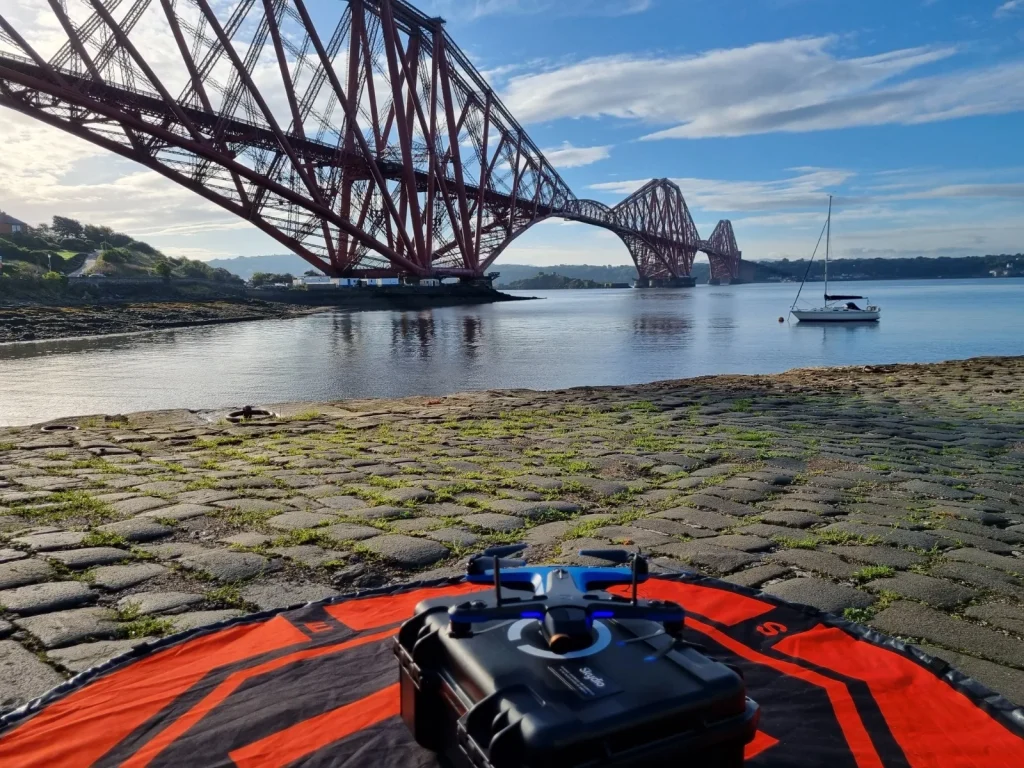
Yes You Can Legally Fly Drones at UK Beaches
While many drone pilots wonder about beach flying restrictions, you can indeed operate your drone at UK beaches, particularly those owned by The Crown Estate. You’ve got access to an impressive 779 beaches across the UK where you can practice your drone flying skills and capture stunning aerial photographs.
The Crown Estate has specifically granted drone pilots permission to fly between the high and low tide lines in areas under their ownership. This makes beaches excellent locations for both recreational flying and photography sessions. However, you’ll need to follow the Civil Aviation Authority’s regulations while flying at any beach location. You should also check for any local restrictions that might be in place at specific beaches before launching your drone.
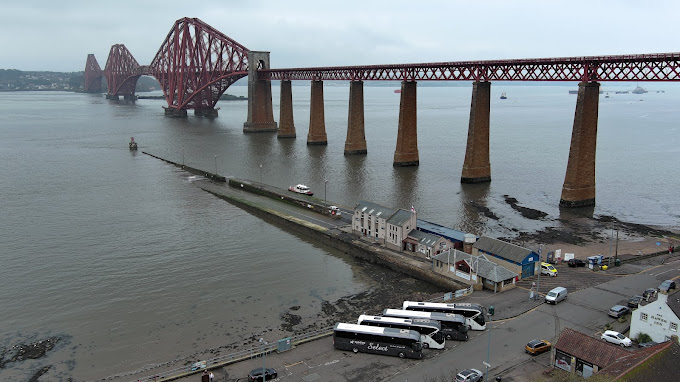
Crown Estate Beaches Allow Drone Flying with Proper Permission and Location Verification
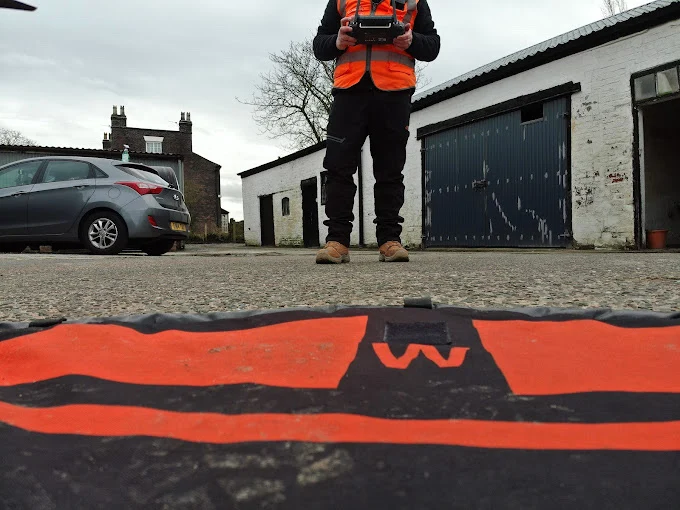
Before heading out to fly your drone at a UK beach, you’ll need to consult The Crown Estate’s interactive map, which displays permitted flying zones marked in purple along the coastline. This visual guide helps you identify authorized launch and landing areas for your drone operations.
However, it’s important to note that not all purple-marked areas on the map fall under The Crown Estate’s direct control. Some locations might belong to other organizations like English Heritage, the National Trust, or private landowners. Make sure you verify the exact ownership of your chosen flying spot before launching.
If anyone questions your right to fly on Crown Estate beaches, you can confidently inform them that The Crown Estate has officially granted permission for drone operations on their property.
Some UK Beaches Have Drone Flight Restrictions for Safety Reasons
Although many UK beaches welcome drone pilots, certain coastal areas maintain strict no-fly zones for safety reasons. Notable examples include Blackpool Beach, where heavy tourist traffic and busy airspace make drone flying unsafe. At West Sands Beach in St Andrews, you can’t fly drones due to its location within Leuchars airbase’s flight restriction zone. Similarly, Lancing Beach in Worthing falls within an airport’s restricted airspace.
Before planning your beach drone flight, you’ll need to verify if restrictions apply to your chosen location. You can check the No Fly Drones website or consult the CAA’s official guidance. Don’t forget to research local by-laws and look for restriction signs posted at the beach itself. These precautions ensure you’re flying legally and safely.
Best Practices for Beach Drone Flying
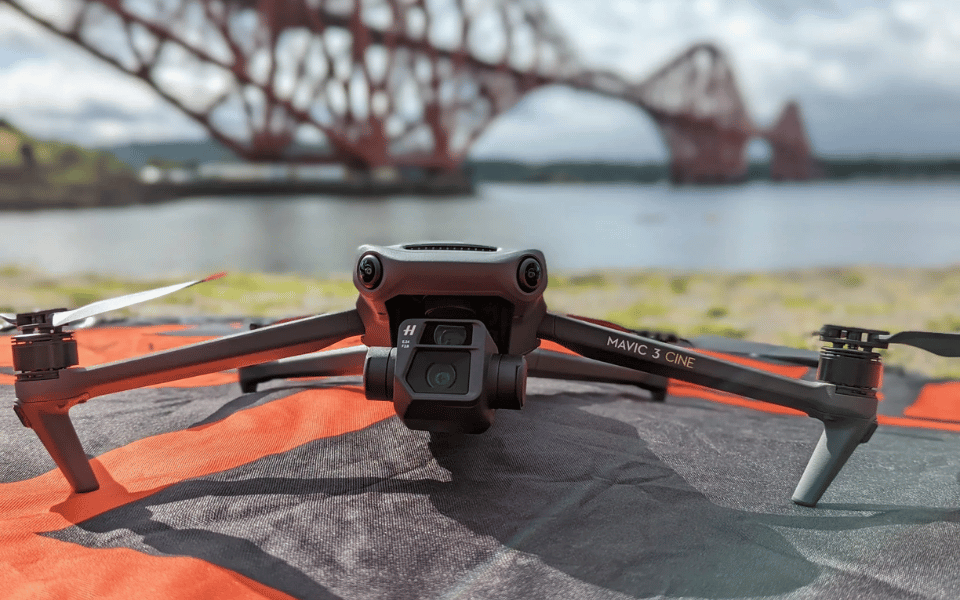
You’ll find the best beach drone flights during early mornings or late afternoons when there’s less crowd, and you should aim to fly during low tide for maximum landing space. Keep a close eye on unpredictable coastal winds that can quickly affect your drone’s stability and flight path. Make sure you’re respecting local wildlife by avoiding protected areas, and always monitor rising tides that could impact your landing zone.
Choose early mornings or late afternoons
When planning your beach drone flight, timing is crucial for both optimal conditions and safety. You’ll find early mornings and late afternoons offer significant advantages for your aerial photography and filming sessions.
During these off-peak hours, you’ll encounter fewer beachgoers, giving you more space to operate safely and reducing the risk of privacy concerns. The lighting conditions are particularly favorable at these times – photographers call it the “golden hour.” Early morning light provides soft, warm tones, while late afternoon sun creates long shadows and dramatic contrasts that can enhance your footage.
Additionally, these times typically have calmer winds and more stable weather conditions, making it easier to control your drone and capture smoother footage. You’ll also avoid the harsh midday sun that can cause glare and overexposure in your shots.
Fly during low tide for space
Flying your drone during low tide provides a vast canvas of exposed beach that’s ideal for aerial photography and safer flight operations. You’ll find significantly more room to maneuver your drone and maintain a safe distance from people and obstacles. The exposed shoreline reveals fascinating patterns, tide pools, and natural formations that make for stunning aerial shots.
When the tide is low, you’ll also discover hidden features like sandbars, rock formations, and temporary islands that aren’t visible during high tide. These elements create unique compositional opportunities for your drone photography. The expanded beach area gives you better takeoff and landing options, and you won’t need to worry about waves suddenly rushing in and compromising your launch zone.
Be mindful of unpredictable winds
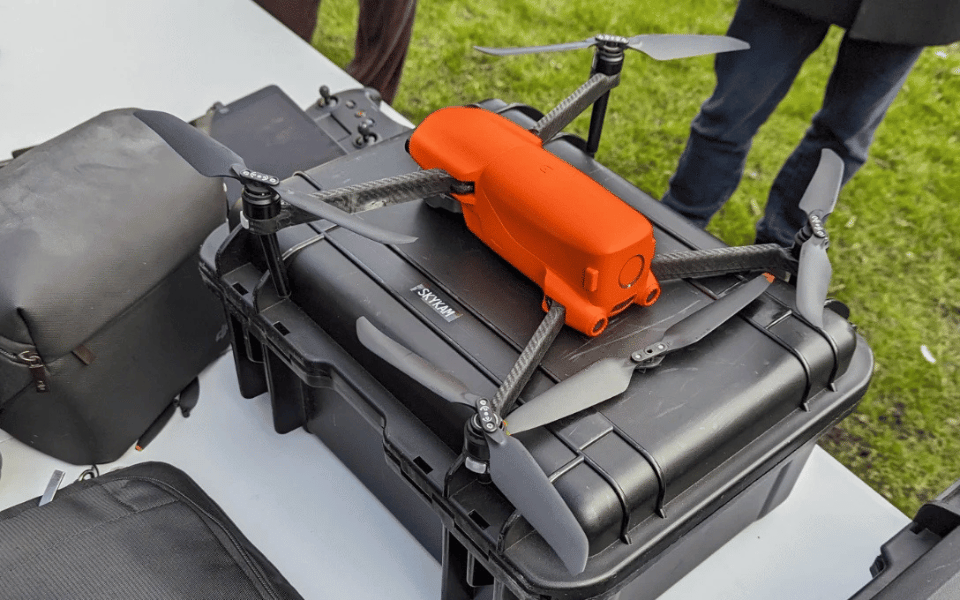
Because coastal areas experience dynamic atmospheric conditions, wind patterns at the beach can shift dramatically without warning. You’ll need to stay alert and monitor wind speeds throughout your flight, as sudden gusts can push your drone off course or make it difficult to maintain control.
Keep an eye on weather apps and local forecasts before and during your flight. Even if conditions seem calm at ground level, winds can be significantly stronger at higher altitudes. It’s best to maintain a lower altitude when flying near the coast and always have a clear flight path back to your takeoff point. If you notice increasing wind speeds or changing conditions, land your drone immediately and wait for more stable weather before continuing your flight.
Respect wildlife, avoid protected areas
Many beaches serve as critical habitats for diverse wildlife, including nesting shorebirds, marine mammals, and protected species that are sensitive to disturbance. Your drone can cause significant stress to these animals, potentially disrupting their natural behaviors and breeding patterns.
Before flying your drone, check if the beach is within or near any wildlife reserves, sanctuaries, or protected areas. You’ll need to maintain a safe distance from any visible wildlife and avoid flying over them. Watch for signs of distress in birds or other animals, such as sudden movements or flight responses. If you notice wildlife becoming agitated by your drone, land immediately and relocate to a different area. Remember that some beaches may have seasonal restrictions during breeding periods or migration seasons.
Watch for rising tides when landing
When operating your drone at the beach, tides can quickly change landing conditions and create hazardous situations for your equipment. You’ll need to carefully monitor tide patterns and maintain awareness of water movement throughout your flight session.
Before launching your drone, identify multiple safe landing zones on higher ground that won’t be affected by incoming tides. Keep track of the time and know when high tide is expected. Don’t set up your launch area too close to the water’s edge, as waves can surge unexpectedly. If you notice the tide coming in, wrap up your flight immediately and move to higher ground.
Remember that saltwater can severely damage your drone’s electronic components, so it’s crucial to keep your equipment away from wet sand and incoming water.
You Can’t Fly A Drone Over A Crowded Beach
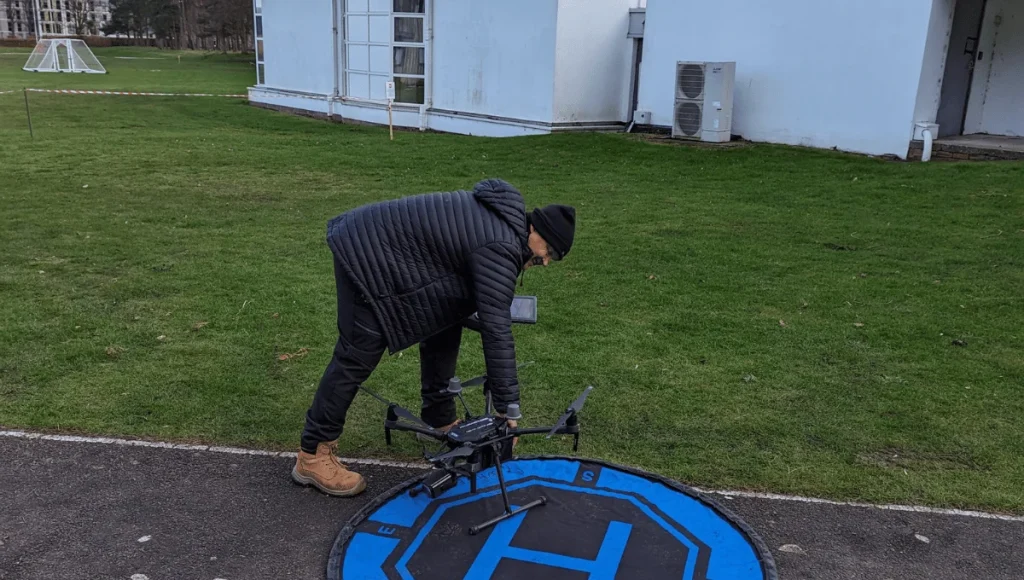
While flying your drone at the beach might seem like a perfect opportunity for stunning aerial shots, you can’t operate it over crowded areas where beachgoers are packed together. This isn’t just a suggestion – it’s a strict regulation enforced by the Civil Aviation Authority (CAA) in the UK.
The CAA defines a crowd as any group of people who can’t quickly move away due to the number of other people around them. This definition specifically includes packed beaches during peak times. The rule applies to all drones, regardless of their size or weight. If you want to capture beach footage with your drone, you’ll need to find a secluded area or visit during quieter times when beachgoers are spread out enough to move freely if needed.
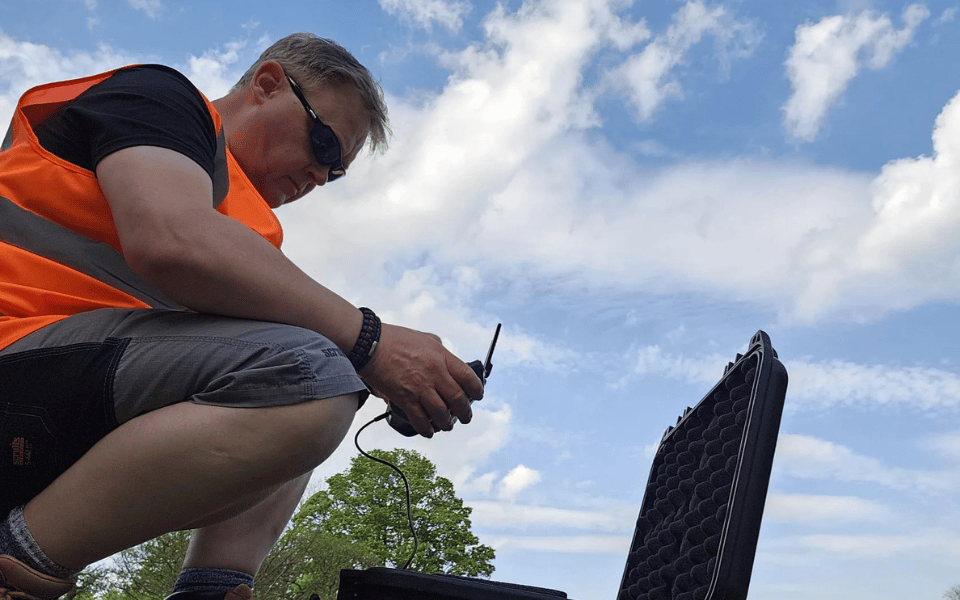
Use Drone Assist App To Check If You Can Fly A Drone At Your Beach
Before launching your drone at any beach, you’ll want to check the Drone Assist app – a free tool that provides essential information about where you can legally fly. Download it from the App Store or Google Play Store to access an interactive map showing airspace restrictions, no-fly zones, and ground hazards in your area.
The app displays Flight Restriction Zones (FRZs) where drone flying is restricted or prohibited, especially near airports and airfields. You’ll get real-time updates about NOTAMs and temporary restrictions. Look for purple-marked areas that indicate Crown Estate beaches where you can fly between high and low tide lines. You can also use the “Fly Now” feature to share your flight location with other users, making the airspace safer for everyone.
Conclusion
You’ll find many opportunities to fly your drone at UK beaches, particularly at Crown Estate locations, but always check local restrictions first. Download the Drone Assist App to verify if your chosen beach allows drone flights. Remember to maintain safe distances from people, respect wildlife, and stay between tide lines. With proper planning and adherence to regulations, you can enjoy capturing amazing coastal footage.

